

Murex hill, Sidon Travel Guide
Free Guide: Explore Murex Hill in Sidon, where the legacy of Phoenician purple dye production meets panoramic Mediterranean views and ancient history.


A brief summary of Murex hill
Explore Murex Hill in Sidon, where the legacy of Phoenician purple dye production meets panoramic Mediterranean views and ancient history.
Murex Hill in Sidon is an artificial mound formed over centuries from the discarded shells of murex snails, used by the Phoenicians to produce the famed Tyrian purple dye. Today, it offers a glimpse into the city's vibrant past and panoramic views, though it's partially covered by modern structures and a cemetery.
Opening hours
- Every day8 am–6 pm
Opening hours as listed on the venue’s Google Business Profile. Hours can change for services and special events, so check with the venue before you go.
- Address
- H959+WRV, Sidon
- Phone
Getting there
Walking
Public Transport
Discover more about Murex hill
Overview
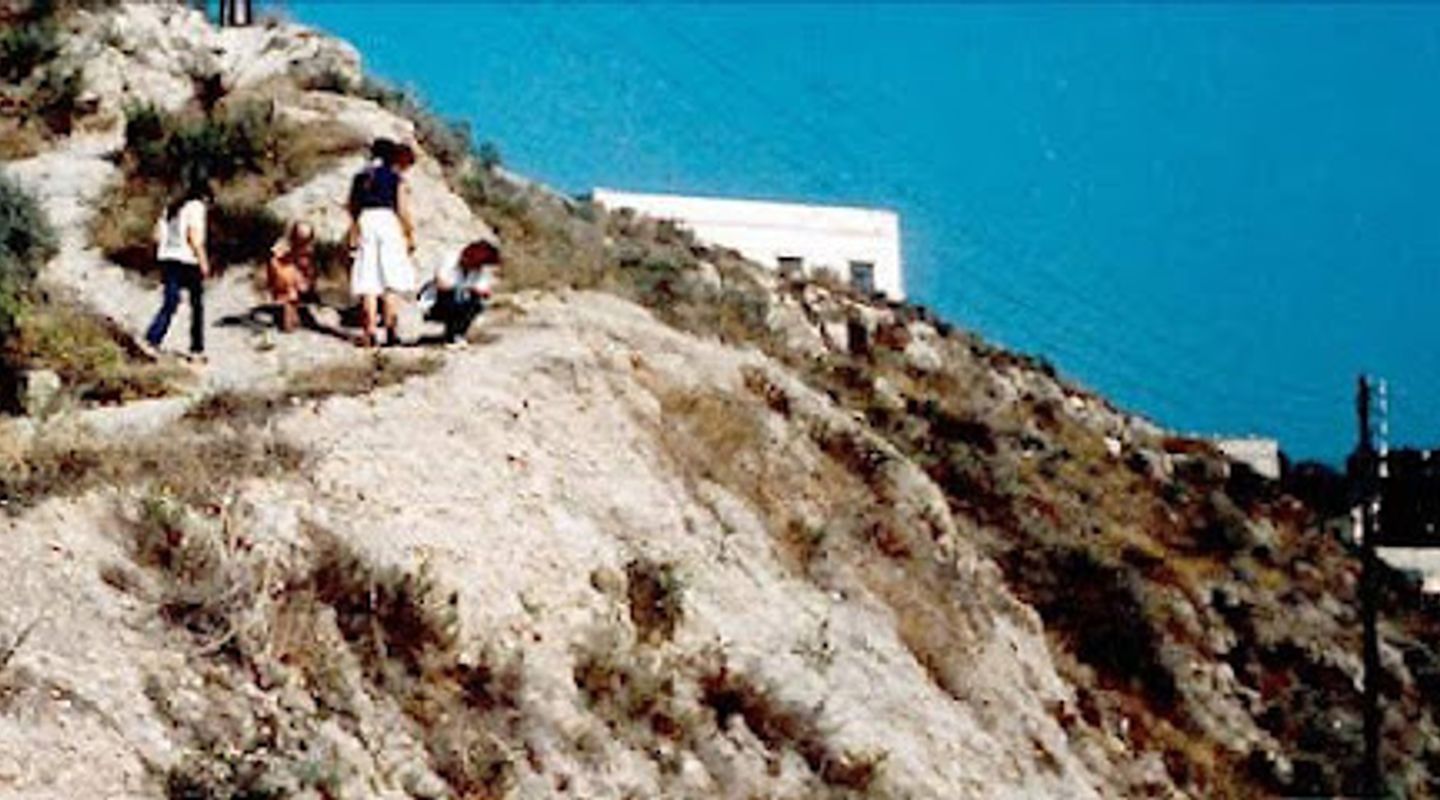
Murex Hill, located south of Sidon's sea castle, is a testament to the city's rich Phoenician heritage and its prominence in the ancient world. This artificial hill, rising 50 meters high and stretching 100 meters long, was created by the accumulation of refuse from the purple dye factories that thrived in Sidon during Phoenician times. The Phoenicians extracted a vibrant purple pigment from the Murex trunculus snail, a dye so rare and prized that it became a symbol of royalty.Sidon was one of the most important city-states in Phoenicia, known for its wealth, commercial enterprise, and religious significance. The city's strategic location on the Mediterranean coast made it a key trading hub, connecting sea routes with inland trade networks. Murex Hill stands as a reminder of Sidon's economic power and the ingenuity of its people.Today, Murex Hill is partially covered by houses, buildings, and a cemetery, making it less accessible than in the past. However, broken murex shells can still be seen on the lower part of the hill, offering a tangible connection to Sidon's ancient industry. Despite the encroachment of modern construction, the hill remains a significant archaeological site, with mosaic tiling suggesting that Roman buildings once stood there. Visitors can explore the remnants of old structures, including walls and foundations, providing a glimpse into the architectural prowess of the Phoenicians. Climbing to the top of Murex Hill rewards visitors with panoramic views of the Mediterranean Sea and the city of Sidon, blending ancient history with the beauty of the present-day city.
Evendo Review Centre
 Google
Guest reviews
Explore Murex hill on the map
A handpicked selection of must-see spots near Murex hill, mapped for you.
Get your free copy of our complete guide to Murex hill, delivered straight to you.
Everything on this page, from opening hours and how to get there to Eve’s tips and the best time to go, in one PDF you can read offline, print or share.
Already have an account? Sign in
Your Murex hill guide is ready.
We'll send it to · Not you? Sign out

Getting your guide ready…
We are putting together a fresh copy of the Murex hill guide. This can take up to a minute.
This can take a few moments. If your browser asks, choose Allow so the download can start. You'll find the guide in your Downloads folder.
Nothing happened? Download it again
Sorry, the guide is taking longer than usual. Please try again in a minute, or get it by email instead.
Other nearby places you may find interesting
The closest places of the same kind, if this one is not quite what you had in mind.
-
-
-
-
-


Swipe for more places
More to explore near Murex hill

 Best experiences near Murex hill
 Best hotels near Murex hill
 Best landmarks near Murex hill
 Best attractions near Murex hill
 Best shops near Murex hill
 Best restaurants near Murex hill
 Best bars near Murex hill
Do you manage this location?
Take control to get all the benefits, like improved information, better appearance, and stronger visibility across AI-powered discovery.
Explore more

Explore more of Sidon
Discover Sidon, Lebanon's ancient gem, where history, culture, and the Mediterranean Sea create an unforgettable travel experience.
Explore Sidon
Explore more of Lebanon
Discover Lebanon: A land of ancient history, vibrant culture, stunning landscapes, and delicious cuisine, nestled on the Mediterranean coast.
Explore Lebanon
