

Akakus mountains سلسلة جبال أكاكوس Travel Guide
Free Guide: Explore the Akakus Mountains: Awe-inspiring Sahara landscapes meet ancient rock art in this UNESCO World Heritage Site, offering a unique Libyan adventure.


A brief summary of Akakus mountains سلسلة جبال أكاكوس
Explore the Akakus Mountains: Awe-inspiring Sahara landscapes meet ancient rock art in this UNESCO World Heritage Site, offering a unique Libyan adventure.
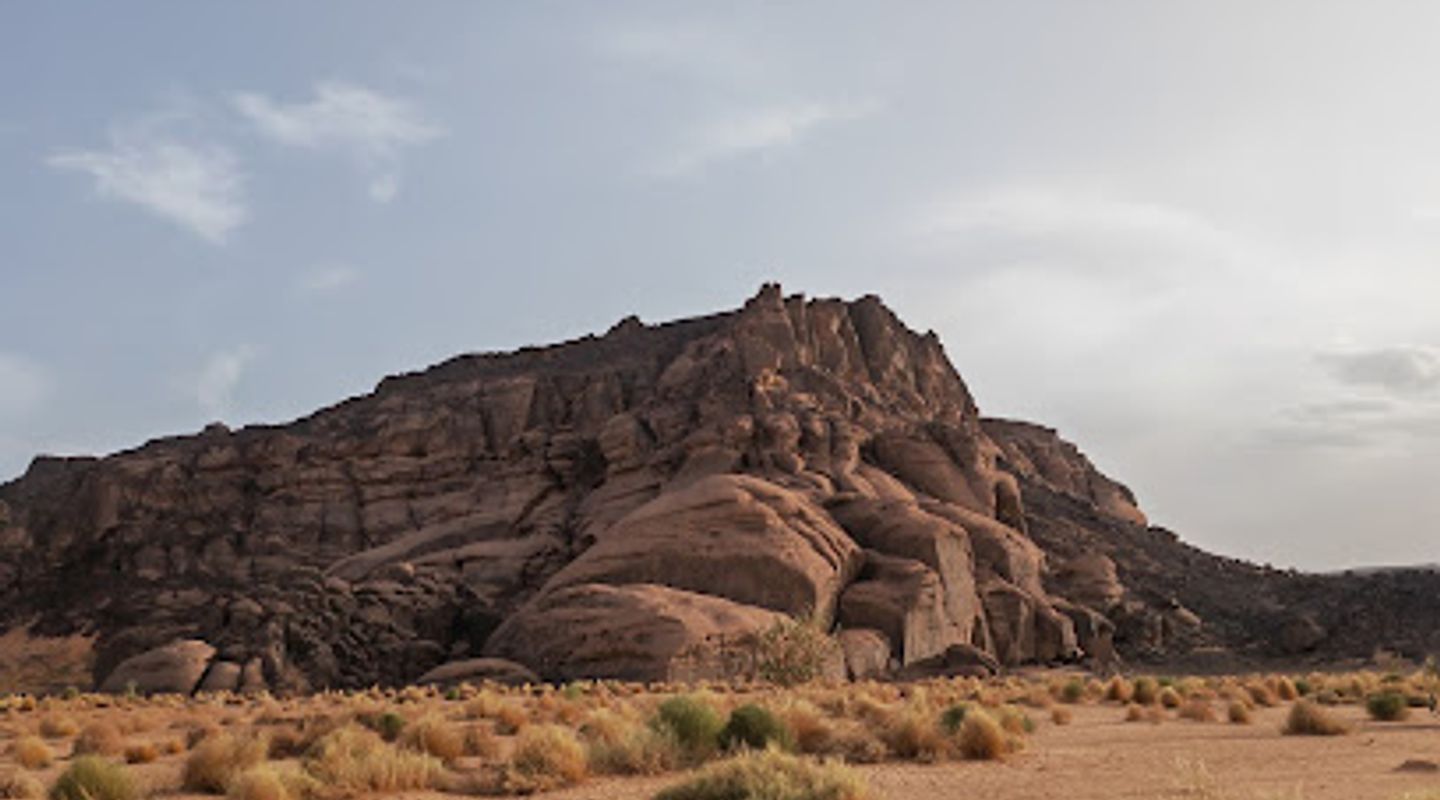
The Akakus Mountains, a UNESCO World Heritage Site in Libya's Sahara Desert, boast dramatic landscapes and prehistoric rock art dating back 12,000 years. Explore canyons, arches, and ancient history etched in stone.
- Address
- Akakus mountains سلسلة جبال أكاكوس
Getting there
Arranged Tour
Discover more about Akakus mountains سلسلة جبال أكاكوس
Overview
The Akakus Mountains, also known as Tadrart Akakus, are a striking mountain range located in the desert of western Libya, east of the city of Ghat. Stretching 100 kilometers north from the Algerian border, this UNESCO World Heritage site is renowned for its dramatic desert landscapes and a rich array of prehistoric rock art.The mountains feature a diverse topography, including colorful sand dunes, towering cliffs, deep canyons (wadis), natural arches, and isolated rock formations shaped by millennia of wind and erosion. Major landmarks include the arches of Afzejare and Tin Khlega. Despite the arid environment, some vegetation, springs, and wells can be found within the mountains.The rock art of the Akakus Mountains dates from 12,000 BCE to 100 CE, reflecting the cultural and natural changes in the area. These paintings and carvings depict animals like giraffes, elephants, ostriches, and camels, as well as humans and horses. Scenes of daily life, such as music-making and dancing, offer insights into the lives of the Sahara's early inhabitants. The art is categorized into different periods: the Wild Fauna Period (12,000-6000 BC), the Round Head Period (8000-6000 BC), the Pastoral Period (5500-2000 BC), the Horse Period (1500 BC), and the Camel Period (1000 BC).Visiting the Akakus Mountains offers a unique opportunity to explore a remote and untouched landscape, connect with the environment, and discover ancient artistry etched in stone. Guided tours are available to delve into the history and geology of the area, ensuring a safe and enjoyable experience.
Evendo Review Centre
 Google
Guest reviews
Explore Akakus mountains سلسلة جبال أكاكوس on the map
A handpicked selection of must-see spots near Akakus mountains سلسلة جبال أكاكوس, mapped for you.
Get your free copy of our complete guide to Akakus mountains سلسلة جبال أكاكوس, delivered straight to you.
Everything on this page, from opening hours and how to get there to Eve’s tips and the best time to go, in one PDF you can read offline, print or share.
Already have an account? Sign in
Your Akakus mountains سلسلة جبال أكاكوس guide is ready.
We'll send it to · Not you? Sign out

Getting your guide ready…
We are putting together a fresh copy of the Akakus mountains سلسلة جبال أكاكوس guide. This can take up to a minute.
This can take a few moments. If your browser asks, choose Allow so the download can start. You'll find the guide in your Downloads folder.
Nothing happened? Download it again
Sorry, the guide is taking longer than usual. Please try again in a minute, or get it by email instead.
Other nearby places you may find interesting
The closest places of the same kind, if this one is not quite what you had in mind.
-
-

-
-
-


Swipe for more places
More to explore near Akakus mountains سلسلة جبال أكاكوس
-
 Best experiences near Akakus mountains سلسلة جبال أكاكوس
-
 Best hotels near Akakus mountains سلسلة جبال أكاكوس
-
 Best landmarks near Akakus mountains سلسلة جبال أكاكوس
-
 Best attractions near Akakus mountains سلسلة جبال أكاكوس
-
 Best shops near Akakus mountains سلسلة جبال أكاكوس
-
 Best restaurants near Akakus mountains سلسلة جبال أكاكوس
-
 Best bars near Akakus mountains سلسلة جبال أكاكوس


Do you manage this location?
Take control to get all the benefits, like improved information, better appearance, and stronger visibility across AI-powered discovery.
Explore more

Explore more of Tadrart Acacus
Explore Tadrart Acacus in Libya, a UNESCO World Heritage site known for its stunning rock formations and ancient rock art, offering a unique blend of natural beauty and history.
Explore Tadrart Acacus
Explore more of Libya
Discover Libya: Ancient ruins, vast deserts, and Mediterranean charm await in this North African gem.
Explore Libya
