Tadrart Acacus Travel Guide
Free Guide: Explore ancient rock art and stunning desert landscapes in Libya's Tadrart Acacus, a UNESCO World Heritage Site.


A brief summary of Tadrart Acacus
Explore ancient rock art and stunning desert landscapes in Libya's Tadrart Acacus, a UNESCO World Heritage Site.
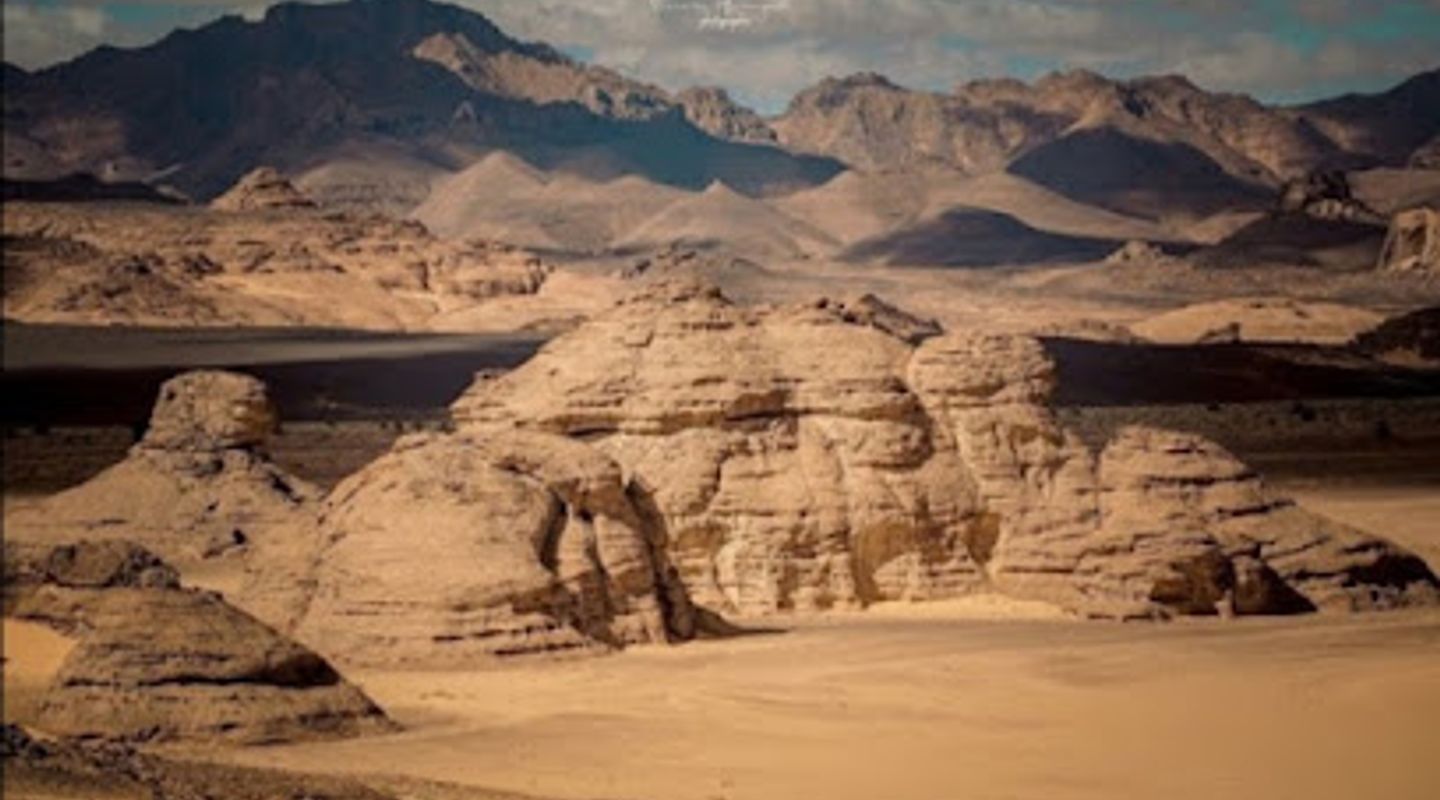
Tadrart Acacus, a UNESCO World Heritage Site in the Libyan Sahara, boasts thousands of prehistoric cave paintings dating back 12,000 years, set within a dramatic landscape of sandstone mountains, dunes, and wadis. This open-air gallery tells the story of the Sahara's changing environment and the people who have inhabited it over millennia.
- Address
- Tadrart Acacus
Getting there
Car
Public Transportation
Guided Tour
Discover more about Tadrart Acacus
Overview
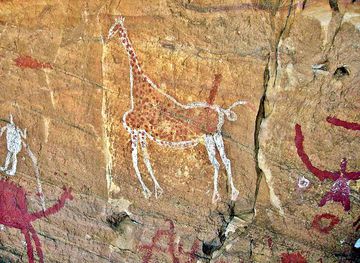
Tadrart Acacus, also known as the Acacus Mountains, is a mountain range in the Sahara Desert of western Libya, bordering Algeria. The name Tadrart Acacus means "Mountain-Acacus" in the local Berber language. This remote and rugged terrain is renowned for its bizarre and beautiful landscape, featuring colorful sand dunes, towering granite mountains, and deep ravines (wadis). Eroded rock formations create natural arches like Afzejare and Tin Khlega, adding to the otherworldly scenery.The area's true treasures lie in its prehistoric rock art. Thousands of paintings and engravings, dating from 12,000 BC to AD 100, adorn the cave walls and rock shelters throughout the massif. These artworks depict scenes of daily life, hunting, and ceremonial activities, offering a glimpse into the lives of the early inhabitants of the Sahara. The art reflects changes in the fauna and flora, as well as the different ways of life of the populations that succeeded one another in this region.The rock art is divided into five major periods: Wild Fauna, Round Head, Pastoralist, Horse, and Camel. The oldest art features animals like elephants, giraffes, and rhinos, reflecting a wetter Sahara. Later periods depict domesticated cattle, horses, and camels, illustrating the changing environment and human adaptation. Key sites for viewing rock art include Wadi Tashwinat and Wadi Tanshalt.Visiting Tadrart Acacus offers a unique opportunity to connect with the history and culture of the Sahara. Exploring the rock shelters and caves is like stepping back in time, while the clear desert skies provide unforgettable stargazing opportunities.
Evendo Review Centre
 Google
Guest reviews
Explore Tadrart Acacus on the map
A handpicked selection of must-see spots near Tadrart Acacus, mapped for you.
Get your free copy of our complete guide to Tadrart Acacus, delivered straight to you.
Everything on this page, from opening hours and how to get there to Eve’s tips and the best time to go, in one PDF you can read offline, print or share.
Already have an account? Sign in
Your Tadrart Acacus guide is ready.
We'll send it to · Not you? Sign out

Getting your guide ready…
We are putting together a fresh copy of the Tadrart Acacus guide. This can take up to a minute.
This can take a few moments. If your browser asks, choose Allow so the download can start. You'll find the guide in your Downloads folder.
Nothing happened? Download it again
Sorry, the guide is taking longer than usual. Please try again in a minute, or get it by email instead.
Other nearby places you may find interesting
The closest places of the same kind, if this one is not quite what you had in mind.
-
-
-
-
-


Swipe for more places
More to explore near Tadrart Acacus

 Best experiences near Tadrart Acacus
 Best hotels near Tadrart Acacus
 Best landmarks near Tadrart Acacus
 Best attractions near Tadrart Acacus
 Best shops near Tadrart Acacus
 Best restaurants near Tadrart Acacus
 Best bars near Tadrart Acacus
Do you manage this location?
Take control to get all the benefits, like improved information, better appearance, and stronger visibility across AI-powered discovery.
Explore more
Explore more of Ghat
Discover Ghat, Libya's enchanting oasis town, where ancient history, stunning desert landscapes, and rich cultural heritage await in the heart of the Sahara.
Explore Ghat
Explore more of Libya
Discover Libya: Ancient ruins, vast deserts, and Mediterranean charm await in this North African gem.
Explore Libya