Background

Trier: Germany’s Ancient Roman Jewel

Experience Trier, Germany’s oldest city—where impressive Roman relics, medieval grandeur, and Moselle wine culture create an unforgettable riverside adventure.

Nestled along the banks of the Moselle River, Trier dazzles as Germany’s oldest city, blending Roman ruins, medieval charm, and vibrant urban life. Once a seat of imperial power, this picturesque city invites travelers to wander through millennia-old streets, where architectural marvels meet bustling markets and inviting cafés. Perfect for lovers of history, culture, and wine, Trier weaves together UNESCO-listed sites, lush vineyard vistas, and a dynamic contemporary spirit.

Plan your visit

A brief summary to Trier

Opening times, essentials, and a few local tips gathered into one calmer, easier-to-scan planning section.

Plan your visit

📍
Trier, DE

Explore places near Trier

    See all →

    Unlock the Best of Trier

    Find tickets, tours with entry, and experiences available for this location.

    Buy tickets

    No tickets available

    Book tours with entry

    No tours with entry available

    Book tours without entry

    No tours without entry available

    Getting There

    Landmark Orientation

    The imposing Porta Nigra marks one end of Trier’s compact historic core, serving as a gateway to the Hauptmarkt’s shops and cafés. From this urban heart, the Cathedral and Liebfrauenkirche are a comfortable stroll away, surrounded by lively squares.

    Cultural Hub

    Near the river, you'll find the iconic Roman Bridge and several inviting wine gardens nestled among the vineyards. Popular guided tours of the city and river cruises depart from the Moselle’s edge, most under €20 per person.

    Cost Guidance

    Entry to most Roman monuments such as the Baths or Amphitheater typically ranges from €5–8. Walking the old town and visiting churches remain free; many museums offer discounted combo tickets.

    Scenic Vantage Points

    The Petrisberg plateau offers panoramic views over Trier’s rooftops and the Moselle valley. Reachable via local bus or on foot, it's a favorite spot for sunset picnics and photos.

    Local tips

    Arrive early at popular Roman sites, like Porta Nigra and the Baths, to avoid crowds and enjoy soft morning light for photography.
    Trier’s pedestrian city center is perfect for casual strolls—comfortable shoes make sightseeing and exploring hidden lanes much easier.
    Sample local Riesling wine in a traditional wine cellar or at one of the seasonal wine festivals, especially during spring and autumn.
    The city’s museum card offers good value for those wishing to visit multiple historical sites and museums in one or two days.
    Public transport is frequent and connects key landmarks; cyclists will find the riverside path and vineyard routes especially scenic.

    Discover more about Trier

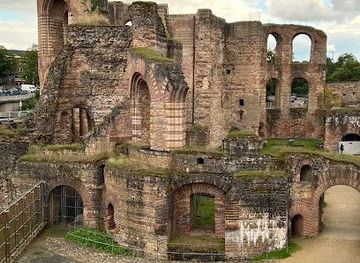
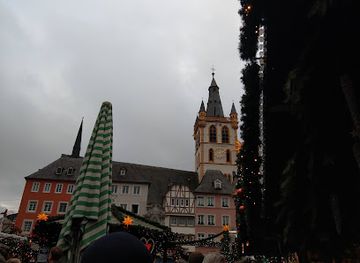
    Nestled amidst the rolling Moselle Valley and backed by scenic vineyards, Trier stands as a living mosaic of Europe’s past and present. Established by the Romans over two millennia ago, Trier boasts a dramatic urban tapestry distinguished by its formidable landmarks, including the iconic Porta Nigra—the largest preserved Roman city gate north of the Alps—and the sprawling Imperial Baths, silent witnesses to a time when the city reigned as an imperial capital. Wanderers find their senses awakened along the city’s main hub, the Hauptmarkt, framed by playful fountains, lively cafés and pastel-hued Renaissance facades. The Cathedral of St. Peter, Germany’s oldest, rises from the city center with its mix of Roman, Gothic, and Baroque flourishes, safeguarding sacred relics and centuries of lore. Steps away, the Liebfrauenkirche, a Gothic masterpiece, beckons with delicate tracery and silent awe.Trier’s Roman roots breathe through its amphitheater, ancient bridge, and mosaicked villa remains, but medieval and contemporary flair are apparent at every turn. Meander through the picturesque Judengasse or pause at the Karl Marx House, birthplace of the philosopher whose ideas echoed across the world. Encircling the city, vine-draped slopes produce renowned Moselle wines; local cellars and seasonal festivals tempt visitors with tantalizing vintages. A lively student population from the university fuels creative energy, bringing renewed vibrancy to riverside paths, boutique shops, and buzzy eateries serving regional specialties like "Sauerbraten" and the beloved "Rieslingkuchen." Trier’s compact nature encourages relaxed exploration—whether tracing Roman roadways or savoring a glass of local wine against a golden sunset. This city’s layered magic endures long after the bells of the Dom chime across the valley.

    A brief summary to Trier

    Use Trier as your starting point for nearby food, family ideas, nightlife, and more local discoveries.

    Mobile App
    Get the app

    Your all‑in‑one travel companion app

    Explore expert travel guides, compare and book tours, experiences, hotels, and more—all from the palm of your hand. Download now for seamless trip planning wherever your wanderlust takes you.
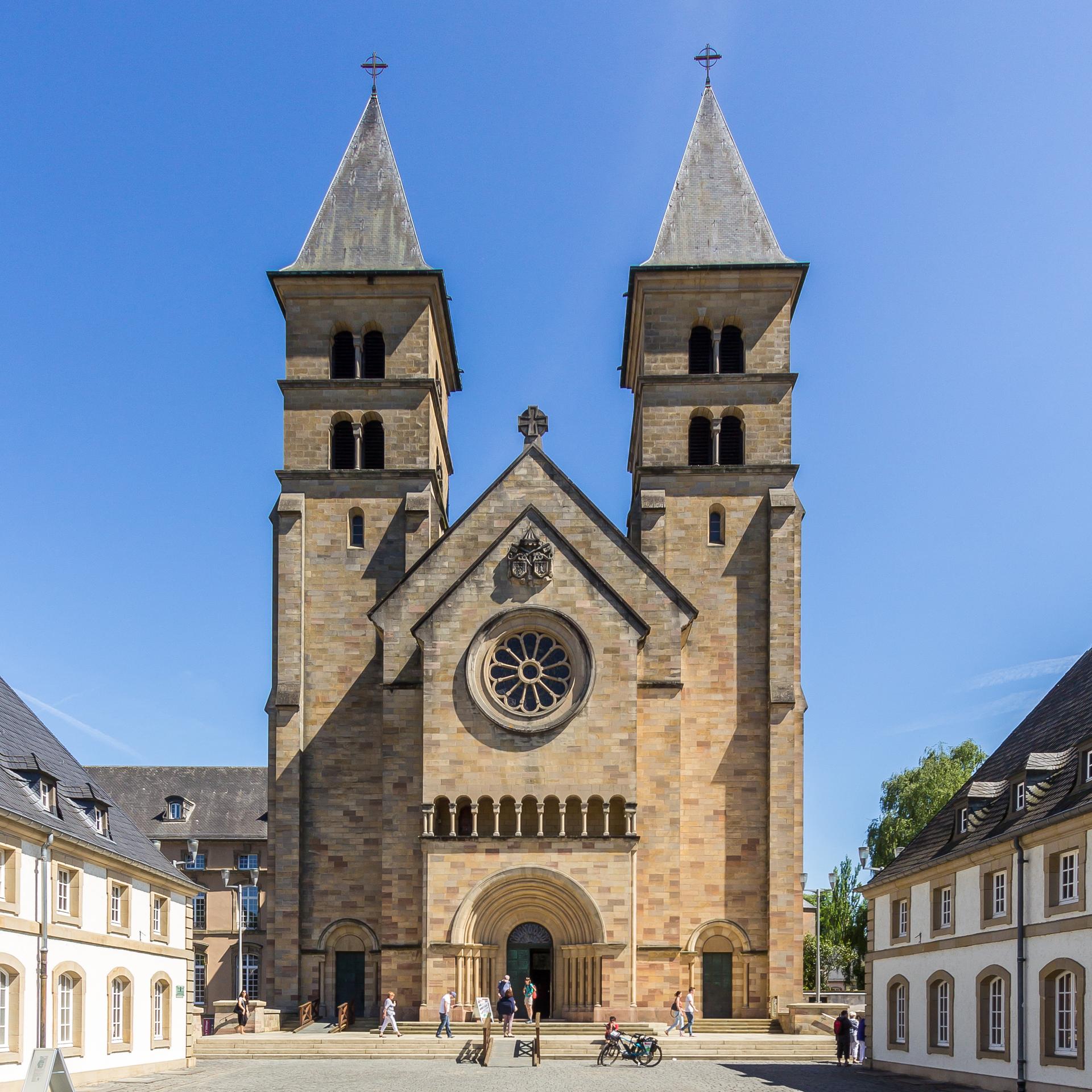
    File:St. Willibrord Basilika, Echternach-3711.jpg - Wikimedia Commons

    More about Echternach

    Discover the timeless charm of Echternach, Luxembourg’s oldest city, where history, nature, and culture come together in the enchanting Mullerthal region.

    Tell me more about Echternach
    Select Currency

    Choose the currency you want prices to display in.