

Free Echternach Travel Guide & Mobile App
Plan your Echternach trip with Evendo. Get free guides to top attractions, restaurants, hotels, and bars. Web access or download the mobile app.


Echternach, Luxembourg’s oldest town, combines abbey heritage, Roman ruins, lake scenery and the UNESCO-listed Dancing Procession near Mullerthal.
Abbey Town and Ancient Foundations
Echternach stands in eastern Luxembourg beside the River Sûre, close to the German border and at the western edge of the Mullerthal region. Its compact historic centre grew around the abbey founded by Saint Willibrord in 698, making it one of the country’s oldest urban settlements. The Basilica of Saint Willibrord, with its pale stone façade and long association with the abbey, remains the town’s defining monument. Nearby courtyards, remnants of defensive walls and the market square reveal the layered character of a place shaped by religious power, commerce and centuries of cross-border exchange.Read more about Echternach
Streets, Culture and Tradition
Lake and Mullerthal Landscapes
When is the best time to visit Echternach?
Best: June–August · 24–25°C| Month | High (°C) | Rainfall (mm) |
|---|---|---|
| January | 6 | 49 |
| February | 7 | 41 |
| March | 11 | 39 |
| April | 16 | 42 |
| May | 20 | 56 |
| June (best) | 24 | 66 |
| July (best) | 25 | 64 |
| August (best) | 25 | 55 |
| September | 21 | 50 |
| October | 16 | 50 |
| November | 11 | 47 |
| December | 6 | 49 |
Getting to and around Echternach
How to get there
Transportation
Best attractions in Echternach
Echternach’s principal attractions are concentrated within a walkable historic centre. The Basilica of Saint Willibrord and the adjoining former abbey complex provide the essential introduction to the town’s religious and artistic history, while the Abbey Museum explores its manuscripts, archaeology and monastic heritage. The Denzelt and market square offer a glimpse of medieval civic life, and sections of the old town walls and towers reveal Echternach’s former defensive role. West of the centre, the Roman villa presents the remains of a substantial Roman estate, with reconstructed elements helping visitors understand its scale. Echternach Lake adds a different kind of sightseeing, with waterside paths, woodland and open views. Beyond the town, the Mullerthal region’s sandstone ravines and forest trails form a natural extension of the visit, though they belong to the wider countryside rather than to Echternach itself.
-
Tourist attraction
Hohllay cave
Explore Hohllay Cave near Berdorf—a striking sandstone cavern with ancient quarry marks, natural acoustics, and an atmospheric amphitheatre for open-air events.
13 min drive · 4.5 km from city centre
-
Tourist attraction
Gorges du Loup
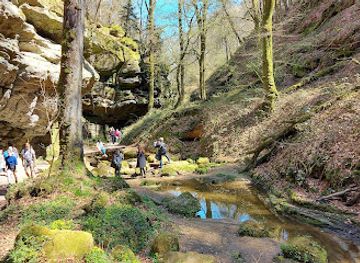
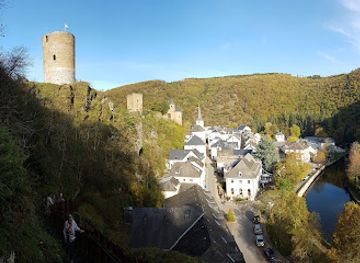
Explore Gorges du Loup in the Mullerthal for dramatic sandstone canyons, lush trails, myths, and unique geological wonders—one of Luxembourg’s wildest landscapes.
18 min walk · 1.5 km from city centre
-
Tourist attraction
Perekop
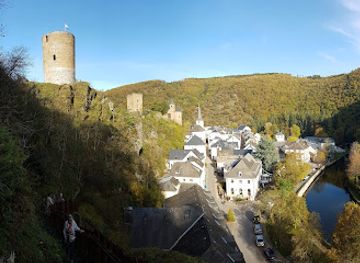
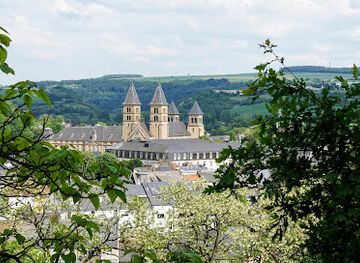
Discover the towering sandstone gateway of Perekop in Luxembourg’s Mullerthal, an iconic rock formation where dramatic cliffs, lush forest, and hiking trails converge.
10 min drive · 3.3 km from city centre
-
Tourist attraction
Roman Villa Echternach
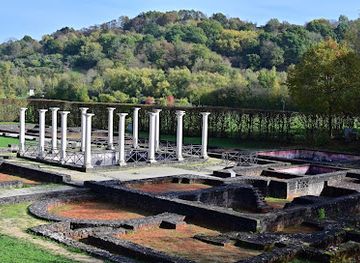
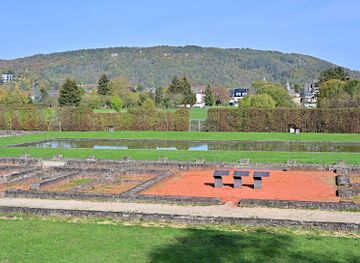
Discover the Roman Villa Echternach—Luxembourg’s premier archaeological landmark where ancient luxury, ingeniously engineered Roman baths, and vivid mosaics spring to life.
14 min walk · 1.1 km from city centre
Best landmarks in Echternach
The Basilica of Saint Willibrord is Echternach’s central landmark, standing over the burial place of the town’s founding saint and preserving the memory of the medieval abbey. Its architectural history includes Romanesque elements and later reconstruction after wartime damage. Beside it, the former abbey buildings and courtyards express the institution’s former religious and intellectual authority. In the market square, the Denzelt served as a civic and judicial building, linking the town’s history to municipal administration rather than monastic life. Fragments of the medieval walls and surviving towers mark Echternach’s development as a fortified settlement, while the Church of Saint Peter and Saint Paul reflects an earlier religious layer outside the main abbey complex. Together these buildings show how pilgrimage, governance, defence and everyday commerce shaped the town’s physical identity.
-
Tourist attraction
Abbey of Echternach
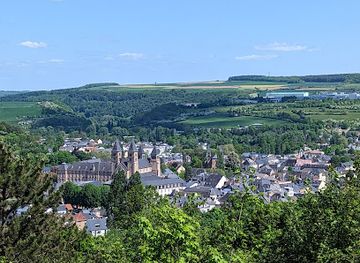
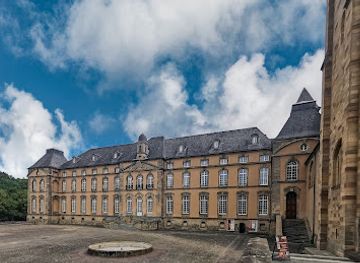
Discover Luxembourg’s Abbey of Echternach—where centuries-old spiritual traditions meet breathtaking Romanesque and Gothic grandeur in the heart of the Müllerthal.
3 min walk · 0.2 km from city centre
-
Tourist attraction
Hohllay cave
Experience the dreamlike Hohllay Cave in Mullerthal, Luxembourg—where ancient quarrying has carved a majestic sandstone amphitheatre within enchanting forest landscapes.
13 min drive · 4.5 km from city centre
-
Tourist attraction
Gorges du Loup
Discover Gorges du Loup in the Mullerthal, Luxembourg: a enchanting sandstone gorge with dramatic rock formations, lush trails, and mythical woodland beauty.
18 min walk · 1.5 km from city centre
-
Tourist attraction
Roman Villa Echternach
Discover the Roman Villa Echternach: a remarkably preserved 1st-century estate with mosaics, baths, and gardens, offering immersive Roman history in Luxembourg’s countryside.
14 min walk · 1.1 km from city centre
Explore Echternach on the map
Plan your Echternach trip on one map. See where the top attractions, landmarks, restaurants, bars and hotels are, find what's near where you're staying, and book hotels and experiences in a few clicks.
Best hotels in Echternach
Best restaurants in Echternach
Echternach’s dining scene reflects Luxembourg’s position between French, German and Belgian culinary traditions, with restaurants and cafés concentrated around the old centre and market area. Menus may feature Luxembourg specialities such as judd mat gaardebounen, smoked pork with broad beans, hearty bouneschlupp bean soup, potato dishes and gromperekichelcher, the country’s crisp seasoned potato cakes. Regional wines from the Moselle are commonly encountered across Luxembourg, while beer and straightforward café fare suit visitors taking a break between historic sights. The town’s restaurants range from traditional cooking and relaxed brasseries to contemporary kitchens, with seasonal ingredients and nearby cross-border influences often apparent. Echternach Lake and the surrounding villages add further places to eat, although the choice is more intimate and local than in Luxembourg City.
-
Restaurant
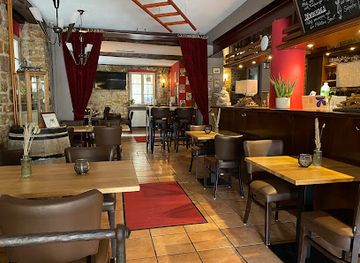
Restaurant Aal Eechternoach
Experience culinary excellence at Restaurant Aal Eechternoach in Echternach – where tradition meets modernity with every delicious bite.
2 min walk · 0.2 km from city centre
-
Pizza
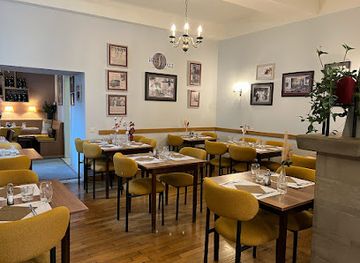
Una Storia Restaurant -Pizzeria
Experience authentic Italian cuisine at Una Storia Restaurant in Echternach - home to delicious pizzas and grilled specialties.
3 min walk · 0.2 km from city centre
-
Kebab shop
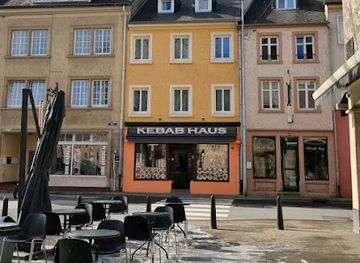
Kebab Haus Echternach
Experience authentic kebabs at Kebab Haus Echternach - where quality meets affordability in a welcoming atmosphere.
1 min walk · 0.1 km from city centre
-
Restaurant
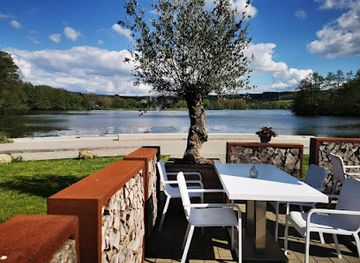
Lakeside Echternach
Experience exceptional dining at Lakeside Echternach, where gourmet cuisine meets stunning lakeside views in Luxembourg.
17 min walk · 1.3 km from city centre
Best bars in Echternach
Echternach has a modest evening scene shaped more by cafés, restaurants, cultural events and seasonal activity than by large nightclubs. The historic centre offers relaxed places for a drink after sightseeing, while the area around the market square provides the clearest concentration of evening hospitality. The Trifolion cultural centre brings concerts, theatre and other performances to the town, creating a distinctly local alternative to clubbing. During festivals and summer events, public spaces may become livelier, but Echternach generally settles early compared with Luxembourg City. Visitors seeking a late-night club circuit will find limited options locally and may need to travel to the capital. Evenings are best suited to conversation, regional food and cultural programming rather than an extensive bar crawl.
-
Restaurant
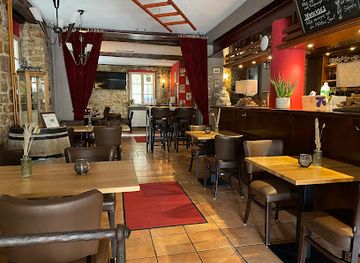
Restaurant Aal Eechternoach
Experience the culinary delights of Restaurant Aal Eechternoach in Echternach, offering a diverse menu for meat lovers and vegans alike.
2 min walk · 0.2 km from city centre
-
Restaurant
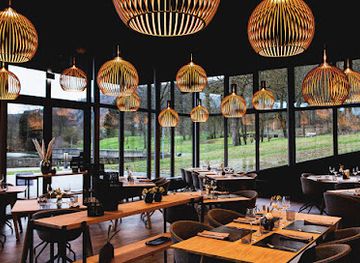
Lakeside Echternach
Experience exquisite dining at Lakeside Echternach, where culinary excellence meets breathtaking lakeside views in Luxembourg.
17 min walk · 1.3 km from city centre
-
Irish pub
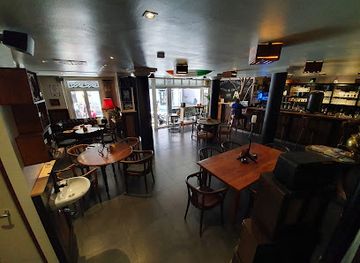
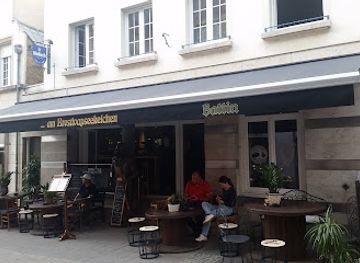
Brostloapseekelchen - Irish Pub
Discover the heart of Irish culture at Brostloapseekelchen, an inviting pub in Echternach offering delicious food, local brews, and a vibrant atmosphere.
3 min walk · 0.2 km from city centre
-
Restaurant
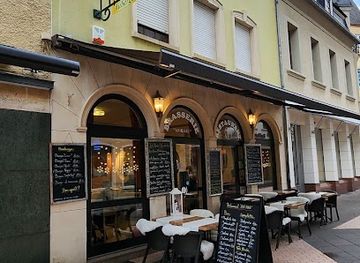
Brasserie - Restaurant An Haal
Experience the culinary charm of Echternach with delightful dishes and a warm ambiance at Brasserie - Restaurant An Haal.
3 min walk · 0.3 km from city centre
Best nightclubs in Echternach
Echternach has a modest evening scene shaped more by cafés, restaurants, cultural events and seasonal activity than by large nightclubs. The historic centre offers relaxed places for a drink after sightseeing, while the area around the market square provides the clearest concentration of evening hospitality. The Trifolion cultural centre brings concerts, theatre and other performances to the town, creating a distinctly local alternative to clubbing. During festivals and summer events, public spaces may become livelier, but Echternach generally settles early compared with Luxembourg City. Visitors seeking a late-night club circuit will find limited options locally and may need to travel to the capital. Evenings are best suited to conversation, regional food and cultural programming rather than an extensive bar crawl.
-
Irish pub
Brostloapseekelchen - Irish Pub
Discover the heart of Ireland in Echternach at Brostloapseekelchen, your go-to Irish pub for food, drinks, and great company.
3 min walk · 0.2 km from city centre
-
Wine bar
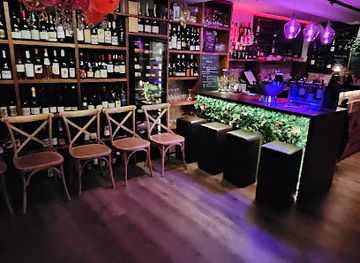
Mistral Wine Bar
Discover the exquisite Mistral Wine Bar in Echternach, where fine wines and a cozy atmosphere create unforgettable moments.
4 min walk · 0.3 km from city centre
-
Soccer club
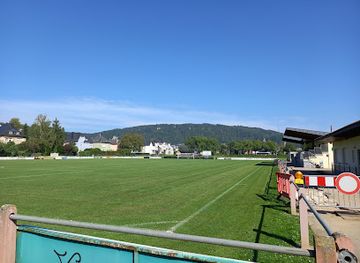
Daring Club Echternach
Experience the passion of soccer at Daring Club Echternach, the heart of local sports culture in Luxembourg's picturesque town.
8 min walk · 0.6 km from city centre
Best shops in Echternach
Shopping in Echternach is centred on small town-centre retailers, cafés and practical local businesses rather than large commercial complexes. The market square and adjoining streets are the natural places to browse for Luxembourg food products, regional wines, confectionery, books, gifts and locally themed souvenirs. Seasonal markets and craft events can add stalls selling handmade goods, decorations and produce, although their timing changes during the year. Visitors interested in the town’s heritage may find books and reproductions connected with Saint Willibrord, the abbey and the Dancing Procession, while nearby Mullerthal businesses often stock walking maps and outdoor equipment. The retail experience is compact and unhurried, with more emphasis on regional character and everyday town life than on international fashion or luxury shopping.
-
Shopping mall
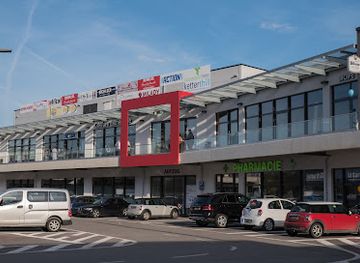
Nonnemillen Center
Explore Nonnemillen Center: A Shopping Paradise in Echternach with Diverse Shops, Dining, and Entertainment for All Ages.
18 min walk · 1.4 km from city centre
-
Shopping mall
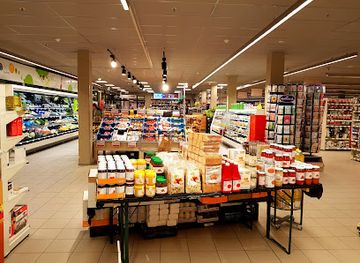
AD Delhaize
Experience the essence of local shopping at AD Delhaize in Echternach, where convenience meets quality in a vibrant atmosphere.
16 min walk · 1.3 km from city centre
-
Gift shop
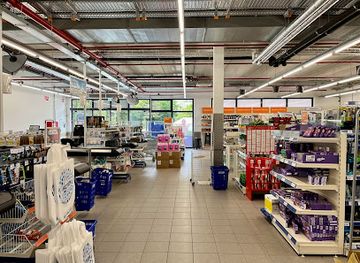
Action
Explore Action in Echternach for a unique shopping experience featuring gifts, home goods, and hobby supplies, perfect for tourists and locals alike.
18 min walk · 1.4 km from city centre
-
Clothing store
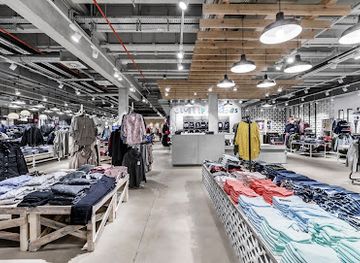
OLYMP&HADES
Explore the unique fashion offerings at OLYMP&HADES, a stylish clothing store in Echternach, blending quality with local charm.
18 min walk · 1.5 km from city centre
Get your free copy of our complete guide to Echternach, delivered straight to you.
Everything on this page, from attractions and restaurants to essentials and local phrases, in one PDF you can read offline, print or share.
Already have an account? Sign in
Your Echternach guide is ready.
We'll send it to · Not you? Sign out

Getting your guide ready…
We are putting together a fresh copy of the Echternach guide. This can take up to a minute.
This can take a few moments. If your browser asks, choose Allow so the download can start. You'll find the guide in your Downloads folder.
Nothing happened? Download it again
Sorry, the guide is taking longer than usual. Please try again in a minute, or get it by email instead.
Echternach essentials
Currency and Payment
Safety
Emergency Situations
Do's and Don'ts
Local Tips
From Eve
Local phrases worth knowing
You don't need to get them perfect. A few words go a long way, and locals appreciate the effort.
Basics
| English | Local | Say it |
|---|---|---|
| Hello | Moien | [mwɑɪən] |
| Goodbye | Äddi | [ɛdi] |
| Yes | Jo | [jo] |
| No | Nee | [neː] |
| Please/You're welcome | Wann ech gelift | [van ɛç ɡəlɪft] |
| Thank you | Merci | [mɛʁsi] |
| Excuse me/Sorry | Entschëllegt | [ɛntʃɜləʃt] |
| How are you? | Wéi geet et dir? | [vɛi ɡeːt ɛt diːɐ] |
| Fine. And you? | Gutt. An du? | [ɡut ɑn du] |
| Do you speak English? | Schwätzt dir Englesch? | [ʃvɛts diːɐ ɛŋləʃ] |
| I don't understand | Ech verstinn net | [ɛç fəʁʃtiːn nɛt] |
Eating & Drinking
| English | Local | Say it |
|---|---|---|
| I'd like to see the menu, please | Ech géif gär d'Menü gesinn, w.e.g. | [ɛʃ ɡeːf ɡeːɐ dəˈməny ɡəzɪn veː ɛː ɡeː] |
| I don't eat meat | Ech iessen keng Fleesch | [ɛʃ iːsən keŋ flɛːʃ] |
| Cheers! | Prost! | [pʁɔst] |
| I would like to pay, please | Ech géif gär bezuelen, w.e.g. | [ɛʃ ɡeːf ɡeɐ beˈtsʊlən veː ɛː ɡeː] |
Emergencies
| English | Local | Say it |
|---|---|---|
| Help! | Hëllef! | [hɛləf] |
| Go away! | Géi ewech! | [ɡəi əvɛɕ] |
| Call the Police! | Ruff d'Polizei! | [ʁʊf dpoliˈʦai] |
| Call a doctor! | Ruff en Dokter! | [ʁʊf ən ˈdɔktɐ] |
| I'm lost | Ech hunn mech verluer | [ɛʃ hʊn məʃ fɛʁluəʁ] |
| I'm ill | Ech sinn krank | [ɛʃ sɪn kʁaŋk] |
Shopping
| English | Local | Say it |
|---|---|---|
| I'd like to buy... | Ech géif ... kafen | [ɛʃ ɡeːf ... ˈkɑfən] |
| I'm just looking | Ech kuck just | [ɛʃ kʊk just] |
| How much is it? | Wéi vill kascht dat? | [vɛi fɪl kast da] |
| That's too expensive | Dat ass ze deier | [dat ɑs tsə deːɐ] |
| Can you lower the price? | Kënnt dir den Präis erofsetzen? | [kənt diːɐ deːn prɛɪs ˈeʁɔfzɛʦən] |
Time & Numbers
| English | Local | Say it |
|---|---|---|
| What time is it? | Wéi spéit ass et? | [vɛi ʃpɛɪt ɑs ɛt] |
| It's one o'clock | Et ass eppeséng | [ɛt ɑs ˈɛpəzeŋ] |
| Half past (10) | Hallef zéng | [haˈlɛf zeŋ] |
| Morning | Muer | [muəʁ] |
| Afternoon | Nomëttern | [noˈmɛtən] |
| Evening | Owend | [ˈoʋənt] |
| Yesterday | Gëschter | [ˈɡəʃtɐ] |
| Today | Haut | [ho] |
| Tomorrow | Muer | [muəʁ] |
| 1 | Eng | [eŋ] |
| 2 | Zwei | [t͡svaɪ] |
| 3 | Dräi | [dʀɛɪ] |
| 4 | Véier | [ˈveɪər] |
| 5 | Fënnef | [ˈfɜnəf] |
| 6 | Sechs | [zeːʃs] |
| 7 | Siwen | [ˈsiwən] |
| 8 | Aacht | [aːçt] |
| 9 | Néng | [neŋ] |
| 10 | Zéng | [zeŋ] |
Transport & Directions
| English | Local | Say it |
|---|---|---|
| Where's a/the...? | Wou ass e(n) ...? | [vu as ən] |
| What's the address? | Wat ass d'Adress? | [vat as dadres] |
| Can you show me (on the map)? | Kënnt dir mir dat weisen (op der Kaart)? | [kənt diːɐ miːʁ dat vaɪzən ɔp dɐ kaːt] |
| When's the next (bus)? | Wénn ass de(n) nächste(n) (Bus)? | [vɛn as dən næxtən bus] |
| A ticket (to ....) | Ee Billett (no ....) | [eː bɪlɛt no] |
History of Echternach
Roman Roots beside the Sûre
The Echternach area was occupied before the Middle Ages, and Roman settlement is represented most clearly by the Roman villa west of the present town. The substantial estate complex, developed during the Roman period, indicates agricultural production and an organised rural economy linked to the wider network of Roman roads and settlements. Its surviving foundations and reconstructed features provide evidence of a landscape that was already connected to broader political and commercial systems long before Echternach became an important religious centre. The Roman remains also help explain the area’s enduring strategic value: the Sûre valley offered fertile land and a route through the eastern Luxembourg borderlands.
Willibrord and the Abbey Foundation
Echternach’s medieval history begins with the Anglo-Saxon missionary Willibrord, who founded an abbey here in 698 with the support of Irmina of Oeren. Willibrord became the first bishop of Utrecht and was buried at Echternach after his death in 739, turning the abbey into a major pilgrimage destination. The foundation was granted extensive lands and privileges, enabling it to become both a religious institution and an economic power. Its location in the former Austrasian sphere placed Echternach within the Christianisation of north-western Europe, while Willibrord’s tomb established the spiritual focus that continues to shape the town’s identity.
The Medieval Scriptorium
During the early Middle Ages, Echternach Abbey became renowned for manuscript production. Its scriptorium produced richly decorated books associated with the so-called Echternach style, whose interlaced ornament, vivid colour and distinctive figurative work influenced medieval illumination beyond the region. The abbey’s intellectual importance was supported by its landholdings, religious networks and connections with rulers of the Frankish and later imperial world. Although the original manuscripts are dispersed among major collections, the town’s museums and abbey heritage preserve the memory of this artistic achievement. Echternach’s medieval prosperity also helped establish the town’s enduring urban form around the religious precinct and market area.
A Walled Town and Regional Centre
Echternach developed into a fortified town during the medieval period, with walls, gates and towers protecting a settlement that combined ecclesiastical authority with trade and civic administration. The town received a charter in 1236, reflecting its established role within the surrounding territory. Its market square, public buildings and churches grew alongside the abbey, creating the mixture of religious and civic architecture visible today. The town’s position on the Sûre also encouraged contact with neighbouring regions now divided between Luxembourg and Germany. Wars and political changes repeatedly affected the borderlands, but Echternach retained its importance as a local centre.
Secularisation and State Transformation
The French Revolutionary period brought a decisive break with the abbey’s traditional power. French forces occupied the region in the 1790s, and the abbey was secularised in 1797; its property was sold and its religious community dispersed. The complex subsequently passed through changing uses as political authority in Luxembourg was reorganised. The Congress of Vienna established the Grand Duchy of Luxembourg in 1815, placing Echternach within the modern state while the Sûre increasingly marked an international boundary. The loss of the abbey’s former institutional role altered the town’s economy, but its buildings and the cult of Saint Willibrord continued to anchor local identity.
War, Reconstruction and Living Heritage
Echternach suffered serious damage during the Second World War, particularly during the Battle of the Bulge in 1944 and 1945. Parts of the historic fabric, including the basilica, required extensive restoration, and post-war rebuilding sought to retain the town’s medieval character while adapting it to modern life. The Dancing Procession, rooted in the veneration of Saint Willibrord and documented over many generations, remained a central expression of communal identity. In 2010 it was inscribed on UNESCO’s Representative List of the Intangible Cultural Heritage of Humanity. Contemporary Echternach therefore presents both reconstructed architecture and a tradition that continues to connect the town with its early religious history.
Echternach in Photos
Browse through our photo collection highlighting the charm and character of the destination.
Cities near Echternach
The closest cities to Echternach, if you have time for more than one stop.
-

-
-

-

-


Swipe for more cities
Explore more

Explore more of Luxembourg
Discover Luxembourg: A charming blend of historical wonders, breathtaking landscapes, and cultural vibrancy in the heart of Europe.
Explore Luxembourg