

Nyika Plateau, Malawi Travel Guide
Discover the Nyika Plateau, Malawi's largest national park, featuring cool highland climates, diverse wildlife, and stunning landscapes perfect for hiking and birdwatching.
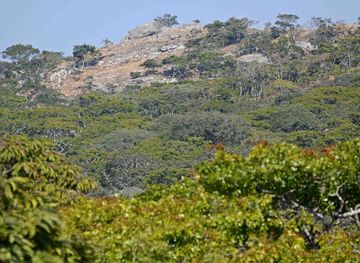
The Nyika Plateau, a sprawling highland region in northern Malawi, is a breathtaking destination for any nature lover. Covering 3,200 square kilometers, its rolling grasslands, rich forests, and sweeping valleys create a unique landscape that is both dramatic and serene. The plateau's elevation, ranging from 1,800 to 2,600 meters, ensures a cool climate year-round, making it an ideal retreat from Malawi's lowland heat. The Nyika National Park, located within the plateau, is the largest national park in Malawi and offers a sanctuary for a diverse array of wildlife. Visitors can expect to see zebras, roan antelopes, and over 400 species of birds, making it a paradise for birdwatchers. The park is also home to leopard, hyena, and various smaller mammals. The flora is equally impressive, with rolling hills covered in wildflowers, orchids, and proteas during the rainy season, creating a stunning tapestry of colors. For those seeking adventure, the Nyika Plateau offers numerous hiking and biking trails that wind through its diverse landscapes. The plateau’s vast open spaces and scenic vistas provide a sense of freedom and solitude seldom found in more crowded tourist destinations. Additionally, the Chelinda Lodge and Chelinda Camp offer comfortable accommodations with panoramic views, ensuring a memorable stay. Cultural experiences are also on offer, with local guides providing insight into the traditions and lifestyles of the nearby communities. Whether you're a nature enthusiast, an avid hiker, or someone looking to immerse yourself in local culture, the Nyika Plateau is a destination that promises to captivate and inspire.

Know before you go
Hi, I'm Eve. Here are a few practical things to know before exploring Nyika Plateau.
- Bring warm clothing, as the high altitude can result in chilly temperatures, especially at night.
- Hire a local guide to enhance your experience and learn more about the flora, fauna, and local culture.
- Visit during the rainy season (November to April) to see the plateau in full bloom with wildflowers and orchids.
- Pack binoculars and a camera to capture the abundant birdlife and stunning panoramic views.
- Stay at Chelinda Lodge or Chelinda Camp for comfortable accommodations with breathtaking views.
Destinations in Nyika Plateau
Resorts, valleys and scenic spots worth a trip of their own.
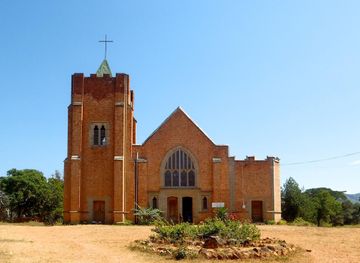
Explore Nyika Plateau: Things to Do, Places to Eat, Hotels & More
Handpicked recommendations for top attractions, local dining, accommodations, and more

Top Attractions & Sightseeing in Nyika Plateau


Best restaurants in Nyika Plateau
Top-rated picks
Best Restaurants

Local restaurant
Experience authentic Malawian cuisine at this charming restaurant in Livingstonia - a culinary gem showcasing local flavors.
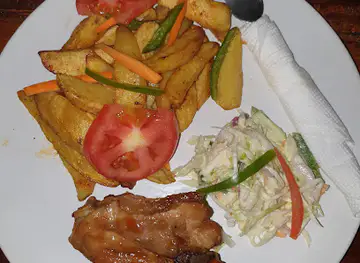
DOVES EATERY
Discover Doves Eatery: A welcoming family-friendly restaurant in Livingstonia serving delicious local and international cuisine amidst stunning landscapes.

Lovers Nest Restaurant
Experience romance and exquisite dining at Lovers Nest Restaurant in Livingstonia - where breathtaking views meet delightful flavors.

Best bars in Nyika Plateau
Top-rated picks
Best Bars
Adios resort
Experience the vibrant culinary scene at Adios Resort in Rhumpi, where local flavors meet exceptional service in a stunning atmosphere.

Local restaurant
Experience the authentic flavors of Malawi at this charming local restaurant in Livingstonia, perfect for tourists seeking a taste of tradition.

DOVES EATERY
Experience a delightful family-friendly dining adventure at Doves Eatery in Livingstonia, where local flavors meet warm hospitality.

Henry's Fish And Chips And Chicken
Experience the delightful taste of local cuisine at Henry's Fish And Chips And Chicken, where every bite is a celebration of flavor.


Best shops in Nyika Plateau
Top-rated picks
Best Shops

Nyika National Park
Experience the breathtaking landscapes and rich biodiversity of Nyika National Park, a hidden gem in the heart of Malawi's wilderness.

Chelinda Lodge
Discover the serene beauty of Chelinda Lodge, a perfect retreat for nature lovers and adventure seekers in Malawi's stunning landscapes.

Mall of Africa
Discover a world of shopping and entertainment at the Mall of Africa in Blantyre, Malawi, where culture meets commerce.

Sanaa Shopping Mall
Explore Sanaa Shopping Mall in Karonga for a delightful mix of shopping, dining, and local culture, perfect for every tourist's itinerary.

Explore Nyika Plateau on the Map
A handpicked selection of must-see spots in Nyika Plateau, mapped for you.
Nyika Plateau Essentials
-
Nyika Plateau is located in northern Malawi and is accessible by various means of transportation. The nearest major airport is Lilongwe International Airport, approximately 500 kilometers away. From Lilongwe, you can rent a car or arrange for a private transfer to the plateau. The drive typically takes around 8 to 9 hours. Alternatively, you can take a domestic flight from Lilongwe to Mzuzu Airport, which is closer to Nyika Plateau. From Mzuzu, it's about a 3-hour drive to the plateau. Some tour operators offer guided tours that include transportation to and from the plateau.
-
Once on Nyika Plateau, the primary mode of transportation is by 4x4 vehicles due to the rugged terrain. Some lodges and camps provide guided game drives, which are a convenient way to explore the area. Walking and cycling are also popular options for getting around, allowing you to experience the landscape up close. Public transportation is limited, so it's advisable to arrange for private transport or join a tour.
-
The official currency in Malawi is the Malawian Kwacha (MWK). Credit cards are accepted at some lodges and larger establishments, but it is advisable to carry cash for smaller transactions and in remote areas. There are no ATMs on Nyika Plateau, so make sure to withdraw sufficient cash before leaving Mzuzu or Lilongwe. Foreign currencies are generally not accepted in rural areas.
-
Nyika Plateau is generally a safe destination for tourists. However, basic precautions should be taken. Avoid walking alone at night and keep your belongings secure. There are no specific high-crime areas targeting tourists on the plateau. Wildlife encounters are more of a concern; always follow the guidelines provided by your lodge or guide to ensure your safety.
-
In case of emergency, dial 997 for police assistance and 998 for medical emergencies. Medical facilities on Nyika Plateau are limited, so it is strongly recommended to have travel insurance that covers medical evacuation. Some lodges have basic first aid kits and can assist in minor emergencies. For serious medical issues, the nearest hospital is in Mzuzu, about a 3-hour drive from the plateau.
-
Fashion: Do wear comfortable, weather-appropriate clothing and sturdy shoes for walking. Avoid bright colors that may startle wildlife. Religion: Do respect local customs and traditions. There are no specific religious sites on the plateau, but general respect is appreciated. Public Transport: Do be patient and respectful if using local transportation options. Don't expect punctuality. Greetings: Do greet people with a smile and a handshake. A basic greeting in Chichewa, the local language, is always appreciated. Eating & Drinking: Do try local dishes and accept food offerings graciously. Don't waste food, as it is considered impolite.
-
To experience Nyika Plateau like a local, visit the small villages around the plateau and interact with the local communities. Participate in traditional activities such as basket weaving or learning about local medicinal plants. The plateau is known for its stunning wildflowers, so consider visiting during the rainy season (November to April) when the flora is in full bloom. Birdwatching is another popular activity; bring binoculars to make the most of it.
When is the best time to visit Nyika Plateau?
Useful Local Phrases for Nyika Plateau
You don't need to speak the language perfectly. Even learning a few simple words can make conversations warmer—and locals usually appreciate the effort.
— Eve

Here are the phrases I use most often in Nyika Plateau. Try a few—you'll be surprised how far they go! 😊
❤️
-
- HelloMoni
[moh-nee] - GoodbyeTsalani bwino
[tsah-lah-nee bwee-no] - YesInde
[een-day] - NoAyi
[ah-yee] - Please/You're welcomeChonde
[chon-day] - Thank youZikomo
[zee-koh-moh] - Excuse me/SorryPepani
[peh-pah-nee] - How are you?Muli bwanji?
[moo-lee bwahn-jee] - Fine. And you?Ndili bwino. Inu?
[ndee-lee bwee-no. ee-noo?] - Do you speak English?Mukudziwa Chingerezi?
[moo-koo-dwee-wah cheen-geh-reh-zee] - I don't understandSindingaone
[seen-deen-gah-oh-neh]
- HelloMoni
-
- I'd like to see the menu, pleaseNdikufuna kuona menyu, chonde
[ndee-koo-fuh-nah koo-oh-nah meh-nyoo chon-day] - I don't eat meatSindikudya nyama
[seen-dee-koo-jah nyah-mah] - Cheers!Kuwala!
[koo-wah-lah] - I would like to pay, pleaseNdikufuna kulipira, chonde
[ndee-koo-fuh-nah koo-lee-pee-rah chon-day]
- I'd like to see the menu, pleaseNdikufuna kuona menyu, chonde
-
- Help!Thandizani!
[than-dee-zah-nee] - Go away!Tengani!
[ten-gah-nee] - Call the Police!Yanjani apolisi!
[yan-jah-nee ah-poh-lee-see] - Call a doctor!Yanjani dokotala!
[yan-jah-nee doh-koh-tah-lah] - I'm lostNdakhalamo
[ndah-khah-lah-mo] - I'm illNdili ndi matenda
[ndee-lee n-dee mah-ten-dah]
- Help!Thandizani!
-
- I'd like to buy...Ndikufuna kugula...
[ndee-koo-fuh-nah koo-goo-lah] - I'm just lookingNdikungotenga
[ndee-koong-oh-tay-ngah] - How much is it?Ichi ndi chingati?
[ee-chee ndee cheen-gah-tee] - That's too expensiveIzi zili mtengo wopanda
[ee-zee zee-lee m-ten-go wo-pahn-dah] - Can you lower the price?Mungathe kuthetsa mtengo?
[moon-gah-theh koo-tay-tseh m-ten-go]
- I'd like to buy...Ndikufuna kugula...
-
- What time is it?Nthawi itani?
[n-thah-wee ee-tah-nee] - It's one o'clockIchi ndi saa imwe
[ee-chee ndee sah ee-mweh] - Half past (10)Pafupifupi (10)
[pah-foo-pee-foo-pee] - MorningM'mawa
[mm-mah-wah] - AfternoonMadzulo
[mah-dzoo-lo] - EveningMadzulo
[mah-dzoo-lo] - YesterdayDziwani
[dzee-wah-nee] - TodayLero
[leh-ro] - TomorrowMaola
[mah-oh-lah] - 1Imodzi
[ee-moh-dzee] - 2Ziwiri
[zee-wee-ree] - 3Zitatu
[zee-tah-too] - 4Zina
[zee-nah] - 5Tsanu
[tsah-noo] - 6Tseka
[tseh-kah] - 7Tisanu
[tee-sah-noo] - 8Sankhanu
[sahn-khah-noo] - 9Kunarana
[koo-nah-rah-nah] - 10Kumi
[koo-mee]
- What time is it?Nthawi itani?
-
- Where's a/the...?Kuli kuti ...?
[koo-lee koo-tee] - What's the address?Kuti ndi chani?
[koo-tee ndee chah-nee] - Can you show me (on the map)?Mungathe kunditengela (pa chithunzi)?
[moon-gah-theh koon-dee-tain-gay pah chee-thoon-zee] - When's the next (bus)?Kuti boti ikubwera?
[koo-tee boh-tee ee-koo-bwe-rah] - A ticket (to ....)Tikiti (ku ...)
[tee-kee-tee koo]
- Where's a/the...?Kuli kuti ...?
History of Nyika Plateau
-
The Nyika Plateau has been home to various indigenous groups for centuries. Archaeological evidence suggests that early Bantu-speaking peoples settled here, attracted by the fertile soil and abundant wildlife. These early inhabitants practiced agriculture, hunting, and gathering, forming the foundation of the cultural landscape we see today.
-
During the British colonial period, the Nyika Plateau became an area of interest due to its unique ecosystem and biodiversity. The British colonial administration designated the area as a protected region in the early 20th century. In 1965, Nyika National Park was officially established, becoming one of Malawi's first national parks. The park aimed to conserve the plateau’s rich flora and fauna while promoting tourism.
-
Nyika Plateau played a subtle yet significant role in Malawi's struggle for independence. The rugged terrain and remote location provided a safe haven for political activists and freedom fighters who opposed British colonial rule. These groups used the plateau as a base for organizing and strategizing, contributing to the broader movement that eventually led to Malawi gaining independence in 1964.
-
Nyika Plateau is renowned for its diverse flora and fauna, which are integral to the region's cultural heritage. The plateau is home to endemic species such as the Nyika red forest duiker and the rare Nyika dwarf chameleon. The unique montane grasslands and forests have been a source of inspiration for local folklore and traditions, deeply embedding the natural environment into the cultural fabric of the communities living around the plateau.
-
The communities surrounding Nyika Plateau have a rich tapestry of cultural practices and traditions. The Tumbuka people, one of the major ethnic groups in the region, are known for their vibrant dances, music, and storytelling. Traditional ceremonies often take place in the shadow of the plateau, celebrating harvests, marriages, and rites of passage. These cultural practices are a testament to the enduring connection between the people and the land.
-
In recent decades, efforts have been made to balance conservation with the needs of local communities. Various NGOs and government initiatives have focused on sustainable tourism, anti-poaching measures, and community engagement. Despite these efforts, the Nyika Plateau faces modern challenges such as climate change, deforestation, and human-wildlife conflict, which continue to shape the region's future.
Neighbouring Regions of Nyika Plateau
The closest regions to Nyika Plateau, if you have time for more than one.




Your all‑in‑one travel companion app
Explore expert travel guides, compare and book tours, experiences, hotels, and more—all from the palm of your hand. Download now for seamless trip planning wherever your wanderlust takes you.


Explore More of Malawi

Looking beyond Nyika Plateau? Discover Malawi for broader travel guides, local hot-spots, and regional highlights.
Explore MalawiNyika Plateau in Photos
Browse through our photo collection highlighting the charm and character of the destination.


Nyika Plateau: Malawi's Hidden Highland Gem
The Nyika Plateau, a sprawling highland region in northern Malawi, is a breathtaking destination for any nature lover. Covering 3,200 square kilometers, its rolling grasslands, rich forests, and sweeping valleys create a unique landscape that is both dramatic and serene. The plateau's elevation, ranging from 1,800 to 2,600 meters, ensures a cool climate year-round, making it an ideal retreat from Malawi's lowland heat. The Nyika National Park, located within the plateau, is the largest national park in Malawi and offers a sanctuary for a diverse array of wildlife. Visitors can expect to see zebras, roan antelopes, and over 400 species of birds, making it a paradise for birdwatchers. The park is also home to leopard, hyena, and various smaller mammals. The flora is equally impressive, with rolling hills covered in wildflowers, orchids, and proteas during the rainy season, creating a stunning tapestry of colors. For those seeking adventure, the Nyika Plateau offers numerous hiking and biking trails that wind through its diverse landscapes. The plateau’s vast open spaces and scenic vistas provide a sense of freedom and solitude seldom found in more crowded tourist destinations. Additionally, the Chelinda Lodge and Chelinda Camp offer comfortable accommodations with panoramic views, ensuring a memorable stay. Cultural experiences are also on offer, with local guides providing insight into the traditions and lifestyles of the nearby communities. Whether you're a nature enthusiast, an avid hiker, or someone looking to immerse yourself in local culture, the Nyika Plateau is a destination that promises to captivate and inspire.