

Sidi Yahiya Mosque, Timbuktu Region Travel Guide
Explore the historical Sidi Yahiya Mosque in Timbuktu, a UNESCO World Heritage Site and a symbol of Islamic learning and Sudano-Sahelian architecture.
The Sidi Yahiya Mosque, dating back to the 15th century, stands as a symbol of faith and learning in Timbuktu, Mali. Its Sudano-Sahelian architecture and historical importance make it a must-see.
A brief summary to Sidi Yahiya Mosque
- QXCV+W49, Timbuktu, ML
- Click to display

Know before you go
Hi, I'm Eve. Here are a few practical things to know before exploring Sidi Yahiya Mosque.
- Visit during the cooler months (November to February) for a more comfortable experience.
- Engage with local guides to learn more about the mosque's history and cultural significance.
- Respectful attire is recommended when visiting the mosque.
Do you manage this location?
Take control to get all the benefits, like improved information, better appearance, and stronger visibility across AI-powered discovery. Learn more about listing your business on Evendo
Activate your presenceOther nearby places you may find interesting
The closest places of the same kind, if this one is not quite what you had in mind.
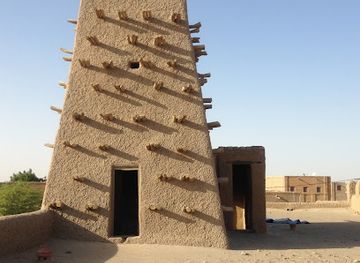
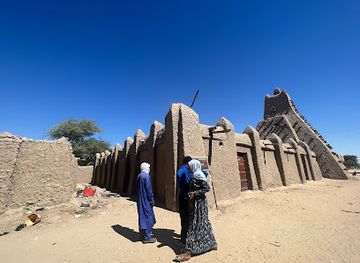
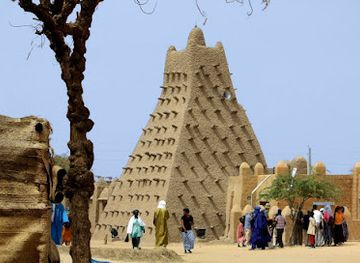
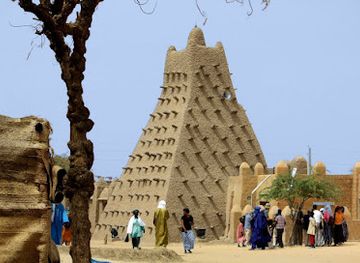
Explore Sidi Yahiya Mosque on the Map
A handpicked selection of must-see spots near Sidi Yahiya Mosque, mapped for you.
Getting There
-
Walking
The Sidi Yahiya Mosque is located in the center of Timbuktu, making it easily accessible on foot from most points in the city. From the Grand Marché, walk approximately 500 meters. The mosque is well-known, so asking locals for directions is also an option.
-
Taxi
Taxis are available in Timbuktu. A short taxi ride from the Timbuktu Airport (TOM) to the Sidi Yahiya Mosque, located in the city center, costs approximately $8 USD. Confirm the fare with the driver before starting your journey.
Discover more about Sidi Yahiya Mosque













Your all‑in‑one travel companion app
Explore expert travel guides, compare and book tours, experiences, hotels, and more—all from the palm of your hand. Download now for seamless trip planning wherever your wanderlust takes you.


Explore More of Timbuktu Region
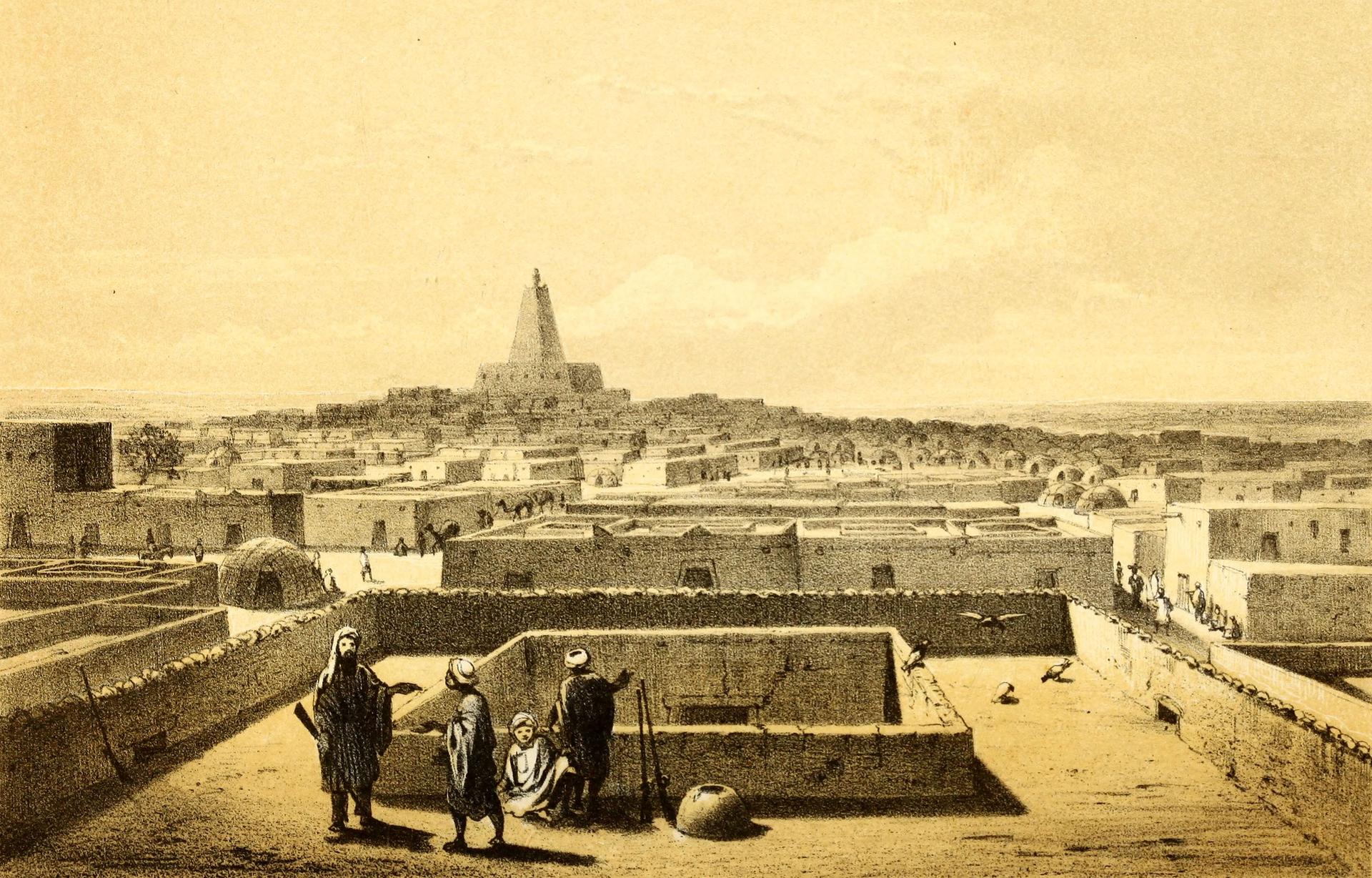
Looking beyond Sidi Yahiya Mosque? Discover Timbuktu Region for broader travel guides, local hot-spots, and regional highlights.
Explore Timbuktu Region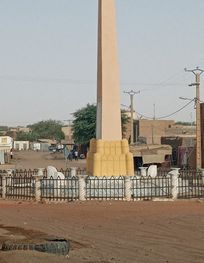
Reflect on Mali's journey to freedom at this peaceful park in Timbuktu, a tribute to the nation's heroes and a serene escape.
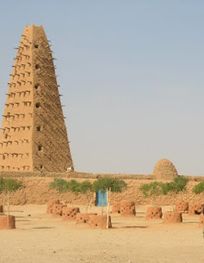
Discover Mali's cultural heritage at the Ethnological Museum Timbuktu, showcasing traditions, artifacts, and the city's historical legacy.
