Skorba, Central Region Travel Guide
Explore Skorba, a UNESCO site in Mgarr, Malta, revealing the secrets of Neolithic life through its ancient temples and village remains.
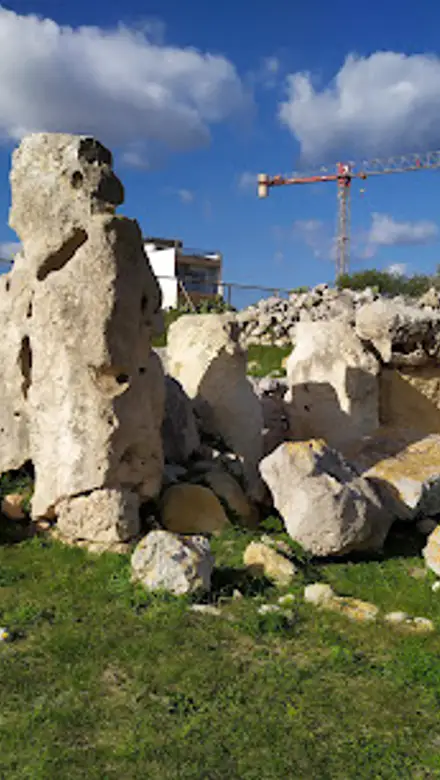
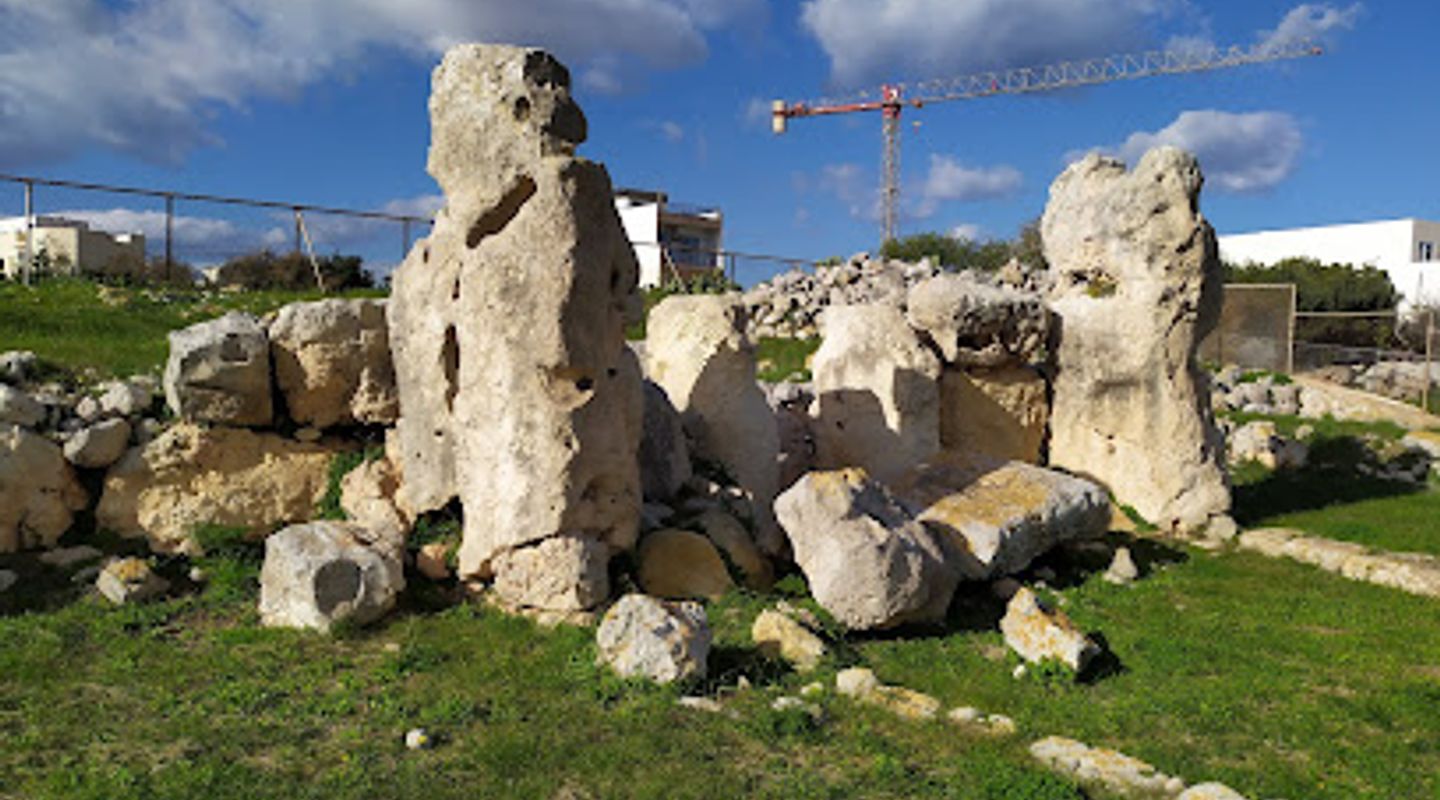
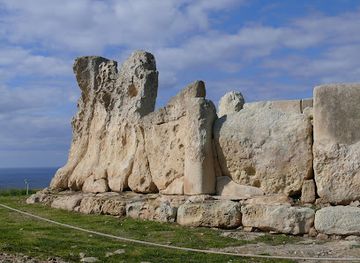
Skorba is a UNESCO World Heritage Site located near Mġarr, Malta, featuring the ruins of two megalithic temples dating back to 3600-2500 BC, along with remains of an earlier Neolithic village. Though less imposing than other temple sites, Skorba offers unique insights into the daily life and religious practices of Malta's prehistoric inhabitants.
A brief summary to Skorba
- Triq L-Imqades, Mġarr, MT
- Click to display
- Click to display
- Monday 10 am-6 pm
- Tuesday 10 am-6 pm
- Wednesday 10 am-6 pm
- Thursday 10 am-6 pm
- Friday 10 am-6 pm
- Saturday 10 am-6 pm
- Sunday 10 am-6 pm

Know before you go
Hi, I'm Eve. Here are a few practical things to know before exploring Skorba.
- Purchase tickets online in advance from Heritage Malta to guarantee entry, as only 15 visitors are allowed on-site at a time.
- Combine your visit to Skorba with the nearby Ta' Ħaġrat temples, located approximately one kilometer away.
- Wear comfortable shoes for walking on uneven ground.
Do you manage this location?
Take control to get all the benefits, like improved information, better appearance, and stronger visibility across AI-powered discovery. Learn more about listing your business on Evendo
Activate your presenceOther nearby places you may find interesting
The closest places of the same kind, if this one is not quite what you had in mind.
Explore Skorba on the Map
A handpicked selection of must-see spots near Skorba, mapped for you.
Unlock the Best of Skorba
Buy tickets
-
No tickets available
Book tours with entry


Book tours without entry
-
No tours available
Getting There
-
Public Transport
From Valletta, take bus number 44 towards Mġarr. The journey takes approximately 1 hour and 30 minutes. Alight in Mġarr and walk for approximately 15 minutes to reach the Skorba temples. A single bus ticket costs around €2.
-
Taxi
From anywhere in Mġarr, a taxi ride to Skorba will be short and convenient. A 5km taxi ride in Mgarr costs about €13. Taxis are readily available, or can be booked through ride-hailing apps.
Discover more about Skorba













Your all‑in‑one travel companion app
Explore expert travel guides, compare and book tours, experiences, hotels, and more—all from the palm of your hand. Download now for seamless trip planning wherever your wanderlust takes you.


Explore More of Central Region
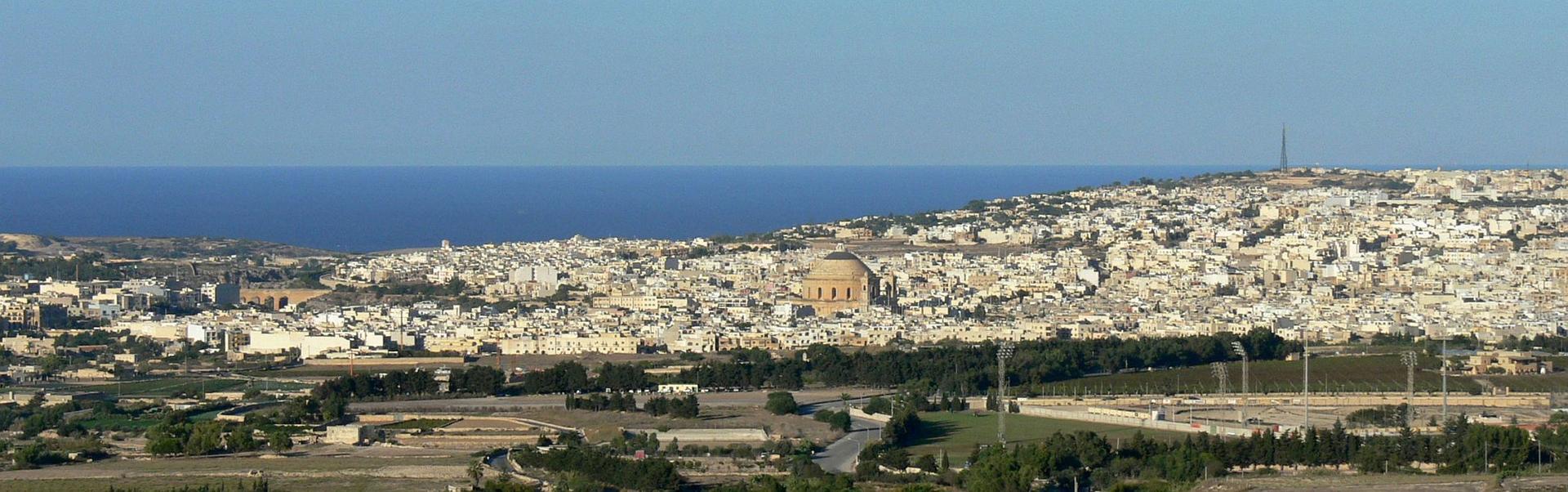
Looking beyond Skorba? Discover Central Region for broader travel guides, local hot-spots, and regional highlights.
Explore Central Region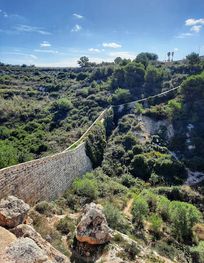
Explore the historical beauty and stunning views of Dwejra Lines, a captivating landmark in Rabat, Malta, rich in nature and culture.
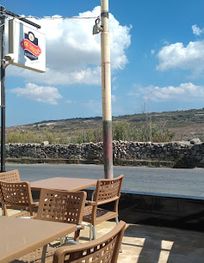
Experience the rich flavors of Malta at Ta' Soldi Restaurant, where authentic cuisine and a warm atmosphere create unforgettable dining moments.