

Free Central Region Travel Guide & Mobile App
Explore Central Region with free travel guides. Discover regional history, expert tips, proposed trips, and audio guides on web or mobile app.


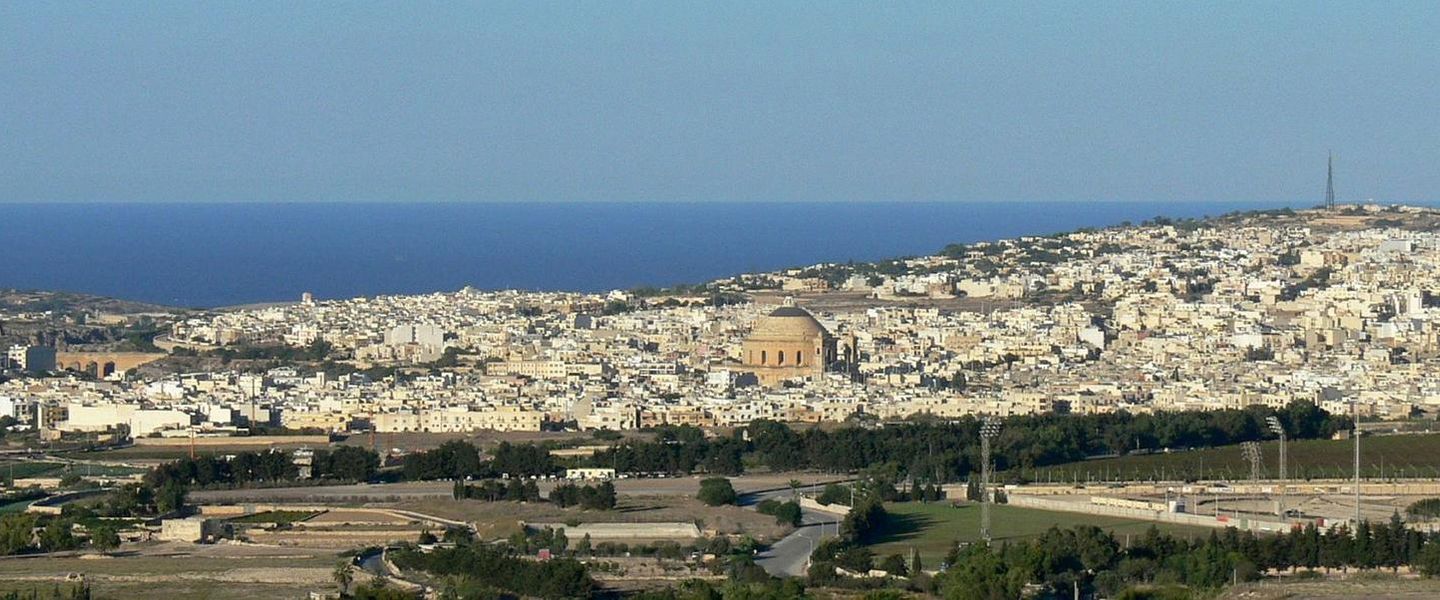


Explore Central Region, Malta, for Mdina’s walls, Mosta’s dome, historic villages, artisan crafts, gardens and the island’s archaeological heart.
Read more about Central Region
When is the best time to visit Central Region?
Best: May–June, September · 21–26°C| Month | High (°C) | Rainfall (mm) |
|---|---|---|
| January | 0 | 25 |
| February | 2 | 24 |
| March | 9 | 30 |
| April | 15 | 36 |
| May (best) | 21 | 45 |
| June (best) | 26 | 55 |
| July | 30 | 61 |
| August | 29 | 55 |
| September (best) | 23 | 50 |
| October | 17 | 40 |
| November | 8 | 36 |
| December | 1 | 31 |
Getting to and around Central Region
How to get there
Transportation
Top city travel guides in Central Region
The cities of Central Region, and the easiest places to base yourself.
-

-

-

-

-


Swipe for more cities
Best attractions in Central Region
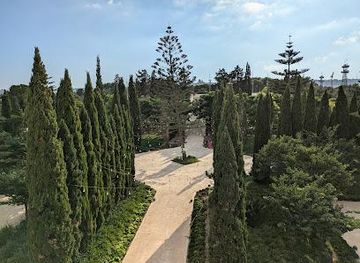
Central Region’s attractions are concentrated around a remarkably dense historic landscape. Mdina’s fortified streets, palaces and churches form the central cultural draw, while neighbouring Rabat adds the Domus Romana, St Paul’s Catacombs and other archaeological and religious sites. The combination makes the area valuable for understanding Malta from Roman antiquity through the medieval and Baroque periods rather than viewing history as a series of isolated monuments. Mosta offers a different experience through the Rotunda and its sizeable town centre, while Naxxar is associated with Palazzo Parisio and its formal gardens. Around Attard, San Anton Gardens provide shaded paths, ornamental planting and a quieter setting. Ta’ Qali contributes open green space, sports facilities and artisan workshops, where visitors can watch or purchase traditional Maltese crafts. Smaller parish churches, village squares and local museums add texture between the principal sights. The region also has opportunities for countryside walks across cultivated land and along rural lanes, although these are less formal than the island’s major coastal routes. A good itinerary alternates between ticketed heritage sites, gardens, village life and open landscapes, allowing Central Malta’s archaeological, architectural and contemporary character to emerge together.
-
Park
Il-Ġnien ta' Sant'Anton
Explore the lush gardens and historic charm of Il-Ġnien ta' Sant'Anton, a serene park in Balzan, Malta, perfect for relaxation and exploration.
-
National park
Park Nazzjonali Ta' Qali
Explore the serene landscapes and cultural heritage of Park Nazzjonali Ta' Qali, Malta's premier national park for nature lovers and adventurers.
-
Resort hotel
Ramla Bay Resort
Experience the ultimate relaxation and adventure at Ramla Bay Resort, a beautiful beachfront haven in Mellieħa, Malta.
-
Wedding venue
Palazzo Parisio
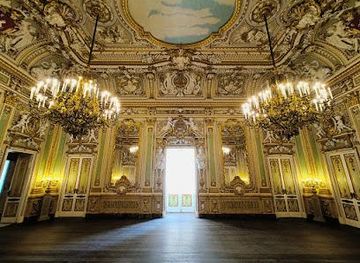
Experience the grandeur of Palazzo Parisio, a stunning Baroque palace in Naxxar, Malta, featuring exquisite gardens and fine dining options.
Best landmarks in Central Region
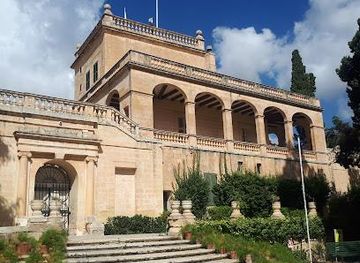
Mdina’s encircling walls and monumental gate are Central Region’s most recognisable landmarks, defining the skyline above the island’s interior and expressing the city’s former strategic importance. Within them, St Paul’s Cathedral and the Baroque streets around Cathedral Square demonstrate the rebuilding that followed the 1693 earthquake. In Rabat, the underground St Paul’s Catacombs and the remains of the Roman Domus Romana mark the area’s deeper antiquity, while the substantial parish churches show how religious institutions shaped village architecture. Mosta’s Rotunda is another dominant landmark: its vast dome, visible from surrounding roads and settlements, reflects the ambition of nineteenth-century Maltese church building. Palazzo Parisio in Naxxar represents aristocratic domestic architecture, with an elaborate interior and formal garden that contrast with the compact village streets beyond. San Anton Palace and Gardens in Attard add a landmark of political and horticultural importance, combining a historic residence with mature planting and water features. Together these places express Central Malta’s principal visual themes: fortified limestone, parish towers, subterranean archaeology, formal estates and the close relationship between historic buildings and modern settlement.
-
Theme park
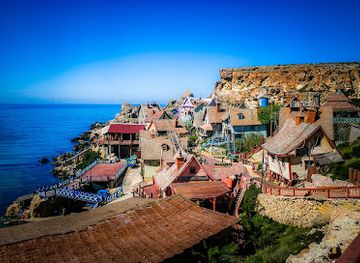
Popeye Village
Step into the world of Popeye! Explore the original 1980 film set, enjoy family-friendly attractions, and create unforgettable memories in Sweethaven Village.
-
Fountain
Triton Fountain
An iconic Modernist landmark at the entrance to Valletta, symbolizing Malta's connection to the sea and rich artistic heritage.
-
Cathedral
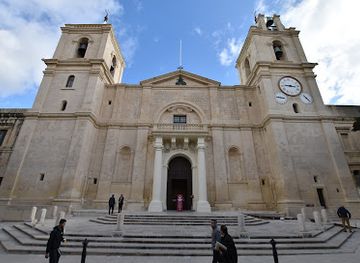
St. John's Co-Cathedral
Discover Baroque splendor in Valletta's iconic St. John's Co-Cathedral, a historical masterpiece adorned with art by Preti and Caravaggio.
-
Historical landmark
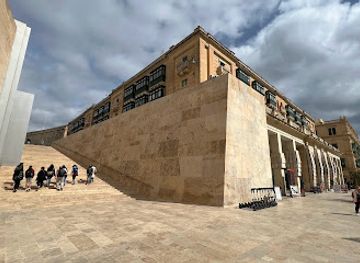
City Gate
A contemporary gateway to Valletta, blending modern design with centuries of history at the entrance to Malta's capital city.

Explore Central Region on the map
Plan your trip on one map. See where the top cities, national parks and sights are, and book hotels and experiences in a few clicks.
Best hotels in Central Region
Best restaurants in Central Region
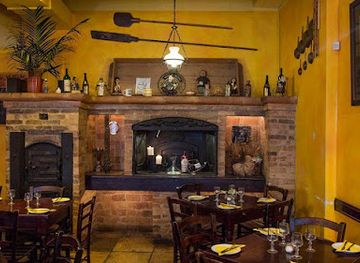
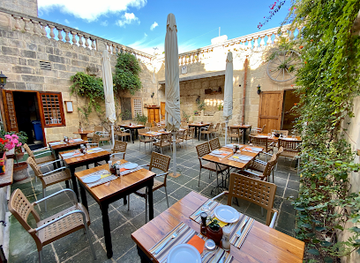
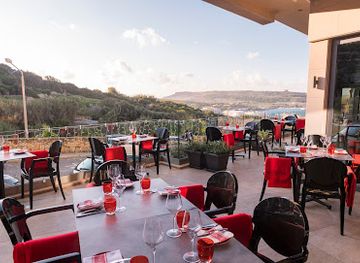
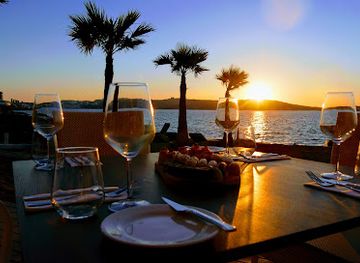
Central Malta offers a broad cross-section of Maltese eating, from bakery counters and village cafés to family restaurants, wine-led dining rooms and modern establishments in larger towns. Pastizzi, filled with ricotta or seasoned pea mixture, are an everyday favourite, while ftira, bigilla, ġbejniet and crusty Maltese bread reflect the island’s Mediterranean pantry. Traditional menus may include rabbit, baked pasta, fish when available and stews shaped by local domestic cooking, although recipes and preparation vary between businesses. Rabat and Mdina are natural places to look for meals within or beside historic streets, while Naxxar, Mosta, Attard and Birkirkara provide a wider range of contemporary restaurants and casual cafés. Local produce, olives, capers, tomatoes and honey appear in many forms, alongside Maltese wines and soft drinks such as Kinnie. Farmers’ markets and specialist food shops can be useful for picnic supplies, but opening days and locations vary, so check locally. Dining times can be later than some international visitors expect, and reservations are sensible for popular evening restaurants.
-
Maltese
Ta' Kris
Experience authentic Maltese cuisine at Ta' Kris Bistro in Sliema, where tradition meets Mediterranean flavors for an unforgettable dining experience.
-
Italian
Coogi's Restaurant & Tea Garden
Discover delightful Italian-Maltese cuisine at Coogi's Restaurant & Tea Garden in Mdina, featuring stunning views and an inviting atmosphere.
-
Mediterranean
one80 Kitchen & Lounge
Experience exquisite Mediterranean cuisine with breathtaking views at One80 Kitchen & Lounge in Mellieħa.
-
Restaurant
Nine Lives Malta
Experience exquisite dining at Nine Lives Malta - where authentic Maltese cuisine meets breathtaking views along St. Paul's Bay.
Best bars in Central Region
Evening life in Central Region is generally social and food-oriented rather than dominated by large nightclubs. Mdina and Rabat provide atmospheric places for a quiet drink or dinner, while village centres such as Naxxar, Mosta, Attard and Birkirkara have cafés, bars, wine venues and traditional Maltese pubs used by local communities. Some establishments show sport or host occasional live music, but the scale and schedule vary considerably. The region’s parish clubs and village squares can become especially active during festa periods, when decorations, bands and temporary activity alter the normal rhythm of the streets. Visitors should remember that these celebrations are religious and community occasions, not simply nightlife events. For late-night clubbing, the principal concentration is outside Central Region in the coastal entertainment areas around St Julian’s and Paceville; these are neighbouring destinations rather than part of the region. In central villages, plan around the last practical bus or use a taxi if staying out late.
-
Live music bar
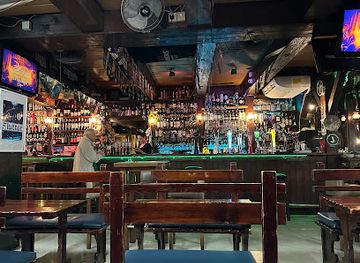
Black Gold Saloon
Discover the lively atmosphere and delicious cuisine at Black Gold Saloon in Sliema, Malta - a top destination for music lovers and foodies alike.
-
Restaurant
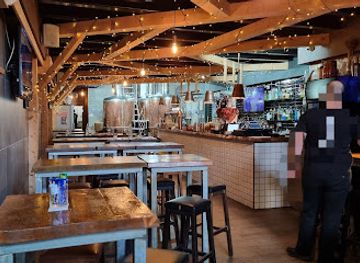
The Brew Grill & Brewery
Experience the essence of Maltese cuisine at The Brew Grill & Brewery, where craft beers and grilled specialties come together in a vibrant setting.
-
Restaurant
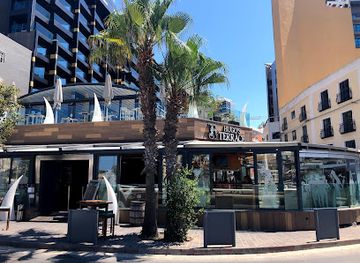
Hugo's Terrace & Rooftop
Discover culinary delights and stunning views at Hugo's Terrace & Rooftop, a premier dining destination in the heart of St Julian's, Malta.
-
Bar
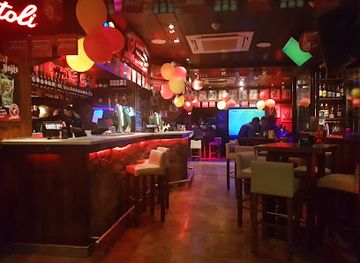
Bar Native
Experience the vibrant atmosphere and eclectic drinks at Bar Native, a must-visit bar in St. Julian's for an unforgettable nightlife experience.
Best nightclubs in Central Region
Evening life in Central Region is generally social and food-oriented rather than dominated by large nightclubs. Mdina and Rabat provide atmospheric places for a quiet drink or dinner, while village centres such as Naxxar, Mosta, Attard and Birkirkara have cafés, bars, wine venues and traditional Maltese pubs used by local communities. Some establishments show sport or host occasional live music, but the scale and schedule vary considerably. The region’s parish clubs and village squares can become especially active during festa periods, when decorations, bands and temporary activity alter the normal rhythm of the streets. Visitors should remember that these celebrations are religious and community occasions, not simply nightlife events. For late-night clubbing, the principal concentration is outside Central Region in the coastal entertainment areas around St Julian’s and Paceville; these are neighbouring destinations rather than part of the region. In central villages, plan around the last practical bus or use a taxi if staying out late.
-
Lounge
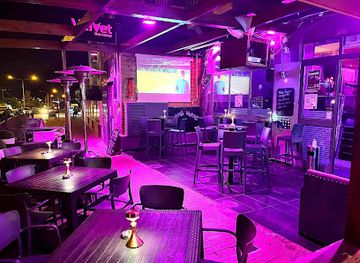
VELVET LOUNGE CLUB (SHISHA AND FOOD )
Experience a unique blend of shisha, cocktails, and culinary delights at Velvet Lounge Club in San Pawl il-Baħar, Malta.
-
Night club
Havana Club Malta
Discover the vibrant nightlife of Malta at Havana Club, a premier destination for unforgettable parties and electrifying music in St. Julian's.
-
Night club
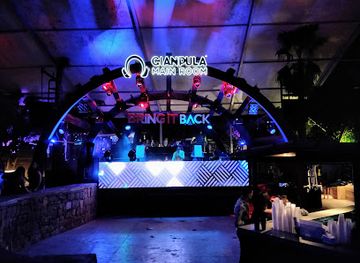
Gianpula Main Room
Discover the excitement of Gianpula Main Room, Malta's top nightlife destination, where music and energy come alive every night.
-
Night club
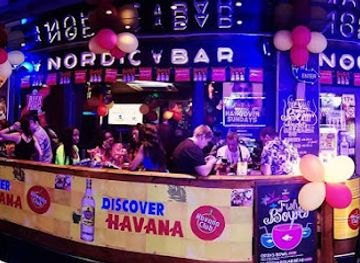
The Nordic Bar
Experience the electrifying nightlife at The Nordic Bar in St. Julian's, Malta, where great music and a vibrant atmosphere meet.

Best shops in Central Region
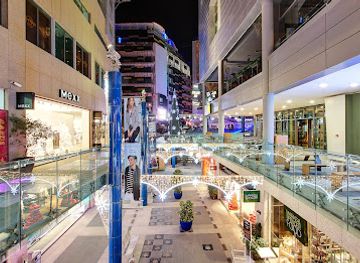
Shopping in Central Region is strongest in traditional town centres, craft areas and specialist food shops rather than in large destination malls. Mdina and Rabat have boutiques, galleries, bookshops and outlets selling items inspired by Maltese architecture, though visitors should distinguish locally made work from generic imports. Ta’ Qali’s artisan facilities are particularly useful for seeing and buying Maltese crafts such as glass, pottery, jewellery, silver filigree and decorative objects; availability and workshop activity can vary. Naxxar, Mosta and Birkirkara offer everyday high-street shopping, cafés and services, with a more local atmosphere than the resort districts. Look for Maltese honey, preserves, wine, liqueurs, olive products, biscuits and traditional sweets as practical food gifts, while village bakeries provide items to eat during a day’s touring. Markets and temporary stalls occur in different localities and may follow changing schedules, so verify dates locally rather than relying on a fixed weekly assumption. Small independent shops often close during the hottest afternoon period or observe local opening patterns.
-
Shopping mall
The Point Shopping Mall
Experience shopping, dining, and entertainment at The Point Shopping Mall in Sliema, Malta – a vibrant destination with stunning views.
-
Shopping mall
PAMA Shopping Mall
Discover the ultimate shopping experience at PAMA Shopping Mall in Mosta, Malta, where style meets convenience and entertainment.
-
Shopping mall
Bay Street Shopping Complex
Experience the heart of Malta's shopping scene at Bay Street Shopping Complex, where fashion, food, and fun collide in an unforgettable atmosphere.
-
Shopping mall
Main Street Shopping Complex, Paola
Explore the Main Street Shopping Complex in Paola for a unique shopping and dining experience amidst vibrant local culture.
Get your free copy of our complete guide to Central Region, delivered straight to you.
Everything on this page, from attractions and restaurants to essentials and local phrases, in one PDF you can read offline, print or share.
Already have an account? Sign in
Your Central Region guide is ready.
We'll send it to · Not you? Sign out

Getting your guide ready…
We are putting together a fresh copy of the Central Region guide. This can take up to a minute.
This can take a few moments. If your browser asks, choose Allow so the download can start. You'll find the guide in your Downloads folder.
Nothing happened? Download it again
Sorry, the guide is taking longer than usual. Please try again in a minute, or get it by email instead.
Central Region essentials
Currency and Payment
Safety
Emergency Situations
Do's and Don'ts
Local Tips
From Eve
Local phrases worth knowing
You don't need to get them perfect. A few words go a long way, and locals appreciate the effort.
Basics
| English | Local | Say it |
|---|---|---|
| Hello | Hi | [Hai] |
| Goodbye | Bye | [Bai] |
| Yes | Yeah | [Yea] |
| No | Nope | [Nohp] |
| Please/You're welcome | Please | [Pliz] |
| Thank you | Thanks | [Thangs] |
| Excuse me/Sorry | Sorry | [Sori] |
| How are you? | How are ya? | [How ar ya?] |
| Fine. And you? | Good. And you? | [Gud. And you?] |
| Do you speak English? | Do ya speak English? | [Do ya speek Inglish?] |
| I don't understand | I don't get it | [I dont get it] |
Eating & Drinking
| English | Local | Say it |
|---|---|---|
| I'd like to see the menu, please | Can I see the menu, please? | [Can I see the meny, pliz?] |
| I don't eat meat | I don't eat meat | [I dont eet meet] |
| Cheers! | Cheers! | [Cheers!] |
| I would like to pay, please | Can I get the check, please? | [Can I get the chek, pliz?] |
Emergencies
| English | Local | Say it |
|---|---|---|
| Help! | Help! | [Help!] |
| Go away! | Leave me alone! | [Leev me alon!] |
| Call the Police! | Call the cops! | [Call the cops!] |
| Call a doctor! | Get a doctor! | [Get a doktor!] |
| I'm lost | I'm lost | [I'm lost] |
| I'm ill | I'm not feeling well | [I'm not feeling wel] |
Shopping
| English | Local | Say it |
|---|---|---|
| I'd like to buy... | I want to buy... | [I want to bai...] |
| I'm just looking | Just looking, thanks. | [Just looking, thangs.] |
| How much is it? | How much? | [How much?] |
| That's too expensive | That's pricey. | [That's pricy.] |
| Can you lower the price? | Can you make it cheaper? | [Can you make it cheeper?] |
Time & Numbers
| English | Local | Say it |
|---|---|---|
| What time is it? | What time? | [What time?] |
| It's one o'clock | It's 1 o'clock | [It's 1 o'clock] |
| Half past (10) | Half past ten | [Half past ten] |
| Morning | Morning | [Morning] |
| Afternoon | Afternoon | [Afternoon] |
| Evening | Evening | [Evening] |
| Yesterday | Yesterday | [Yesturday] |
| Today | Today | [Today] |
| Tomorrow | Tomorrow | [Tomorow] |
| 1 | 1 | [1] |
| 2 | 2 | [2] |
| 3 | 3 | [3] |
| 4 | 4 | [4] |
| 5 | 5 | [5] |
| 6 | 6 | [6] |
| 7 | 7 | [7] |
| 8 | 8 | [8] |
| 9 | 9 | [9] |
| 10 | 10 | [10] |
Transport & Directions
| English | Local | Say it |
|---|---|---|
| Where's a/the...? | Where's the...? | [Where's the...?] |
| What's the address? | What's the address? | [What's the address?] |
| Can you show me (on the map)? | Can you show me on the map? | [Can you show me on the map?] |
| When's the next (bus)? | When's the next bus? | [When's the next bus?] |
| A ticket (to ....) | A ticket to... | [A tiket to...] |
History of Central Region
Prehistoric and Ancient Settlement
Central Malta has long been shaped by settlement on the island’s elevated interior. The wider Mdina and Rabat area occupies the site of ancient Melite, the principal urban centre of Roman Malta, while the surrounding countryside contains evidence of prehistoric activity and long-established agricultural use. Although many early remains are fragmentary, the region’s elevated position, defensible terrain and access to water helped make it a natural focus for human occupation. The archaeological landscape later became inseparable from Rabat’s catacombs, which preserve evidence of the island’s changing burial customs and religious communities.
Roman Melite and Early Christianity
Under Roman rule, Melite developed as Malta’s principal inland settlement, with its urban centre on the Mdina plateau and associated activity in present-day Rabat. The Domus Romana preserves remains of a wealthy Roman house, including important mosaic pavements, while the catacombs around Rabat show how burial areas expanded beyond the ancient city. Tradition also connects the area with St Paul’s stay on Malta, though the historical details of that episode are interpreted through both religious tradition and later cultural memory. The surviving remains establish Central Malta as one of the island’s most important archaeological zones.
Medieval Mdina and the Island’s Capital
After late-antique and medieval changes to Malta’s political landscape, the fortified settlement on the central plateau became known as Mdina, or the ‘Silent City’. Its position offered defence and control over the interior, while Rabat developed outside the walls. Mdina served as Malta’s administrative and political centre for centuries, and noble families established residences within the fortified city. Medieval street patterns, defensive structures and later alterations remain visible, although the city’s present appearance owes much to subsequent rebuilding and architectural changes.
The Knights of St John and Baroque Reconstruction
The arrival of the Order of St John in 1530 shifted political and economic attention towards the harbours, but Mdina retained its importance as a historic inland centre. A major earthquake in 1693 damaged buildings across south-eastern Sicily and Malta, including structures in Mdina and Rabat. Reconstruction brought Baroque façades, palaces and churches, creating the architectural mixture seen today. St Paul’s Cathedral and the surrounding streets reflect this period, when local limestone was used to express both religious authority and aristocratic status.
Village Estates, Gardens and Rural Change
During the eighteenth and nineteenth centuries, central villages developed as places of residence, agriculture and estate ownership. San Anton Palace and its gardens in Attard became associated with Malta’s governing authorities, while Naxxar, Lija, Balzan and other settlements acquired substantial houses belonging to established families. Rural production remained important, with fields divided by traditional stone walls and villages organised around parish churches and squares. The contrast between formal gardens, palatial residences and small agricultural plots continues to define much of the region’s visual character.
British Malta and the Modern Interior
British rule introduced new administrative practices, military requirements, roads and forms of public infrastructure to Malta. Central settlements became increasingly connected to the harbour area and to one another, although they retained their parish-based identities. During the twentieth century, population growth and post-war construction transformed places such as Birkirkara, Mosta and Attard into substantial residential and commercial centres. The result is a region where historic cores, modern housing, traffic corridors and surviving rural land frequently stand close together.
Contemporary Heritage and Craft Economy
Modern Central Malta has balanced urban expansion with efforts to protect archaeological sites, historic streetscapes, gardens and traditional skills. Ta’ Qali’s artisan facilities help maintain public visibility for Maltese crafts including glass, ceramics, metalwork and filigree, while Mdina and Rabat remain important cultural and visitor centres. The region’s identity is therefore not only preserved in monuments: it also survives in parish celebrations, local food businesses, craft workshops and the continued use of village squares as social spaces.
Central Region in Photos
Browse through our photo collection highlighting the charm and character of the destination.
Neighbouring regions of Central Region
The closest regions to Central Region, if you have time for more than one.
-

-

-

-

-


Swipe for more regions
Explore more
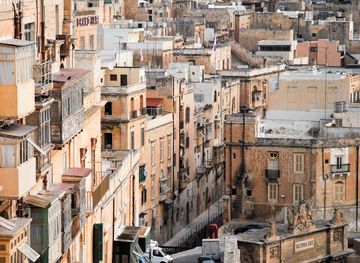
Explore more of Malta
Discover Malta's crystal-clear waters, rich history, and vibrant culture. From ancient temples to modern nightlife, this Mediterranean gem offers something for everyone.
Explore Malta