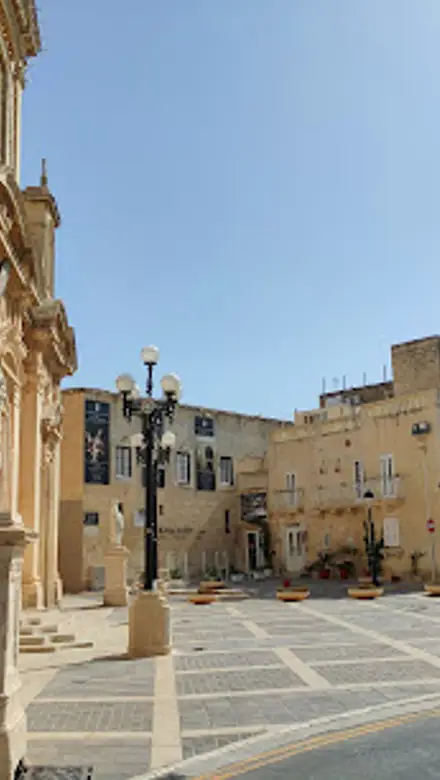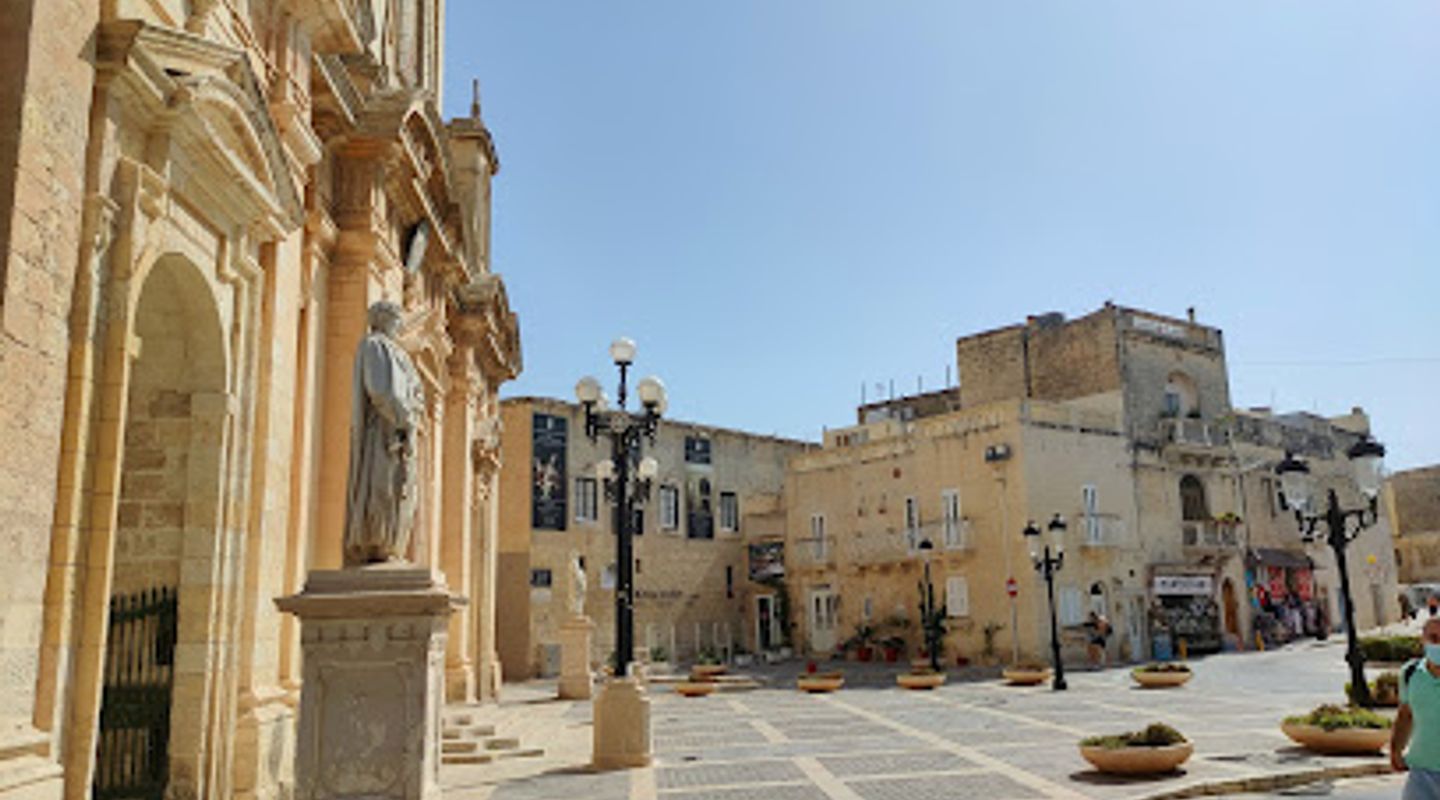
St Paul’s Catacombs, Fawwara Area Travel Guide
Uncover Malta's ancient past exploring the vast St. Paul's Catacombs, an early Christian burial site with unique Roman-era traditions.
Explore the St. Paul's Catacombs in Rabat, Malta, an extensive underground system of interconnected passages and rock-cut tombs dating back to the 3rd century BC. Serving as a communal burial site, it offers a glimpse into early Christian and Roman burial practices, with unique architectural features like 'agape tables'.
A brief summary to St Paul’s Catacombs
- Hal-Bajjada, Rabat, MT
- Click to display
- Click to display
- Monday 10 am-6 pm
- Tuesday 10 am-6 pm
- Wednesday 10 am-6 pm
- Thursday 10 am-6 pm
- Friday 10 am-6 pm
- Saturday 10 am-6 pm
- Sunday 10 am-6 pm

Know before you go
Hi, I'm Eve. Here are a few practical things to know before exploring St Paul’s Catacombs.
- Wear comfortable shoes as the catacombs involve walking on uneven surfaces and steps.
- Bring a light jacket, as the underground environment can be cool and damp.
- Allow 1-2 hours to fully explore the main complex and appreciate the historical significance.
- Combine your visit with nearby attractions like St. Paul's Grotto and the historic city of Mdina.
Do you manage this location?
Take control to get all the benefits, like improved information, better appearance, and stronger visibility across AI-powered discovery. Learn more about listing your business on Evendo
Activate your presenceOther nearby places you may find interesting
The closest places of the same kind, if this one is not quite what you had in mind.
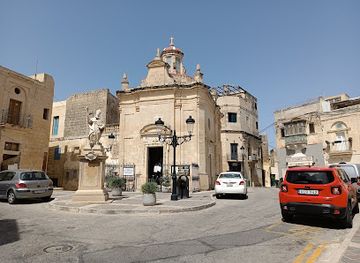
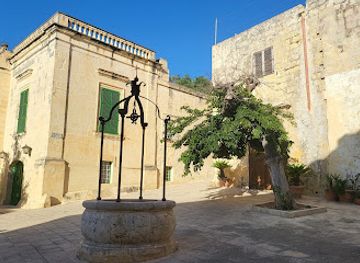
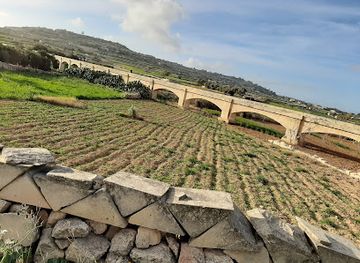
Explore St Paul’s Catacombs on the Map
A handpicked selection of must-see spots near St Paul’s Catacombs, mapped for you.
Unlock the Best of St Paul’s Catacombs
Buy tickets
-
No tickets available
Book tours with entry


Book tours without entry
-
No tours available
Getting There
-
Walking
From the center of Rabat, St. Paul's Catacombs are easily accessible on foot. Head southeast on St. Paul Street, following signs for the catacombs. The walk is approximately 5-10 minutes from Mdina Gate. No costs are involved.
-
Public Transport
If arriving by bus from Valletta, disembark at the 'Rabat Saqqajja' bus stop. From there, walk northeast on St. Paul Street for about 5 minutes until you reach the catacombs. A single bus fare from Valletta to Rabat costs approximately €2.
-
Taxi
A taxi from Valletta to St. Paul's Catacombs takes approximately 20-30 minutes, depending on traffic. Expect to pay around €20-€30 for the ride. A short taxi ride from anywhere in Rabat to the catacombs should cost no more than €10.
Discover more about St Paul’s Catacombs













Your all‑in‑one travel companion app
Explore expert travel guides, compare and book tours, experiences, hotels, and more—all from the palm of your hand. Download now for seamless trip planning wherever your wanderlust takes you.


Explore More of Fawwara Area

Looking beyond St Paul’s Catacombs? Discover Fawwara Area for broader travel guides, local hot-spots, and regional highlights.
Explore Fawwara Area
Discover an intimate glimpse into early Christian burial rituals at the St. Catald Catacomb, a hidden gem in Rabat, Malta.
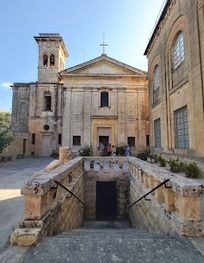
Explore the ancient Saint Agatha Catacombs in Rabat, Malta, a historical treasure revealing the rich tapestry of early Christian life and artistry.