

Free Fawwara Area Travel Guide & Mobile App
Explore Fawwara Area with free travel guides. Discover regional history, expert tips, proposed trips, and audio guides on web or mobile app.


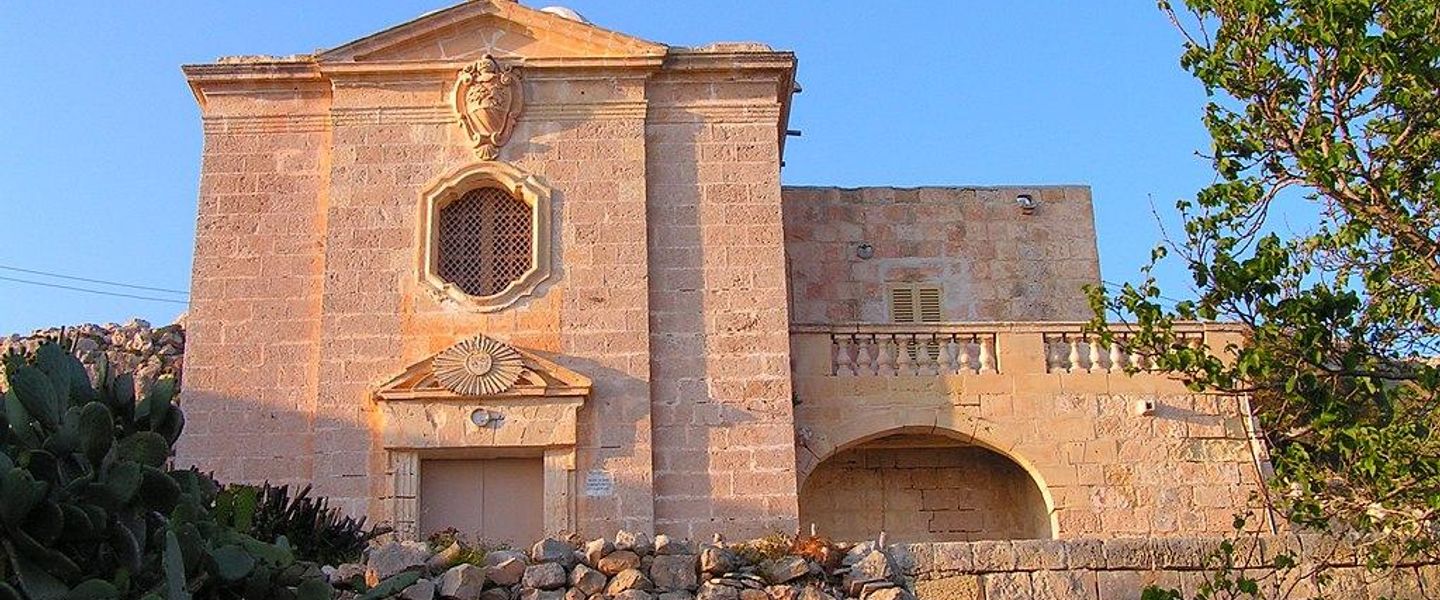


Explore Malta’s Fawwara Area for rural walks, limestone landscapes, chapel heritage and easy access to the island’s south-western coast.
Read more about Fawwara Area
When is the best time to visit Fawwara Area?
Best: May–July · 23–30°C| Month | High (°C) | Rainfall (mm) |
|---|---|---|
| January | 15 | 85 |
| February | 15 | 61 |
| March | 17 | 50 |
| April | 19 | 30 |
| May (best) | 23 | 15 |
| June (best) | 27 | 8 |
| July (best) | 30 | 4 |
| August | 30 | 15 |
| September | 28 | 30 |
| October | 25 | 60 |
| November | 20 | 80 |
| December | 17 | 100 |
Getting to and around Fawwara Area
How to get there
Transportation
Top city travel guides in Fawwara Area
The cities of Fawwara Area, and the easiest places to base yourself.
-

-

-

-

-

-


Swipe for more cities
Destinations in Fawwara Area
Resorts, valleys and scenic spots worth a trip of their own.

Swipe for more destinations
Best attractions in Fawwara Area
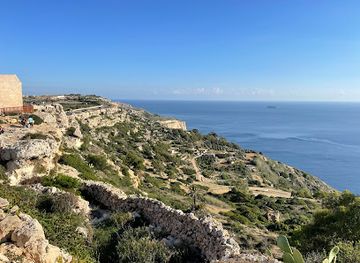
Fawwara’s attractions are primarily landscape-based rather than commercial. The Chapel of Our Lady of the Annunciation provides the area’s clearest historic focal point, while the surrounding spring, fields and dry-stone walls reveal how rural Malta was organised around water, farming and religious landmarks. Walking routes through garigue and cultivated country offer views across the south-western plateau and opportunities to observe limestone formations, prickly pear, carob and seasonal wild plants. The area is also useful as part of a wider itinerary from Siġġiewi or Żurrieq. Nearby but outside Fawwara, the Blue Grotto area offers coastal scenery, while the Ħaġar Qim and Mnajdra archaeological park near Qrendi presents Malta’s prehistoric temple heritage. These should not be confused with attractions within Fawwara itself. There are no large museums, amusement parks or extensive visitor facilities in the rural area, so the experience depends on self-guided exploration, appropriate preparation and an interest in the relationship between natural geology and Maltese agricultural history.
-
Cathedral
St. John's Co-Cathedral
Experience the breathtaking Baroque beauty of St. John's Co-Cathedral in Valletta, a must-see attraction filled with art and history.
-
Park
Lower Barrakka
Experience the tranquility of Lower Barrakka, a serene park in Valletta, Malta with stunning views, lush gardens, and rich historical significance.
-
Archaeological museum
St Paul’s Catacombs
Discover the ancient burial grounds of St Paul’s Catacombs in Rabat, Malta, where history and mystery intertwine in an archaeological wonder.
-
Scenic spot
Dingli Cliffs
Discover the enchanting Dingli Cliffs, Malta's highest point, where breathtaking views of the Mediterranean and stunning sunsets await.
Best landmarks in Fawwara Area
The Chapel of Our Lady of the Annunciation at Fawwara is the area’s principal built landmark, an understated rural chapel associated with the local spring and the long Maltese tradition of religious foundations beyond village centres. Its limestone construction and isolated setting make it significant less for monumental scale than for the way it expresses the historic relationship between worship, farming and water. The surrounding rubble walls are landmarks of a different kind: practical agricultural structures built from cleared limestone and maintained across generations. Fawwara’s open plateau, garigue and dry-stone boundaries also form an important landscape landmark, showing the texture of south-western Malta away from dense settlement. The prehistoric temples of Ħaġar Qim and Mnajdra and the coastal formations around the Blue Grotto are prominent nearby reference points, but both lie outside the Fawwara Area and should be described as neighbouring attractions rather than local landmarks.
-
Historical landmark
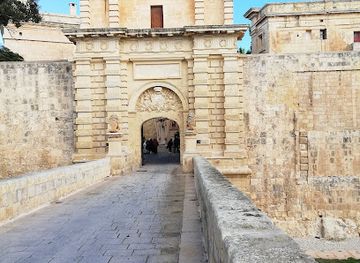
Mdina Gate
Discover the historic Mdina Gate, a stunning architectural marvel and gateway to Malta's ancient capital, rich in culture and breathtaking views.
-
Park
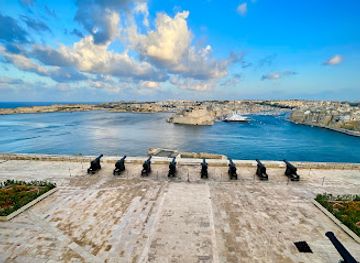
Upper Barrakka
Breathtaking views of Valletta's Grand Harbour from a historic garden oasis. A serene escape with stunning panoramas and rich history.
-
Theme park
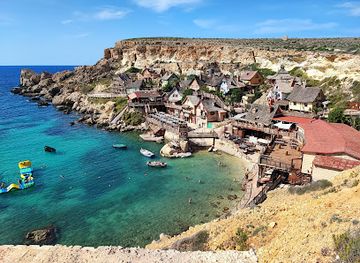
Popeye Village
Step into the world of Popeye! Explore the original film set, enjoy family-friendly attractions, and create lasting memories in Malta's unique theme park.
-
Cathedral
St. John's Co-Cathedral
Experience the breathtaking beauty and history of St. John's Co-Cathedral in Valletta, a Baroque gem that showcases Malta's rich heritage.
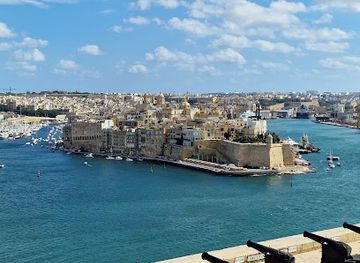
Explore Fawwara Area on the map
Plan your trip on one map. See where the top cities, national parks and sights are, and book hotels and experiences in a few clicks.
Best hotels in Fawwara Area
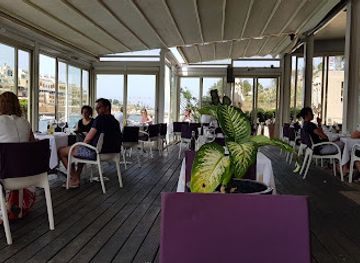
Best restaurants in Fawwara Area
There is no distinct restaurant quarter in the Fawwara countryside, and visitors normally eat in nearby Siġġiewi, Żurrieq or other south-western villages. These centres offer the casual food culture associated with Malta: village cafés, bakeries, family restaurants and traditional bars serving snacks, pastries and substantial dishes. Look for local specialities such as pastizzi, savoury pastries filled with ricotta or peas, ġbejna cheese, rabbit prepared in traditional styles, and rustic pasta or vegetable dishes. Maltese bread, olive oil, tomatoes, capers and seasonal produce are common elements of the wider regional table. Coastal restaurants outside the area may place greater emphasis on fish, while inland village establishments are more likely to reflect home-style cooking and bakery traditions. Farmers’ produce and simple picnic provisions are sensible choices before a walk, as there are no dependable food outlets among Fawwara’s fields.
-
Maltese
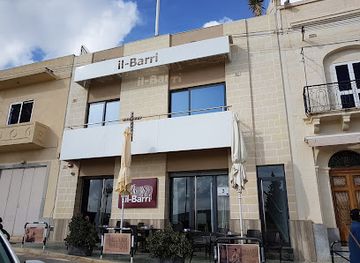
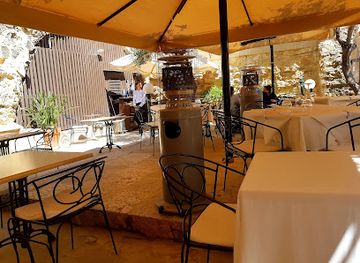
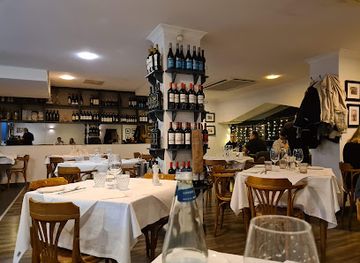
Il-Barri Restaurant
Experience authentic Maltese cuisine at Il-Barri Restaurant in Mġarr - a culinary gem for every traveler.
-
Mediterranean
Rampila Restaurant
Experience exquisite Mediterranean dining at Rampila Restaurant in Valletta - where history meets culinary excellence amidst stunning views.
-
Mediterranean
Wigi's Kitchen
Experience authentic Mediterranean cuisine at Wigi's Kitchen in St. Julian's – where fresh ingredients meet vibrant flavors.
-
Restaurant
Paranga
Experience exquisite Mediterranean cuisine and stunning sea views at Paranga, the ultimate dining destination in St. Julian's.
Best bars in Fawwara Area
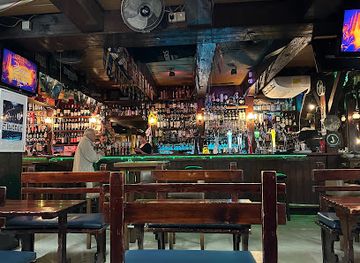
Evening life around Fawwara is quiet and centred on village cafés, local bars, restaurants and social spaces in Siġġiewi and Żurrieq rather than on a dedicated nightlife district. Traditional Maltese bars may serve coffee, beer, wine and simple snacks, and village festas can bring temporary activity, music and street gatherings at particular times of year, although dates and arrangements vary. Visitors seeking large nightclubs should travel to other parts of Malta rather than expect a club scene in this rural area. A meal followed by a walk through a nearby village is a more characteristic evening plan, while the surrounding countryside becomes very dark after sunset. Do not walk unlit rural roads at night unless the route and transport arrangements are well understood.
-
Live music bar
Black Gold Saloon
Discover the lively ambiance of Black Gold Saloon in Sliema, Malta, where vibrant live music meets delicious dining for an unforgettable experience.
-
Bar
Bar Native
Experience the vibrant nightlife at Bar Native in St Julian's, Malta, where delicious drinks and a lively atmosphere await.
-
Cocktail bar
The Black Sheep drink and dine
Discover a blend of Mediterranean cuisine and vibrant cocktails at The Black Sheep in Sliema, Malta's culinary gem.
-
Pub
Hugo's Pub
Discover the lively atmosphere of Hugo's Pub in Paceville, where great food, refreshing drinks, and live music come together for an unforgettable experience.


Best nightclubs in Fawwara Area
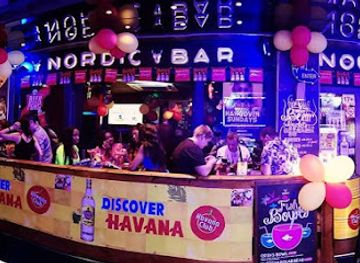
Evening life around Fawwara is quiet and centred on village cafés, local bars, restaurants and social spaces in Siġġiewi and Żurrieq rather than on a dedicated nightlife district. Traditional Maltese bars may serve coffee, beer, wine and simple snacks, and village festas can bring temporary activity, music and street gatherings at particular times of year, although dates and arrangements vary. Visitors seeking large nightclubs should travel to other parts of Malta rather than expect a club scene in this rural area. A meal followed by a walk through a nearby village is a more characteristic evening plan, while the surrounding countryside becomes very dark after sunset. Do not walk unlit rural roads at night unless the route and transport arrangements are well understood.
-
Night club
Havana Club Malta
Discover the heart of St. Julian's nightlife at Havana Club Malta, where music, dance, and vibrant energy unite for an unforgettable experience.
-
Night club
Gianpula Main Room
Discover the electrifying atmosphere of Gianpula Main Room, Malta's premier nightclub, where unforgettable nights and vibrant energy await!
-
Night club
The Nordic Bar
Discover the lively atmosphere of The Nordic Bar, St. Julian's top night club for unforgettable nights filled with music and dancing.
-
Night club
Footloose
Experience the vibrant nightlife of St Julian's at Footloose, a premier night club where music and excitement come alive until dawn.



Best shops in Fawwara Area
Shopping in Fawwara itself is limited to what may be available from nearby villages or rural producers, so most visitors buy supplies in Siġġiewi, Żurrieq or another established locality. Village bakeries are useful for Maltese bread, pastizzi and other pastries, while food shops and occasional markets provide olives, honey, carob products, capers, wine and other island produce. Independent shops in the surrounding towns are more practical than large retail centres for everyday necessities and locally made food. Handicrafts, ceramics, lace, jewellery and small limestone items can be found in Malta’s broader craft and tourist retail network, but they are not specific to Fawwara. For an appropriately local memento, choose a regional food product or a carefully made craft item rather than collecting stones, plants or fragments from the countryside.
-
Shopping mall
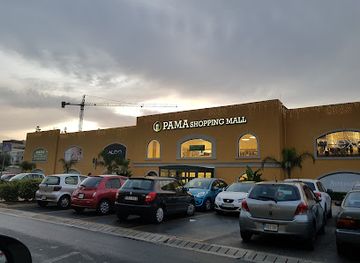
PAMA Shopping Mall
Discover an extraordinary shopping experience at PAMA Shopping Mall in Mosta, Malta, where vibrant shops and delicious dining await.
-
Shopping mall
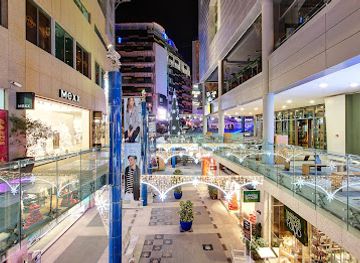
Bay Street Shopping Complex
Discover a world of shopping, dining, and entertainment at Bay Street Shopping Complex in St Julian's, Malta.
-
Sporting goods store
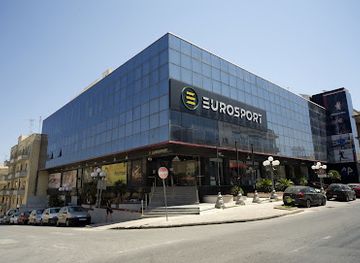
Eurosport Malta
Discover the ultimate destination for sports gear in Birkirkara, Malta – Eurosport Malta, where fitness meets quality.
-
Goldsmith
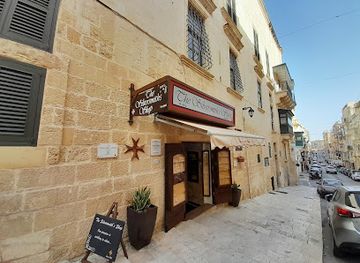
The Silversmith's Shop
Explore the exquisite craftsmanship of The Silversmith's Shop in Valletta, where unique handcrafted jewelry awaits every discerning traveler.
Get your free copy of our complete guide to Fawwara Area, delivered straight to you.
Everything on this page, from attractions and restaurants to essentials and local phrases, in one PDF you can read offline, print or share.
Already have an account? Sign in
Your Fawwara Area guide is ready.
We'll send it to · Not you? Sign out

Getting your guide ready…
We are putting together a fresh copy of the Fawwara Area guide. This can take up to a minute.
This can take a few moments. If your browser asks, choose Allow so the download can start. You'll find the guide in your Downloads folder.
Nothing happened? Download it again
Sorry, the guide is taking longer than usual. Please try again in a minute, or get it by email instead.
Fawwara Area essentials
Currency and Payment
Safety
Emergency Situations
Do's and Don'ts
Local Tips
From Eve
Local phrases worth knowing
You don't need to get them perfect. A few words go a long way, and locals appreciate the effort.
Basics
| English | Local | Say it |
|---|---|---|
| Hello | Bongu | [bong-oo] |
| Goodbye | Addiju | [ah-dee-yoo] |
| Yes | Iva | [ee-vah] |
| No | Le | [leh] |
| Please/You're welcome | Jekk jogħġbok | [yek jog-bok] |
| Thank you | Grazzi | [graht-zee] |
| Excuse me/Sorry | Skużani | [skoo-zah-nee] |
| How are you? | Kif inti? | [keef in-tee] |
| Fine. And you? | Tajjeb. U int? | [tie-yeb. oo int] |
| Do you speak English? | Titkellem bl-Ingliz? | [tit-kel-lem bl-ing-leez] |
| I don't understand | Ma nifhimx | [ma nif-hem-sh] |
Eating & Drinking
| English | Local | Say it |
|---|---|---|
| I'd like to see the menu, please | Nixtieq naraw il-menu, jekk jogħġbok | [nee-stee-ack nah-row il-men-oo, yek jog-bok] |
| I don't eat meat | Ma niekolx laħam | [ma nee-kol-sh lah-am] |
| Cheers! | Saħħa! | [sah-ha] |
| I would like to pay, please | Nixtieq inħallas, jekk jogħġbok | [nee-stee-ack in-ha-las, yek jog-bok] |
Emergencies
| English | Local | Say it |
|---|---|---|
| Help! | Għin! | [gh-in] |
| Go away! | Mur 'il bogħod! | [moor il bog-hood] |
| Call the Police! | Iċċempel lill-Pulizija! | [ich-em-pel lil pull-ee-zi-ya] |
| Call a doctor! | Iċċempel duttur! | [ich-em-pel doo-toor] |
| I'm lost | Jien mitluf | [yeen mit-loof] |
| I'm ill | Jien morda | [yeen mor-da] |
Shopping
| English | Local | Say it |
|---|---|---|
| I'd like to buy... | Nixtieq nixtri... | [nee-stee-ack nik-tree] |
| I'm just looking | Biss qed narah | [bis k-ed nah-rah] |
| How much is it? | Kemm jiswa? | [kem jiss-wah] |
| That's too expensive | Dak hu wisq għali | [dak hoo wisq ah-lee] |
| Can you lower the price? | Tista' tnaqqas il-prezz? | [tis-ta t-nak-as il-prets] |
Time & Numbers
| English | Local | Say it |
|---|---|---|
| What time is it? | X'ħin huwa? | [kh-in hoo-wah] |
| It's one o'clock | Hija l-ewwel ħin | [hee-ya el-wel kh-in] |
| Half past (10) | Nofs wara (10) | [nofs wah-ra] |
| Morning | Filgħodu | [fil-goh-doo] |
| Afternoon | Wara nofsinhar | [wah-ra nof-sin-har] |
| Evening | Filgħaxija | [fil-gha-shee-ya] |
| Yesterday | Ilbieraħ | [il-bee-rah] |
| Today | Illum | [il-lum] |
| Tomorrow | Għada | [ah-da] |
| 1 | 1 | [1] |
| 2 | 2 | [2] |
| 3 | 3 | [3] |
| 4 | 4 | [4] |
| 5 | 5 | [5] |
| 6 | 6 | [6] |
| 7 | 7 | [7] |
| 8 | 8 | [8] |
| 9 | 9 | [9] |
| 10 | 10 | [10] |
Transport & Directions
| English | Local | Say it |
|---|---|---|
| Where's a/the...? | Fejn hemm ...? | [feyn hem] |
| What's the address? | X'inhuma l-indirizz? | [kh-in-hu-ma l-in-dir-itz] |
| Can you show me (on the map)? | Tista' turi lili (fuq il-map)? | [tis-ta too-ri lee-lee] |
| When's the next (bus)? | Meta tasal il-(bus) li jmiss? | [me-ta ta-sal il-bus li im-miss] |
| A ticket (to ....) | Biljet (għal ...) | [bil-yet ah-l] |
History of Fawwara Area
Prehistoric Malta and the South-Western Landscape
The wider south-west of Malta contains some of the island’s most important prehistoric remains, including the temple complexes of Ħaġar Qim and Mnajdra near Qrendi, outside the Fawwara Area. These monuments belong to Malta’s Neolithic temple culture, which flourished during the fourth and third millennia BC. Although the temples are not within Fawwara itself, the surrounding limestone plateau forms part of the same broader geological and cultural setting that shaped prehistoric settlement, farming and ritual activity across south-western Malta.
Phoenician, Roman and Late Antique Malta
Malta’s central position in the Mediterranean brought successive Phoenician, Carthaginian and Roman influence. Rural districts such as Fawwara belonged to an agricultural landscape supplying settlements and estates rather than functioning as isolated territory. Roman and later late-antique communities used Malta’s limestone countryside for cultivation, water management and movement between villages and the coast. Much of this period is understood through the island’s wider archaeological record rather than through a single major monument at Fawwara.
Medieval Rural Communities
During the medieval period, Malta’s countryside was organised around small settlements, agricultural holdings, churches and water sources. The Fawwara landscape’s name and association with a spring reflect the practical importance of reliable water in a dry Mediterranean environment. Rural tracks, field boundaries and the cultivation of cereals, vines, olives and other crops developed over centuries. The area remained connected to nearby villages, particularly Siġġiewi and Żurrieq, rather than developing as an independent urban centre.
The Knights of St John and Malta’s Parish Landscape
The arrival of the Order of St John in 1530 brought major changes to Malta’s administration, defence and religious life. The Order strengthened parish institutions and encouraged the construction or rebuilding of chapels, churches and rural shrines. Fawwara’s chapel belongs to this long tradition of countryside devotion, in which small religious buildings served farmers and travellers beyond the main village centres. The period also consolidated Malta’s characteristic use of local limestone in both ecclesiastical and agricultural structures.
Agriculture, Dry-Stone Walls and Rural Tradition
For centuries, the Fawwara Area was shaped more by agriculture than by industry. Farmers worked small limestone fields, often separated by rubble walls that helped clear and retain soil while defining property boundaries. Rainwater collection, wells and springs were vital in a climate with long dry summers. Field chapels, farmhouses and wayside crosses formed part of this working landscape. Although modern development has altered parts of south-western Malta, Fawwara still preserves a strong impression of the island’s traditional agricultural environment.
Modern Malta and the Protection of Rural Landscapes
The twentieth century brought roads, motor transport, population growth and expanding construction to Malta, particularly around established villages and urban areas. Fawwara remained comparatively open because of its agricultural character and exposed position. In contemporary Malta, the area represents the continuing tension between development, farming, recreation and landscape conservation. Its value lies not only in individual buildings but also in the combined survival of limestone terrain, rural paths, field walls, chapel heritage and open views.
Fawwara Area in Photos
Browse through our photo collection highlighting the charm and character of the destination.
Neighbouring regions of Fawwara Area
The closest regions to Fawwara Area, if you have time for more than one.
-

-

-

-

-


Swipe for more regions
Explore more
Explore more of Malta
Discover Malta's crystal-clear waters, rich history, and vibrant culture. From ancient temples to modern nightlife, this Mediterranean gem offers something for everyone.
Explore Malta