

Downtown Puerto Vallarta (Puerto Vallarta) Travel Guide - Free
Explore Downtown Puerto Vallarta in Puerto Vallarta with Evendo's free guide. Find the best shops, historic streets, restaurants, and gems on web or mobile.


Downtown Puerto Vallarta combines the Malecón, historic churches, Cuale River, galleries, Mexican dining and Pacific sunsets in a walkable city centre.
A Historic Centre by the Bay
Downtown Puerto Vallarta occupies the city's original coastal core, where the Cuale River reaches Banderas Bay and streets rise gently from the waterfront into a compact grid of whitewashed buildings, tiled roofs and narrow lanes. Locally associated with El Centro, the area is anchored by the Malecón, a broad seafront promenade whose sculptures, palms and views across the Pacific make it the city's most recognisable public space. Behind it, Plaza de Armas and the Parish of Our Lady of Guadalupe form the civic and ceremonial heart of the old town.Read more about Downtown Puerto Vallarta
Streets, River and Everyday Culture
Evenings on the Malecón
Best attractions in Downtown Puerto Vallarta
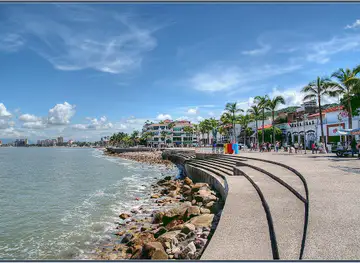
Downtown Puerto Vallarta's principal attraction is the Malecón, a seafront promenade lined with palms, Pacific views and a changing collection of public sculptures that reward both a daytime walk and an evening visit. At its eastern end, Plaza de Armas provides a civic square beside the Parish of Our Lady of Guadalupe, whose ornate façade and crown-topped tower are central to the city's visual identity. The Cuale River and its island offer a greener counterpoint, reached by footbridges from the central streets and associated with market stalls, paths and riverside views. Small galleries, craft shops and cultural spaces occupy lanes behind the promenade, while the town's white façades and tiled roofs make wandering between the plaza, river and waterfront part of the sightseeing experience. The open-air Los Arcos amphitheatre on the Malecón also provides a setting for public performances and local events.
-
Tourist attraction
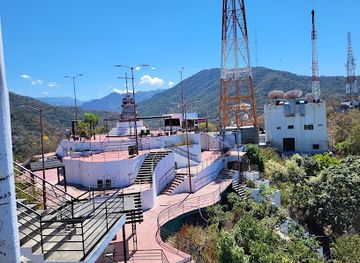
Hill of the Cross Viewpoint
Experience breathtaking views of Puerto Vallarta from the iconic Hill of the Cross Viewpoint, a must-see scenic spot for every traveler.
7 min walk · 0.5 km from neighbourhood centre
-
Tourist attraction
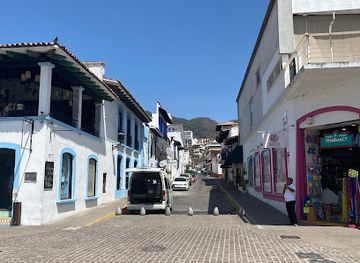
Gringo Gulch
Explore the vibrant streets of Gringo Gulch in Puerto Vallarta, where culture, art, and stunning bay views come together for an unforgettable experience.
4 min walk · 0.3 km from neighbourhood centre
-
Tourist attraction
Voladores de Papantla
Discover the enchanting world of the Voladores de Papantla, a captivating cultural spectacle in Puerto Vallarta showcasing ancient traditions.
7 min walk · 0.5 km from neighbourhood centre
-
Tourist attraction
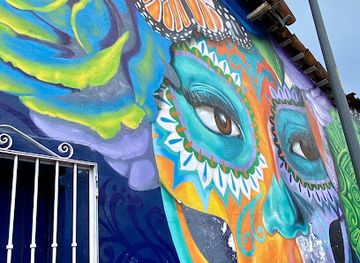
Lady Death mural
Explore the iconic Lady Death mural in Puerto Vallarta, a vivid celebration of life and death reflecting the rich cultural heritage of Mexico.
4 min walk · 0.4 km from neighbourhood centre
Best landmarks in Downtown Puerto Vallarta
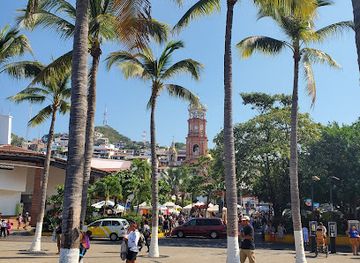
The Parish of Our Lady of Guadalupe is downtown's most recognisable architectural landmark, distinguished by its elaborate façade and the crown that tops its tower; it remains both a working church and a focal point for local religious life. Plaza de Armas, immediately beside it, is the city's principal historic civic square, framed by mature planting, public seating and the waterfront-facing Los Arcos amphitheatre nearby. The Malecón itself is a landmark of urban design as much as a promenade, defined by its sculptural installations and long relationship with the bay. South of the central streets, the Cuale River and its footbridges provide a geographical landmark that explains the shape of the old town and its connection with the river island. White façades, red or ochre tiled roofs and narrow streets complete the centre's visual character.
-
Beach pavillion
Puerto Vallarta Malecon
Experience the vibrant culture and stunning views of Puerto Vallarta at the iconic Malecon, a must-visit beach pavilion for every traveler.
4 min walk · 0.3 km from neighbourhood centre
-
Tourist attraction
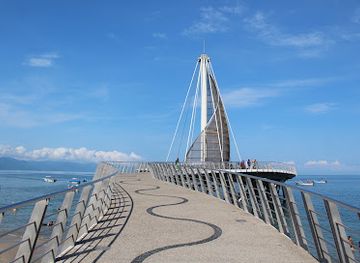
Los Muertos Beach Pier
Explore the vibrant atmosphere of Los Muertos Beach Pier, where stunning ocean views meet local culture and lively nightlife in Puerto Vallarta.
13 min walk · 1.0 km from neighbourhood centre
-
Monument
Los Arcos
Explore the stunning Los Arcos, a natural rock formation in Puerto Vallarta, offering breathtaking views and exciting water activities.
2 min walk · 0.2 km from neighbourhood centre
-
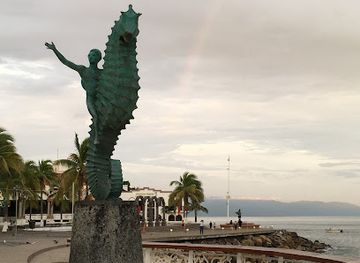
Sculpture
The Boy on the Seahorse
Discover the Boy on the Seahorse, a stunning sculpture that embodies Puerto Vallarta's artistic spirit and coastal charm along the vibrant Malecón.
2 min walk · 0.1 km from neighbourhood centre

Explore Downtown Puerto Vallarta on the map
A handpicked selection of must-see spots in Downtown Puerto Vallarta, mapped for you.
Best hotels in Downtown Puerto Vallarta
Best restaurants in Downtown Puerto Vallarta
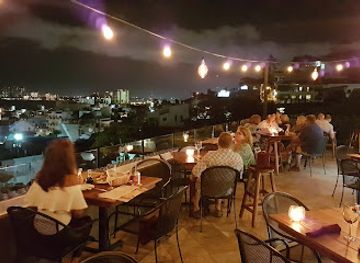
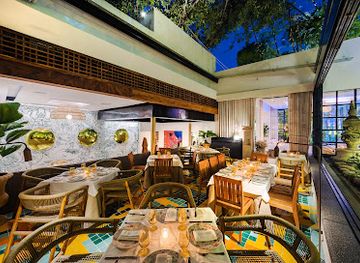
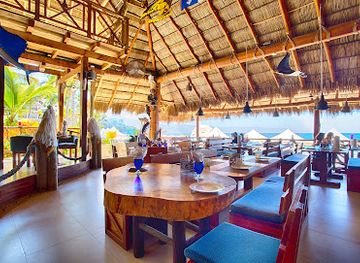
Dining in downtown Puerto Vallarta ranges from casual taquerías and breakfast cafés to seafood restaurants, contemporary kitchens and polished terraces near the Malecón. Menus draw on the coastal setting, with fish, prawns and ceviche appearing alongside regional Mexican dishes, tacos, grilled meats and vegetarian adaptations. Streets behind the waterfront often provide a more informal atmosphere, while restaurants facing the bay trade on evening views and a steady promenade of passing visitors. The Cuale River area and the lanes around the central plaza add cafés, juice counters and small eateries, though individual businesses and opening patterns change. Visitors will find both Mexican cooking and international food influenced by the city's long-standing relationship with travellers, but local ordering remains easiest when menus, ingredients and prices are checked before dining, particularly at market stalls and smaller establishments.
-
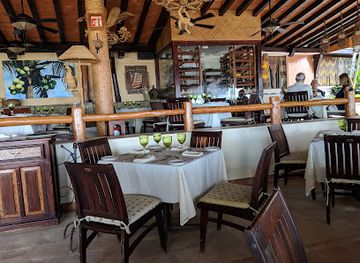
Mexican
La Palapa Restaurant
Experience authentic Mexican flavors and stunning ocean views at La Palapa Restaurant in Puerto Vallarta's charming Zona Romántica.
14 min walk · 1.1 km from neighbourhood centre
-
Spanish
Restaurante Barcelona Tapas Puerto Vallarta
Experience authentic Spanish cuisine at Restaurante Barcelona Tapas in Puerto Vallarta – where every bite is a taste of Spain's rich culinary heritage.
9 min walk · 0.7 km from neighbourhood centre
-
Restaurant
Café des Artistes
Discover the exquisite blend of French and Mexican cuisine at Café des Artistes in Puerto Vallarta - where art meets gastronomy.
5 min walk · 0.4 km from neighbourhood centre
-
Seafood
The Blue Shrimp Puerto Vallarta
Experience culinary excellence at The Blue Shrimp in Puerto Vallarta - where fresh seafood meets traditional Mexican flair.
9 min walk · 0.8 km from neighbourhood centre
Best bars in Downtown Puerto Vallarta
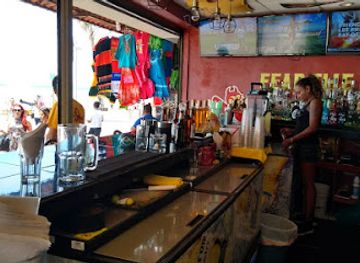
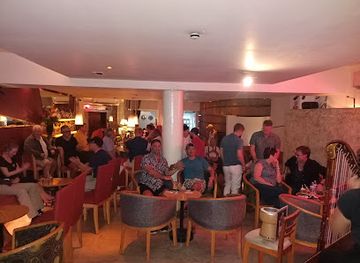
Downtown Puerto Vallarta becomes most animated after sunset, when the Malecón, the streets behind it and the lanes near the Cuale River fill with restaurants, cantinas, cocktail bars and venues serving visiting and local crowds. The evening scene covers several scales: relaxed drinks overlooking the water, informal bars with Mexican beer and music, cabaret and drag performances, and later-night clubs concentrated around the central waterfront rather than in the quieter residential streets. Live music and dancing are common features of the wider downtown offer, while the public promenade remains a place for families, performers and sunset strollers. Noise levels and business hours vary by season and venue, so visitors seeking a quieter evening should look away from the busiest seafront blocks and respect residents in adjoining streets.
-
Bar
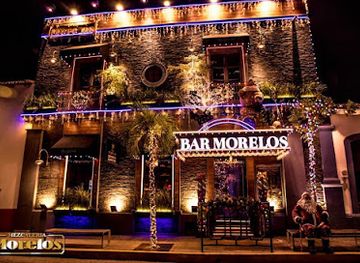
Bar Morelos Mezcaleria
Experience the vibrant nightlife of Puerto Vallarta at Bar Morelos Mezcaleria, renowned for its exquisite mezcal and lively atmosphere.
4 min walk · 0.3 km from neighbourhood centre
-
Bar
Devil's Bar
Discover the vibrant nightlife at Devil's Bar in Puerto Vallarta, where great drinks and a lively atmosphere await every visitor.
4 min walk · 0.3 km from neighbourhood centre
-
Piano bar
Piano Bar & Jazz Garbo
Experience the magic of live jazz and exquisite cocktails at Piano Bar & Jazz Garbo in Puerto Vallarta's vibrant Zona Romántica.
13 min walk · 1.0 km from neighbourhood centre
-
Bar
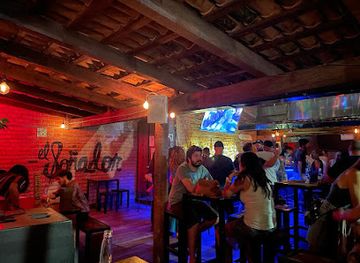
El Soñador
Discover the vibrant nightlife of El Soñador in Puerto Vallarta, where every visit promises a unique blend of cocktails, live entertainment, and unforgettable moments.
6 min walk · 0.5 km from neighbourhood centre
Best nightclubs in Downtown Puerto Vallarta
Downtown Puerto Vallarta becomes most animated after sunset, when the Malecón, the streets behind it and the lanes near the Cuale River fill with restaurants, cantinas, cocktail bars and venues serving visiting and local crowds. The evening scene covers several scales: relaxed drinks overlooking the water, informal bars with Mexican beer and music, cabaret and drag performances, and later-night clubs concentrated around the central waterfront rather than in the quieter residential streets. Live music and dancing are common features of the wider downtown offer, while the public promenade remains a place for families, performers and sunset strollers. Noise levels and business hours vary by season and venue, so visitors seeking a quieter evening should look away from the busiest seafront blocks and respect residents in adjoining streets.
-
Night club
Mandala Puerto Vallarta
Discover the pulsating nightlife at Mandala Puerto Vallarta, where vibrant music and exquisite cocktails create unforgettable memories.
5 min walk · 0.4 km from neighbourhood centre
-
Night club
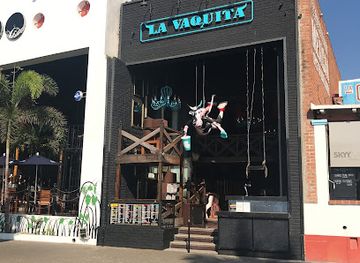
La Vaquita
Dive into the vibrant nightlife of Puerto Vallarta at La Vaquita, a nightclub that promises unforgettable music, dancing, and fun.
4 min walk · 0.3 km from neighbourhood centre
-
Cabaret club
The Palm Cabaret and Bar
Discover the lively entertainment and vibrant nightlife at The Palm Cabaret and Bar in Puerto Vallarta's Zona Romántica, where unforgettable performances await.
12 min walk · 1.0 km from neighbourhood centre
-
Night club
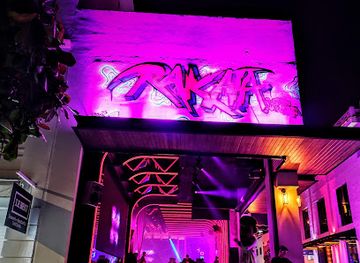
Rakata Puerto Vallarta
Experience the electrifying nightlife of Rakata Puerto Vallarta, where vibrant music, signature cocktails, and unforgettable memories await.
5 min walk · 0.4 km from neighbourhood centre


Best shops in Downtown Puerto Vallarta
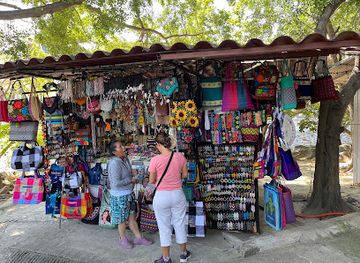
Shopping in downtown Puerto Vallarta centres on the streets behind the Malecón, the lanes around the Cuale River and the market areas associated with the river island. Visitors can browse Mexican handicrafts, woven goods, jewellery, painted ceramics, leather items, clothing and small works by local or regional artists, alongside galleries and businesses aimed at contemporary visitors. The central market atmosphere is informal and varied rather than department-store based, with stalls and independent shops changing their presentation through the year. The waterfront has more galleries, souvenir shops and destination retail, while the river area offers a denser browsing experience and a chance to compare similar crafts. Asking about materials and origins is worthwhile, particularly for artwork and handmade goods, and respectful bargaining may be accepted at some stalls but should not be treated as an obligation.
-
Flea market
Downtown Rio Cuale Craft Market
Explore the Downtown Rio Cuale Craft Market: A vibrant flea market in Puerto Vallarta showcasing local artisans, handcrafted goods, and delicious Mexican cuisine.
3 min walk · 0.2 km from neighbourhood centre
-
Boutique
Peyote People
Explore the vibrant world of Peyote People, a boutique in Puerto Vallarta offering unique handmade crafts and cultural treasures that celebrate Mexican heritage.
2 min walk · 0.2 km from neighbourhood centre
-
Boutique
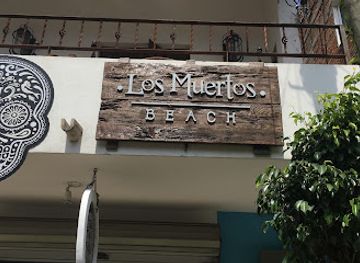
Los Muertos Beach Clothing Co.
Explore the best of Puerto Vallarta's fashion and souvenirs at Los Muertos Beach Clothing Co., where local culture meets stylish shopping.
8 min walk · 0.6 km from neighbourhood centre
-
 Clothing store
SUCESOS
Discover unique fashion at SUCESOS, a vibrant clothing store in downtown Puerto Vallarta that reflects local culture and contemporary style.
2 min walk · 0.2 km from neighbourhood centre

Downtown Puerto Vallarta essentials
Getting There
Getting Around
Safety
Emergency Situations
Do's and Don'ts
Local Tips

From Eve
Local phrases worth knowing
You don't need to get them perfect. A few words go a long way, and locals appreciate the effort.
Basics
| English | Local | Say it |
|---|---|---|
| Hello | Hola | [OH-lah] |
| Goodbye | Adiós | [ah-DYOHSS] |
| Yes | Sí | [SEE] |
| No | No | [NOH] |
| Please/You're welcome | Por favor/De nada | [pohr fah-BOHR/deh NAH-dah] |
| Thank you | Gracias | [GRAH-syahss] |
| Excuse me/Sorry | Perdón/Lo siento | [pehr-DOHN/loh SYEHN-toh] |
| How are you? | ¿Cómo estás? | [KOH-moh ehs-TAHS] |
| Fine. And you? | Bien. ¿Y tú? | [BYEHN. ee TOO] |
| Do you speak English? | ¿Hablas inglés? | [AH-blahss een-GLEHS] |
| I don't understand | No entiendo | [NOH ehn-TYEHN-doh] |
Eating & Drinking
| English | Local | Say it |
|---|---|---|
| I'd like to see the menu, please | Me gustaría ver el menú, por favor | [meh goos-tah-REE-ah behr ehl MEH-noo, pohr fah-BOHR] |
| I don't eat meat | No como carne | [NOH KOH-moh KAHR-neh] |
| Cheers! | ¡Salud! | [sah-LOOD] |
| I would like to pay, please | Me gustaría pagar, por favor | [meh goos-tah-REE-ah pah-GAHR, pohr fah-BOHR] |
Emergencies
| English | Local | Say it |
|---|---|---|
| Help! | ¡Ayuda! | [ah-YOO-dah] |
| Go away! | ¡Vete! | [VEH-teh] |
| Call the Police! | ¡Llama a la policía! | [YAH-mah ah lah poh-lee-SEE-ah] |
| Call a doctor! | ¡Llama a un médico! | [YAH-mah ah oon MEH-dee-koh] |
| I'm lost | Estoy perdido | [ehs-TOY pehr-DEE-doh] |
| I'm ill | Estoy enfermo | [ehs-TOY ehn-FEHR-moh] |
Shopping
| English | Local | Say it |
|---|---|---|
| I'd like to buy... | Me gustaría comprar... | [meh goos-tah-REE-ah kohm-PRAR] |
| I'm just looking | Sólo estoy mirando | [SOH-loh ehs-TOY meer-AHN-doh] |
| How much is it? | ¿Cuánto cuesta? | [KWAHN-toh KWEHS-tah] |
| That's too expensive | Eso es demasiado caro | [EH-soh ehs deh-mah-SYA-do KAH-roh] |
| Can you lower the price? | ¿Puedes bajar el precio? | [PWEH-dehs BAH-hahr ehl PREE-syoh] |
Time & Numbers
| English | Local | Say it |
|---|---|---|
| What time is it? | ¿Qué hora es? | [keh OH-rah ehs] |
| It's one o'clock | Es la una | [ehs lah OO-nah] |
| Half past (10) | Media (diez) | [MEH-dyah (dee-ehss)] |
| Morning | Mañana | [mah-NYAH-nah] |
| Afternoon | Tarde | [TAHR-deh] |
| Evening | Noche | [NOH-cheh] |
| Yesterday | Ayer | [ah-YEHR] |
| Today | Hoy | [hoh-EE] |
| Tomorrow | Mañana | [mah-NYAH-nah] |
| 1 | Uno | [OO-noh] |
| 2 | Dos | [dohss] |
| 3 | Tres | [trehss] |
| 4 | Cuatro | [KWAH-troh] |
| 5 | Cinco | [SEEN-koh] |
| 6 | Seis | [sayss] |
| 7 | Siete | [syeh-teh] |
| 8 | Ocho | [OH-choh] |
| 9 | Nueve | [NWEH-veh] |
| 10 | Diez | [dee-ehss] |
Transport & Directions
| English | Local | Say it |
|---|---|---|
| Where's a/the...? | ¿Dónde está...? | [DOHN-deh ehs-TAH] |
| What's the address? | ¿Cuál es la dirección? | [KWAHL ehs lah dee-rehk-SYOHN] |
| Can you show me (on the map)? | ¿Puedes mostrarme (en el mapa)? | [PWEH-dehs mohs-TRAHR-meh (ehn ehl MAH-pah)] |
| When's the next (bus)? | ¿Cuándo es el próximo (autobús)? | [KWAHN-doh ehs ehl PROH-ksee-moh (ow-toh-BOOSS)] |
| A ticket (to ....) | Un boleto (a ....) | [oon boh-LEH-toh (ah)] |
History of Downtown Puerto Vallarta
A Fishing Village on the Cuale
The settlement that became Puerto Vallarta developed around the mouth of the Cuale River and the sheltered coast of Banderas Bay. Before modern tourism, local livelihoods included fishing, farming and small-scale trade, while the river shaped movement and settlement. The town was known as Las Peñas before being renamed Puerto Vallarta in 1918 in honour of Ignacio L. Vallarta, a former governor of Jalisco and Mexican jurist. The central waterfront and the streets around the river preserve the basic geography of that early community, even though much of the present-day commercial landscape was built later.
Church, Plaza and Civic Centre
As the town expanded during the twentieth century, the area around the main plaza, waterfront and parish church became its civic centre. The Parish of Our Lady of Guadalupe, whose construction developed over several decades in the twentieth century, acquired its distinctive crown-topped tower and became a defining feature of the skyline. Plaza de Armas served as a gathering place for civic events, celebrations and everyday social life. Together with the waterfront road and nearby market streets, these spaces established the compact central district recognised today as downtown Puerto Vallarta.
Tourism Reaches the Waterfront
Puerto Vallarta's international profile grew sharply after the filming of The Night of the Iguana in 1963, which brought Hollywood attention to the town and its surrounding coast. The production was associated especially with Mismaloya south of the centre, but its publicity affected the whole municipality, including downtown streets, hotels and businesses. Air connections, improved roads and expanding visitor infrastructure subsequently changed the central waterfront from a primarily local working area into a major meeting point for residents and travellers, while older buildings and public spaces remained important markers of place.
The Malecón as Public Art
The Malecón developed from a practical waterfront road into a prominent public promenade, particularly as Puerto Vallarta invested in pedestrian space and large-scale sculpture. The modern promenade's artworks, including pieces by Mexican and international artists, helped give the seafront a cultural identity beyond its ocean views. Earthquakes, storms, redevelopment and rising land values have altered parts of the surrounding centre, yet the historic grid, parish, plaza and Cuale River continue to structure local life. Contemporary downtown Puerto Vallarta therefore combines a tourism economy with institutions, shops and public spaces used by residents.
Downtown Puerto Vallarta in Photos
Browse through our photo collection highlighting the charm and character of the destination.
Neighbourhoods near Downtown Puerto Vallarta
The closest neighbourhoods to Downtown Puerto Vallarta, if you have time for more than one stop.
-

-

-


Swipe for more neighbourhoods
Explore more

Explore more of Puerto Vallarta
Puerto Vallarta combines Pacific beaches, colonial streets, art, Jalisco cuisine and island-to-jungle adventures along Mexico’s Bay of Banderas.
Explore Puerto Vallarta