

Mwoakilloa Atoll, Micronesia Travel Guide
Discover Mwoakilloa Atoll in Micronesia, a secluded paradise with crystal-clear waters, vibrant coral reefs, and rich cultural heritage. Perfect for adventure and relaxation.
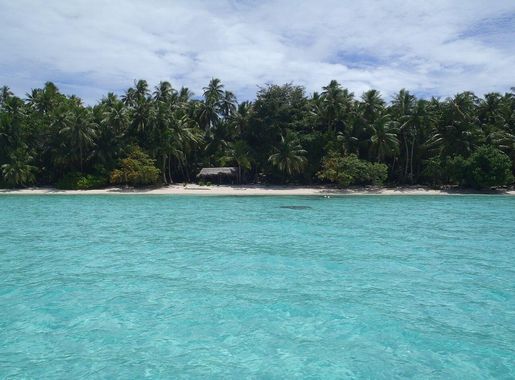
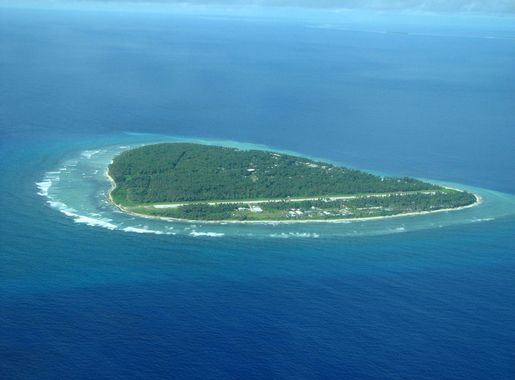
Mwoakilloa Atoll, also known as Mokil Atoll, is a serene and picturesque destination in Micronesia. This beautiful atoll consists of three small islands surrounded by a stunning lagoon. The crystal-clear waters are perfect for snorkeling and diving, offering vibrant coral reefs and a variety of marine life. The atoll's remote location makes it an ideal spot for those seeking tranquility and a sense of adventure. One of the unique aspects of Mwoakilloa Atoll is its rich cultural heritage. The local residents, who are known for their warm hospitality, maintain traditional practices and crafts. Visitors can experience authentic Micronesian culture through local music, dance, and art. The atoll's secluded nature also means that it has remained largely untouched by modern development, providing a pristine environment for exploration. Nature enthusiasts will find plenty to enjoy on Mwoakilloa Atoll. The lush vegetation and diverse birdlife make it a paradise for birdwatching. Additionally, the atoll's natural beauty provides ample opportunities for photography. Whether you're interested in exploring the underwater world or simply relaxing on a pristine beach, Mwoakilloa Atoll offers a unique and unforgettable experience.

Know before you go
Hi, I'm Eve. Here are a few practical things to know before exploring Mwoakilloa Atoll.
- Bring snorkeling gear to explore the vibrant coral reefs and marine life.
- Pack light and durable clothing suitable for a tropical climate.
- Engage with locals to learn about traditional crafts and cultural practices.
- Ensure you have all necessary travel documents and permits before visiting.
- Respect the local environment and wildlife to help preserve the atoll's natural beauty.
Explore Mwoakilloa Atoll: Things to Do, Places to Eat, Hotels & More
Handpicked recommendations for top attractions, local dining, accommodations, and more

Best attractions in Mwoakilloa Atoll
Top-rated picks
Best Attractions

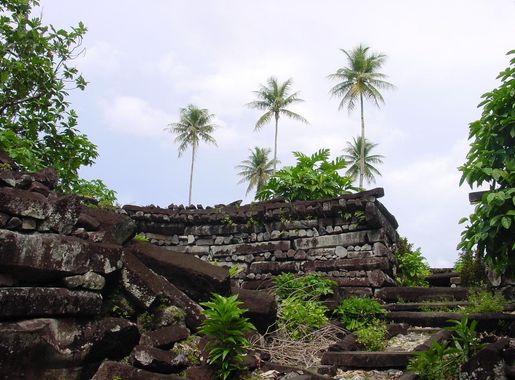
Nan Madol
Explore the ancient wonders of Nan Madol, a mesmerizing UNESCO World Heritage site that reveals the secrets of a forgotten civilization in Pohnpei.

Kepirohi Waterfall
Explore the stunning Kepirohi Waterfall in Pohnpei, a tranquil oasis for hiking, swimming, and enjoying nature's breathtaking beauty.

Lelu Ruins Historic Park
Explore the ancient wonders of Lelu Ruins Historic Park in Kosrae, where history and nature converge in a tropical paradise.

Mokil Atoll
Explore the tranquil beauty of Mokil Atoll in Pohnpei, where pristine beaches and vibrant marine life await your adventure in paradise.


Best restaurants in Mwoakilloa Atoll
Top-rated picks
Best Restaurants

Denny's Micronesia Mall
Experience the comfort of classic American dining at Denny's Micronesia Mall in Guam—perfect for families and food lovers alike.

Beachin' Shrimp 3
Experience Guam's vibrant seafood scene at Beachin' Shrimp 3, where fresh ingredients meet island hospitality in a charming mall setting.

Cliff Hotel & Restaurant
Discover comfort and culinary delights at Cliff Hotel & Restaurant in Kolonia, Pohnpei - your gateway to relaxation and local flavors.
Joy Hotel & Restaurant
Discover the perfect blend of comfort and exquisite Japanese cuisine at Joy Hotel & Restaurant in Kolonia, Pohnpei.

Best bars in Mwoakilloa Atoll
Top-rated picks
Best Bars

Truk Stop Hotel & Restaurant
Experience authentic Chuukese cuisine at Truk Stop Hotel & Restaurant, where local flavors and warm hospitality come together for an unforgettable dining experience.
Joy Hotel & Restaurant
Experience the fusion of Japanese cuisine and local flavors at Joy Hotel & Restaurant in Kolonia, Pohnpei - a must-visit dining and lodging destination.
Chinastar Hotel & Restaurant
Discover the flavors of China in the heart of Pohnpei at Chinastar Hotel & Restaurant, where delicious cuisine meets local hospitality.
7 Stars Inn & Riverside Restaurant
Discover the charm of Pohnpei Island at 7 Stars Inn & Riverside Restaurant, where stunning views meet delicious cuisine in a tranquil setting.

Best nightclubs in Mwoakilloa Atoll
Top-rated picks
Best Nightclubs

Hideaway Bar & Grill
Experience the flavors of Pohnpei at Hideaway Bar & Grill, where fresh seafood and local cuisine meet a vibrant atmosphere.

Lelu Ruins Historic Park
Explore the ancient civilization at Lelu Ruins Historic Park, a captivating blend of history and nature in Kosrae.

Coco Marina Club
Experience the vibrant nightlife of Kolonia at Coco Marina Club, where refreshing drinks and stunning marina views create unforgettable memories.

Mwoakilloa Airports
Discover the enchanting Mokil Atoll through Mwoakilloa Airport, your gateway to breathtaking beaches and vibrant local culture in Micronesia.

Best shops in Mwoakilloa Atoll
Top-rated picks
Best Shops

Micronesia Mall
Explore Micronesia Mall: A Premier Shopping and Entertainment Destination in Guam, Featuring Diverse Retail, Dining, and Cultural Experiences.

Ross Dress for Less
Discover unbeatable fashion deals at Ross Dress for Less in Guam, your shopping haven for stylish apparel and accessories at budget-friendly prices.

Nan Madol
Unveil the mysteries of Nan Madol, an ancient archaeological wonder in Pohnpei, where history and natural beauty converge in a serene landscape.

Kepirohi Waterfall
Experience the breathtaking beauty of Kepirohi Waterfall, a tranquil oasis in Pohnpei, perfect for hiking, swimming, and reconnecting with nature.

Explore Mwoakilloa Atoll on the Map
A handpicked selection of must-see spots in Mwoakilloa Atoll, mapped for you.
Mwoakilloa Atoll Essentials
-
Mwoakilloa Atoll is located in the Federated States of Micronesia. The most convenient way to get there is by flying into Pohnpei International Airport (PNI), which is the main gateway to the region. From Pohnpei, you can take a domestic flight to Mwoakilloa Island. These flights are not very frequent, so it is advisable to book in advance. Another option is to travel by boat from Pohnpei, but this can take several hours and is subject to weather conditions.
-
Mwoakilloa Atoll is relatively small, and most places can be reached on foot or by bicycle. There are limited motor vehicles on the island, and no formal public transportation system. Some guesthouses may offer bicycles for rent. For longer trips or if you require assistance, you can arrange for transportation through your lodging provider or local guides.
-
The official currency in the Federated States of Micronesia is the US Dollar (USD). Credit cards are rarely accepted on Mwoakilloa Atoll, so it is essential to carry enough cash for your stay. There are no ATMs on the atoll, so make sure to withdraw sufficient funds before leaving Pohnpei. Some larger establishments may accept foreign currency, but it's best to have USD on hand.
-
Mwoakilloa Atoll is generally a safe destination for tourists. Crime rates are very low, and violent crime is rare. However, it is always wise to take standard precautions such as keeping an eye on your belongings and avoiding walking alone at night. There are no specific areas with high crime rates targeting tourists.
-
In case of an emergency, dial the local emergency number 911. The atoll has a small medical clinic that can handle minor health issues, but for more severe cases, you may need to be transported to Pohnpei. It is highly recommended to have travel insurance that covers medical emergencies and evacuation. Familiarize yourself with the location of the clinic and keep emergency contact numbers handy.
-
Fashion: Do dress modestly, as the local culture is conservative. Avoid wearing revealing clothing. Religion: Do respect local customs and traditions. Always ask for permission before entering religious sites. Public Transport: Do be respectful and patient, as transportation options are limited. Greetings: Do greet people with a friendly 'hello' or wave. A smile goes a long way. Eating & Drinking: Do try local dishes and accept food graciously. Don’t waste food, as it is considered disrespectful.
-
To experience Mwoakilloa Atoll like a local, engage with the community and participate in traditional activities such as fishing or weaving. Visit local markets to buy fresh produce and handmade crafts. Take time to explore the natural beauty of the atoll, including its pristine beaches and vibrant coral reefs. Respect local customs and be open to learning about the island’s rich cultural heritage.
When is the best time to visit Mwoakilloa Atoll?
Useful Local Phrases for Mwoakilloa Atoll
You don't need to speak the language perfectly. Even learning a few simple words can make conversations warmer—and locals usually appreciate the effort.
— Eve

Here are the phrases I use most often in Mwoakilloa Atoll. Try a few—you'll be surprised how far they go! 😊
❤️
-
- HelloKaselehlia
[kah-say-lay-lee-ah] - GoodbyeKalahngan
[kah-lahng-gahn] - YesOang
[oh-ahng] - NoEwao
[eh-wah-oh] - Please/You're welcomeKijen iai
[kee-jen ee-eye] - Thank youKilisou
[kee-lee-soo] - Excuse me/SorryKajierar
[kah-jee-eh-rahr] - How are you?Kaselehlia?
[kah-say-lay-lee-ah] - Fine. And you?Kalahngan. Ilo
[kah-lahng-gahn. ee-low] - Do you speak English?Kapong i ilo English?
[kah-pohng ee ee-low English] - I don't understandEwao kin kapong
[eh-wah-oh keen kah-pohng]
- HelloKaselehlia
-
- I'd like to see the menu, pleaseKapong iai me menu, kijen iai
[kah-pohng ee-eye may menu, kee-jen ee-eye] - I don't eat meatEwao kin tungo kang me kang
[eh-wah-oh keen toong-goh kahng may kahng] - Cheers!Kilisou
[kee-lee-soo] - I would like to pay, pleaseKapong iai me kilisou, kijen iai
[kah-pohng ee-eye may kee-lee-soo, kee-jen ee-eye]
- I'd like to see the menu, pleaseKapong iai me menu, kijen iai
-
- Help!Kaselehlia!
[kah-say-lay-lee-ah] - Go away!Kalahngan!
[kah-lahng-gahn] - Call the Police!Kapong me police!
[kah-pohng may poh-leece] - Call a doctor!Kapong me dokta!
[kah-pohng may dohk-tah] - I'm lostEwao kin kopia
[eh-wah-oh keen koh-pee-ah] - I'm illEwao kin kilisou
[eh-wah-oh keen kee-lee-soo]
- Help!Kaselehlia!
-
- I'd like to buy...Kapong iai ke...
[kah-pohng ee-eye kay...] - I'm just lookingKapong me toktak
[kah-pohng may tohk-tahk] - How much is it?Ko ngongon kijen?
[koh ngo-ngohn kee-jen] - That's too expensiveIang ngea iang kijen
[yahng ngeh-ah yahng kee-jen] - Can you lower the price?Kapong iai me ko ko kijen?
[kah-pohng ee-eye may koh koh kee-jen]
- I'd like to buy...Kapong iai ke...
-
- What time is it?Ko ngongon aikot ko?
[koh ngo-ngohn eye-koh-koh] - It's one o'clockAikot ko kang kang
[eye-koh-koh kahng kahng] - Half past (10)Kang kinang (10)
[kahng keen-ahng (10)] - MorningLok ngeni
[lohk ngeh-nee] - AfternoonLok ngoan
[lohk ngo-ahn] - EveningLok ni wia
[lohk nee wee-ah] - YesterdayLok ni kang
[lohk nee kahng] - TodayLok ni kang kang
[lohk nee kahng kahng] - TomorrowLok ni kang suwau
[lohk nee kahng soo-wow] - 1Aikot
[eye-koh-koh] - 2Kangaw
[kahng-ahw] - 3Kangawo
[kahng-ah-woh] - 4Kangawe
[kahng-ah-way] - 5Kangalim
[kahng-ah-leem] - 6Kanganim
[kahng-ah-neem] - 7Kanganum
[kahng-ah-noom] - 8Kangawal
[kahng-ah-wahl] - 9Kangawoal
[kahng-ah-wohl] - 10Kangawul
[kahng-ah-wool]
- What time is it?Ko ngongon aikot ko?
-
- Where's a/the...?Ko ngongon i...
[koh ngo-ngohn ee...] - What's the address?Ko ngongon aikot ko?
[koh ngo-ngohn eye-koh-koh] - Can you show me (on the map)?Kapong iai me ko ko kang (me map)?
[kah-pohng ee-eye may koh koh kahng (may map)] - When's the next (bus)?Ko ngea lok ni (bus)?
[koh ngeh-ah lohk nee (bus)] - A ticket (to ....)Kang kinang (to ....)
[kahng keen-ahng (to ....)]
- Where's a/the...?Ko ngongon i...
History of Mwoakilloa Atoll
-
Mwoakilloa Atoll, also known as Mokil Atoll, has been inhabited for centuries by the Micronesian people. Archaeological evidence suggests that the earliest settlers arrived on the atoll around 2,000 years ago, bringing with them advanced navigation skills and a deep understanding of the sea. These early inhabitants established small, self-sustaining communities, relying on fishing, agriculture, and the natural resources of the atoll.
-
The first recorded European contact with Mwoakilloa Atoll occurred in the early 19th century. In 1828, Russian explorer Fyodor Litke visited the atoll during his expedition in the Pacific. Following this, other European explorers and traders began to visit Mwoakilloa, bringing with them new goods and ideas. This contact marked the beginning of significant changes in the local culture and economy.
-
In the late 19th century, Mwoakilloa Atoll, along with the rest of the Caroline Islands, came under German control. The Germans established a colonial administration and began to exert influence over the local population. They introduced new agricultural practices, including the cultivation of copra (dried coconut meat), which became a major export product. The German period also saw the introduction of Western education and Christian missions.
-
During World War II, Mwoakilloa Atoll was occupied by Japanese forces. The atoll's strategic location in the Pacific made it an important outpost for the Japanese military. The local population experienced significant hardship during this period, as they were subjected to forced labor and resource shortages. The end of the war brought relief to the islanders, but the legacy of the occupation left lasting scars on the community.
-
After World War II, Mwoakilloa Atoll became part of the Trust Territory of the Pacific Islands, administered by the United States under a United Nations mandate. This period saw significant investment in infrastructure, education, and healthcare. The atoll also began to engage more with the wider world, as improved transportation and communication links brought new opportunities for trade and cultural exchange.
-
In the latter half of the 20th century, Mwoakilloa Atoll, along with the rest of the Federated States of Micronesia, moved towards greater self-governance. In 1979, the Federated States of Micronesia adopted its own constitution, and in 1986, it entered into a Compact of Free Association with the United States. This period marked the beginning of a new era of political autonomy and economic development for Mwoakilloa Atoll.
Neighbouring destination travel guides
Browse our curated selection of top destinations, scenic points, and must-visit spots in the area.


Your all‑in‑one travel companion app
Explore expert travel guides, compare and book tours, experiences, hotels, and more—all from the palm of your hand. Download now for seamless trip planning wherever your wanderlust takes you.


Explore More of Micronesia

Looking beyond Mwoakilloa Atoll? Discover Micronesia for broader travel guides, local hot-spots, and regional highlights.
Explore MicronesiaMwoakilloa Atoll in Photos
Browse through our photo collection highlighting the charm and character of the destination.






Mwoakilloa Atoll: A Hidden Gem in Micronesia
Mwoakilloa Atoll, also known as Mokil Atoll, is a serene and picturesque destination in Micronesia. This beautiful atoll consists of three small islands surrounded by a stunning lagoon. The crystal-clear waters are perfect for snorkeling and diving, offering vibrant coral reefs and a variety of marine life. The atoll's remote location makes it an ideal spot for those seeking tranquility and a sense of adventure. One of the unique aspects of Mwoakilloa Atoll is its rich cultural heritage. The local residents, who are known for their warm hospitality, maintain traditional practices and crafts. Visitors can experience authentic Micronesian culture through local music, dance, and art. The atoll's secluded nature also means that it has remained largely untouched by modern development, providing a pristine environment for exploration. Nature enthusiasts will find plenty to enjoy on Mwoakilloa Atoll. The lush vegetation and diverse birdlife make it a paradise for birdwatching. Additionally, the atoll's natural beauty provides ample opportunities for photography. Whether you're interested in exploring the underwater world or simply relaxing on a pristine beach, Mwoakilloa Atoll offers a unique and unforgettable experience.