

Free Lebanon Travel Guide & Mobile App
Plan your Lebanon trip with Evendo. Get free guides to top attractions, restaurants, hotels, and bars. Web access or download the mobile app.


Lebanon, Missouri combines Route 66 heritage, Ozark history, local museums and small-town sightseeing near Bennett Spring State Park in the Missouri Ozarks.
Route 66 and the Missouri Ozarks
Lebanon is a small Laclede County city in south-central Missouri, positioned between Springfield and Rolla along Interstate 44 and the historic alignment of Route 66. Its identity is closely tied to the great American road: roadside businesses, local memorabilia and the Route 66 Museum and Research Center preserve the story of travellers who crossed the Ozarks by car. Beyond the highway, Lebanon has the steady, practical character of a regional town, with a compact centre, civic institutions and a landscape of wooded hills, pasture and clear spring water.Read more about Lebanon
A Town with Regional Connections
Small-City Ozark Life
When is the best time to visit Lebanon?
Best: May, September–October · 21–28°C| Month | High (°C) | Rainfall (mm) |
|---|---|---|
| January | 6 | 48 |
| February | 8 | 55 |
| March | 14 | 81 |
| April | 19 | 102 |
| May (best) | 24 | 127 |
| June | 29 | 130 |
| July | 33 | 112 |
| August | 32 | 107 |
| September (best) | 28 | 86 |
| October (best) | 21 | 81 |
| November | 15 | 71 |
| December | 9 | 66 |
Getting to and around Lebanon
How to get there
Transportation
Best attractions in Lebanon
Lebanon's principal attractions reflect its position on historic Route 66 and its role as a gateway to the Missouri Ozarks. The Route 66 Museum and Research Center, housed at the Lebanon-Laclede County Library, presents photographs, maps and memorabilia connected with the highway's long-distance road culture. Downtown Lebanon offers historic commercial buildings, civic architecture and public murals that reward a leisurely walk rather than a hurried roadside stop. Bennett Spring State Park, west of the city, is the area's leading outdoor attraction, centred on a large spring, trout fishing, wooded trails and stream scenery. Within the broader vicinity, rural roads reveal old highway traces, farms and Ozark views, while the nearby Lake of the Ozarks region provides boating and waterside recreation. Lebanon's appeal lies in the combination of local history, Americana and accessible countryside rather than in a concentration of monumental sights.
-
Tourist attraction
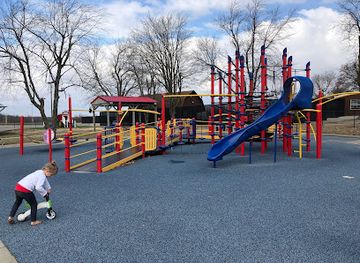
Atchley Park
Discover the tranquility and beauty of Atchley Park, a family-friendly oasis in Lebanon, Missouri, perfect for outdoor adventures and relaxation.
12 min drive · 4.1 km from city centre
-
Tourist attraction
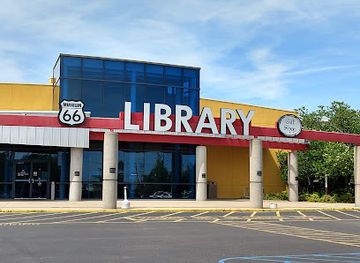
Route 66 Museum
Explore the Route 66 Museum in Lebanon, Missouri, a captivating journey through the history and culture of America's most famous highway.
5 min walk · 0.4 km from city centre
-
Tourist attraction
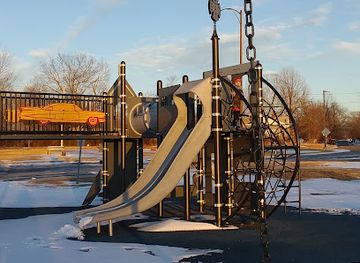
Boswell Park
Discover Boswell Park in Lebanon, Missouri: a serene park perfect for family outings, picnics, and enjoying the beauty of nature.
5 min walk · 0.4 km from city centre
-
Tourist attraction
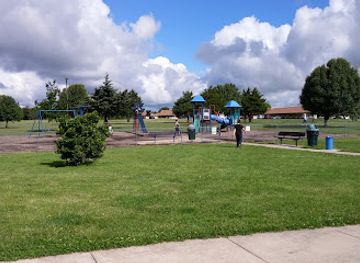
Harke Park
Explore Harke Park in Lebanon, Missouri—where nature, recreation, and community come together for an unforgettable outdoor experience.
11 min drive · 3.8 km from city centre
Best landmarks in Lebanon
Lebanon's landmarks are chiefly civic, commercial and road-related rather than monumental. The Laclede County Courthouse represents the city's continuing role as county seat and focal point for local administration, while the historic downtown buildings preserve the scale of an Ozark county town shaped by trade and public life. The Route 66 Museum and Research Center is an important cultural landmark because it documents the highway's influence on Lebanon, from roadside commerce to post-war mobility. The old Route 66 corridor itself functions as a dispersed heritage landscape, with surviving road traces and associated buildings recalling the era before Interstate 44 diverted much through-traffic. Outside the city, Bennett Spring is a natural landmark of regional importance: its spring and stream landscape combine geological character with the long-standing recreational history of the Ozarks.
-
Seafood
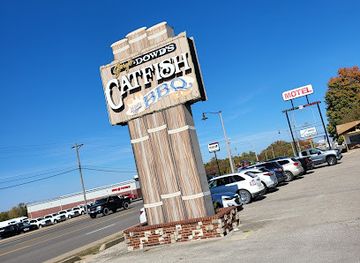
Dowds Catfish House
Experience Southern hospitality and award-winning catfish at Dowds Catfish House in Lebanon, Missouri. A taste of the bayou on Route 66!
6 min drive · 2.1 km from city centre
-
American
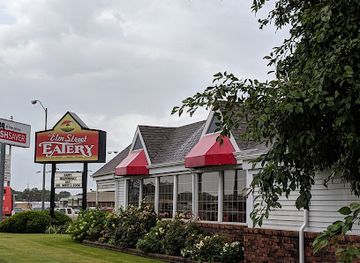
The Elm Street Eatery
Experience classic American comfort food with a modern twist at The Elm Street Eatery, located on historic Route 66 in Lebanon, MO.
7 min walk · 0.5 km from city centre
-
Steak
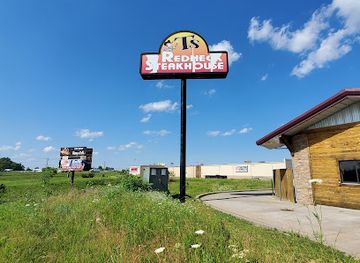
T's Redneck Steakhouse
Enjoy hearty steaks, BBQ, and house-distilled spirits in a casual, family-friendly atmosphere at T's Redneck Steakhouse in Lebanon, MO.
14 min walk · 1.1 km from city centre
-
Italian
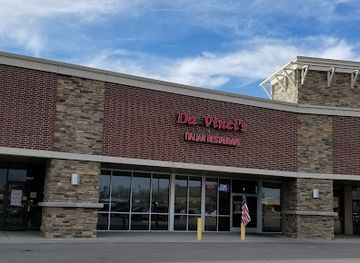
DaVinci's Italian Restaurant
Experience authentic Italian cuisine in Lebanon, MO, at DaVinci's, where family recipes and fresh ingredients create unforgettable flavors.
12 min walk · 1.0 km from city centre
Explore Lebanon on the map
Plan your Lebanon trip on one map. See where the top attractions, landmarks, restaurants, bars and hotels are, find what's near where you're staying, and book hotels and experiences in a few clicks.
Best hotels in Lebanon
Best restaurants in Lebanon
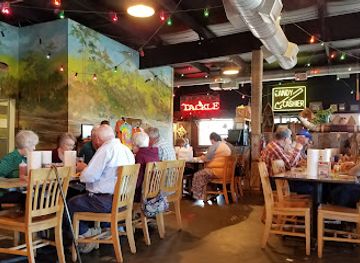
Lebanon's dining scene is shaped by the food traditions of Missouri and the practical needs of a regional road town. Visitors will find familiar American cooking, barbecue, burgers, diners, cafés and family restaurants, alongside Mexican and other broadly represented cuisines. Barbecue is associated with the wider Missouri food culture, while breakfasts, homemade-style pies and generous café meals suit the town's highway and farming connections. Route 66 nostalgia is often reflected in the atmosphere of roadside dining, even where menus are contemporary. Downtown and the main commercial corridors provide the greatest concentration of everyday options, while travellers heading towards Bennett Spring may encounter more rural, seasonal places to eat. Local produce and classic comfort food are more characteristic than a single formal regional cuisine, and menus, hours and payment practices vary between independent businesses.
-
Seafood
Dowds Catfish House
Savor authentic Southern cuisine at Dowd's Catfish House in Lebanon, MO - where fresh catfish meets smoky barbecue flavors.
6 min drive · 2.1 km from city centre
-
American
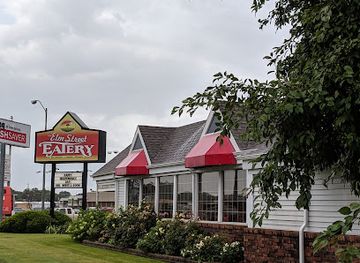
The Elm Street Eatery
Experience delicious American breakfasts at The Elm Street Eatery in Lebanon - where every meal is made with love and local ingredients.
7 min walk · 0.5 km from city centre
-
Hamburger
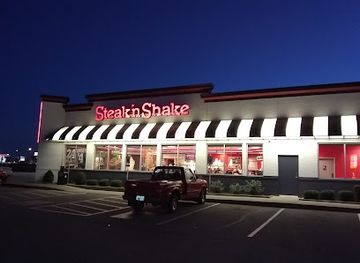
Steak 'n Shake
Experience the classic taste of America at Steak 'n Shake in Lebanon - where delicious burgers meet irresistible milkshakes.
10 min walk · 0.8 km from city centre
-
Breakfast
Denny's
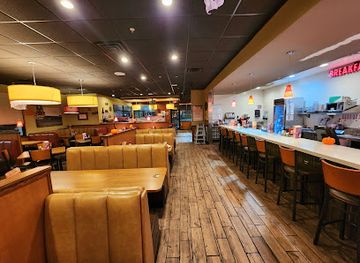
Experience delicious American breakfast favorites at Denny's in Lebanon - open 24/7 for satisfying meals any time!
14 min walk · 1.1 km from city centre
Best bars in Lebanon
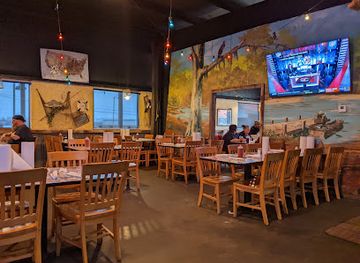
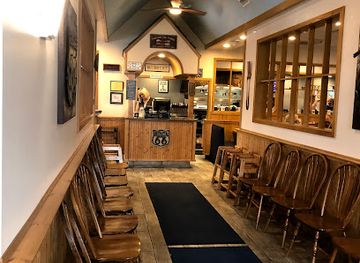
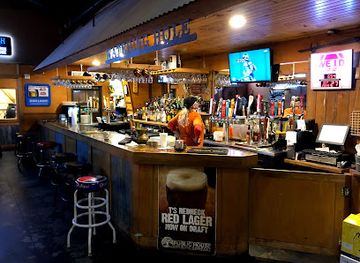
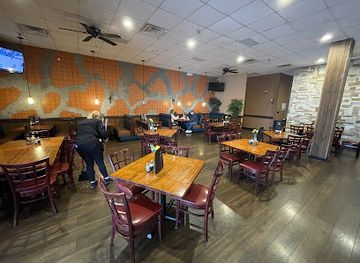
Lebanon's evening scene is modest and locally oriented rather than built around a large club district. After dark, social life is found mainly in neighbourhood bars, casual restaurants, small gathering places and occasional community or live-music events. Route 66 associations and local festivals can bring a more animated atmosphere, particularly when classic cars, outdoor entertainment or heritage programming are involved. The town's dispersed layout means that venues are not concentrated into one clearly defined nightlife quarter, and visitors should plan transport rather than rely on frequent late-night public connections. Evening alternatives include quiet meals, local events and drives through the illuminated commercial corridors, while larger concert, theatre and nightclub choices are more likely to require travel to Springfield or another regional centre.
-
Seafood
Dowds Catfish House
Experience delicious seafood and barbecue at Dowd's Catfish House in Lebanon, Missouri, a must-visit for food enthusiasts.
6 min drive · 2.1 km from city centre
-
American
The Elm Street Eatery
Experience the best of American breakfast at The Elm Street Eatery, where every bite delights and the atmosphere feels like home.
7 min walk · 0.5 km from city centre
-
Steak
T's Redneck Steakhouse
Experience the hearty flavors of T's Redneck Steakhouse, where every steak is a celebration of American cuisine in a welcoming atmosphere.
14 min walk · 1.1 km from city centre
-
Italian
DaVinci's Italian Restaurant
Experience authentic Italian cuisine at DaVinci's Italian Restaurant, a must-visit culinary haven in Lebanon, Missouri.
12 min walk · 1.0 km from city centre
Best nightclubs in Lebanon
Lebanon's evening scene is modest and locally oriented rather than built around a large club district. After dark, social life is found mainly in neighbourhood bars, casual restaurants, small gathering places and occasional community or live-music events. Route 66 associations and local festivals can bring a more animated atmosphere, particularly when classic cars, outdoor entertainment or heritage programming are involved. The town's dispersed layout means that venues are not concentrated into one clearly defined nightlife quarter, and visitors should plan transport rather than rely on frequent late-night public connections. Evening alternatives include quiet meals, local events and drives through the illuminated commercial corridors, while larger concert, theatre and nightclub choices are more likely to require travel to Springfield or another regional centre.
-
Steak
T's Redneck Steakhouse
Experience the heart of Missouri dining at T's Redneck Steakhouse, where delicious steaks and warm hospitality await.
14 min walk · 1.1 km from city centre
-
Restaurant
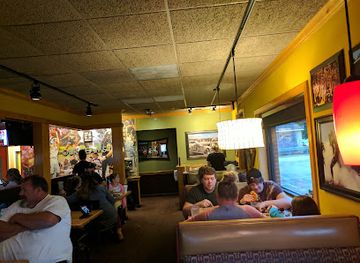
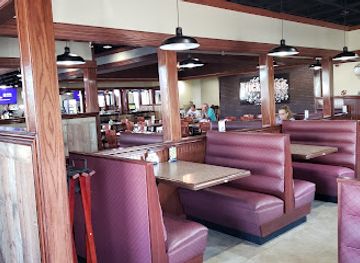
Applebee's Grill + Bar
Experience the charm of Applebee's Grill + Bar in Lebanon, MO, where delicious American cuisine and a family-friendly atmosphere await.
10 min walk · 0.8 km from city centre
-
Chicken
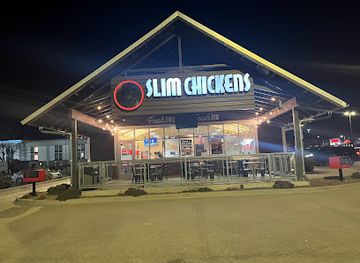
Slim Chickens
Experience the irresistible flavors of Southern fried chicken and wings at Slim Chickens in Lebanon, MO, where comfort food meets family-friendly dining.
7 min drive · 2.5 km from city centre
-
Restaurant
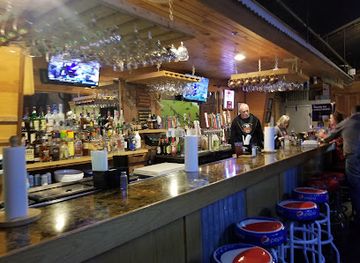
Brickhouse Bar and Grill
Experience the best of American cuisine at Brickhouse Bar and Grill in Lebanon, Missouri, where delicious flavors meet a welcoming atmosphere.
7 min drive · 2.4 km from city centre
Best shops in Lebanon
Shopping in Lebanon is practical, independent and strongly influenced by Route 66 culture. Downtown and the city's main commercial areas contain local retailers, service businesses, antique-related shops and places selling souvenirs or memorabilia connected with the historic highway. Visitors may find vintage signs, road-themed gifts, regional crafts and locally produced food items, although stock varies between businesses and seasons. The Route 66 Museum and Research Center provides historical context rather than functioning as a conventional shopping district, while nearby independent stores offer a more informal look at everyday life in the community. Larger general retail is also available along the modern highway corridors, but Lebanon's more distinctive purchases tend to be small antiques, Americana, handmade goods and Missouri-themed products rather than luxury fashion or specialist designer merchandise.
-
Department store
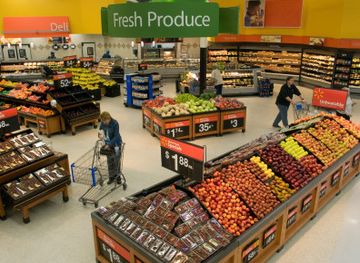
Walmart Supercenter
Discover Walmart Supercenter in Lebanon, MO: Your affordable shopping haven for groceries, electronics, and more, all under one roof.
5 min drive · 1.6 km from city centre
-
Supermarket
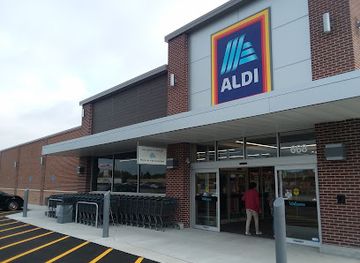
ALDI
Experience affordable grocery shopping at ALDI in Lebanon, Missouri, with a diverse selection of local products and budget-friendly prices.
7 min walk · 0.6 km from city centre
-
Outlet store
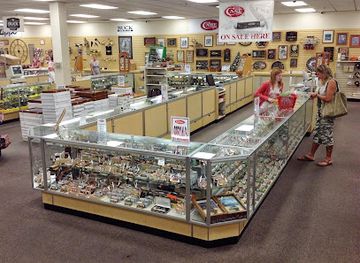
Shepherd Hills Factory Outlets
Discover unbeatable deals at Shepherd Hills Factory Outlets in Lebanon, MO - your ultimate shopping destination for brand-name bargains.
7 min drive · 2.3 km from city centre
-
Antique store
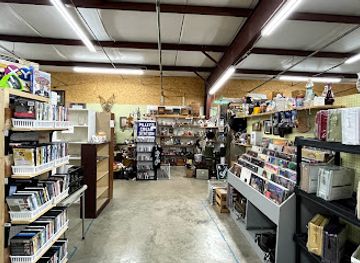
Heartland Antique Mall
Explore Heartland Antique Mall in Lebanon, MO, where vintage treasures and unique finds await, making every visit a nostalgic journey.
9 min drive · 2.9 km from city centre
Get your free copy of our complete guide to Lebanon, delivered straight to you.
Everything on this page, from attractions and restaurants to essentials and local phrases, in one PDF you can read offline, print or share.
Already have an account? Sign in
Your Lebanon guide is ready.
We'll send it to · Not you? Sign out

Getting your guide ready…
We are putting together a fresh copy of the Lebanon guide. This can take up to a minute.
This can take a few moments. If your browser asks, choose Allow so the download can start. You'll find the guide in your Downloads folder.
Nothing happened? Download it again
Sorry, the guide is taking longer than usual. Please try again in a minute, or get it by email instead.
Lebanon essentials
Currency and Payment
Safety
Emergency Situations
Do's and Don'ts
Local Tips
From Eve
Local phrases worth knowing
You don't need to get them perfect. A few words go a long way, and locals appreciate the effort.
Basics
| English | Local | Say it |
|---|---|---|
| Hello | Marhaba | [mar-ha-ba] |
| Goodbye | Ma'a as-salama | [ma-a as-sa-la-ma] |
| Yes | Na'am | [na-am] |
| No | La | [la] |
| Please/You're welcome | Min fadlik | [meen fad-lek] |
| Thank you | Shukran | [shuk-ran] |
| Excuse me/Sorry | ‘Afuwan | [a-fu-wan] |
| How are you? | Kifak? | [ki-fak] |
| Fine. And you? | Mni7. W inta? | [mnee-ha. w in-ta] |
| Do you speak English? | Bit7ek 3arabi? | [bit-hek a-ra-bee] |
| I don't understand | Ma fhemet | [ma feh-met] |
Eating & Drinking
| English | Local | Say it |
|---|---|---|
| I'd like to see the menu, please | Bi hibos aktar el menu, min fadlik | [bee hee-bos ak-tar el me-nu, meen fad-lek] |
| I don't eat meat | Ma biakol la7me | [ma bee-a-kol la-hme] |
| Cheers! | Saha! | [sa-ha] |
| I would like to pay, please | Bi hibos aktar el fatura, min fadlik | [bee hee-bos ak-tar el fa-tu-ra, meen fad-lek] |
Emergencies
| English | Local | Say it |
|---|---|---|
| Help! | 3awn! | [a-wn] |
| Go away! | Rou7! | [rouh] |
| Call the Police! | Dhaher el shorta! | [dha-her el shor-ta] |
| Call a doctor! | Dhaher el tabib! | [dha-her el ta-beeb] |
| I'm lost | Ghadt | [gha-dt] |
| I'm ill | Ana marid | [a-na ma-rid] |
Shopping
| English | Local | Say it |
|---|---|---|
| I'd like to buy... | Bi hibos ashtray... | [bee hee-bos ash-tray] |
| I'm just looking | Ana bas bshouf | [a-na bas b-shouf] |
| How much is it? | Bi kam hala? | [bee kam ha-la] |
| That's too expensive | Hada ghali kteer | [ha-da gha-li k-teer] |
| Can you lower the price? | Bte2der tsaghl el se3r? | [bte-der tsa-ghel el se-er] |
Time & Numbers
| English | Local | Say it |
|---|---|---|
| What time is it? | Shou sa3a? | [shu sa-a] |
| It's one o'clock | Hada wahad | [ha-da wa-had] |
| Half past (10) | Nos w nes | [nos w nes] |
| Morning | Saba7 | [sa-ba-h] |
| Afternoon | Duhur | [du-hur] |
| Evening | 3ashiya | [a-shi-ya] |
| Yesterday | Mbare7 | [m-ba-reh] |
| Today | Lyom | [lyom] |
| Tomorrow | Bukra | [buk-ra] |
| 1 | Wahad | [wa-had] |
| 2 | Ithnayn | [ith-na-yn] |
| 3 | Thalatha | [tha-la-tha] |
| 4 | Arba3a | [ar-ba-a] |
| 5 | Khamsa | [kham-sa] |
| 6 | Sitta | [sit-ta] |
| 7 | Saba3a | [sa-ba-a] |
| 8 | Thamanya | [tha-ma-nya] |
| 9 | Tis3a | [tis-a] |
| 10 | Ashra | [ash-ra] |
Transport & Directions
| English | Local | Say it |
|---|---|---|
| Where's a/the...? | Wayn fi... | [wayn fi] |
| What's the address? | Shou el 3enwan? | [shu el ein-wan] |
| Can you show me (on the map)? | Bte2der terini (3ala el khareeta)? | [bte-der te-ree-nee (a-la el kha-ree-ta)] |
| When's the next (bus)? | Ithnayn el bus el tali? | [ith-na-yn el bus el ta-li] |
| A ticket (to ....) | Talab (ila ....) | [ta-lab (i-la)] |
History of Lebanon
Settlement in the Ozarks
The area around present-day Lebanon was settled during the nineteenth-century expansion of Euro-American communities into the Missouri Ozarks. Its position among wooded uplands, streams and agricultural country encouraged farming and local trade, while roads connected the settlement with larger communities in central and southwestern Missouri. The town was named Lebanon, reflecting a common nineteenth-century practice of drawing on biblical place names. Laclede County, created in 1849, made Lebanon its county seat, giving the community an administrative role that helped support its early growth. The county courthouse and later civic buildings express this continuing function, while the surrounding landscape retains the rural character that shaped the settlement's economy.
A County Seat Takes Shape
During the later nineteenth century, Lebanon developed as a market and service centre for Laclede County. Merchants, tradespeople, farmers and public officials gathered around the town's commercial core, and churches, schools and civic organisations helped establish a permanent community. Improved roads and the arrival of rail connections strengthened Lebanon's links with regional markets, allowing agricultural products and manufactured goods to move more efficiently. The town's history reflects the wider development of the Ozarks, where small county seats served dispersed rural populations rather than functioning as large industrial cities. Surviving historic buildings, local records and museum collections preserve aspects of this period of commercial and civic consolidation.
Railways and Regional Commerce
Rail transport played an important role in connecting Lebanon with the wider state and in broadening its commercial importance. The arrival of the St. Louis–San Francisco Railway, commonly known as the Frisco, linked the town into a network serving Missouri and neighbouring states. Railways brought passengers, mail and merchandise while giving local producers access to distant markets. Lebanon consequently became more than an isolated rural settlement: it was a point of exchange for the farms and small communities of the county. The railway era also contributed to the growth of businesses and institutions that supported the town's role as a regional centre, even as later transport technologies changed the pattern of movement.
Route 66 Reaches Lebanon
The designation of U.S. Route 66 in 1926 placed Lebanon on one of the most famous roads in the United States. The highway connected Chicago with Los Angeles and brought motorists, commercial traffic and new roadside businesses through the Ozarks. Gas stations, cafés, motor courts and repair shops developed to serve travellers, creating a distinctive road culture that became central to Lebanon's modern identity. The construction of Interstate 44 later shifted much through-traffic away from the original road, but Route 66 remains visible in local collections, memorabilia and surviving traces of the old alignment. The Route 66 Museum and Research Center records this period and its importance to the town.
Modern Lebanon and Local Heritage
After the Second World War, Lebanon expanded its schools, services, housing and commercial areas as road travel and regional commerce changed. Interstate 44 brought efficient connections with Springfield, Rolla and St Louis, although it also reduced the prominence of some older roadside businesses. The city continues to serve as Laclede County's governmental and commercial centre, while heritage organisations and local museums interpret its earlier development. Contemporary Lebanon combines the practical functions of a small Missouri city with an identity shaped by Route 66, county history and access to the recreational landscapes of the Ozarks. Nearby Bennett Spring State Park adds an important outdoor dimension to the area's continuing visitor economy.
Lebanon in Photos
Browse through our photo collection highlighting the charm and character of the destination.
Cities near Lebanon
The closest cities to Lebanon, if you have time for more than one stop.
-

-

-

-

-


Swipe for more cities
Explore more

Explore more of Missouri
Experience the diverse landscapes, rich history, and vibrant culture of Missouri, the heart of America, offering everything from bustling cities to serene natural escapes.
Explore Missouri