Rudi Monastery: A Moldovan Spiritual Sanctuary
Discover Rudi Monastery: A serene Moldovan sanctuary with rich history, stunning architecture, and breathtaking natural surroundings.
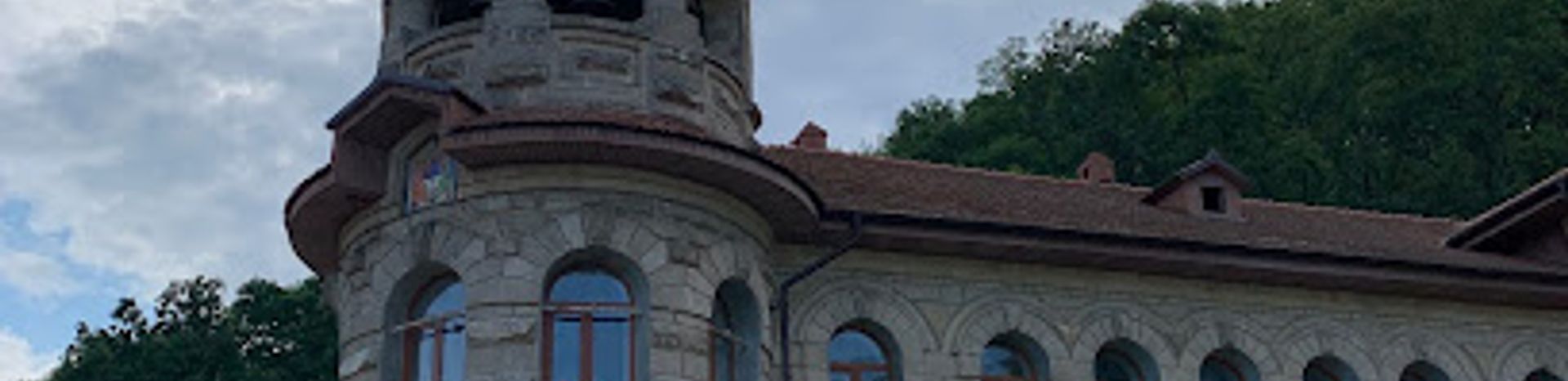
Nestled in the picturesque Rudi-Arionesti landscape near the Dniester River, Rudi Monastery is a serene nunnery showcasing traditional Moldavian architecture and a rich history dating back to 1777. It offers visitors a glimpse into Moldova's religious heritage and natural beauty.
A brief summary to Rudi Monastery

Know before you go
Hi, I'm Eve. Here are a few practical things to know before exploring Rudi Monastery.
- Dress modestly when visiting the monastery; it is a sign of respect for this religious site.
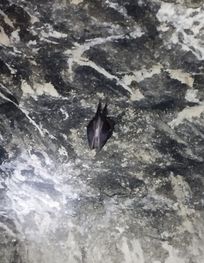
- Explore the natural cave and ancient fortresses near the monastery to enrich your visit.
- Take a leisurely hike through the surrounding Rudi-Arionesti landscape to fully appreciate the area's beauty.
Do you manage this location?
Take control to get all the benefits, like improved information, better appearance, and stronger visibility across AI-powered discovery. Learn more
Activate your presenceOther nearby places you may find interesting



Getting There
-
Bus
From Soroca, take a local bus towards Rudi. Buses have limited service, especially on weekends, so check the schedule in advance. The bus will drop you off in the village of Rudi, from where the monastery is a short walk.
-
Taxi
From Soroca, a taxi to Rudi Monastery is a direct option. The ride is approximately 45 km and should take around 45-60 minutes. Expect to pay around 250-350 MDL for the trip.
Discover more about Rudi Monastery
Explore the best of what Rudi Monastery has to offer













More about Soroca County
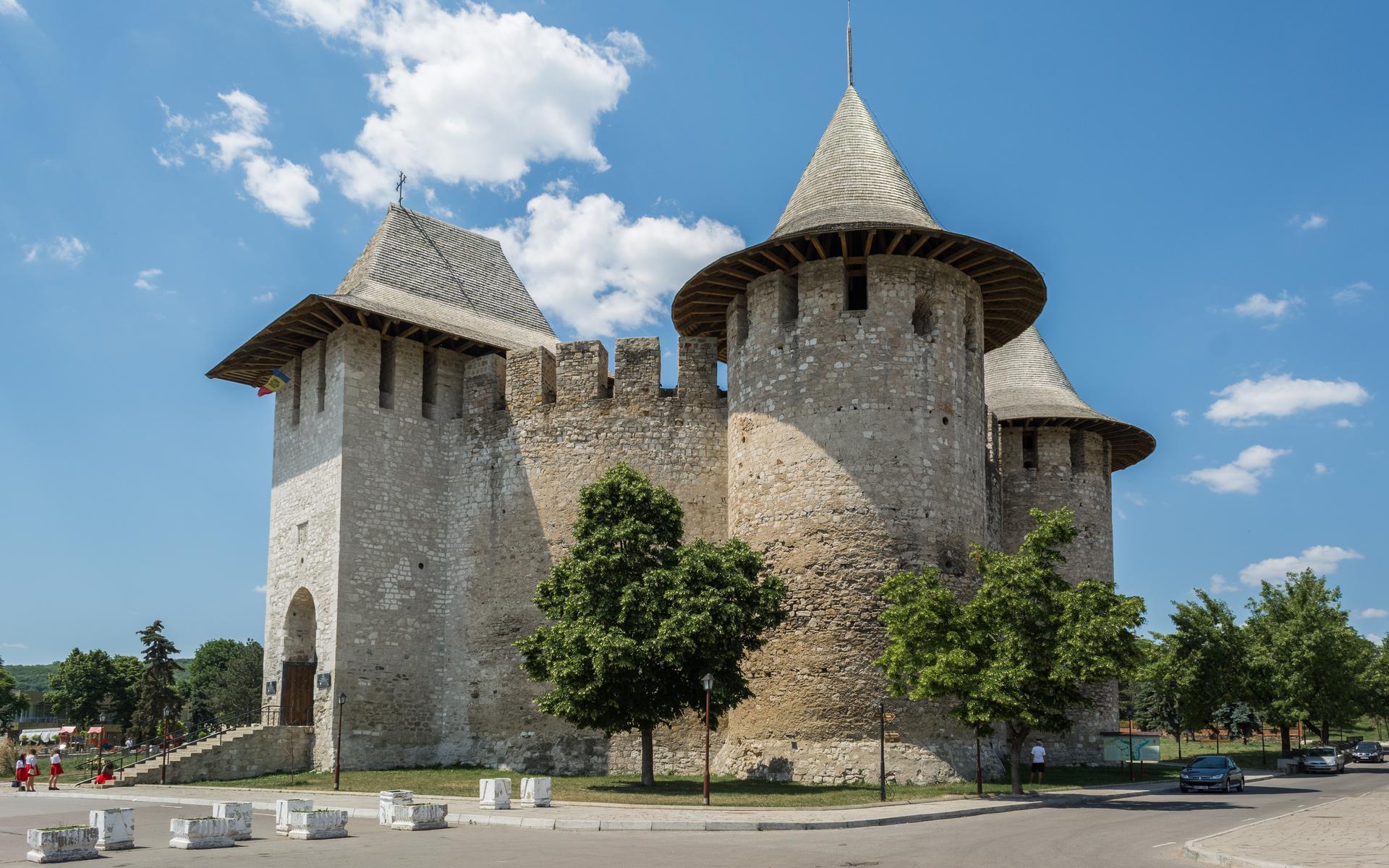
Discover Soroca County: A blend of medieval history, vibrant Roma culture, and stunning natural landscapes in Moldova's northern heart.
Tell me more about Soroca County