

Vatra Travel Guide - Free Web & App
Your ultimate guide to Vatra. Discover top landmarks, proposed trips, and local tips. Free on the web or via the Evendo companion app.


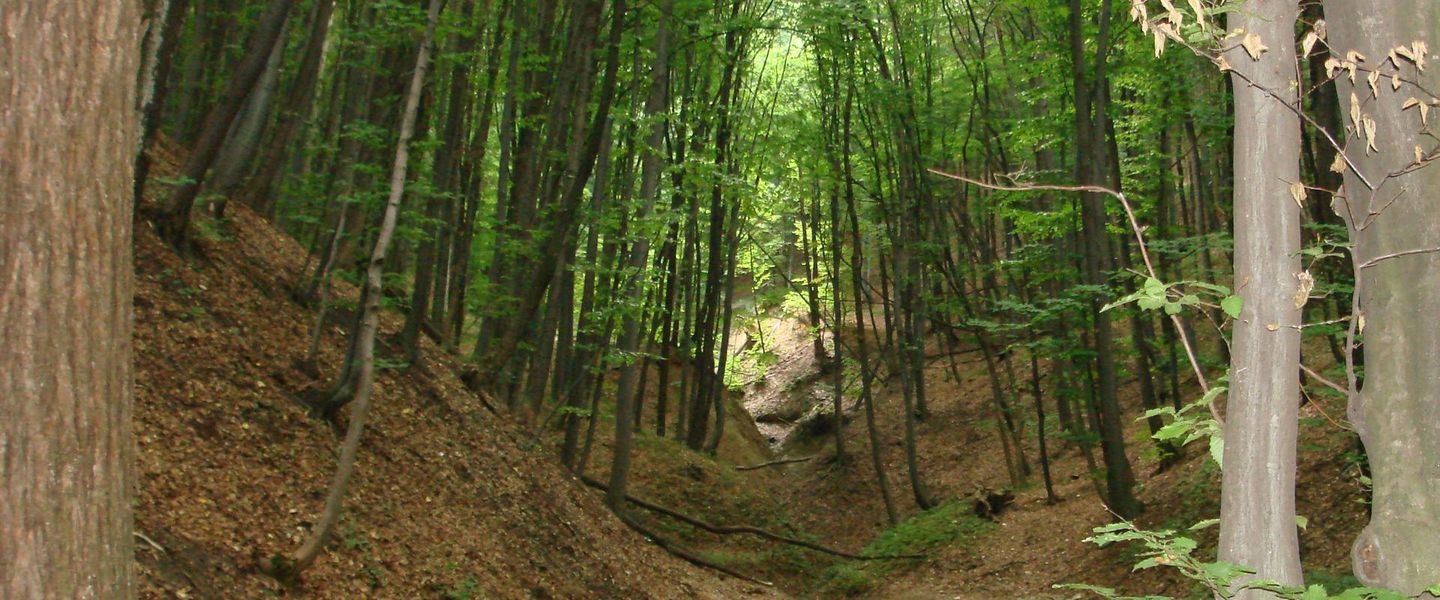


Vatra, Moldova offers peaceful Ghidighici Reservoir scenery, Bîc River landscapes and easy access to Chișinău for lakeside day trips and rural escapes.
Water, Woodland and the Bîc Valley
Vatra is a small town in central Moldova, within Chișinău Municipality and roughly 10 kilometres north-west of the capital. Its setting is defined by the Bîc River and the broad Ghidighici Reservoir, a man-made lake whose open water and low wooded shores provide a marked contrast with Chișinău’s urban landscape. The town is better understood as a compact lakeside gateway than as an independent resort: its appeal lies in accessible countryside, water views and proximity to Moldova’s principal city.Read more about Vatra
A Quiet Base near Chișinău
Exploring the Wider Region
When is the best time to visit Vatra?
Best: May–June, September · 24–30°C| Month | High (°C) | Rainfall (mm) |
|---|---|---|
| January | 2 | 35 |
| February | 4 | 30 |
| March | 10 | 25 |
| April | 17 | 20 |
| May (best) | 24 | 15 |
| June (best) | 30 | 10 |
| July | 32 | 10 |
| August | 31 | 10 |
| September (best) | 25 | 15 |
| October | 18 | 25 |
| November | 10 | 30 |
| December | 4 | 35 |
Getting to and around Vatra
How to get there
Transportation
Best landmarks in Vatra
Ghidighici Reservoir is Vatra’s defining landmark, a large artificial body of water created along the Bîc valley and now recognised by its open shoreline and broad views across the surrounding lowland landscape. Its significance is primarily environmental, infrastructural and recreational rather than architectural: the reservoir illustrates how water management reshaped the valley and gave the modern settlement a distinctive lakeside setting. The Bîc River itself is another important geographical feature, linking Vatra with the wider Chișinău area and providing the landscape’s natural framework. Vatra’s built environment is predominantly modern and residential, without the concentration of medieval buildings or monumental architecture found in some Moldovan towns. Historic and cultural landmarks in Chișinău, including the capital’s churches, museums and central urban spaces, are nearby but should be treated as attractions outside Vatra rather than as part of the town’s own landmark inventory.
-
Swimming pool
GOA Territory
Experience summer fun at GOA Territory in Vatra, Moldova: swimming, parties, and lakeside dining near Chișinău.
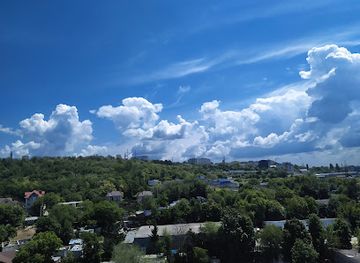
Explore Vatra on the map
Plan your trip on one map. See where the top attractions, landmarks, restaurants and hotels are, and book hotels and experiences in a few clicks.
Best hotels in Vatra
Best restaurants in Vatra
Vatra has a modest local dining offer compared with Chișinău, and visitors should expect food provision to be concentrated in small businesses, roadside venues or private establishments rather than in a large restaurant district. The wider region reflects Moldova’s home-style cuisine, with dishes such as zeamă, mămăligă, plăcinte and sarmale commonly associated with the national table, alongside seasonal vegetables, fruit preserves and locally produced wine. Around the reservoir, facilities may be seasonal or limited, so a picnic bought in Chișinău can be practical for a day outdoors, provided waste is taken away. For a wider choice of cafés, traditional restaurants, bakeries and contemporary dining, Chișinău is the reliable nearby base. Visitors interested in Moldova’s wine culture will find more established tasting and dining experiences on organised excursions beyond Vatra rather than within the town itself.
-
Romanian
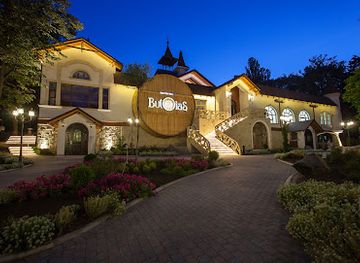
Butoiaș
Discover authentic Romanian flavors at Butoiaș in Chișinău - where every dish tells a story.
-
Restaurant
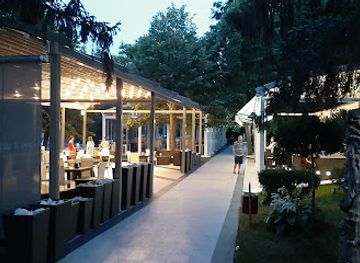
Pânzele Albe
Discover Pânzele Albe in Vatra: A delightful blend of exquisite cuisine and tranquil leisure amid Moldova's natural beauty.
-
 Pizza
PizzaPizzeria pe vatră
Discover authentic wood-fired pizzas at Pizzeria pe Vatră in Chișinău - a must-visit culinary gem for pizza lovers.
Best shops in Vatra
Shopping in Vatra is limited and primarily serves local residents, so visitors should not expect a dedicated craft quarter, permanent tourist market or extensive range of specialist shops. Small local shops may provide everyday supplies, while larger supermarkets, pharmacies, markets and independent retailers are more readily available in Chișinău. The capital is also the practical place to look for Moldovan wine, honey, preserves, textiles, ceramics and other regional products, although particular stock changes between businesses. Farm produce and seasonal fruit may appear through informal local selling, but visitors should check quality and payment arrangements before buying. Outdoor provisions, picnic supplies and basic equipment are best obtained before heading to the reservoir, especially if travelling outside the town’s built-up area.
-
Home goods store
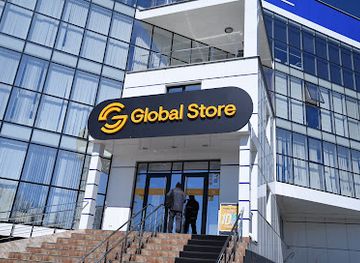
Global Store #1
Explore Global Store #1 in Chișinău for an unforgettable shopping experience filled with diverse home goods and unique Moldovan craftsmanship.
-
Supermarket
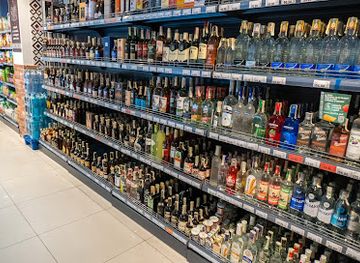
Linella
Explore Linella in Vatra, Moldova, where local flavors and international products come together in a vibrant supermarket experience.
-
Store
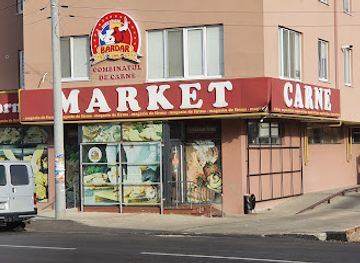
SUPERMARKET BARDAR
Discover the vibrant local culture and fresh flavors at SUPERMARKET BARDAR in Vatra, Moldova, a must-stop shopping destination for tourists.
-
Home goods store
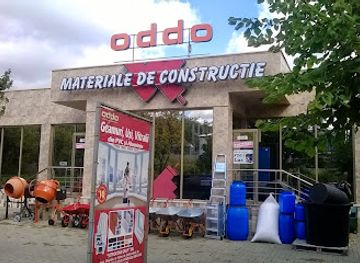
Oddo
Explore Oddo in Vatra, Moldova: Your destination for quality home goods and unique decor that brings warmth and style to any home.
Get your free copy of our complete guide to Vatra, delivered straight to you.
Everything on this page, from attractions and restaurants to essentials and local phrases, in one PDF you can read offline, print or share.
Already have an account? Sign in
Your Vatra guide is ready.
We'll send it to · Not you? Sign out

Getting your guide ready…
We are putting together a fresh copy of the Vatra guide. This can take up to a minute.
This can take a few moments. If your browser asks, choose Allow so the download can start. You'll find the guide in your Downloads folder.
Nothing happened? Download it again
Sorry, the guide is taking longer than usual. Please try again in a minute, or get it by email instead.
Vatra essentials
Currency and Payment
Safety
Emergency Situations
Do's and Don'ts
Local Tips
From Eve
Local phrases worth knowing
You don't need to get them perfect. A few words go a long way, and locals appreciate the effort.
Basics
| English | Local | Say it |
|---|---|---|
| Hello | Salut | [saˈlut] |
| Goodbye | La revedere | [la re.veˈde.re] |
| Yes | Da | [da] |
| No | Nu | [nu] |
| Please/You're welcome | Te rog | [te roɡ] |
| Thank you | Mulțumesc | [mul.t͡suˈmesk] |
| Excuse me/Sorry | Scuzați-mă | [sku.zaˈt͡sɨ mə] |
| How are you? | Cum ești? | [kum ˈeʃtʲ] |
| Fine. And you? | Bine. Și tu? | [biˈne ʃʲ‿ʃi tu] |
| Do you speak English? | Vorbiți engleză? | [vorˈbit͡sʲ en.ɡlezə] |
| I don't understand | Nu înțeleg | [nu ɨnt͡seˈleɡ] |
Eating & Drinking
| English | Local | Say it |
|---|---|---|
| I'd like to see the menu, please | Aș dori să văd meniul, vă rog | [əʃ doˈri sə vad ˈmeni.ul və roɡ] |
| I don't eat meat | Nu mănânc carne | [nu mɨˈnɨŋk ˈkarne] |
| Cheers! | Noroc! | [noˈrok] |
| I would like to pay, please | Aș dori să plătesc, vă rog | [əʃ doˈri sə pləˈtesk və roɡ] |
Emergencies
| English | Local | Say it |
|---|---|---|
| Help! | Ajutor! | [aˈʒu.tor] |
| Go away! | Du-te! | [du.te] |
| Call the Police! | Sună la Poliție! | [suˈnə la poˈlit͡si.e] |
| Call a doctor! | Sună un doctor! | [suˈnə un dokˈtor] |
| I'm lost | M-am rătăcit | [mam rətəˈt͡sit] |
| I'm ill | Sunt bolnav | [sunt bolˈnav] |
Shopping
| English | Local | Say it |
|---|---|---|
| I'd like to buy... | Aș dori să cumpăr... | [əʃ doˈri sə kumˈpər] |
| I'm just looking | Doar mă uit | [do.ar mə wit] |
| How much is it? | Cât costă? | [kɨt kosˈtə] |
| That's too expensive | Este prea scump | [ˈeste pre̯a skump] |
| Can you lower the price? | Puteți să scădeți prețul? | [puˈteɨ̯t͡s sə skəˈdɛt͡s pre̯ət͡sul] |
Time & Numbers
| English | Local | Say it |
|---|---|---|
| What time is it? | Cât este ora? | [kɨt ˈeste oˈra] |
| It's one o'clock | Este ora unu | [ˈeste oˈra unu] |
| Half past (10) | Jumătate (10) | [ʒu.məˈtate (10)] |
| Morning | Dimineața | [dimiˈne̯at͡sa] |
| Afternoon | După-amiază | [du.pə a.miˈazə] |
| Evening | Seara | [ˈse̯ara] |
| Yesterday | Ieri | [ˈjerʲ] |
| Today | Astăzi | [asˈtəzʲ] |
| Tomorrow | Mâine | [mɨˈjne] |
| 1 | Unu | [unu] |
| 2 | Doi | [doj] |
| 3 | Trei | [trej] |
| 4 | Patru | [ˈpatru] |
| 5 | Cinci | [ˈt͡ʃint͡ʃʲ] |
| 6 | Șase | [ʃaˈse] |
| 7 | Șapte | [ʃapte] |
| 8 | Opt | [opt] |
| 9 | Nouă | [noˈwə] |
| 10 | Zece | [ˈzeke] |
Transport & Directions
| English | Local | Say it |
|---|---|---|
| Where's a/the...? | Unde este unul/una...? | [unˈde este uˈnul uˈna] |
| What's the address? | Care este adresa? | [kare ˈeste aˈdresa] |
| Can you show me (on the map)? | Puteți să-mi arătați (pe hartă)? | [puˈteɨ̯t͡s sə mi aˈrətaʦi pe harˈtə] |
| When's the next (bus)? | Când vine următorul (autobuz)? | [kɨnd vi.ne urˈmətorul (a.uˈto.buz)] |
| A ticket (to ....) | Un bilet (spre ....) | [un biˈlet spre] |
History of Vatra
The Bîc River Landscape
Vatra stands in the valley of the Bîc, one of the rivers flowing through central Moldova and the watercourse that links the town’s rural setting with Chișinău. The surrounding landscape has long been shaped by farming, transport and settlement on the gently undulating terrain north-west of the capital. Unlike Moldova’s older villages and wine estates, Vatra developed principally as a modern settlement, so its historical character is connected more closely with the changing infrastructure of the Bîc valley than with a large collection of medieval monuments.
A Modern Settlement near Chișinău
Vatra was established during the Soviet period as part of the expanding network of settlements serving the industrial and administrative needs of the Chișinău area. Its name, which means ‘hearth’ or ‘home’, reflects a modern Moldovan place-name rather than an ancient urban foundation. The town’s location close to the capital made it suitable for housing and regional connections, while its position beside the Bîc and the reservoir gave it a recreational dimension that distinguished it from more densely built-up suburbs.
Ghidighici Reservoir and Landscape Change
The creation of the Ghidighici Reservoir transformed the Bîc valley near Vatra, producing a substantial managed body of water used within the wider region for water management and recreation. Such reservoirs altered local shorelines, habitats and patterns of leisure, creating open-water views where the valley had previously been defined by a narrower river channel. The lake remains the most recognisable element of Vatra’s landscape, although its shoreline should be treated as a managed environment rather than as an entirely natural lake.
Vatra in Contemporary Moldova
In independent Moldova, Vatra has remained closely connected with Chișinău Municipality and the capital’s wider suburban zone. Its role is that of a small residential and recreational town, with visitors drawn mainly by the Ghidighici Reservoir and the ease of reaching the countryside from Chișinău. Modern development has brought greater road connectivity and pressure from metropolitan expansion, while the reservoir and Bîc valley continue to provide the local setting for outdoor recreation and informal escapes from the city.
Vatra in Photos
Browse through our photo collection highlighting the charm and character of the destination.
Neighbouring destination travel guides
The closest destinations to Vatra, if you have time for more than one.
-

-

-

-

-


Swipe for more destinations
Explore more

Explore more of Chișinău County
Explore Chișinău Municipality for Moldova’s museums, parks, architecture, markets and cafés, with easy access to the country’s wider cultural landscape.
Explore Chișinău County
Explore more of Moldova
Discover Moldova: A tranquil haven of rich history, stunning vineyards, and captivating natural landscapes, perfect for an off-the-beaten-path European adventure.
Explore Moldova