

Chingeltei District (Ulaanbaatar) Travel Guide - Free
Explore Chingeltei District in Ulaanbaatar with Evendo's free guide. Find the best shops, historic streets, restaurants, and gems on web or mobile.


Chingeltei District, Ulaanbaatar, pairs Chingeltei Mountain and ger neighbourhoods with museums, markets, city views and everyday Mongolian culture.
Mountain, City and Ger Districts
Chingeltei District occupies a broad swathe of northern Ulaanbaatar, extending from the central city towards the wooded slopes and open foothills of Chingeltei Mountain. It is both an administrative district and a varied urban landscape: the southern part contains busy central streets, museums, department stores and institutions, while the northern slopes rise into residential ger areas where unpaved lanes, fenced plots and expansive views are part of daily life. The district’s name is inseparable from the mountain, whose ridges form a natural backdrop to the capital and a useful point of orientation.Read more about Chingeltei District
Central Streets and Cultural Institutions
Everyday Ulaanbaatar
Best attractions in Chingeltei District
Chingeltei’s attractions range from established cultural institutions in the central zone to open landscapes on the district’s northern edge. The National Museum of Mongolia is the principal indoor sight, presenting collections that span prehistoric archaeology, the Mongol Empire, Buddhist culture, the Qing period and the modern state. The surrounding civic streets offer a useful glimpse of central Ulaanbaatar beyond its best-known square, with public buildings, apartment blocks and long-established shops forming an everyday urban backdrop. The Ulaanbaatar City Library provides another cultural reference point, although its visitor facilities and access arrangements should be checked locally. Farther uphill, Chingeltei Mountain supplies the district’s defining outdoor setting, with broad views and walking possibilities rather than a formal tourist complex. The ger areas themselves are living residential neighbourhoods, not an open-air museum, and should be explored with discretion and respect for residents.
-
 Tourist attraction
Bogd Khaan Palace Museum
Explore the majestic Bogd Khaan Palace Museum, a historical gem in Ulaanbaatar showcasing Mongolia's royal legacy and cultural heritage.
7 min drive · 2.3 km from neighbourhood centre
-
Tourist attraction
The Natural History Museum of Mongolia
Explore Mongolia's rich biodiversity at the Natural History Museum, featuring stunning exhibits on geology, dinosaurs, and cultural heritage.
8 min walk · 0.6 km from neighbourhood centre

Best landmarks in Chingeltei District
Chingeltei Mountain is the district’s most important geographical landmark, rising behind the capital and giving the neighbourhood its name and northern profile. In the built-up centre, the National Museum of Mongolia is a major institutional landmark whose collections connect the district with the country’s archaeological, imperial, religious and modern narratives. The surrounding civic architecture, libraries, apartment blocks and commercial buildings are less monumental but help express Ulaanbaatar’s twentieth-century transformation from a monastic settlement into a modern capital. The State Department Store area, close to the southern part of Chingeltei, is a familiar commercial reference point, though visitors should distinguish the broad administrative district from the compact retail zone. Farther north, utility poles, fenced plots, hillside roads and clusters of gers are important features of the contemporary urban landscape rather than historic monuments.
-
Buddhist temple
Gandantegchinlen Monastery
Explore the serene beauty and spiritual heritage of Gandantegchinlen Monastery, a historical Buddhist temple in Ulaanbaatar, Mongolia.
15 min walk · 1.2 km from neighbourhood centre
-
Museum
Choijin Lama Temple Museum
Explore the Choijin Lama Temple Museum in Ulaanbaatar - a captivating journey through Mongolia's Buddhist heritage and artistic legacy.
10 min walk · 0.8 km from neighbourhood centre
-
Buddhist temple
Dashchoilin Monastery
Explore the serenity and rich cultural heritage of Dashchoilin Monastery, a pivotal Buddhist temple in Ulaanbaatar, Mongolia.
17 min walk · 1.4 km from neighbourhood centre
-
Buddhist temple
GANDANTEGCHENLING
Discover the tranquil beauty of Gandantegchilen, Ulaanbaatar's renowned Buddhist temple, a must-visit for cultural and spiritual exploration.
15 min walk · 1.2 km from neighbourhood centre


Explore Chingeltei District on the map
A handpicked selection of must-see spots in Chingeltei District, mapped for you.
Best hotels in Chingeltei District
Best restaurants in Chingeltei District
The central part of Chingeltei has the most dependable choice of food, with cafés, canteens, bakeries, fast-food counters and restaurants serving familiar Mongolian dishes alongside Korean, Chinese and international cooking. Visitors will encounter buuz, steamed dumplings, khuushuur, noodle dishes and meat-based soups, as well as modern coffee shops and casual venues aimed at office workers and students. Food shopping and eating are closely connected in the district’s commercial streets, where small grocery businesses and market-style retailers support everyday residents rather than a dedicated tourist dining quarter. The central department-store area and surrounding streets are useful for comparing quick meals and snacks, while the northern ger areas have fewer clearly signposted choices and are better approached with realistic expectations. Menus may be in Mongolian, so photographs, translation tools and a willingness to ask for help are practical assets.
-
Italian
Rosewood Kitchen + Enoteca
Experience the essence of Italy at Rosewood Kitchen + Enoteca, where authentic flavors meet warm hospitality in Ulaanbaatar.
6 min walk · 0.5 km from neighbourhood centre
-
Restaurant
Veranda
Experience exquisite cuisine and fine wines at Veranda in Ulaanbaatar – a perfect blend of local flavors and contemporary dining.
9 min walk · 0.7 km from neighbourhood centre
-
Mediterranean
Choijin Temple Restaurant
Experience authentic Mediterranean flavors at Choijin Temple Restaurant in Ulaanbaatar - where exquisite cuisine meets warm hospitality.
11 min walk · 0.9 km from neighbourhood centre
-
Italian
La Viva Restaurant
Experience authentic Italian flavors at La Viva Restaurant in Ulaanbaatar—where every dish is crafted with passion and tradition.
10 min walk · 0.8 km from neighbourhood centre

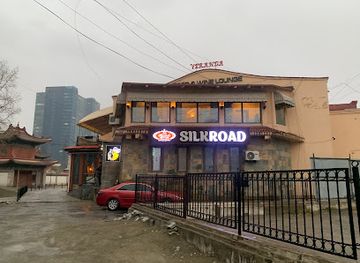


Best bars in Chingeltei District
Chingeltei is not primarily known as a concentrated nightlife district, but its central streets contain a changing mixture of pubs, karaoke rooms, cafés and informal restaurants where residents and office workers meet in the evening. Entertainment is generally more dispersed than in a purpose-built bar quarter, and the atmosphere can shift quickly between busy commercial roads and quiet apartment neighbourhoods. Some venues cater to local social life rather than international visitors, so menus, music and payment arrangements may be oriented towards Mongolian customers. The northern ger areas are predominantly residential and offer little conventional nightlife. After dark, plan routes carefully, keep belongings secure and use a taxi for uphill or unfamiliar streets rather than treating the entire district as a pedestrian evening circuit.
-
Jazz
Fat Cat Jazz Club Ulaanbaatar
Discover the soulful rhythms of jazz at Fat Cat Jazz Club, the premier live music venue in Ulaanbaatar, Mongolia.
9 min walk · 0.7 km from neighbourhood centre
-
Pub
SALM PUB & BAR
Discover the lively atmosphere of SALM PUB & BAR in Ulaanbaatar, a perfect blend of local culture and vibrant nightlife.
13 min walk · 1.0 km from neighbourhood centre
-
Bar
Republik Bar&Venue
Discover the lively nightlife at Republik Bar & Venue in Ulaanbaatar, where local culture meets modern entertainment and exquisite drinks.
1 min walk · 0.1 km from neighbourhood centre
-
Brewpub
Chinggis Club
Discover the vibrant atmosphere of Chinggis Club, a top brewpub in Ulaanbaatar, where craft beer meets Mongolian cuisine in a lively setting.
13 min walk · 1.0 km from neighbourhood centre


Best nightclubs in Chingeltei District
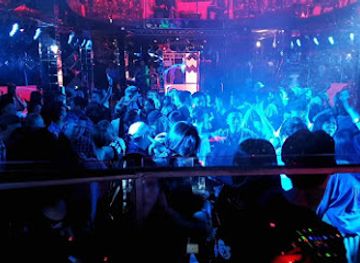
Chingeltei is not primarily known as a concentrated nightlife district, but its central streets contain a changing mixture of pubs, karaoke rooms, cafés and informal restaurants where residents and office workers meet in the evening. Entertainment is generally more dispersed than in a purpose-built bar quarter, and the atmosphere can shift quickly between busy commercial roads and quiet apartment neighbourhoods. Some venues cater to local social life rather than international visitors, so menus, music and payment arrangements may be oriented towards Mongolian customers. The northern ger areas are predominantly residential and offer little conventional nightlife. After dark, plan routes carefully, keep belongings secure and use a taxi for uphill or unfamiliar streets rather than treating the entire district as a pedestrian evening circuit.
-
Night club
CHOCO CLUB ULAANBAATAR
Choco Club Ulaanbaatar: Where the pulse of the city’s nightlife meets the rhythm of the dance floor, offering an unforgettable experience.
9 min walk · 0.7 km from neighbourhood centre
-
Night club
ZU CLUB
Discover the nightlife at ZU CLUB, Ulaanbaatar's premier destination for music, dancing, and unforgettable experiences until the early morning.
8 min walk · 0.6 km from neighbourhood centre
-
Night club
Lux Club
Lux Club: Dive into Ulaanbaatar's electrifying nightlife scene with vibrant music, stylish decor, and unforgettable experiences.
9 min walk · 0.7 km from neighbourhood centre
-
Disco club
Masquer Striptease Club
Discover the vibrant nightlife of Ulaanbaatar at Masquer Striptease Club, where electrifying performances meet an unforgettable atmosphere.
8 min drive · 2.6 km from neighbourhood centre


Best shops in Chingeltei District
Shopping in Chingeltei is practical and mixed, combining central department-store retail with small independent businesses, convenience shops, food sellers, clothing outlets and market-style commerce. The State Department Store area near the district’s southern side is a useful reference for general goods and souvenirs, while surrounding streets provide more ordinary neighbourhood shopping and cafés. Visitors looking for Mongolian products may find cashmere, felt items, leather goods, books and packaged foods, but stock and presentation vary between businesses. The district does not have one single specialist shopping street that defines its identity; its retail character lies in the contrast between formal central stores and everyday shops serving apartment and ger-area residents. Bargaining should not be assumed in every shop, and prices are best confirmed before purchasing from informal stalls.
-
Souvenir store
Mary & Martha Mongolia
Discover unique souvenirs and artistic handicrafts at Mary & Martha Mongolia, a fair trade gem in Ulaanbaatar celebrating Mongolian culture.
1 min walk · 0.1 km from neighbourhood centre
-
Store
Made in Mongolia Store
Explore the essence of Mongolia at Made in Mongolia Store, where authentic handicrafts and local culture come together in a unique shopping experience.
6 min drive · 2.0 km from neighbourhood centre
-
Souvenir store
Mongolian Quilting, Upcycled clothe, local Souvenir (Non profit organization) МОНГОЛЫН ЗҮЙМЭЛ УРЛАЛЫН ТӨВ Mongolia Ulan Bator
Explore the Mongolian Quilting Center for unique upcycled clothing and handcrafted quilts that showcase Mongolia's rich cultural artistry.
13 min walk · 1.0 km from neighbourhood centre
-
Shopping mall
Growingo gift shop
Explore the essence of Mongolia at Growingo Gift Shop in Ulaanbaatar, where unique gifts and local craftsmanship come together.
2 min walk · 0.2 km from neighbourhood centre


Chingeltei District essentials
Getting There
Getting Around
Safety
Emergency Situations
Do's and Don'ts
Local Tips

From Eve
Local phrases worth knowing
You don't need to get them perfect. A few words go a long way, and locals appreciate the effort.
Basics
| English | Local | Say it |
|---|---|---|
| Hello | Сайн байна уу | [Sain baina uu] |
| Goodbye | Баяртай | [Bayartai] |
| Yes | Тийм | [Tiim] |
| No | Үгүй | [Ugui] |
| Please/You're welcome | Та баярлалаа | [Ta bayarlalaa] |
| Thank you | Баярлалаа | [Bayarlalaa] |
| Excuse me/Sorry | Уучлаарай | [Uuchlaarai] |
| How are you? | Та яаж байна уу? | [Ta yaaj baina uu?] |
| Fine. And you? | Сайхан. Чамайгаа яах вэ? | [Saikhan. Chamaigaa yaakh ve?] |
| Do you speak English? | Та англи хэл ярьдаг вэ? | [Ta angli khel yardag ve?] |
| I don't understand | Би ойлгож чадаагүй | [Bi oilgoj chadaagui] |
Eating & Drinking
| English | Local | Say it |
|---|---|---|
| I'd like to see the menu, please | Менюгийг харуулж чадаарай | [Menyuugiyg kharuulj chadaarai] |
| I don't eat meat | Би мах хоолоо хүнсэнгүй | [Bi makh khooloo khunsengui] |
| Cheers! | Төөрөлдөө | [Tooroldoo] |
| I would like to pay, please | Би төлж магадгүй | [Bi tolj magadgui] |
Emergencies
| English | Local | Say it |
|---|---|---|
| Help! | Тусламж! | [Tuslamj] |
| Go away! | Ялна уу! | [Yalna uu] |
| Call the Police! | Полицыг дуудна уу! | [Politssig duudna uu] |
| Call a doctor! | Эмч дуудна уу! | [Emch duudna uu] |
| I'm lost | Би алдсан байна | [Bi aldsan baina] |
| I'm ill | Би эмчилгүй | [Bi emchilgui] |
Shopping
| English | Local | Say it |
|---|---|---|
| I'd like to buy... | Би ... авахыг хүсч байна | [Bi ... avakhig khusch baina] |
| I'm just looking | Би зөвхөн харж байна | [Bi zovkhon kharj baina] |
| How much is it? | Энэ нэрийг хэзээ болж байгаа вэ? | [Ene neriig khezee bolzh baigaa ve?] |
| That's too expensive | Энэ хэтэрхий их | [Ene kheterkhii ikh] |
| Can you lower the price? | Та үнээ буурах боломжтой вэ? | [Ta une burakh bolomzh toi ve?] |
Time & Numbers
| English | Local | Say it |
|---|---|---|
| What time is it? | Одоо хэдэн цаг вэ? | [Odo kheden tsag ve?] |
| It's one o'clock | Нэг цагт | [Neg tsagt] |
| Half past (10) | Арван дөрвөн | [Arvan dorvon] |
| Morning | Өглөө | [Ogloo] |
| Afternoon | Орой | [Oroi] |
| Evening | Оройн цаг | [Oroin tsag] |
| Yesterday | Өчигдөр | [Ochigdor] |
| Today | Өнөөдөр | [Onoodor] |
| Tomorrow | Маргааш | [Margash] |
| 1 | Нэг | [Neg] |
| 2 | Хоёр | [Khoyor] |
| 3 | Гурван | [Gurvan] |
| 4 | Дөрвөн | [Dorvon] |
| 5 | Таван | [Tavan] |
| 6 | Зургаан | [Zurgaan] |
| 7 | Долоон | [Doloon] |
| 8 | Найман | [Naiman] |
| 9 | Ес | [Es] |
| 10 | Арван | [Arvan] |
Transport & Directions
| English | Local | Say it |
|---|---|---|
| Where's a/the...? | ... хаана байна вэ? | [... khana baina ve?] |
| What's the address? | Хаяг хэн байгаа вэ? | [Khayag khen baigaa ve?] |
| Can you show me (on the map)? | Та надад (газрын зураг дээр) харуулж чадна уу? | [Ta nadad (gazrin zurag deer) kharuulj chadna uu?] |
| When's the next (bus)? | Дараагийн (автобус) хэзээ байна вэ? | [Daraagiin (avtobus) khezee baina ve?] |
| A ticket (to ....) | Тасалбар (.... руу) | [Tasalbar (.... ruu)] |
History of Chingeltei District
From Urga to the Northern Slopes
Chingeltei’s modern identity developed alongside Urga, the settlement that became Ulaanbaatar, although the city’s historic centres shifted over time rather than remaining fixed in one district. The northern side of the valley was shaped by the presence of Chingeltei Mountain and by routes connecting the settlement with surrounding pastureland. As the capital expanded, land close to the administrative and commercial core was increasingly built up, while the mountain slopes remained a mixture of open ground, seasonal use and dispersed settlement. The district’s name reflects this enduring geographical relationship: Chingeltei is not simply a street-based quarter but a large urban area defined in part by its northern mountain.
Capital-Building and Socialist Urban Growth
During the twentieth century, Ulaanbaatar developed as the capital of the Mongolian People’s Republic, and the area now understood as Chingeltei absorbed part of that transformation. Apartment blocks, public institutions, paved roads and commercial facilities replaced or surrounded earlier low-density settlement in the central zone. Cultural and educational buildings formed an important part of the city’s new civic landscape, while the district’s northern elevations remained less formally planned. The contrast between central institutional streets and peripheral residential areas is therefore linked to the capital’s uneven expansion during the socialist period, when modern urban infrastructure was concentrated in the valley and selected built-up corridors.
The Museum and Civic City
The establishment and growth of national cultural institutions in central Ulaanbaatar gave Chingeltei an important role in presenting Mongolia’s history to residents and visitors. The National Museum of Mongolia, housed in a central civic building, reflects the state’s effort to collect and interpret the country’s archaeological, imperial, religious and modern heritage. Nearby libraries, theatres, offices and retail institutions helped create a recognisable central-city environment rather than a purely residential district. These buildings are significant not only as visitor attractions but also as evidence of the way Ulaanbaatar’s public life became concentrated in permanent urban institutions during the twentieth century.
Ger-Area Expansion and Contemporary Change
Since Mongolia’s transition to a market economy in the 1990s, Ulaanbaatar has experienced major migration from the countryside, and Chingeltei’s northern ger areas have formed part of the capital’s wider expansion. Families established fenced plots and traditional dwellings on the slopes, often ahead of complete road, drainage and utility provision. The result is a layered landscape in which apartment neighbourhoods, older public buildings and rapidly changing ger districts coexist. Contemporary Chingeltei continues to reflect the pressures of population growth, winter air pollution, infrastructure improvement and land development, while its mountain setting remains a defining element of local identity.
Chingeltei District in Photos
Browse through our photo collection highlighting the charm and character of the destination.
Neighbourhoods near Chingeltei District
The closest neighbourhoods to Chingeltei District, if you have time for more than one stop.
-

-


Swipe for more neighbourhoods
Explore more

Explore more of Ulaanbaatar
Ulaanbaatar combines Mongolian history, Buddhist heritage, museums, ger culture and open-steppe excursions with a lively modern city centre.
Explore Ulaanbaatar