

Free Vilanculos Travel Guide & Mobile App
Plan your Vilanculos trip with Evendo. Get free guides to top attractions, restaurants, hotels, and bars. Web access or download the mobile app.


Vilanculos offers Mozambique beaches, dhow sailing, Bazaruto island trips, marine wildlife, seafood and relaxed coastal culture on the Indian Ocean.
A Coastal Town on the Indian Ocean
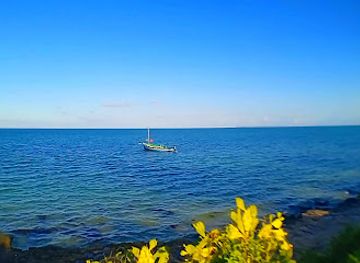
Vilanculos lies on Mozambique’s southern coast, facing the warm, island-dotted waters of the Bazaruto Archipelago. The town is modest in scale, with sandy roads, low-rise buildings, palm-fringed beaches and a daily rhythm shaped by fishing, small businesses and tourism. Its broad shoreline looks towards the archipelago rather than directly at a dense urban skyline, giving Vilanculos an open, maritime character. At low tide, sandbanks and shallow lagoons reveal the changing geography of the coast, while traditional wooden dhows remain part of the working seascape.Read more about Vilanculos
Gateway to Island Landscapes
Local Life and Slow Exploration
When is the best time to visit Vilanculos?
Best: June–August · 23–25°C| Month | High (°C) | Rainfall (mm) |
|---|---|---|
| January | 32 | 229 |
| February | 31 | 206 |
| March | 31 | 136 |
| April | 29 | 61 |
| May | 26 | 17 |
| June (best) | 25 | 6 |
| July (best) | 23 | 6 |
| August (best) | 24 | 6 |
| September | 26 | 17 |
| October | 29 | 58 |
| November | 30 | 128 |
| December | 32 | 218 |
Getting to and around Vilanculos
How to get there
Transportation
Best attractions in Vilanculos
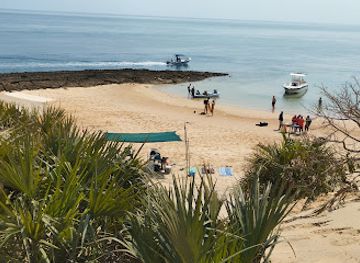
Vilanculos’s principal attractions are coastal and marine rather than monumental. The long beachfront offers wide views towards the Bazaruto Archipelago, with tidal flats, fishing boats and wooden dhows creating a constantly changing foreground. The town’s market gives a more everyday perspective, with produce, household goods and locally made crafts among the stalls. From the shore, organised boat trips reach the archipelago’s beaches, reefs and sandbanks for snorkelling, diving and wildlife observation; these islands lie offshore and are regional excursions rather than part of the urban fabric. The Vilanculos Coastal Wildlife Sanctuary area, where access is arranged through local operators and conservation partners, reflects the importance of protecting marine and coastal habitats. Visitors can also explore the shoreline by dhow or kayak when conditions permit, or watch fishermen work the shallows. The strongest sightseeing experience comes from seeing how town, tidal coast and protected island landscapes fit together.
-
Tourist attraction
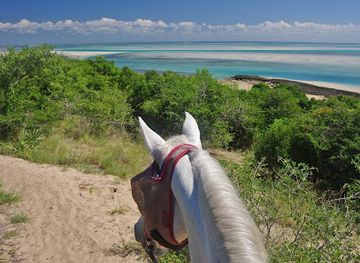
Mozambique Horse Safari
Experience the beauty of Mozambique on horseback at Mozambique Horse Safari, an unforgettable adventure in nature's paradise.
13 min drive · 4.4 km from city centre
-
Tourist attraction
Vilanculos Canoe Safaris, Lda
Explore the breathtaking waters and diverse wildlife of Vilanculos Canoe Safaris, a premier tourist attraction in Mozambique's stunning coastal paradise.
5 min drive · 1.7 km from city centre
-
Tourist attraction
Praia de Vilanculos
Experience the stunning beauty and adventure of Praia de Vilanculos, a coastal paradise in Mozambique perfect for relaxation and exploration.
6 min drive · 2.0 km from city centre
-
Tourist attraction
Island Safaris
Experience the breathtaking beauty and rich biodiversity of Mozambique at Island Safaris, a must-visit tourist attraction in Vilankulos.
3 min walk · 0.3 km from city centre

Best landmarks in Vilanculos
Vilanculos has relatively few monumental buildings, and its most meaningful landmarks are connected with the coast and the town’s everyday geography. Vilanculos Beach is the defining natural reference point, opening towards the Bazaruto Archipelago and the channels used by fishing boats and excursion dhows. The Vilankulo Airport terminal marks the town’s wider connection with Mozambique and regional tourism, while the central market is an important civic landmark where local commerce, food supply and social encounters meet. Offshore, the Bazaruto Archipelago forms the area’s great natural landmark, though it is not within the town itself; its dunes, reefs and islands belong to a protected marine landscape reached by boat. The contrast between modest mainland structures and the spacious island horizon is central to Vilanculos’s visual identity.
-
Lodge
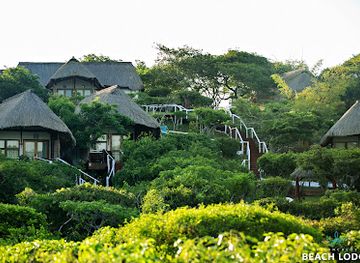
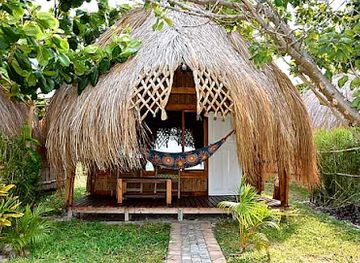
Vilanculos Beach Lodge and Restaurant
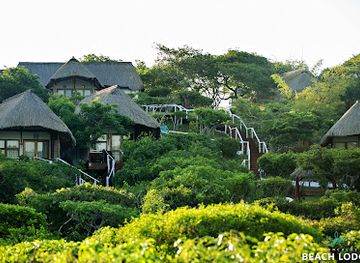
Discover the serene beauty of Vilanculos Beach Lodge and Restaurant, where relaxation meets adventure in a tropical paradise.
12 min drive · 3.9 km from city centre
-
 Hotel
HotelHotel Dona Ana
Discover the charm of Mozambique at Hotel Dona Ana, where stunning ocean views meet exceptional comfort in the heart of Vilankulos.
6 min drive · 2.0 km from city centre
-
Lodge
Baobab Beach Vilanculos
Experience the tranquility and adventure of Baobab Beach Vilanculos, a stunning lodge and restaurant located along Mozambique's breathtaking coastline.
14 min walk · 1.2 km from city centre
-
Hotel
Bahia Mar Boutique Hotel
Discover the luxury and adventure at Bahia Mar Boutique Hotel in Vilanculos, your gateway to the stunning Indian Ocean and Bazaruto Archipelago.
9 min drive · 3.1 km from city centre


Explore Vilanculos on the map
Plan your Vilanculos trip on one map. See where the top attractions, landmarks, restaurants, bars and hotels are, find what's near where you're staying, and book hotels and experiences in a few clicks.
Best hotels in Vilanculos
Best restaurants in Vilanculos
Vilanculos’s dining scene is shaped by the Indian Ocean, with prawns, crab, squid and locally caught fish appearing alongside coconut, lime, chilli and peri-peri seasoning. Grilled seafood, rice, cassava and xima, a maize-based staple, are common points of reference, while matapa, made with pounded cassava leaves and often enriched with coconut and groundnuts, reflects broader Mozambican culinary traditions. Beach lodges and established restaurants tend to offer seafood, Portuguese-influenced dishes and international food for travellers, whereas smaller local eateries provide simpler meals and a closer connection with everyday town life. The market is useful for observing ingredients and local commerce, though it is not necessarily a formal street-food venue. Dining is generally relaxed, and menus may depend on the daily catch, supply conditions and season rather than operating as a fixed catalogue of dishes.
-
Restaurant
Vilanculos Beach Lodge and Restaurant
Experience unparalleled beauty and exquisite cuisine at Vilanculos Beach Lodge - your ultimate coastal getaway in Mozambique.
12 min drive · 3.9 km from city centre
-
Restaurant
Baobab Beach Vilanculos
Discover the charm of Baobab Beach Vilanculos – where exquisite cuisine meets stunning coastal views in Mozambique.
14 min walk · 1.2 km from city centre
-
Restaurant
Bahia Mar Boutique Hotel
Experience luxury and adventure at Bahia Mar Boutique Hotel - your gateway to Mozambique's stunning coastline.
9 min drive · 3.1 km from city centre
-
Restaurant
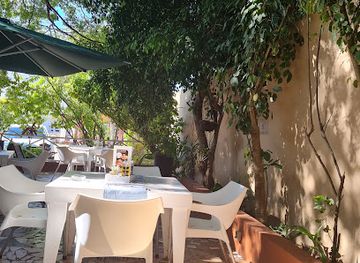
Kilimanjaro Cafe Vilanculos
Experience culinary bliss at Kilimanjaro Cafe Vilanculos with exquisite local flavors and stunning coastal views.
5 min drive · 1.7 km from city centre
Best bars in Vilanculos
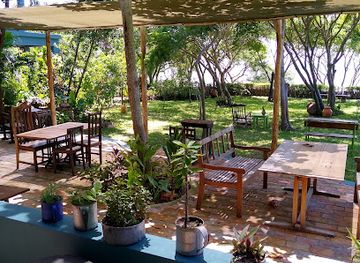
Vilanculos has a low-key evening scene centred on beachfront lodges, restaurants, guesthouses and small local bars rather than a concentrated nightclub district. Sunset drinks, seafood suppers and informal conversation are common ways to spend the evening, with music sometimes provided by venues or local performers. Some accommodation properties arrange cultural entertainment or relaxed live music, but schedules vary and should not be assumed. In town, evenings feel more social than hedonistic, and activity can quieten considerably outside the main visitor areas. Visitors should use arranged transport after dark, particularly when moving between the centre and isolated beachfront properties, and should remember that local entertainment remains intertwined with residential life and coastal work rather than operating as a separate, all-night quarter.
-
Bar
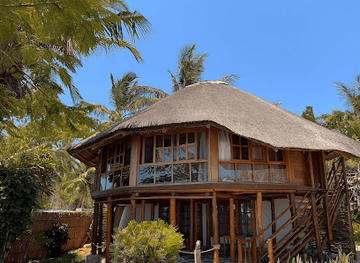
Vilanculos Beach Lodge and Restaurant
Experience the perfect blend of relaxation and adventure at Vilanculos Beach Lodge and Restaurant, Mozambique's hidden gem by the sea.
12 min drive · 3.9 km from city centre
-
Restaurant
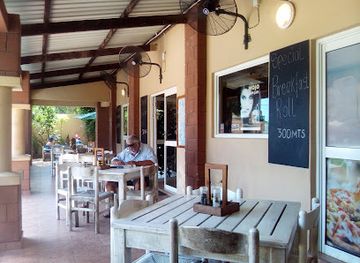
Kilimanjaro Cafe Vilanculos
Savor the vibrant flavors of Mozambique at Kilimanjaro Cafe in Vilanculos, where delicious cuisine meets a warm, welcoming atmosphere.
5 min drive · 1.7 km from city centre
-
Restaurant
Samara restaurant
Experience the vibrant flavors and stunning views at Samara Restaurant in Vilankulos, a must-visit destination for food lovers and beach enthusiasts.
8 min drive · 2.5 km from city centre
-
Restaurant
Casa Mika Cafe
Discover the flavors of Mozambique at Casa Mika Cafe, a charming restaurant in Vilanculos serving fresh, local cuisine in a welcoming atmosphere.
9 min drive · 2.9 km from city centre

Best nightclubs in Vilanculos
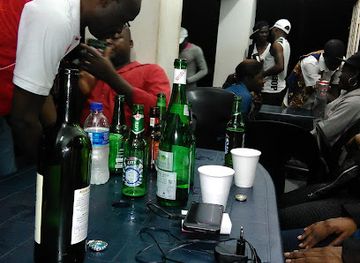
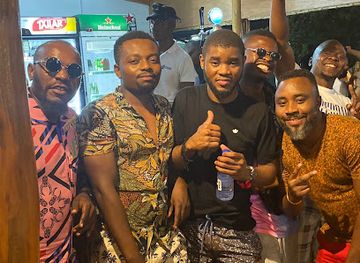
Vilanculos has a low-key evening scene centred on beachfront lodges, restaurants, guesthouses and small local bars rather than a concentrated nightclub district. Sunset drinks, seafood suppers and informal conversation are common ways to spend the evening, with music sometimes provided by venues or local performers. Some accommodation properties arrange cultural entertainment or relaxed live music, but schedules vary and should not be assumed. In town, evenings feel more social than hedonistic, and activity can quieten considerably outside the main visitor areas. Visitors should use arranged transport after dark, particularly when moving between the centre and isolated beachfront properties, and should remember that local entertainment remains intertwined with residential life and coastal work rather than operating as a separate, all-night quarter.
-
Bar
Vilanculos Beach Lodge and Restaurant
Discover the serene beauty and vibrant culture of Vilanculos at the Beach Lodge and Restaurant, where relaxation meets adventure in Mozambique.
12 min drive · 3.9 km from city centre
-
Restaurant
Kilimanjaro Cafe Vilanculos
Experience the vibrant flavors of Mozambique with a delightful blend of local and international cuisine at Kilimanjaro Cafe in Vilanculos.
5 min drive · 1.7 km from city centre
-
Hotel
Samara restaurant
Discover the vibrant flavors of Mozambique at Samara Restaurant, where culinary excellence meets breathtaking ocean views in Vilanculos.
8 min drive · 2.5 km from city centre
-
Supermarket
COOL, LDA
Experience the vibrant culture of Vilankulos at COOL, LDA – your one-stop destination for shopping, dining, and dancing.
5 min drive · 1.8 km from city centre
Best shops in Vilanculos
Shopping in Vilanculos is modest, practical and closely connected with local livelihoods. The central market is the main place to see fresh produce, household goods, clothing and everyday supplies, while small shops serve residents and visitors with food, drinks and travel essentials. Craft stalls and informal sellers may offer woven items, carvings, shell-related products and locally made souvenirs, but visitors should ask about provenance and avoid purchasing coral, protected shells or objects that may have been taken from the marine environment. Beach lodges sometimes display crafts produced in surrounding communities, and larger coastal properties may stock a more curated selection of textiles or art. Bring meticais for market purchases and negotiate courteously where bargaining is customary; shopping here is more about meeting local makers and understanding the town’s trading culture than browsing a large retail district.
-
Hypermarket
Vilanculos supermercado
Experience the vibrant shopping scene at Vilanculos Supermercado, where local flavors and essentials meet in the heart of Mozambique's coastal paradise.
9 min walk · 0.7 km from city centre
-
Supermarket
Taurus
Discover the vibrant essence of Mozambique at Taurus Supermarket, where local flavors meet global convenience in Vilanculos.
5 min drive · 1.7 km from city centre
-
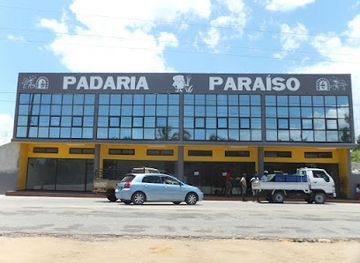
Bagel shop
Padaria Paraíso
Discover the flavorful world of handcrafted bagels at Padaria Paraíso, a delightful spot in Vilankulos, Mozambique, perfect for tourists and locals alike.
16 min walk · 1.3 km from city centre
-
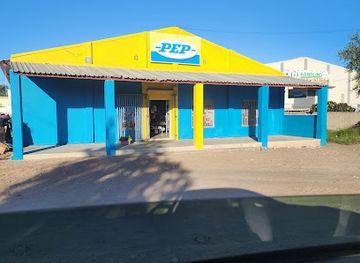
Clothing store
PEP Vilancoulos
Explore vibrant local fashion at PEP Vilancoulos, where trendy clothing meets the rich culture of Mozambique, perfect for every traveler.
6 min walk · 0.5 km from city centre


Get your free copy of our complete guide to Vilanculos, delivered straight to you.
Everything on this page, from attractions and restaurants to essentials and local phrases, in one PDF you can read offline, print or share.
Already have an account? Sign in
Your Vilanculos guide is ready.
We'll send it to · Not you? Sign out

Getting your guide ready…
We are putting together a fresh copy of the Vilanculos guide. This can take up to a minute.
This can take a few moments. If your browser asks, choose Allow so the download can start. You'll find the guide in your Downloads folder.
Nothing happened? Download it again
Sorry, the guide is taking longer than usual. Please try again in a minute, or get it by email instead.
Vilanculos essentials
Currency and Payment
Safety
Emergency Situations
Do's and Don'ts
Local Tips
From Eve
Local phrases worth knowing
You don't need to get them perfect. A few words go a long way, and locals appreciate the effort.
Basics
| English | Local | Say it |
|---|---|---|
| Hello | Olá | [oh-lah] |
| Goodbye | Tchau | [chow] |
| Yes | Sim | [seem] |
| No | Não | [now] |
| Please/You're welcome | Por favor | [pohr fah-vohr] |
| Thank you | Obrigado | [oh-bree-gah-doh] |
| Excuse me/Sorry | Com licença/Desculpe | [kohm lee-sen-sah/dehs-kool-peh] |
| How are you? | Como está? | [koh-moh ehs-tah] |
| Fine. And you? | Bem. E você? | [behn. eh voh-seh] |
| Do you speak English? | Fala inglês? | [fah-lah een-glehs] |
| I don't understand | Não entendo | [now ehn-tehn-doh] |
Eating & Drinking
| English | Local | Say it |
|---|---|---|
| I'd like to see the menu, please | Gostaria de ver o menu, por favor | [goh-stah-ree-ah deh vehr oh meh-noo, poor fah-vohr] |
| I don't eat meat | Não como carne | [now koh-moh kahr-neh] |
| Cheers! | Saúde! | [sow-deh] |
| I would like to pay, please | Gostaria de pagar, por favor | [goh-stah-ree-ah deh pah-gahr, poor fah-vohr] |
Emergencies
| English | Local | Say it |
|---|---|---|
| Help! | Socorro! | [soh-koh-roh] |
| Go away! | Vai embora! | [vah-ee ehm-boh-rah] |
| Call the Police! | Chama a Polícia! | [sha-mah ah poh-lee-see-ah] |
| Call a doctor! | Chama um médico! | [sha-mah oom meh-dee-koo] |
| I'm lost | Estou perdido | [eh-stoh pehr-dee-doo] |
| I'm ill | Estou doente | [eh-stoh doo-een-teh] |
Shopping
| English | Local | Say it |
|---|---|---|
| I'd like to buy... | Gostaria de comprar... | [goh-stah-ree-ah deh kohm-prahr] |
| I'm just looking | Estou só a ver | [eh-stoh soh ah vehr] |
| How much is it? | Quanto custa? | [kwan-toh koos-tah] |
| That's too expensive | Isso é muito caro | [ee-soh eh mwee-toh kah-roo] |
| Can you lower the price? | Pode baixar o preço? | [poh-deh by-shahr oh preh-soh] |
Time & Numbers
| English | Local | Say it |
|---|---|---|
| What time is it? | Que horas são? | [keh oh-rahz sah-oh] |
| It's one o'clock | É uma hora | [eh oo-mah oh-rah] |
| Half past (10) | Meio dia e meia | [meh-oh dee-ah eh may-ah] |
| Morning | Manhã | [mah-nyah] |
| Afternoon | Tarde | [tahr-deh] |
| Evening | Noite | [noy-teh] |
| Yesterday | Ontem | [ohn-tehm] |
| Today | Hoje | [oh-zheh] |
| Tomorrow | Amanhã | [ah-mah-nyah] |
| 1 | Um | [oom] |
| 2 | Dois | [doh-is] |
| 3 | Três | [trehs] |
| 4 | Quatro | [kwah-troh] |
| 5 | Cinco | [seen-koh] |
| 6 | Seis | [saysh] |
| 7 | Sete | [seh-teh] |
| 8 | Oito | [oy-toh] |
| 9 | Nove | [noh-veh] |
| 10 | Dez | [dehz] |
Transport & Directions
| English | Local | Say it |
|---|---|---|
| Where's a/the...? | Onde está o/um...? | [ohn-deh eh-stah oh/oohm] |
| What's the address? | Qual é o endereço? | [kahl eh oo ehn-deh-reh-soh] |
| Can you show me (on the map)? | Pode mostrar-me (no mapa)? | [poh-deh moh-strahr-meh (noo mah-pah)] |
| When's the next (bus)? | Quando é o próximo (autocarro)? | [kwan-doh eh oo proh-ksih-moh (ow-toh-kah-roo)] |
| A ticket (to ....) | Um bilhete (para ....) | [oom beel-yeh-teh (pah-rah)] |
History of Vilanculos
Coastal Communities Before Colonial Rule
The Vilanculos area developed within the long-established cultural world of southeastern Africa’s Indian Ocean coast. Communities connected with Tsonga-speaking peoples lived through fishing, small-scale agriculture, livestock keeping and exchange between the mainland and offshore islands. Coastal commerce also linked the region to wider maritime networks, although Vilanculos was not a major imperial port on the scale of northern Mozambican towns. The sea shaped movement, diet and settlement, while seasonal conditions influenced access to the islands, reefs and tidal flats. Local knowledge of channels, winds and fishing grounds remains important to the character of the modern town and its surrounding communities.
Portuguese Influence on the Coast
Portuguese colonial power gradually extended its administrative and commercial presence along this part of Mozambique, incorporating the coast into a wider system centred on ports, plantations, trading stations and district administration. Colonial control was uneven, and local communities continued to determine much of everyday life beyond formal administrative centres. Portuguese became an important language of government and education, while Catholic institutions and colonial building practices added another layer to the cultural landscape. The town’s later identity reflects this mixture of African coastal traditions, Portuguese rule and connections across the Mozambique Channel rather than a single architectural or cultural inheritance.
Late Colonial Administration and Change
During the twentieth century, Vilanculos remained a relatively small coastal settlement whose economy depended on local trade, fishing and links with surrounding rural areas. Roads, air connections and administrative services strengthened its relationship with the provincial centres, but the town did not develop into a large industrial or commercial city. The coast’s natural attractions gradually attracted outside interest, especially from visitors seeking marine landscapes and island environments. This early tourism developed alongside established livelihoods rather than replacing them, creating the mixed town-and-resort character that visitors encounter today.
Independence and National Transformation
Mozambique became independent from Portugal in 1975 after the liberation struggle led by the Frente de Libertação de Moçambique, commonly known as FRELIMO. Independence brought major changes to administration, land policy and national identity, while the country then endured civil war until the 1992 peace agreement. Like many Mozambican communities, Vilanculos experienced the effects of national conflict and economic disruption, although its later development followed the gradual reopening of transport links and the expansion of coastal tourism. Portuguese remained an official language alongside widely used local languages, reflecting the country’s layered historical inheritance.
Marine Conservation and Tourism
The Bazaruto Archipelago’s ecological importance increasingly shaped Vilanculos’s modern economy. Conservation initiatives, protected-area management and growing interest in diving, snorkelling and island travel made the town a mainland gateway to internationally recognised marine habitats. Tourism has brought lodges, restaurants, guides and transport services, but the local economy remains connected to fishing, markets and surrounding communities. Contemporary Vilanculos therefore sits between two forms of value: the archipelago as a carefully managed natural environment and the mainland town as a lived-in coastal community whose history is visible in its languages, livelihoods and relationship with the sea.
Travel experiences inspired by this city


Swipe for more travel diaries
Vilanculos in Photos
Browse through our photo collection highlighting the charm and character of the destination.
Cities near Vilanculos
The closest cities to Vilanculos, if you have time for more than one stop.
-

-

-

-


Swipe for more cities
Explore more

Explore more of Mozambique
Discover Mozambique: Pristine beaches, rich cultural heritage, and vibrant wildlife await in this stunning African destination.
Explore Mozambique