

Free Isle of Pines Travel Guide & Mobile App
Explore Isle of Pines with free travel guides. Discover regional history, expert tips, proposed trips, and audio guides on web or mobile app.


Explore the Isle of Pines in New Caledonia for araucaria forests, clear lagoons, Kanak culture, reef excursions and quiet island beaches.
Read more about Isle of Pines
When is the best time to visit Isle of Pines?
Best: June–July, September · 23–24°C| Month | High (°C) | Rainfall (mm) |
|---|---|---|
| January | 28 | 160 |
| February | 28 | 180 |
| March | 28 | 150 |
| April | 26 | 130 |
| May | 25 | 110 |
| June (best) | 23 | 90 |
| July (best) | 23 | 80 |
| August | 23 | 90 |
| September (best) | 24 | 100 |
| October | 25 | 120 |
| November | 27 | 140 |
| December | 28 | 150 |
Getting to and around Isle of Pines
How to get there
Transportation
Destinations in Isle of Pines
Resorts, valleys and scenic spots worth a trip of their own.

Swipe for more destinations
Best attractions in Isle of Pines
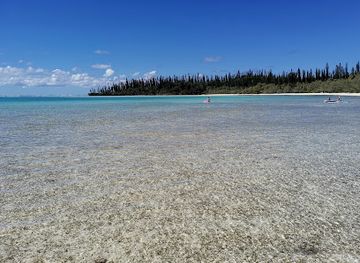
The Isle of Pines’ attractions are primarily coastal, marine and cultural. Kuto Bay offers an accessible sweep of pale sand and calm water, while nearby Kanumera Bay is recognised for its dramatic rock and sheltered swimming setting. On the eastern side of the island, Oro Bay provides access to the Piscine Naturelle, a coral-fringed natural pool best approached with attention to tides and local guidance. Boat excursions may explore the surrounding lagoon and smaller islets, with opportunities for swimming, snorkelling and observing marine life. Inland, N’Ga Peak gives walkers a wide perspective across araucaria forest, bays and reef, while the Queen Hortense Cave connects landscape with local history and oral tradition. Vao’s church and village offer a more cultural focus, and guided experiences can introduce visitors to Kanak customs, local food and the island’s colonial past. Activities are generally low-key rather than heavily commercialised, with the strongest appeal coming from the combination of clear water, distinctive vegetation, village life and unhurried exploration. Conditions, access and excursion availability vary, so local advice is important.
-
Tourist attraction
Grotte de la troisième
Discover the enchanting Grotte de la Troisième, a natural wonder of caves and marine beauty, nestled in the stunning landscapes of New Caledonia.
-
Beach
Plage de Kutéma
Discover the serene beauty of Plage de Kutéma, a pristine beach in New Caledonia, perfect for relaxation and unforgettable ocean adventures.


Best landmarks in Isle of Pines
The Isle of Pines’ most recognisable natural landmark is its dense growth of Cook pine, or araucaria columnaris, whose tall, narrow silhouettes distinguish the island from many other Pacific destinations. Kanumera Bay’s offshore rock is another defining feature, rising from shallow water beside the beach and carrying cultural significance; visitors should follow local guidance about access and behaviour there. The Piscine Naturelle at Oro Bay is a geographical landmark created by coral formations and the lagoon, though its appearance changes with tide and sea conditions. Inland, N’Ga Peak is the island’s principal elevated viewpoint, revealing the relationship between forest, settlements, bays and reef. Vao’s Catholic church is a notable architectural and historical presence, linking the village to nineteenth-century missionary history. The Queen Hortense Cave provides a different kind of landmark, combining limestone scenery with local historical tradition and the memory of the island’s former royal context. Together these places show why the Isle of Pines is defined as much by its geology, vegetation and cultural landscape as by its beaches.
-
Tourist attraction
Natural pool
Discover the enchanting Natural Pool in Yuate Tremwatre, a serene paradise in New Caledonia perfect for relaxation and adventure.
-
Hotel
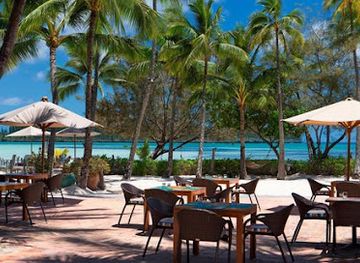
Le Méridien Ile des Pins
Experience the luxury of Le Méridien Ile des Pins and discover a serene retreat surrounded by stunning beaches and lush landscapes in New Caledonia.
-
Wildlife park
Grotte de la Reine Hortense
Discover the stunning Grotte de la Reine Hortense, a wildlife park featuring breathtaking caves and rich biodiversity in New Caledonia.
-
Bay
Oro Bay
Explore the enchanting beauty of Oro Bay, a stunning natural paradise in New Caledonia, perfect for relaxation and unforgettable marine adventures.


Explore Isle of Pines on the map
Plan your trip on one map. See where the top cities, national parks and sights are, and book hotels and experiences in a few clicks.
Best hotels in Isle of Pines
Best restaurants in Isle of Pines
Dining on the Isle of Pines is small-scale and closely linked to hotels, guesthouses, village eateries and organised excursions rather than a large independent restaurant scene. Menus may feature lagoon fish, prawns, lobster and other seafood, alongside French-influenced preparations and familiar Pacific ingredients such as coconut, sweet potato, yam and taro. Bougna, traditionally cooked with meat or fish, root vegetables and coconut in an earth oven, is a culturally significant Kanak dish and usually needs to be arranged in advance. Local land snails, known in French as escargots, are another speciality associated with the island, although availability varies. Breakfasts and casual meals commonly include bread, fruit and simple cooked dishes, while accommodation restaurants often provide the most dependable evening option. Visitors should not expect the range found in Nouméa: menus can be limited, supplies are brought across the sea or by air, and opening arrangements may be seasonal. Ask about meal reservations and dietary requirements before travelling between distant parts of the island.
-
Hotel
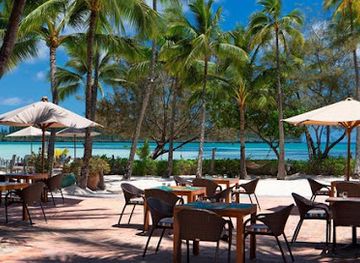
Le Méridien Ile des Pins
Discover unparalleled luxury at Le Méridien Ile des Pins - your gateway to paradise in New Caledonia.
-
Restaurant
LE KOUGNY
Experience authentic New Caledonian cuisine at Le Kougny while enjoying breathtaking views and camping under the stars.
-
Restaurant
Relais Le Kuberka
Discover Relais Le Kuberka: A Culinary Gem in Nouméa Offering Exquisite Local Flavors and Breathtaking Views.
-
Restaurant
Gite Nataiwatch
Discover the flavors of New Caledonia at Gite Nataiwatch in Kuto - where culinary tradition meets breathtaking views.


Best bars in Isle of Pines
Nightlife on the Isle of Pines is quiet and centred on accommodation restaurants, small bars and relaxed evening gatherings rather than nightclubs. Kuto and the main hotel areas are the most likely places to find a drink, while Vao provides the island’s principal village setting, but late-night options are limited and opening arrangements can vary. Evenings are better suited to seafood dinners, conversation, views across the bay and occasional music than to a fixed club circuit. Some resorts and excursion providers may organise cultural performances or themed evenings, but these should be confirmed locally rather than assumed to run regularly. As in other parts of New Caledonia, French wine, beer and mixed drinks may be available, alongside non-alcoholic refreshments. Visitors should plan their return transport in advance, particularly if staying away from Kuto or Vao, and should not wander unfamiliar roads or beaches after dark.
-
Tourist attraction
Natural pool
Explore the serene beauty of the Natural Pool in Yuate Tremwatre, New Caledonia, a perfect blend of relaxation and adventure in nature's embrace.
-
Hotel
Le Méridien Ile des Pins
Experience paradise at Le Méridien Ile des Pins, where luxury meets natural beauty in New Caledonia.
-
 Bar
OURE TERA beach resort
Discover the ultimate tropical escape at Oure Tera Beach Resort in New Caledonia, where luxury meets adventure in a stunning beachside paradise.
-
Resort hotel
Hotel Tieti
Discover the enchanting Hotel Tieti, a serene resort hotel in Poindimie, perfect for a relaxing tropical getaway amidst stunning scenery.


Best nightclubs in Isle of Pines
Nightlife on the Isle of Pines is quiet and centred on accommodation restaurants, small bars and relaxed evening gatherings rather than nightclubs. Kuto and the main hotel areas are the most likely places to find a drink, while Vao provides the island’s principal village setting, but late-night options are limited and opening arrangements can vary. Evenings are better suited to seafood dinners, conversation, views across the bay and occasional music than to a fixed club circuit. Some resorts and excursion providers may organise cultural performances or themed evenings, but these should be confirmed locally rather than assumed to run regularly. As in other parts of New Caledonia, French wine, beer and mixed drinks may be available, alongside non-alcoholic refreshments. Visitors should plan their return transport in advance, particularly if staying away from Kuto or Vao, and should not wander unfamiliar roads or beaches after dark.
-
Resort hotel
OURE TERA beach resort
Discover the ultimate tropical escape at OURE TERA Beach Resort, where relaxation meets adventure in the heart of New Caledonia.
-
Night club
XO Club
Experience the vibrant nightlife at XO Club, Nouméa's premier destination for dancing, music, and unforgettable memories.

Best shops in Isle of Pines
Shopping on the Isle of Pines is modest and practical, with a few local outlets, accommodation shops, small village businesses and occasional craft displays rather than a concentrated retail district. Visitors may find woven items, shell-free souvenirs, carved objects, printed textiles and other handicrafts reflecting New Caledonia’s Pacific cultural setting, but availability and provenance should be checked respectfully. Local food products can include honey, preserves, vanilla or other island produce when seasonal supplies allow, while small shops may stock drinks, snacks and everyday essentials. Vao is the most useful place to look for basic provisions, although opening times and stock can be limited. The island is not a destination for designer shopping or large markets; meaningful purchases are more likely to be locally made crafts or food products bought directly from a community seller or established small business. Avoid purchasing coral, shells, archaeological material or items made from protected wildlife, and ask permission before photographing craft production.
-
Restaurant
Relais Le Kuberka
Experience the rich culinary heritage and scenic ambiance of New Caledonia at Relais Le Kuberka, a must-visit restaurant in Nouméa.
-
Dive club
Kunie Scuba Center (Diving Center)
Explore vibrant marine life and breathtaking underwater landscapes at Kunie Scuba Center, New Caledonia's premier diving destination.
-
Vaporizer store
Vap'Store 7 ème Kilomètre
Discover the best vaporizer selection in Nouméa at Vap'Store 7 ème Kilomètre, where quality meets customer service.
-
Campground
Camping Atchu
Experience the beauty of nature at Camping Atchu in Kuto, New Caledonia – a serene campground perfect for relaxation and outdoor adventures.


Get your free copy of our complete guide to Isle of Pines, delivered straight to you.
Everything on this page, from attractions and restaurants to essentials and local phrases, in one PDF you can read offline, print or share.
Already have an account? Sign in
Your Isle of Pines guide is ready.
We'll send it to · Not you? Sign out

Getting your guide ready…
We are putting together a fresh copy of the Isle of Pines guide. This can take up to a minute.
This can take a few moments. If your browser asks, choose Allow so the download can start. You'll find the guide in your Downloads folder.
Nothing happened? Download it again
Sorry, the guide is taking longer than usual. Please try again in a minute, or get it by email instead.
Isle of Pines essentials
Currency and Payment
Safety
Emergency Situations
Do's and Don'ts
Local Tips
From Eve
Local phrases worth knowing
You don't need to get them perfect. A few words go a long way, and locals appreciate the effort.
Basics
| English | Local | Say it |
|---|---|---|
| Hello | Bonjour | [bɔ̃ʒuʁ] |
| Goodbye | Au revoir | [o ʁəvwaʁ] |
| Yes | Oui | [wi] |
| No | Non | [nɔ̃] |
| Please/You're welcome | S'il vous plaît | [sil vu plɛ] |
| Thank you | Merci | [mɛʁsi] |
| Excuse me/Sorry | Excusez-moi | [ɛkskyze mwa] |
| How are you? | Comment ça va? | [kɔmɑ̃ sa va] |
| Fine. And you? | Bien. Et vous? | [bjɛ̃ e vu] |
| Do you speak English? | Parlez-vous anglais? | [paʁle vu ɑ̃ɡlɛ] |
| I don't understand | Je ne comprends pas | [ʒə nə kɔ̃pʁɑ̃ pa] |
Eating & Drinking
| English | Local | Say it |
|---|---|---|
| I'd like to see the menu, please | Je voudrais voir le menu, s'il vous plaît | [ʒə vudʁɛ vwaʁ lə mɛny s'il vu plɛ] |
| I don't eat meat | Je ne mange pas de viande | [ʒə nə mɑ̃ʒ pa də vjɑ̃d] |
| Cheers! | Santé! | [sɑ̃te] |
| I would like to pay, please | Je voudrais payer, s'il vous plaît | [ʒə vudʁɛ peje s'il vu plɛ] |
Emergencies
| English | Local | Say it |
|---|---|---|
| Help! | Au secours! | [o səkuʁ] |
| Go away! | Allez-vous-en! | [ale vu zɑ̃] |
| Call the Police! | Appelez la police! | [apəle la pɔlis] |
| Call a doctor! | Appelez un médecin! | [apəle ɛ̃ mɛdəsɛ̃] |
| I'm lost | Je suis perdu | [ʒə sɥi pɛʁdy] |
| I'm ill | Je suis malade | [ʒə sɥi malad] |
Shopping
| English | Local | Say it |
|---|---|---|
| I'd like to buy... | Je voudrais acheter... | [ʒə vudʁɛ aʃte] |
| I'm just looking | Je regarde juste | [ʒə ʁəɡaʁd ʒyst] |
| How much is it? | Combien ça coûte? | [kɔ̃bjɛ̃ sa kut] |
| That's too expensive | C'est trop cher | [sɛ tʁo ʃɛʁ] |
| Can you lower the price? | Pouvez-vous baisser le prix? | [puve vu bɛse lə pʁi] |
Time & Numbers
| English | Local | Say it |
|---|---|---|
| What time is it? | Quelle heure est-il? | [kɛl œʁ ɛt il] |
| It's one o'clock | Il est une heure | [il ɛt yn œʁ] |
| Half past (10) | Dix heures et demie | [di zœʁ e dəmi] |
| Morning | Matin | [matɛ̃] |
| Afternoon | Après-midi | [apʁɛ midi] |
| Evening | Soir | [swaʁ] |
| Yesterday | Hier | [jɛʁ] |
| Today | Aujourd'hui | [oʒuʁdɥi] |
| Tomorrow | Demain | [dəmɛ̃] |
| 1 | Un | [ɛ̃] |
| 2 | Deux | [dø] |
| 3 | Trois | [tʁwa] |
| 4 | Quatre | [katʁ] |
| 5 | Cinq | [sɛ̃k] |
| 6 | Six | [sis] |
| 7 | Sept | [sɛt] |
| 8 | Huit | [ɥit] |
| 9 | Neuf | [nœf] |
| 10 | Dix | [di] |
Transport & Directions
| English | Local | Say it |
|---|---|---|
| Where's a/the...? | Où est le/la...? | [u ɛ lə/la] |
| What's the address? | Quelle est l'adresse? | [kɛl ɛ lɑdʁɛs] |
| Can you show me (on the map)? | Pouvez-vous me montrer (sur la carte)? | [puve vu mə mɔ̃tʁe (syʁ la kaʁt)] |
| When's the next (bus)? | Quand est le prochain (bus)? | [kɑ̃ ɛ lə pʁɔʃɛ̃ (bys)] |
| A ticket (to ....) | Un billet (pour ....) | [ɛ̃ bijɛ (puʁ ....)] |
History of Isle of Pines
Kanak settlement and customary life
The Isle of Pines has long been home to Kanak communities whose social organisation, customary authority and relationship with land and sea remain central to the island’s identity. Villages and family networks continue to shape access to places, cultural practices and community events. The island’s natural resources supported fishing, gathering and horticulture, while oral traditions preserved knowledge of ancestral places and local history. For visitors, this living heritage is as important as the island’s scenery: the Isle of Pines is not an empty tropical landscape but a settled cultural environment with its own customary protocols.
European exploration and the Catholic mission
European navigators reached the island during the era of Pacific exploration, and later French activity brought the Isle of Pines into the expanding colonial sphere. Catholic missionaries established a lasting presence in the nineteenth century, and the church at Vao remains one of the most visible reminders of that period. Missionisation transformed religious and educational life while interacting, sometimes uneasily, with existing Kanak authority and belief systems. The island’s language, village geography and religious traditions today reflect this long period of encounter rather than a simple replacement of one culture by another.
The Isle of Pines penal settlement
After the Paris Commune of 1871, the French government deported political prisoners, known as Communards, to penal settlements in New Caledonia. The Isle of Pines became one of the principal places of deportation, and prisoners were held in several locations on the island during the 1870s. Their presence introduced new buildings, administration and political tensions into an already established community. The penal period was part of the wider colonial history of New Caledonia and left archaeological and documentary traces, although the island’s history cannot be reduced to the experience of the deportees.
Colonial administration and changing island economies
During the late nineteenth and twentieth centuries, the Isle of Pines was increasingly connected to the administrative and commercial structures of French New Caledonia. Mission settlements, government institutions, transport links and small-scale economic activities developed around the island’s villages and coastline. Its forests, fisheries and agricultural resources supported local livelihoods, while the surrounding lagoon connected communities to wider maritime networks. Improvements in transport eventually made the island more accessible to visitors, but its remote position also helped preserve a lower-density way of life than that found in the Nouméa metropolitan area.
Kanak identity and the modern political era
The twentieth century brought wider debates about land, political representation, cultural recognition and the status of Kanak communities across New Caledonia. These issues also shaped life on the Isle of Pines, where customary institutions and local government coexist within the French constitutional framework. The island’s contemporary identity is therefore both specifically Kanak and part of New Caledonia’s broader political history. Visitors should understand that cultural experiences, ceremonies and access to certain places may depend on local permission and should be approached with respect rather than treated as commercial spectacle.
Tourism and environmental awareness
From the late twentieth century onwards, the Isle of Pines became one of New Caledonia’s principal visitor destinations, promoted for its beaches, araucaria landscapes and lagoon. Tourism brought accommodation, excursions and new income, but also made the protection of reefs, forests and freshwater resources increasingly important. The island’s modern challenge is to balance visitor access with customary rights, community life and environmental limits. Responsible tourism is consequently part of its current history: small-scale services, local guiding and care for marine and coastal habitats are central to maintaining the island’s character.
Isle of Pines in Photos
Browse through our photo collection highlighting the charm and character of the destination.
Neighbouring regions of Isle of Pines
The closest regions to Isle of Pines, if you have time for more than one.
-

-

-

-

-


Swipe for more regions
Explore more
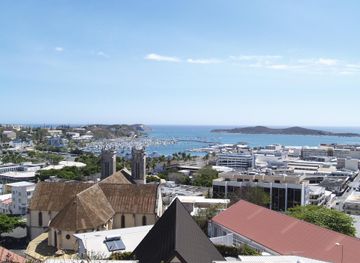
Explore more of New Caledonia
Discover New Caledonia, a captivating blend of French elegance and Pacific beauty, offering pristine beaches, vibrant culture, and unparalleled natural wonders.
Explore New Caledonia