

Quartier Plateau (Niamey) Travel Guide - Free
Explore Quartier Plateau in Niamey with Evendo's free guide. Find the best shops, historic streets, restaurants, and gems on web or mobile.


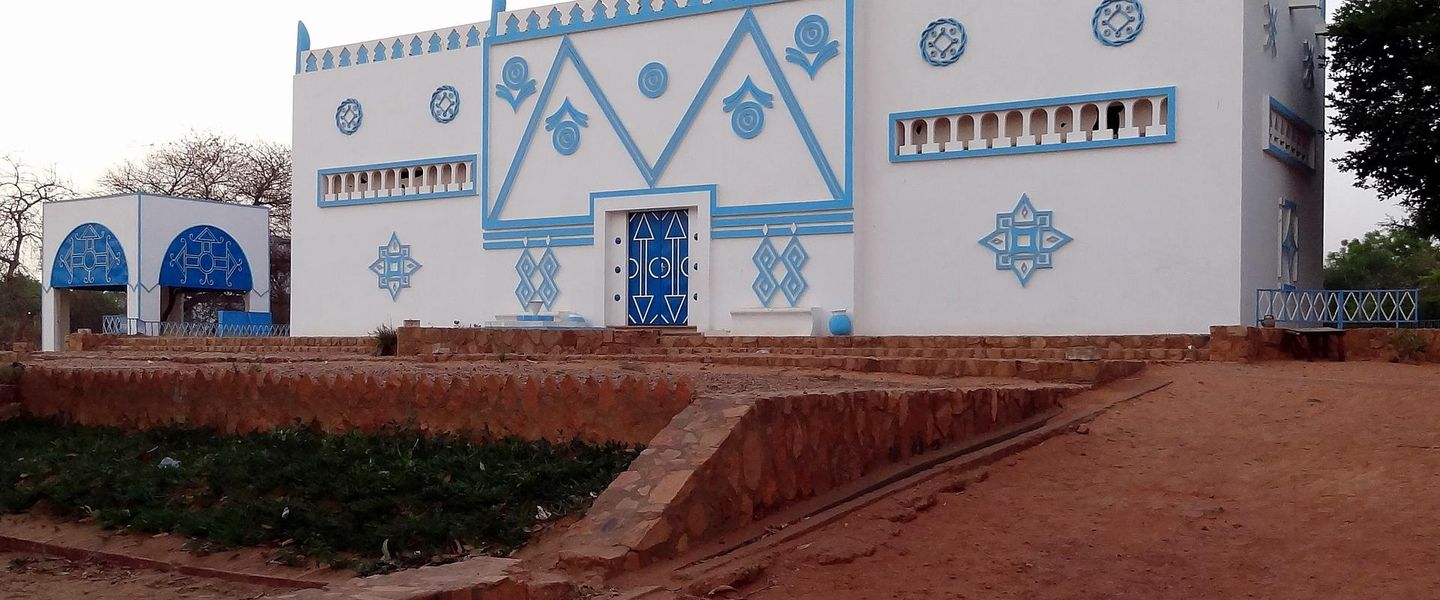


Quartier Plateau in Niamey brings together Niger’s national museum, civic avenues, Sahelian culture, riverfront walks and central markets for curious visitors.
A Central Quarter of Niamey
Quartier Plateau occupies a central position in Niamey, on the northern side of the Niger River and close to the city’s principal civic institutions. The name is commonly used for the administrative and central urban area rather than a tightly defined historic district, so its edges can feel fluid as streets lead towards nearby commercial quarters and the river. Broad avenues, office compounds, hotels, embassies and public buildings give parts of the neighbourhood a more formal appearance than Niamey’s residential outskirts, while daily activity remains distinctly local: taxis circulate around junctions, small cafés serve workers, and pedestrians move between ministries, markets and cultural institutions.Read more about Quartier Plateau
Museums, Civic Buildings and Everyday Life
Between the City and the River
Best attractions in Quartier Plateau
The Musée National Boubou Hama is Quartier Plateau’s principal visitor attraction, presenting archaeological objects, historical material, traditional arts and displays connected with Niger’s diverse communities. The museum complex also incorporates spaces associated with craft production and a small zoological collection, giving visitors a broader introduction to the country’s cultural and natural heritage. Elsewhere, the quarter is best explored through its civic landscape: wide avenues, public institutions, hotels, mosques and views towards the Niger River reveal Niamey’s role as a national capital. Walks towards the central river crossings can be rewarding for understanding the city’s geography, although the bridges and adjoining river areas should be described as nearby central Niamey rather than automatically as Plateau. The Grand Marché is also close enough to combine with a central visit, but it belongs to the surrounding commercial area and should not be confused with the quieter administrative core.
-
Park
Espace public Gountou Yena
Discover the serene beauty of Espace Public Gountou Yena, a tranquil park in Niamey, perfect for relaxation and cultural immersion.
6 min drive · 2.0 km from neighbourhood centre
-
Memorial park
Place of Veterans
Discover the serene Place of Veterans in Niamey, a memorial park honoring the bravery and sacrifices of military personnel in Niger's history.
7 min drive · 2.4 km from neighbourhood centre


Best landmarks in Quartier Plateau
The Musée National Boubou Hama is Plateau’s defining cultural landmark, both for its collections and for the way its complex presents Niger’s history, artistic traditions and national identity. The district’s civic buildings and government compounds are also important landmarks, although many are working institutions rather than monuments open for casual touring. Hôtel de Ville and the central administrative avenues help explain the quarter’s urban role, while mosques and low-rise public architecture provide familiar points of reference in the cityscape. The Niger River and Kennedy Bridge are major geographical markers nearby, linking the central city with areas south of the river; they are significant to Niamey as a whole but should not be presented as wholly contained within Plateau. Together, these places show how the neighbourhood combines public administration, cultural memory and the capital’s relationship with the river.
-
Hotel
Radisson Blu Hotel & Conference Center, Niamey
Stay in luxury at Radisson Blu Hotel & Conference Center, Niamey, where comfort meets cultural richness in the heart of Niger's capital.
6 min drive · 1.9 km from neighbourhood centre
-
Memorial park
Place of Veterans
Explore the Place of Veterans in Niamey, a serene memorial park dedicated to honoring the sacrifices of those who served in the armed forces.
7 min drive · 2.4 km from neighbourhood centre


Explore Quartier Plateau on the map
A handpicked selection of must-see spots in Quartier Plateau, mapped for you.
Best hotels in Quartier Plateau
Best restaurants in Quartier Plateau
Quartier Plateau’s dining scene reflects its role as a central administrative district rather than a specialised food quarter. Hotel restaurants, cafés and modest local eateries serve office workers, officials and visitors, with menus that may combine familiar international dishes with Nigerien and wider Sahelian cooking. Rice, grilled meat, sauces, beans and millet-based foods are common features of the country’s broader culinary culture, while tea and sweet drinks are part of everyday refreshment. The most varied informal food experiences are generally found in the surrounding central commercial streets and markets rather than within the institutional core itself. Visitors should expect practical daytime dining around offices and accommodation, with availability and opening patterns changing according to local routines. A trusted local contact or hotel can help identify currently operating establishments and explain suitable choices for dietary or religious requirements.
-
Restaurant
Amandine
Experience the rich flavors of Niger at Amandine, where authentic cuisine meets warm hospitality in the heart of Niamey.
7 min drive · 2.5 km from neighbourhood centre
-
Restaurant
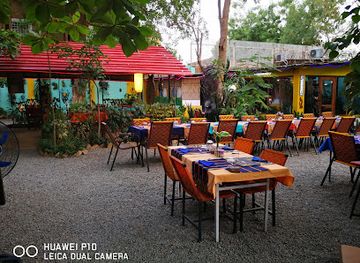
La Cabane
Discover the flavors of Niger at La Cabane in Niamey – a must-visit restaurant blending local charm with culinary excellence.
7 min walk · 0.6 km from neighbourhood centre
-
Restaurant
Côté Jardin
Experience the flavors of Niger at Côté Jardin, where local ingredients meet culinary artistry in a serene setting.
15 min walk · 1.2 km from neighbourhood centre
-
Italian
The Pillar Restaurant
Experience authentic Italian cuisine at The Pillar Restaurant in Niamey—where culinary passion meets serene dining.
18 min walk · 1.4 km from neighbourhood centre



Best bars in Quartier Plateau
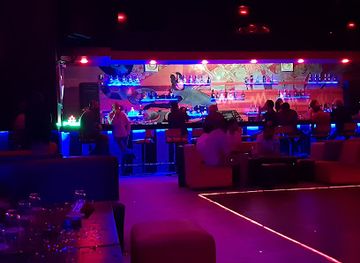
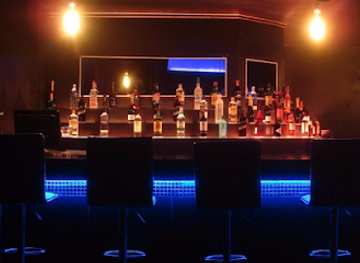
Nightlife in Quartier Plateau is relatively restrained and shaped by hotels, restaurants and the rhythms of the administrative centre rather than by a concentrated club district. Evenings may bring conversation over tea or soft drinks, hotel dining and occasional live entertainment, while more energetic venues are generally associated with the wider central Niamey area rather than one clearly defined Plateau street. Visitors should not assume that every establishment operates late or that advertised entertainment is regular, as schedules can change and local conditions may affect evening activity. After dark, taxis or arranged transport are preferable to long walks through unfamiliar streets, particularly around quieter office compounds and river approaches. The atmosphere is better suited to a measured evening combining dinner, conversation and central-city observation than to a dedicated nightlife circuit.
-
Bar
Le Patio Club
Discover the lively nightlife and diverse drink offerings at Le Patio Club, a must-visit bar in the heart of Niamey, Niger.
7 min drive · 2.4 km from neighbourhood centre
-
Restaurant
Zaxi Rooftop Lounge & Bar
Discover the charm of Niamey from above at Zaxi Rooftop Lounge & Bar, where exquisite drinks and stunning views await.
6 min drive · 1.9 km from neighbourhood centre
-
Bar
Club Mooky
Discover the lively atmosphere and exciting nightlife at Club Mooky in Niamey, where unforgettable experiences await every visitor.
5 min walk · 0.4 km from neighbourhood centre
-
Bar
L'Escale - Select Bar
Experience the vibrant nightlife at L'Escale, the premier bar in Niamey for locals and tourists alike, offering a unique selection of drinks and a lively atmosphere.
9 min walk · 0.7 km from neighbourhood centre


Best nightclubs in Quartier Plateau
Nightlife in Quartier Plateau is relatively restrained and shaped by hotels, restaurants and the rhythms of the administrative centre rather than by a concentrated club district. Evenings may bring conversation over tea or soft drinks, hotel dining and occasional live entertainment, while more energetic venues are generally associated with the wider central Niamey area rather than one clearly defined Plateau street. Visitors should not assume that every establishment operates late or that advertised entertainment is regular, as schedules can change and local conditions may affect evening activity. After dark, taxis or arranged transport are preferable to long walks through unfamiliar streets, particularly around quieter office compounds and river approaches. The atmosphere is better suited to a measured evening combining dinner, conversation and central-city observation than to a dedicated nightlife circuit.
-
Club
DIAM'S NIGHT CLUB
Discover the pulse of Niamey at DIAM'S NIGHT CLUB, where music, dance, and vibrant nightlife come together in an unforgettable experience.
6 min drive · 1.9 km from neighbourhood centre
-
Night club
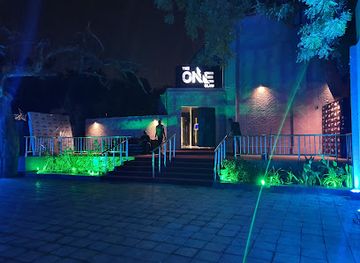
The on1e club
Discover Niamey's nightlife at The On1e Club, where music and energy merge for an unforgettable night of dancing and fun.
6 min drive · 1.9 km from neighbourhood centre
-
Night club
Blue Mix NightClub
Experience the vibrant nightlife of Niamey at Blue Mix NightClub, where every night is a celebration of music and dance.
8 min drive · 2.5 km from neighbourhood centre
Best shops in Quartier Plateau
Shopping within Quartier Plateau is mainly practical and service-oriented, with small shops, cafés, hotel retail and businesses serving offices and passing traffic rather than a dense concentration of specialist boutiques. The nearby central commercial quarters provide a wider selection of clothing, household goods, everyday foodstuffs and locally made items, while the Grand Marché is an important nearby reference for visitors interested in Niamey’s market culture; it should be treated as adjacent rather than automatically part of Plateau. The Musée National Boubou Hama complex is relevant to craft traditions and may help visitors understand Nigerien artistic production, although stock and displays can change. Bargaining is common in many informal markets, but visitors should remain courteous, examine goods carefully and avoid photographing vendors or products without permission.
-
Clothing store
Número Uno
Discover unique fashion at Número Uno, Niamey's top clothing store blending local and contemporary styles for every tourist.
7 min drive · 2.5 km from neighbourhood centre
-
Clothing store
KENZOLY
Explore the vibrant world of fashion at KENZOLY in Niamey, where traditional and contemporary styles meet for unique shopping experiences.
6 min drive · 1.9 km from neighbourhood centre
-
 Handbags shop
Zamany Accessory
Explore the vibrant world of handcrafted handbags at Zamany Accessory in Niamey, where culture meets style in every unique piece.
7 min drive · 2.2 km from neighbourhood centre


Quartier Plateau essentials
Getting There
Getting Around
Safety
Emergency Situations
Do's and Don'ts
Local Tips

From Eve
Local phrases worth knowing
You don't need to get them perfect. A few words go a long way, and locals appreciate the effort.
Basics
| English | Local | Say it |
|---|---|---|
| Hello | Sannu | [sah-noo] |
| Goodbye | Sannu da zuwa | [sah-noo dah zoo-wah] |
| Yes | Eh | [eh] |
| No | A'a | [ah-ah] |
| Please/You're welcome | Don Allah | [dohn ah-lah] |
| Thank you | Na gode | [nah goh-deh] |
| Excuse me/Sorry | Samu | [sah-moo] |
| How are you? | Yaya ke? | [yah-yah keh?] |
| Fine. And you? | Lafiya. Kuma ku? | [lah-fee-yah. koo-mah koo?] |
| Do you speak English? | Kana son ingilishi? | [kah-nah sohn een-gee-lee-shee?] |
| I don't understand | Ban fahimce ba | [bahn fah-heem-chay bah] |
Eating & Drinking
| English | Local | Say it |
|---|---|---|
| I'd like to see the menu, please | Ina son duba lakabin, don Allah | [ee-nah sohn doo-bah lah-kah-been, dohn ah-lah] |
| I don't eat meat | Ban taho kaza | [bahn tah-hoh kah-zah] |
| Cheers! | Kai! | [kai!] |
| I would like to pay, please | Ina son yiwa kudi, don Allah | [ee-nah sohn yee-wah koo-dee, dohn ah-lah] |
Emergencies
| English | Local | Say it |
|---|---|---|
| Help! | Taimaka! | [tye-mah-kah!] |
| Go away! | Zabi! | [zah-bee!] |
| Call the Police! | Kira jami'a! | [kee-rah jah-mee-ah!] |
| Call a doctor! | Kira tabbatar da dokta! | [kee-rah tah-bah-tahr dah dohk-tah!] |
| I'm lost | Na gudu | [nah goo-doo] |
| I'm ill | Na yin lafiya | [nah yeem lah-fee-yah] |
Shopping
| English | Local | Say it |
|---|---|---|
| I'd like to buy... | Ina son sayawa... | [ee-nah sohn sah-yah-wah...] |
| I'm just looking | Na shiga cigaba | [nah shee-gah chee-gah-bah] |
| How much is it? | Shi ne ya fi? | [shee neh yah fee?] |
| That's too expensive | Wani abu ne mafi kyau | [wah-nee ah-boo neh mah-fee kyow] |
| Can you lower the price? | Zaka iya sake yin murabba? | [zah-kah ee-yah sah-kay yeem moo-rah-bah?] |
Time & Numbers
| English | Local | Say it |
|---|---|---|
| What time is it? | Yaya lokaci ne? | [yah-yah loh-kah-chee neh?] |
| It's one o'clock | Shida ne | [shee-dah neh] |
| Half past (10) | Tara da | [tah-rah dah] |
| Morning | A safe | [ah sah-fay] |
| Afternoon | Yamma | [yahm-mah] |
| Evening | Yamma | [yahm-mah] |
| Yesterday | Jibi | [jee-bee] |
| Today | Yau | [yah-oo] |
| Tomorrow | Gobe | [goh-beh] |
| 1 | Hudu | [hoo-doo] |
| 2 | Bi | [bee] |
| 3 | Uku | [oo-koo] |
| 4 | Huudu | [hoo-doo] |
| 5 | Biyya | [beey-yah] |
| 6 | Shida | [shee-dah] |
| 7 | Bakwai | [bah-kwai] |
| 8 | Takwas | [tah-kwahs] |
| 9 | Tara | [tah-rah] |
| 10 | Goma | [goh-mah] |
Transport & Directions
| English | Local | Say it |
|---|---|---|
| Where's a/the...? | Ina... | [ee-nah...] |
| What's the address? | Me ya yi adireshin? | [meh yah yee ah-dee-resh-een?] |
| Can you show me (on the map)? | Zaka iya nuna min (a cikin rubutu)? | [zah-kah ee-yah noo-nah meen (ah chee-keen roo-boo-too)?] |
| When's the next (bus)? | Yaya lokaci ne na gaba? | [yah-yah loh-kah-chee neh nah gah-bah?] |
| A ticket (to ....) | Tikiti (zuwa ....) | [tee-kee-tee (zoo-wah ....)] |
History of Quartier Plateau
A Settlement on the Niger
The area now occupied by central Niamey developed within the wider historic landscape of communities established along the Niger River. Niamey’s origins are generally associated with nineteenth-century settlement and the movement of Hausa and Zarma-speaking communities through the river corridor, although accounts of the town’s early foundation differ. The river supported fishing, farming, trade and communication, while the slightly elevated central ground offered a practical location for later urban development. The name Plateau reflects the central elevated urban zone in common local usage, but it should not be understood as a formal historic boundary with a single documented founding date.
Colonial Administration Arrives
During French colonial rule, Niamey grew from a river settlement into an administrative centre, and the central Plateau area acquired the institutional character that still distinguishes it. Government offices, roads and public compounds were laid out to serve the colonial administration and its regional connections. This transformation shifted the focus of the town towards formal civic infrastructure while older patterns of river commerce and neighbourhood life continued around it. The central quarter’s broad avenues and low-rise official architecture therefore belong to a longer process of administrative urbanisation rather than to one single construction campaign.
Capital of Independent Niger
When Niger became independent in 1960, Niamey was confirmed as the national capital and Plateau’s civic importance increased. Ministries, diplomatic establishments, public services and cultural institutions expanded around the existing administrative core, making the quarter a daily meeting point for officials, students, visitors and traders. The establishment of the Musée National Boubou Hama in 1959, originally within the French colonial cultural and scientific tradition before taking on a national role, marked an important parallel development: the capital’s central district became a place not only of government but also of public education about Niger’s history and cultures.
Cultural Institutions and Urban Growth
As Niamey expanded during the second half of the twentieth century, Plateau remained a central civic area while newer residential and commercial districts developed around it. The national museum complex, public offices, hotels and central transport corridors helped maintain its importance, even as much of the city’s everyday commerce moved through adjoining quarters. The opening of the Kennedy Bridge in 1970 strengthened connections across the Niger River and altered movement through the capital, though the bridge and its approaches should be treated geographically as part of the broader central Niamey area rather than automatically as features of Plateau.
A Contemporary Administrative Quarter
Today, Quartier Plateau is best understood as a central administrative and cultural quarter within a larger, continually changing capital. Its identity is shaped by government activity, the national museum, hotels, offices, religious buildings and access to nearby commercial areas rather than by a single preserved historic streetscape. Development and traffic have brought modern pressures, while the district’s institutions continue to make it one of Niamey’s most significant areas for understanding national politics, public culture and the relationship between the city centre and the Niger River.
Quartier Plateau in Photos
Browse through our photo collection highlighting the charm and character of the destination.
Neighbourhoods near Quartier Plateau
The closest neighbourhoods to Quartier Plateau, if you have time for more than one stop.
-

-

-

-

-


Swipe for more neighbourhoods
Explore more

Explore more of Niamey
Niamey, Niger’s riverside capital, combines National Museum treasures, Sahelian markets, Hausa culture, Niger River views and welcoming urban energy.
Explore Niamey