

Quartier Plateau 5 (Niamey) Travel Guide - Free
Explore Quartier Plateau 5 in Niamey with Evendo's free guide. Find the best shops, historic streets, restaurants, and gems on web or mobile.


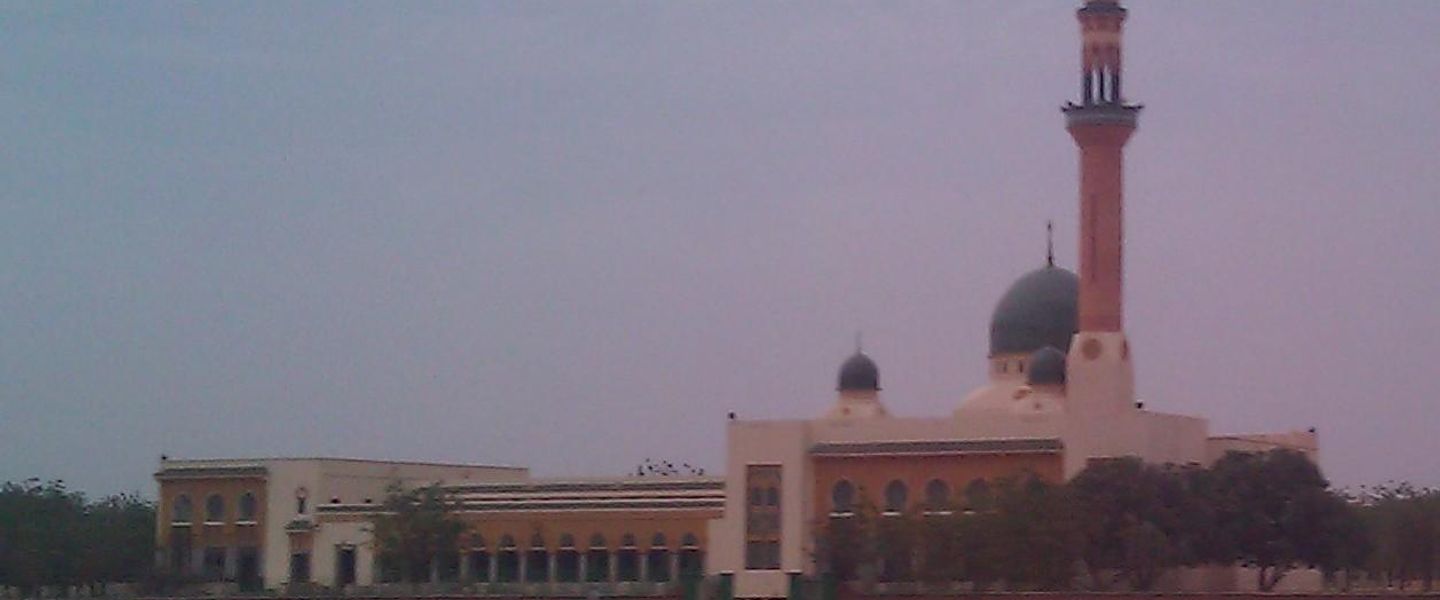


Quartier Plateau 5 in Niamey offers central streets, civic life, local markets, nearby museums and an authentic introduction to Niger’s capital.
Administrative Niamey and Everyday Movement
Quartier Plateau 5 belongs to the central Plateau area of Niamey, where government offices, commercial streets, banks, hotels and service businesses sit among ordinary residential activity. The quarter is better understood as part of the city’s working centre than as a self-contained sightseeing district: visitors encounter offices opening onto dusty pavements, taxis and motorbikes threading through traffic, shaded compounds, small shops and cafés serving people on the move. The town’s low-rise form, intense sunlight and broad, busy streets give the area a practical, spacious character.Read more about Quartier Plateau 5
A Base for Exploring the Capital
Street Life and Local Courtesy
Best attractions in Quartier Plateau 5
Quartier Plateau 5 has few attractions that function as standalone tourist sights, but its central streets offer a useful introduction to Niamey’s administrative and commercial life. Visitors can observe the relationship between office compounds, service businesses, small shops, taxis and residential streets, while the wider Plateau provides a base for reaching nearby central institutions. The National Museum Boubou Hama, elsewhere in the central area, is particularly relevant for understanding Niger’s archaeology, history, arts and cultural diversity; Grand Marché, also nearby rather than automatically part of Plateau 5, provides a more commercial experience of the capital. Short walks are most rewarding when treated as urban observation rather than a formal monument trail, with attention to street layouts, shade, compounds and the changing rhythm between working hours and quieter periods.
-
Bridge
Kennedy's Bridge
Explore Kennedy's Bridge in Niamey, where stunning views of the Niger River meet vibrant city life, offering a unique cultural experience.
6 min drive · 1.9 km from neighbourhood centre

Best landmarks in Quartier Plateau 5
The most significant landmarks associated with Plateau 5 are urban rather than monumental: the central street network, government and service compounds, low-rise commercial buildings and the wider Plateau’s role as a civic reference point in Niamey. Their importance comes from the way they organise daily movement and express the capital’s administrative history. Nearby central institutions, including the National Museum Boubou Hama, help visitors understand the national context but should be described as nearby rather than automatically inside the quarter. The Niger River, another major symbol of Niamey, lies elsewhere in the city’s geography and is not a Plateau 5 landmark. Because many official buildings have security restrictions, visitors should admire the streetscape from public areas and avoid photographing guarded premises.
-
Store
Grand Market Niamey
Experience the vibrant culture and local flavors of Niamey at the Grand Market, a bustling hub of commerce and tradition in Niger's capital.
3 min walk · 0.2 km from neighbourhood centre
-
Hotel
Radisson Blu Hotel & Conference Center, Niamey
Discover the ultimate blend of luxury and convenience at Radisson Blu Hotel & Conference Center in Niamey, where comfort meets culture.
16 min walk · 1.2 km from neighbourhood centre
-
Mosque
Great Mosque of Niamey
Experience the architectural beauty and cultural richness of the Great Mosque of Niamey, a must-visit landmark in Niger.
6 min drive · 2.0 km from neighbourhood centre
-
Local history museum
Boubou Hama National Museum
Explore Niger's vibrant history and culture at the Boubou Hama National Museum, a key attraction in Niamey showcasing the nation's rich heritage.
13 min walk · 1.1 km from neighbourhood centre


Explore Quartier Plateau 5 on the map
A handpicked selection of must-see spots in Quartier Plateau 5, mapped for you.
Best hotels in Quartier Plateau 5
Best restaurants in Quartier Plateau 5
Dining in Plateau 5 is shaped by its central working-day population rather than by a concentrated restaurant district. Visitors are likely to find modest cafés, tea stalls, hotel dining rooms and small local eateries offering practical meals, alongside businesses serving familiar West African and Sahelian dishes. The wider central Plateau gives access to more options than the quarter’s quieter streets, while Niamey’s broader food scene includes rice and sauce dishes, grilled meats, beans, millet-based foods and refreshing drinks suited to the hot climate. Independent places may have limited signage or changing arrangements, so local recommendations are useful. Eat cautiously where food hygiene is uncertain, choose busy premises with good turnover, and carry drinking water; dining should be understood as part of everyday city life rather than a highly branded culinary circuit.
-
Restaurant
La Cabane
Discover La Cabane in Niamey – where local flavors meet international cuisine in an inviting atmosphere.
6 min drive · 2.2 km from neighbourhood centre
-
Restaurant
Côté Jardin
Discover Côté Jardin in Niamey: where local flavors meet international cuisine in an inviting atmosphere perfect for any occasion.
18 min walk · 1.4 km from neighbourhood centre
-
Italian
The Pillar Restaurant
Discover authentic Italian flavors at The Pillar Restaurant in Niamey, where every dish tells a story of tradition and taste.
15 min walk · 1.2 km from neighbourhood centre
-
Restaurant
Restaurant Dragon D'or Niamey
Experience authentic Chinese flavors at Restaurant Dragon D'or Niamey – where every dish tells a story of culinary excellence.
15 min walk · 1.2 km from neighbourhood centre


Best bars in Quartier Plateau 5
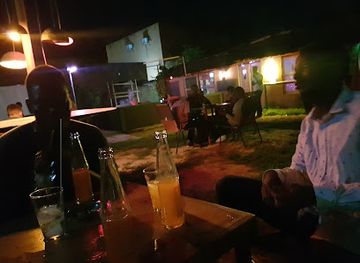
Plateau 5 is primarily an administrative and mixed-use quarter, so its evening life is more restrained than the purpose-built nightlife areas found in some capitals. After office hours, activity centres on hotel restaurants, informal tea and coffee stops, small eateries and streets where residents and workers make short journeys. Some central Niamey hotels and entertainment venues may provide evening music or drinks, but their programmes and access can change, and they should not be assumed to lie within Plateau 5 itself. Visitors should ask locally about current arrangements, dress respectfully and use dependable transport after dark. The neighbourhood is better suited to an early evening walk or meal than to expecting a dense strip of clubs and late-night venues.
-
Hotel
Radisson Blu Hotel & Conference Center, Niamey
Discover unparalleled comfort and modern elegance at the Radisson Blu Hotel & Conference Center in Niamey, perfect for both business and leisure travelers.
16 min walk · 1.2 km from neighbourhood centre
-
 Bar
Quartier,Niamey,Niger
Discover Quartier in Niamey, Niger – where vibrant nightlife meets cultural richness in an unforgettable bar experience.
5 min drive · 1.7 km from neighbourhood centre

Best nightclubs in Quartier Plateau 5
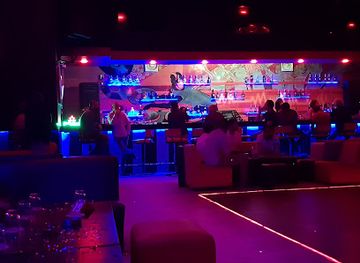
Plateau 5 is primarily an administrative and mixed-use quarter, so its evening life is more restrained than the purpose-built nightlife areas found in some capitals. After office hours, activity centres on hotel restaurants, informal tea and coffee stops, small eateries and streets where residents and workers make short journeys. Some central Niamey hotels and entertainment venues may provide evening music or drinks, but their programmes and access can change, and they should not be assumed to lie within Plateau 5 itself. Visitors should ask locally about current arrangements, dress respectfully and use dependable transport after dark. The neighbourhood is better suited to an early evening walk or meal than to expecting a dense strip of clubs and late-night venues.
-
Bar
Le Patio Club
Discover the energetic nightlife of Niamey at Le Patio Club, where vibrant beats and delicious cocktails create unforgettable memories.
6 min walk · 0.5 km from neighbourhood centre
-
Bar
Club Mooky
Discover the lively nightlife of Niamey at Club Mooky, where vibrant energy meets delightful cocktails in an unforgettable atmosphere.
7 min drive · 2.3 km from neighbourhood centre
-
Club
DIAM'S NIGHT CLUB
Discover the pulsating nightlife of Niamey at DIAM'S NIGHT CLUB, where music and dance come alive in a vibrant atmosphere.
13 min walk · 1.0 km from neighbourhood centre
-
Bar
L'Escale - Select Bar
Experience the vibrant nightlife at L'Escale, Niamey's lively bar offering a mix of local flavors and refreshing drinks in a welcoming atmosphere.
6 min drive · 2.1 km from neighbourhood centre

Best shops in Quartier Plateau 5
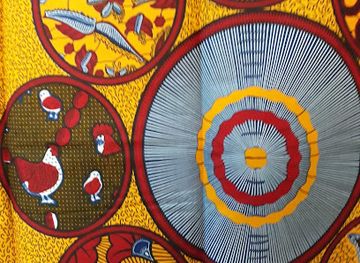
Shopping in Plateau 5 is practical and dispersed, with small convenience shops, service businesses, clothing sellers, mobile-phone outlets and informal points of trade serving people who work or live in the central area. It is not best known as a specialist retail quarter, although the wider Plateau connects visitors with central commercial streets and Grand Marché, which lies nearby and offers a broader selection of clothing, household goods, foodstuffs and locally traded merchandise. Craft shopping is more easily approached through established markets and cultural institutions elsewhere in central Niamey than through a dedicated Plateau 5 boutique scene. Ask before photographing sellers or goods, compare quality carefully and carry modest cash for small purchases, as card acceptance should not be assumed in smaller businesses.
-
Shopping mall
SEIF MALL
Experience shopping like never before at SEIF Mall in Niamey, where local culture meets international brands in a vibrant atmosphere.
17 min walk · 1.4 km from neighbourhood centre
-
Shopping mall
Authentique shop
Explore Authentique Shop in Niamey for a vibrant shopping experience filled with local crafts, fashion, and culinary delights.
14 min walk · 1.1 km from neighbourhood centre
-
Store
Notre boutique au grand marché de Niamey
Discover the heart of Niamey at 'Notre boutique au grand marché de Niamey', where authentic Nigerien culture meets vibrant local shopping.
17 min walk · 1.4 km from neighbourhood centre
-
Handbags shop
Zamany Accessory
Explore the stylish world of handbags at Zamany Accessory, Niamey's top destination for unique and crafted designs that celebrate local culture.
8 min walk · 0.6 km from neighbourhood centre

Quartier Plateau 5 essentials
Getting There
Getting Around
Safety
Emergency Situations
Do's and Don'ts
Local Tips

From Eve
Local phrases worth knowing
You don't need to get them perfect. A few words go a long way, and locals appreciate the effort.
Basics
| English | Local | Say it |
|---|---|---|
| Hello | Sannu | [san-nu] |
| Goodbye | Sai anjima | [sai an-ji-ma] |
| Yes | Eh | [eh] |
| No | A'a | [a'a] |
| Please/You're welcome | Kar ka gode | [kar ka go-de] |
| Thank you | Na gode | [na go-de] |
| Excuse me/Sorry | Samuwa | [sa-mu-wa] |
| How are you? | Yaya kake | [ya-ya ka-ke] |
| Fine. And you? | Lafiya. Kana lafiya? | [la-fi-ya. ka-na la-fi-ya?] |
| Do you speak English? | Kana son rubuta Turanci? | [ka-na son ru-bu-ta tu-ran-chi?] |
| I don't understand | Ban fahimci ba | [ban fa-him-ci ba] |
Eating & Drinking
| English | Local | Say it |
|---|---|---|
| I'd like to see the menu, please | Ina son duba menu, don Allah | [i-na son du-ba me-nu, don al-lah] |
| I don't eat meat | Ba na yi abinci da nama | [ba na yi a-bin-ci da na-ma] |
| Cheers! | Barka da shan ruwa! | [bar-ka da shan ru-wa!] |
| I would like to pay, please | Ina son yi sauƙa, don Allah | [i-na son yi sau-ka, don al-lah] |
Emergencies
| English | Local | Say it |
|---|---|---|
| Help! | Taimaka! | [ta-i-ma-ka!] |
| Go away! | Zo kuma! | [zo ku-ma!] |
| Call the Police! | Kira jam'iyyar tsaro! | [ki-ra jam-'i-yyar tsa-ro!] |
| Call a doctor! | Kira dokin | [ki-ra do-kin] |
| I'm lost | Na yi ne | [na yi ne] |
| I'm ill | Na yi da lafiya | [na yi da la-fi-ya] |
Shopping
| English | Local | Say it |
|---|---|---|
| I'd like to buy... | Ina son saye... | [i-na son sa-ye...] |
| I'm just looking | Na dubawa | [na du-ba-wa] |
| How much is it? | Shi ne ya kamata? | [shi ne ya ka-ma-ta?] |
| That's too expensive | Wannan ya fi da kyau | [wan-nan ya fi da kyau] |
| Can you lower the price? | Zaka iya sake fama? | [za-ka i-ya sa-ke fa-ma?] |
Time & Numbers
| English | Local | Say it |
|---|---|---|
| What time is it? | Yaya lokaci ne? | [ya-ya lo-ka-ci ne?] |
| It's one o'clock | Ya guda daya | [ya gu-da da-ya] |
| Half past (10) | Kwana biyu da | [kwa-na bi-yu da] |
| Morning | Asuba | [a-su-ba] |
| Afternoon | Rai | [rai] |
| Evening | Yamma | [yam-ma] |
| Yesterday | Jibi | [ji-bi] |
| Today | Yau | [yau] |
| Tomorrow | Gobe | [go-be] |
| 1 | Daya | [da-ya] |
| 2 | Biyu | [bi-yu] |
| 3 | Uku | [u-ku] |
| 4 | Huɗu | [hu-ɗu] |
| 5 | Biɗa | [bi-ɗa] |
| 6 | Shida | [shi-da] |
| 7 | Bakwai | [ba-kwa-i] |
| 8 | Takwas | [tak-was] |
| 9 | Tara | [ta-ra] |
| 10 | Goma | [go-ma] |
Transport & Directions
| English | Local | Say it |
|---|---|---|
| Where's a/the...? | Ina... | [i-na...] |
| What's the address? | Yaya adireshin ne? | [ya-ya a-di-re-shin ne?] |
| Can you show me (on the map)? | Zaka iya nuna min (a cikin rubutu)? | [za-ka i-ya nu-na min (a chi-kin ru-bu-tu)?] |
| When's the next (bus)? | Yaya lokaci ne na gaban (motar)? | [ya-ya lo-ka-ci ne na ga-ban (mo-tar)?] |
| A ticket (to ....) | Tikiti (zuwa ....) | [ti-ki-ti (zu-wa ....)] |
History of Quartier Plateau 5
From Village Landscape to Colonial Town
Niamey developed on the banks of the Niger from earlier village settlements and river-based trading activity, but its role changed significantly when French colonial administration established a stronger presence in the area during the early twentieth century. The central Plateau emerged as part of the planned administrative town, separated in character from older riverside and village areas. Its streets, compounds and civic functions reflected the requirements of colonial government rather than a single traditional urban form. Quartier Plateau 5 is best understood within this broader central development, whose institutional concentration helped make the Plateau a durable reference point in Niamey’s geography.
The Administrative Centre Takes Shape
As Niamey expanded as a colonial capital and later as the capital of independent Niger, the Plateau became associated with public administration, commerce and formal services. Roads linking government offices with markets and other parts of the city encouraged daily movement through the central quarters, while low-rise construction and compounds remained characteristic of the urban landscape. The designation Plateau 5 reflects the subdivision of this central area into locally recognised quarters rather than a separate historic town. Its significance lies in the way it participates in Niamey’s civic centre: offices, businesses and housing occupy the same wider zone, producing a neighbourhood shaped by workday rhythms.
Independence and National Institutions
Niger’s independence in 1960 gave Niamey’s central districts a new political meaning. Buildings and streets associated with administration became part of the institutional framework of the republic, while the capital attracted residents, traders and workers from across the country. Plateau 5 shared in this gradual transformation from colonial administrative setting to national civic centre. The quarter’s identity is therefore linked less to a single monumental event than to the continuing concentration of public services, commercial activity and formal employment in central Niamey.
A Changing Central Quarter
Contemporary Plateau 5 reflects the pressures affecting central Niamey: population growth, expanding traffic, hotter streets, new commercial construction and the continued importance of small-scale trade. Older compounds and established businesses coexist with newer offices, guest accommodation and service premises, although the pace and appearance of change vary from street to street. The quarter remains a practical part of the capital rather than a preserved historic district. Its present character is found in the daily overlap of administration, commerce, transport and residential life, with the Plateau continuing to serve as one of Niamey’s clearest urban reference areas.
Quartier Plateau 5 in Photos
Browse through our photo collection highlighting the charm and character of the destination.
Neighbourhoods near Quartier Plateau 5
The closest neighbourhoods to Quartier Plateau 5, if you have time for more than one stop.
-

-

-

-

-


Swipe for more neighbourhoods
Explore more

Explore more of Niamey
Niamey, Niger’s riverside capital, combines National Museum treasures, Sahelian markets, Hausa culture, Niger River views and welcoming urban energy.
Explore Niamey