

Osongama Estate (Uyo) Travel Guide - Free
Explore Osongama Estate in Uyo with Evendo's free guide. Find the best shops, historic streets, restaurants, and gems on web or mobile.


Osongama Estate in Uyo offers a calm residential base for exploring Akwa Ibom, with local dining, everyday markets and easy access to the city.
A Residential Uyo Setting
Osongama Estate is best understood as a residential part of Uyo rather than a concentrated sightseeing quarter. Its character comes from compound homes, estate roads, local businesses and the routines of everyday life in Akwa Ibom’s capital. The area offers a quieter base than Uyo’s central commercial streets, while remaining connected to the wider city by taxis, tricycles and road links. Boundaries are understood locally rather than defined by a single visitor landmark, so the surrounding streets and adjoining built-up areas form part of the practical experience of staying here.Read more about Osongama Estate
Everyday Streets and Local Life
A Base for Exploring Uyo
Best attractions in Osongama Estate
Osongama Estate has few conventional tourist attractions, and its interest lies chiefly in the texture of ordinary Uyo life. Visitors can explore residential streets, compound architecture, roadside shops, small eateries, churches and the changing edges of the city, although these are lived spaces rather than arranged visitor sights. Short walks reveal how homes, local commerce, drainage channels, construction and transport services fit together in a developing urban neighbourhood. The estate is also a practical starting point for visiting attractions elsewhere in Uyo, but those should be described as city destinations rather than as part of Osongama itself. Travellers seeking a more formal cultural outing may need to arrange transport to museums, civic spaces or entertainment areas beyond the estate. Local guidance is useful because street names, junctions and addresses are often more meaningful to residents than fixed tourist signage.
-
Tourist attraction
Secretariat Junction
Experience the vibrant culture and lively atmosphere at Secretariat Junction in Uyo, Akwa Ibom, a must-visit tourist attraction.
5 min drive · 1.8 km from neighbourhood centre

Best landmarks in Osongama Estate
Osongama Estate is not defined by a single nationally recognised monument or historic building. Its most meaningful landmarks are local reference points: estate entrances, junctions, churches, prominent compounds, small shops and the road connections that residents use to navigate the area. This modest landmark vocabulary is typical of a residential district whose identity is practical and communal rather than monumental. The layout of walled homes, roadside commerce, drainage infrastructure and newer construction also records Uyo’s outward growth. Visitors should avoid assigning nearby civic buildings or central-city monuments to Osongama Estate simply because they are reachable by road. Instead, the estate’s architectural interest lies in observing the contrast between planned residential plots, individually developed compounds and the informal services that support them. Local residents or hosts can clarify which junctions are recognised as useful meeting points.
-
Plaza
Ibom Plaza
Experience the vibrant culture, shopping, and dining at Ibom Plaza, the heart of Uyo, where tradition meets modernity in a lively atmosphere.
7 min drive · 2.3 km from neighbourhood centre

Explore Osongama Estate on the map
A handpicked selection of must-see spots in Osongama Estate, mapped for you.
Best hotels in Osongama Estate
Best bars in Osongama Estate
Osongama Estate is chiefly residential, so its evening character is quieter and more local than that of Uyo’s recognised commercial and entertainment corridors. Residents may gather at neighbourhood beer parlours, small bars, food spots or informal outdoor seating, while churches and family homes contribute to the area’s social life. These venues are generally part of everyday community activity rather than a dedicated nightlife circuit, and visitors should avoid assuming that a particular outlet, event or opening pattern is permanent. Those seeking louder music, organised entertainment or a wider choice of bars and clubs will usually need to travel outside the estate to busier parts of Uyo. At night, use trusted transport, keep noise down near homes and confirm the destination with a local contact, since residential roads may be unfamiliar and lightly trafficked.
-
 Bar
Unique Plaza Bar
Discover the lively atmosphere and diverse drink selection at Unique Plaza Bar, the heartbeat of Uyo's nightlife.
7 min drive · 2.5 km from neighbourhood centre
Osongama Estate essentials
Getting There
Getting Around
Safety
Emergency Situations
Do's and Don'ts
Local Tips

From Eve
Local phrases worth knowing
You don't need to get them perfect. A few words go a long way, and locals appreciate the effort.
Basics
| English | Local | Say it |
|---|---|---|
| Hello | Ndewo | [N-deh-woh] |
| Goodbye | Kachifo | [Ka-chee-foh] |
| Yes | Ee | [Eh] |
| No | Mba | [M-bah] |
| Please/You're welcome | Biko | [Bee-koh] |
| Thank you | Daalu | [Dah-loo] |
| Excuse me/Sorry | Kedu | [Keh-doo] |
| How are you? | Kedu ka imere? | [Keh-doo kah ee-meh-reh] |
| Fine. And you? | Oma. Ka imere? | [Oh-mah. Kah ee-meh-reh] |
| Do you speak English? | Onye nwere asusu Bekee? | [Ohn-yeh nweh-reh ah-soo-soo Beh-keh] |
| I don't understand | Aghotago m n'obula | [Ah-ho-ta-go emm noh-boo-lah] |
Eating & Drinking
| English | Local | Say it |
|---|---|---|
| I'd like to see the menu, please | A ga eme ihe mere, biko | [Ah gah eh-meh ee-heh meh-reh, bee-koh] |
| I don't eat meat | A choo nri akpu | [Ah choh n-ree ah-kpoo] |
| Cheers! | Nkpa | [N-kpah] |
| I would like to pay, please | A ga eme ego, biko | [Ah gah eh-meh eh-goh, bee-koh] |
Emergencies
| English | Local | Say it |
|---|---|---|
| Help! | Nwunye! | [Nwuh-nyeh] |
| Go away! | Gbaa waa! | [Gbah wah] |
| Call the Police! | Kpoo obula! | [Kpoh oo-boo-lah] |
| Call a doctor! | Kpoo doctor! | [Kpoh doc-tor] |
| I'm lost | A diro m n'ime onwe m | [Ah dee-roh emm nee-meh ohn-weh m] |
| I'm ill | A mara m | [Ah mah-rah m] |
Shopping
| English | Local | Say it |
|---|---|---|
| I'd like to buy... | A ga achoro... | [Ah gah ah-choh-roh] |
| I'm just looking | A diro m ike | [Ah dee-roh emm ee-keh] |
| How much is it? | Ozi gini bu? | [Oh-zee gee-nee boo] |
| That's too expensive | E nwere mmadu | [Eh nweh-reh mmah-doo] |
| Can you lower the price? | Onye na enye ihe n'efu? | [Ohn-yeh nah eh-nyeh ee-heh n-eh-foo] |
Time & Numbers
| English | Local | Say it |
|---|---|---|
| What time is it? | Kedu oge bu? | [Keh-doo oh-geh boo] |
| It's one o'clock | O bu onwa nkeji | [Oh boo oh-nwah n-keh-jee] |
| Half past (10) | Nri n'ihie | [N-ree nee-hee] |
| Morning | Ututu | [Oo-too-too] |
| Afternoon | Ehihie | [Eh-hee-hee] |
| Evening | Mgbe eji eje | [Mm-beh eh-jee eh-jeh] |
| Yesterday | Nkiri | [N-kee-ree] |
| Today | Taa | [Tah] |
| Tomorrow | Ano | [Ah-noh] |
| 1 | Okwu | [Oh-kwoo] |
| 2 | Abuo | [Ah-boo-oh] |
| 3 | Atolu | [Ah-toh-loo] |
| 4 | Anwa | [Ah-nwah] |
| 5 | Ise | [Ee-seh] |
| 6 | Isii | [Ee-see-ee] |
| 7 | Asaa | [Ah-sah-ah] |
| 8 | Asato | [Ah-sah-toh] |
| 9 | Ihedioha | [Ee-heh-dee-oh-hah] |
| 10 | Iri | [Ee-ree] |
Transport & Directions
| English | Local | Say it |
|---|---|---|
| Where's a/the...? | Ebee ka... | [Eh-beh kah] |
| What's the address? | Kedu unu adreesi? | [Keh-doo oo-noo ah-dree-see] |
| Can you show me (on the map)? | Onye nwere ike ime ka m kwado? | [Ohn-yeh nweh-reh ee-keh ee-meh kah m kwah-doh] |
| When's the next (bus)? | O nwere ike otu nkeji? | [Oh nweh-reh ee-keh oh-too n-keh-jee] |
| A ticket (to ....) | Ogara (puta ...) | [Oh-gah-rah poo-tah] |
History of Osongama Estate
From Rural Land to Urban Estate
Osongama Estate belongs to the broad outward growth of Uyo, whose expansion has converted formerly less intensively settled land into residential neighbourhoods, roads and service businesses. Unlike older central districts with a clearly documented colonial or commercial history, the estate’s identity is primarily linked to planned and semi-planned housing development. Its name and local recognition function as an address within the expanding capital, while the surrounding built environment records the gradual movement of homes and urban infrastructure away from the traditional centre.
Uyo’s Capital-City Expansion
The development of Osongama Estate is connected to Uyo’s increasing importance as the capital of Akwa Ibom State. Government functions, educational institutions, private businesses and population growth strengthened demand for housing beyond the older core. Residential estates such as Osongama became part of this outward pattern, combining detached or compound housing with small-scale commerce and local services. The result is a neighbourhood whose history is less about one defining event than about the steady reshaping of land around a growing administrative city.
Contemporary Residential Character
In the contemporary period, Osongama Estate reflects the mixed character of Uyo’s newer residential districts. Homes, worship spaces, shops, food sellers, artisans and transport services operate alongside one another, creating a local economy tied closely to residents rather than to large-scale tourism. Ongoing construction, road improvements and changing property use are part of the area’s wider urban evolution, although the pace and form of development vary from street to street. Its significance lies in showing how Uyo continues to extend and reorganise itself around established residential communities.
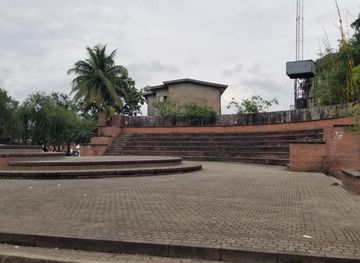
Osongama Estate in Photos
Browse through our photo collection highlighting the charm and character of the destination.
Neighbourhoods near Osongama Estate
The closest neighbourhoods to Osongama Estate, if you have time for more than one stop.
-

-


Swipe for more neighbourhoods
Explore more
Explore more of Uyo
Uyo, Nigeria, pairs Ibibio heritage with leafy streets, bold Akwa Ibom cuisine, lively markets, modern landmarks and easy access to the Niger Delta.
Explore Uyo