

Free Faisalabad Travel Guide & Mobile App
Plan your Faisalabad trip with Evendo. Get free guides to top attractions, restaurants, hotels, and bars. Web access or download the mobile app.


Faisalabad, Pakistan’s textile city, offers historic bazaars, Clock Tower heritage, museums, gardens and distinctive Punjabi culture for curious visitors.
A Planned City with a Commercial Pulse
Faisalabad stands in the fertile plains of central Punjab, a major Pakistani city whose modern identity is closely tied to cotton, textiles and agricultural commerce. Its historic centre was laid out during the British colonial period as Lyallpur, with the Clock Tower at its centre and eight bazaars radiating outwards in a distinctive Union Jack-inspired plan. The arrangement remains one of the clearest ways to understand the city's geography: each bazaar has its own commercial character, while the surrounding lanes carry the movement of a substantial regional trading centre.Read more about Faisalabad
Industry, Culture and Everyday Life
Beyond the Commercial Centre
When is the best time to visit Faisalabad?
Best: March, October–November · 23–29°C| Month | High (°C) | Rainfall (mm) |
|---|---|---|
| January | 18 | 32 |
| February | 22 | 30 |
| March (best) | 27 | 26 |
| April | 33 | 14 |
| May | 36 | 7 |
| June | 41 | 5 |
| July | 39 | 4 |
| August | 37 | 6 |
| September | 34 | 8 |
| October (best) | 29 | 10 |
| November (best) | 23 | 18 |
| December | 17 | 27 |
Getting to and around Faisalabad
How to get there
Transportation
Best attractions in Faisalabad
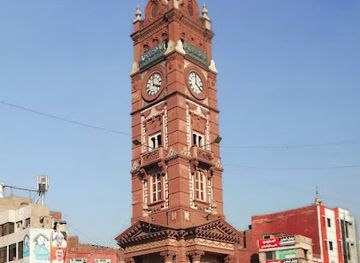
Faisalabad's principal attractions reveal a working Punjabi city rather than a corridor of monumental sights. Start at the Clock Tower, whose central position makes it the gateway to eight radiating bazaars filled with textiles, hardware, food and everyday commerce. Lyallpur Museum offers a more interpretive account of the region's archaeology, agriculture, colonial development and cultural history, while Jinnah Garden provides shaded paths and a quieter pause close to the urban centre. D Ground presents a modern side of Faisalabad through retail, cafés and evening activity. For open space beyond the dense commercial districts, Gatwala Wildlife Park combines gardens, woodland and recreational landscapes on the city's outskirts. The University of Agriculture Faisalabad campus also reflects the importance of irrigation, farming and agricultural research to the region, although access to institutional areas may be limited. Together these places show how the city's planned origins, textile economy and surrounding countryside remain closely connected.
-
Tourist attraction
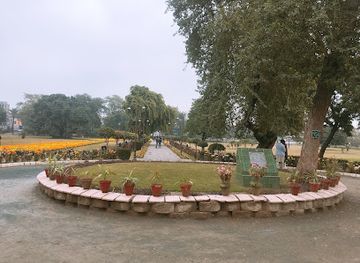
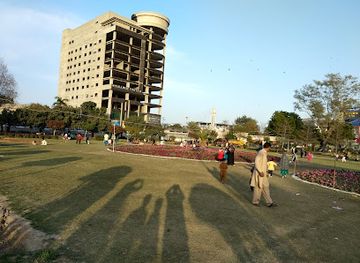
D Ground Park
Experience the serene beauty and community spirit of D Ground Park in Faisalabad, a perfect urban retreat for nature lovers and families alike.
33 min drive · 13 km from city centre
-
Tourist attraction
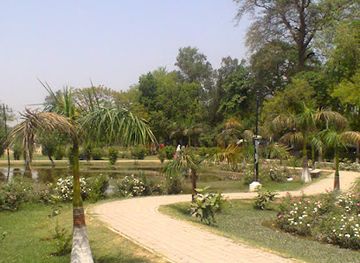
Jinnah Gardens
Discover the beauty and tranquility of Jinnah Gardens, Faisalabad's premier park for relaxation and family enjoyment in a lush green setting.
36 min drive · 16 km from city centre
-
Tourist attraction
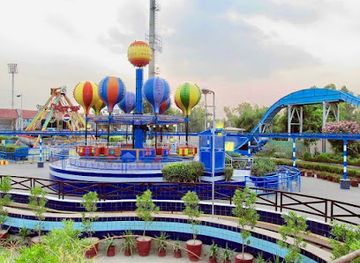
Sindbad Wonderland
Discover the thrill of Sindbad Wonderland, Faisalabad's top indoor amusement park with exciting rides and family-friendly attractions for all ages.
37 min drive · 17 km from city centre
-
Tourist attraction
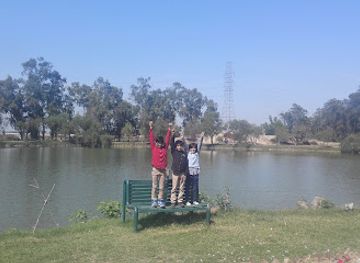
Gutwala Park Faisalabad
Discover the beauty of nature at Gutwala Park, Faisalabad's premier wildlife park and recreational area, perfect for families and nature lovers.
41 min drive · 21 km from city centre
Best landmarks in Faisalabad
The Clock Tower is Faisalabad's defining civic landmark and the centre of the original Lyallpur plan; its position gives the surrounding eight bazaars their radial structure and preserves the logic of the colonial-era settlement. The bazaar streets themselves are historic urban landmarks, not preserved museum lanes, and their importance lies in the continuity of commercial life around the tower. Gumti, a domed structure associated with the central market area, is another recognisable feature of the old city. The Chenab Club represents the colonial civic and social institutions that developed alongside the planned settlement, while Government College University Faisalabad and the University of Agriculture Faisalabad reflect the city's later educational growth. Jinnah Garden's mature public landscape adds a civic, recreational dimension to the centre. Together these places trace Faisalabad's development from canal-colony market town to major industrial city.
-
Historical landmark
Clock Tower Faisalabad
Explore the Clock Tower in Faisalabad, a historical gem and bustling hub of culture, commerce, and local traditions in Pakistan.
36 min drive · 16 km from city centre
-
Shopping mall
Lyallpur Galleria
Explore the Lyallpur Galleria in Faisalabad: A vibrant shopping mall offering an array of retail, dining, and entertainment experiences for every traveler.
36 min drive · 16 km from city centre
-
Park
D Ground Park
Discover the serene beauty of D Ground Park in Faisalabad, where lush landscapes and vibrant flowers create an ideal escape for relaxation and recreation.
33 min drive · 13 km from city centre
-
Park
Jinnah Gardens
Explore Jinnah Gardens in Faisalabad, a lush urban oasis perfect for relaxation, picnics, and family fun amidst vibrant nature.
36 min drive · 16 km from city centre
Explore Faisalabad on the map
Plan your Faisalabad trip on one map. See where the top attractions, landmarks, restaurants, bars and hotels are, find what's near where you're staying, and book hotels and experiences in a few clicks.
Best hotels in Faisalabad
Best restaurants in Faisalabad
Faisalabad's food culture is rooted in Punjabi home cooking, workers' eateries, market stalls and restaurants serving generous shared meals. Visitors encounter tandoori breads, naan, grilled meats, karahi, nihari, haleem, biryani and lentil dishes, alongside seasonal vegetables and cooling yoghurt-based accompaniments. Samosas, pakoras, jalebi and other sweets are common in commercial areas, while tea shops provide an informal setting for conversation. The old bazaars and central markets are useful for observing the connection between food and trade, although the most crowded stalls may offer limited seating. D Ground and other newer commercial areas have a broader selection of cafés, fast-food outlets and contemporary Pakistani dining. Beef and mutton are widely used, while chicken and vegetarian dishes are also easy to find; travellers with dietary restrictions should explain them clearly, particularly where dishes are prepared in shared kitchens.
-
Pakistani
Canteen Hazara Hotel Faisalabad
Experience authentic Pakistani flavors at Canteen Hazara Hotel in Faisalabad - where every dish tells a story.
35 min drive · 15 km from city centre
-
Restaurant
Silver Spoon Continental Restaurant
Discover exquisite dining at Silver Spoon Continental Restaurant in Faisalabad - where local flavors meet global cuisine in a cozy atmosphere.
34 min drive · 14 km from city centre
-
Restaurant
Marhaba Mahal
Discover the authentic taste of Pakistan at Marhaba Mahal – where culinary tradition meets modern flair in Faisalabad.
38 min drive · 18 km from city centre
-
Traditional restaurant
Salt'n Pepper Faisalabad
Discover authentic Pakistani flavors at Salt'n Pepper Faisalabad - where tradition meets taste in every dish.
34 min drive · 14 km from city centre


Best bars in Faisalabad
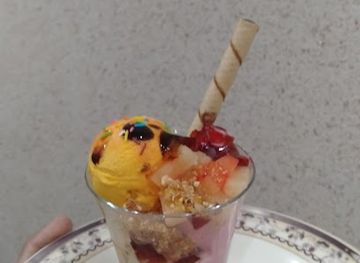
Faisalabad does not have a conventional bar-and-nightclub scene, and public evening life is shaped more by family dining, tea houses, shopping and informal gatherings than by alcohol-focused entertainment. After sunset, D Ground and other commercial districts become important meeting places, with restaurants, cafés, dessert shops and fast-food outlets attracting students, families and professionals. Tea, fresh juices and sweet dishes are more characteristic evening refreshments than alcoholic drinks, whose sale and consumption are restricted in Pakistan. Cultural activity may include university programmes, local performances, cinema and community events, though schedules and access vary. The Clock Tower area remains active after dark through commerce, but its congested streets are better approached with planned transport and awareness of traffic. Visitors seeking a quieter evening can choose a hotel restaurant or café rather than expecting a large late-night club district.
-
Bar
Rizwan Ice Bar
Discover Rizwan Ice Bar in Faisalabad for an unforgettable experience featuring delightful ice treats and a lively atmosphere, perfect for relaxation.
37 min drive · 17 km from city centre
-
Bar
Dream cool ice bar
Discover a unique escape in Faisalabad at Dream Cool Ice Bar – a frosty haven with innovative drinks and a vibrant atmosphere.
39 min drive · 19 km from city centre
-
 Bar
BarChaman Ice Bar
Experience the thrilling ambiance of Chaman Ice Bar in Faisalabad, where innovative cocktails and ice-themed decor create a unique nightlife adventure.
42 min drive · 22 km from city centre
-
Cocktail bar
Jolly Crown
Discover the sophisticated nightlife at Jolly Crown, Faisalabad's premier cocktail bar offering an exquisite drink selection and vibrant atmosphere.
35 min drive · 15 km from city centre


Best nightclubs in Faisalabad
Faisalabad does not have a conventional bar-and-nightclub scene, and public evening life is shaped more by family dining, tea houses, shopping and informal gatherings than by alcohol-focused entertainment. After sunset, D Ground and other commercial districts become important meeting places, with restaurants, cafés, dessert shops and fast-food outlets attracting students, families and professionals. Tea, fresh juices and sweet dishes are more characteristic evening refreshments than alcoholic drinks, whose sale and consumption are restricted in Pakistan. Cultural activity may include university programmes, local performances, cinema and community events, though schedules and access vary. The Clock Tower area remains active after dark through commerce, but its congested streets are better approached with planned transport and awareness of traffic. Visitors seeking a quieter evening can choose a hotel restaurant or café rather than expecting a large late-night club district.
-
Night club
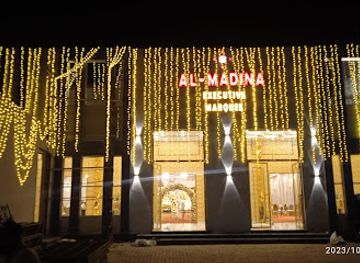
AL MADINA EXECUTIVE MARQUEE
Experience the vibrant nightlife at Al Madina Executive Marquee, Faisalabad's premier destination for entertainment, music, and socializing.
31 min drive · 11 km from city centre
-
Night club
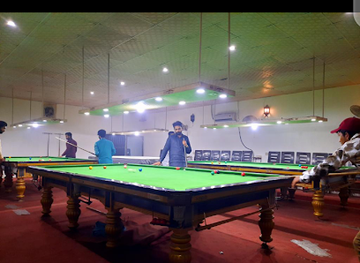
Koh-i-noor Snooker club
Discover a lively nightlife experience at Koh-i-noor Snooker Club in Faisalabad, where snooker enthusiasts gather for fun and competition.
38 min drive · 18 km from city centre
-
Night club
Mohammed Asif Snooker Club
Experience the thrill of snooker at Mohammed Asif Snooker Club, Faisalabad's premier destination for players and enthusiasts alike.
33 min drive · 13 km from city centre
-
Night club
Hk king
Dive into Faisalabad's nightlife at Hk King, where music, dance, and vibrant energy create unforgettable experiences.
35 min drive · 15 km from city centre
Best shops in Faisalabad
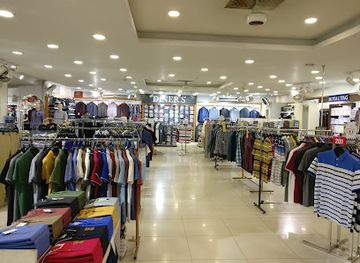
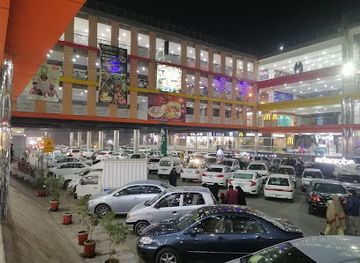
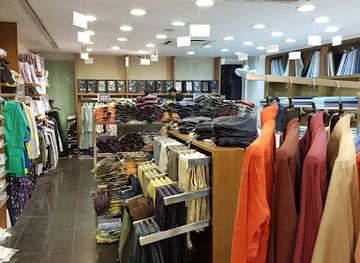
Shopping in Faisalabad is closely tied to the city's textile economy and the commercial plan around the Clock Tower. The eight historic bazaars specialise in different kinds of trade, with textiles, clothing, household goods, hardware, spices and everyday provisions extending through dense streets and covered market areas. Visitors interested in fabric can find cotton materials, unstitched clothing, embroidered garments and ready-made Punjabi dress, although quality, provenance and prices vary between sellers. The central markets are primarily used by local residents and traders, so bargaining is customary but should be polite and practical. D Ground offers a more contemporary retail environment with branded shops, cafés and modern commercial premises, while larger shopping centres provide air-conditioned browsing. Traditional sweets, packaged foods and locally made textiles are more distinctive purchases than generic souvenirs, and careful wrapping is useful when carrying fabric or food products home.
-
Lingerie store
Center Point, Kohinoor City Faisalabad
Explore Alpine Lingeries at Center Point, a unique shopping destination in Faisalabad featuring an extensive range of lingerie and grocery options.
34 min drive · 14 km from city centre
-
Shopping mall
Galaxy Mall
Visit Galaxy Mall in Faisalabad for an unforgettable shopping and entertainment experience, blending modern retail with local culture.
33 min drive · 13 km from city centre
-
Store
Misaq ul Mall
Experience the vibrant shopping scene at Misaq ul Mall in Faisalabad, where retail, dining, and entertainment converge for an unforgettable visit.
38 min drive · 18 km from city centre
-
Clothing store
Ideas - Faisalabad Jaranwala Rd
Explore the latest fashion trends for men, women, and children at Gulahmed, Faisalabad's premier clothing destination.
34 min drive · 14 km from city centre

Get your free copy of our complete guide to Faisalabad, delivered straight to you.
Everything on this page, from attractions and restaurants to essentials and local phrases, in one PDF you can read offline, print or share.
Already have an account? Sign in
Your Faisalabad guide is ready.
We'll send it to · Not you? Sign out

Getting your guide ready…
We are putting together a fresh copy of the Faisalabad guide. This can take up to a minute.
This can take a few moments. If your browser asks, choose Allow so the download can start. You'll find the guide in your Downloads folder.
Nothing happened? Download it again
Sorry, the guide is taking longer than usual. Please try again in a minute, or get it by email instead.
Faisalabad essentials
Currency and Payment
Safety
Emergency Situations
Do's and Don'ts
Local Tips
From Eve
Local phrases worth knowing
You don't need to get them perfect. A few words go a long way, and locals appreciate the effort.
Basics
| English | Local | Say it |
|---|---|---|
| Hello | ہیلو | [Hello] |
| Goodbye | خدا حافظ | [Khuda Hafiz] |
| Yes | ہاں | [Haan] |
| No | نہیں | [Nahi] |
| Please/You're welcome | براہ کرم | [Barah-e-karam] |
| Thank you | شکریہ | [Shukriya] |
| Excuse me/Sorry | معاف کیجیے | [Muaaf kijiye] |
| How are you? | آپ کیسے ہیں؟ | [Aap kaise hain?] |
| Fine. And you? | ٹھیک ہوں۔ آپ؟ | [Theek hoon. Aap?] |
| Do you speak English? | کیا آپ انگریزی بولتے ہیں؟ | [Kya aap angrezi bolte hain?] |
| I don't understand | مجھے سمجھ نہیں آیا | [Mujhe samajh nahi aya] |
Eating & Drinking
| English | Local | Say it |
|---|---|---|
| I'd like to see the menu, please | براہ کرم مینو دکھائیں | [Barah-e-karam menu dikhain] |
| I don't eat meat | میں گوشت نہیں کھاتا | [Main gosht nahi khaata] |
| Cheers! | چیئرز! | [Cheers!] |
| I would like to pay, please | براہ کرم بل دیں | [Barah-e-karam bill dein] |
Emergencies
| English | Local | Say it |
|---|---|---|
| Help! | مدد! | [Madad!] |
| Go away! | دور ہو جاؤ! | [Door ho jao!] |
| Call the Police! | پولیس کو بلاؤ! | [Police ko bulao!] |
| Call a doctor! | ڈاکٹر کو بلاؤ! | [Doctor ko bulao!] |
| I'm lost | میں گم ہو گیا ہوں | [Main gum ho gaya hoon] |
| I'm ill | میں بیمار ہوں | [Main bemar hoon] |
Shopping
| English | Local | Say it |
|---|---|---|
| I'd like to buy... | میں خریدنا چاہتا ہوں... | [Main khareedna chahta hoon...] |
| I'm just looking | میں بس دیکھ رہا ہوں | [Main bas dekh raha hoon] |
| How much is it? | یہ کتنا ہے؟ | [Ye kitna hai?] |
| That's too expensive | یہ بہت مہنگا ہے | [Ye bohat mehnga hai] |
| Can you lower the price? | کیا آپ قیمت کم کر سکتے ہیں؟ | [Kya aap qeemat kam kar sakte hain?] |
Time & Numbers
| English | Local | Say it |
|---|---|---|
| What time is it? | کتنا بجا ہوا ہے؟ | [Kitna baja hua hai?] |
| It's one o'clock | ایک بج ہے | [Ek baj hai] |
| Half past (10) | دس بج کے بعد نصف | [Das baj ke baad nisf] |
| Morning | صبح | [Subah] |
| Afternoon | دوپہر | [Dopahar] |
| Evening | شام | [Shaam] |
| Yesterday | کل | [Kal] |
| Today | آج | [Aaj] |
| Tomorrow | کل | [Kal] |
| 1 | ایک | [Ek] |
| 2 | دو | [Do] |
| 3 | تین | [Teen] |
| 4 | چار | [Char] |
| 5 | پانچ | [Paanch] |
| 6 | چھ | [Chhe] |
| 7 | سات | [Saath] |
| 8 | آٹھ | [Aath] |
| 9 | نو | [No] |
| 10 | دس | [Das] |
Transport & Directions
| English | Local | Say it |
|---|---|---|
| Where's a/the...? | کہاں ہے...؟ | [Kahan hai...?] |
| What's the address? | پتہ کیا ہے؟ | [Pata kya hai?] |
| Can you show me (on the map)? | کیا آپ مجھے دکھا سکتے ہیں (نقشے پر)؟ | [Kya aap mujhe dikhha sakte hain (naqshay par)?] |
| When's the next (bus)? | اگلی (باس) کب ہے؟ | [Agli (bus) kab hai?] |
| A ticket (to ....) | ایک ٹکٹ (.... کے لیے) | [Ek ticket (... ke liye)] |
History of Faisalabad
The Agricultural Plains Before Lyallpur
The area around present-day Faisalabad formed part of the irrigated plains of Punjab, where agriculture, village settlement and seasonal waterways shaped life long before the modern city appeared. A major transformation followed the development of the Lower Chenab Canal system in the late nineteenth century. Irrigation brought previously drier land into more intensive cultivation and encouraged the movement of farming communities from other parts of Punjab. The new agricultural landscape created the economic conditions for a planned colonial settlement, linking cultivation with markets, roads and railways. This history remains visible in Faisalabad's relationship with surrounding farmland and in the city's continuing importance as a centre for cotton, grain and other agricultural trade.
Lyallpur and the Colonial Foundation
The settlement was established in the late nineteenth century and named Lyallpur after James Broadwood Lyall, a British colonial administrator associated with Punjab's canal colonies. Its plan was unusually geometric, with the Clock Tower positioned at the centre and eight bazaars extending outwards. The arrangement created a civic and commercial core designed to serve the expanding agricultural district. Railway connections and administrative infrastructure strengthened the settlement's role as a market town, while migration from other parts of Punjab contributed to its population and commercial life. The old bazaars and central clock tower survive as the clearest physical expression of this planned beginning.
From Market Town to Industrial Centre
During the first half of the twentieth century, Lyallpur developed from an agricultural market into an increasingly industrial and commercial city. Cotton cultivation in the surrounding region supported ginning, spinning, weaving and related enterprises, while rail and road links helped move raw materials and finished goods. The city also acquired civic institutions, educational facilities and social organisations that gave it a more substantial urban identity. Its growth was connected to wider transformations in Punjab, including changing patterns of landholding, commerce and migration. By the later colonial period, the foundations had been laid for the textile-based economy that would become central to Faisalabad's post-independence development.
Partition and the Renaming of Faisalabad
The partition of British India in 1947 brought profound demographic and political change to the city, as it did across Punjab. Muslim refugees arrived from areas that became part of India, while many Hindu and Sikh residents left for the new Indian state. Homes, businesses and institutions were consequently absorbed into a rapidly changing social landscape. In 1977, the city was renamed Faisalabad in honour of King Faisal of Saudi Arabia. The new name marked the city's place within Pakistan's national and Islamic identity, while the older name, Lyallpur, continued to appear in historical references and in the names of institutions and cultural organisations.
A Contemporary Textile City
Since independence, Faisalabad has expanded into one of Pakistan's principal textile and manufacturing centres. Spinning, weaving, dyeing, garments and related industries have supported employment, exports and urban growth, although the sector has also faced pressure from energy costs, changing global markets and infrastructure demands. The population increase produced new residential districts, commercial areas and educational institutions beyond the original bazaar plan. Today, the historic centre remains a powerful symbol of Faisalabad's origins, while industrial estates, wholesale markets and modern shopping areas express its continuing economic role. The city's identity is consequently shaped by both inherited colonial planning and the working industries of contemporary Punjab.
Faisalabad in Photos
Browse through our photo collection highlighting the charm and character of the destination.
Cities near Faisalabad
The closest cities to Faisalabad, if you have time for more than one stop.
-

-

-

-

-


Swipe for more cities
Explore more

Explore more of Pakistan
Discover Pakistan: A land of majestic mountains, rich history, and delicious cuisine, where every journey is an adventure and every moment is filled with wonder.
Explore Pakistan