

Bugo (Cagayan de Oro) Travel Guide - Free
Explore Bugo in Cagayan de Oro with Evendo's free guide. Find the best shops, historic streets, restaurants, and gems on web or mobile.


Bugo, Cagayan de Oro offers a closer look at coastal barangay life, pineapple industry heritage, local markets, parish culture and eastern city streets.
A Distinct Eastern Barangay
Bugo lies on the eastern side of Cagayan de Oro, away from the city centre and along the corridor leading towards Misamis Oriental’s coastal towns. It has a character of its own: part residential barangay, part working industrial district, and part coastal community. The main highway gives the area much of its movement, while side roads lead towards neighbourhood shops, family homes, small eateries and the shoreline.Read more about Bugo
Industry, Faith and Everyday Life
Coastal Atmosphere
Best landmarks in Bugo
Bugo’s most significant landmarks express its working and community identity. The Del Monte Philippines pineapple-processing complex is the barangay’s defining industrial reference point, linking the area to the Philippines’ large-scale fruit-processing economy; its facilities are private and should not be treated as an open heritage site. St Augustine Parish Church is a more accessible civic and religious landmark, serving as a point of orientation as well as a place of worship for the local community. Bugo Public Market is a social landmark in a less monumental sense, marking the centre of everyday exchange and neighbourhood movement. The eastern national-highway corridor, with its roadside businesses, transport activity and industrial traffic, is another important piece of Bugo’s physical identity. Together, these places show how settlement, Catholic institutions, commerce and manufacturing have shaped the barangay.
-
Community center
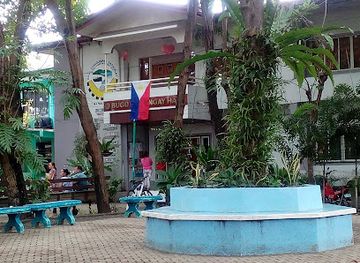
Bugo Barangay Hall
Experience the community spirit and local culture at Bugo Barangay Hall, a vibrant hub in Cagayan de Oro, perfect for engaging with locals and events.
1 min walk · 0.1 km from neighbourhood centre
-
College
Bugo
Discover the vibrant culture and community spirit of Bugo in Cagayan de Oro, a hub for education and local flavors.
10 min walk · 0.8 km from neighbourhood centre
-
 Historical landmark
cagayan de oro city
Explore Cagayan de Oro City, where history meets adventure in the City of Golden Friendship, offering a unique cultural experience in the heart of Mindanao.
7 min walk · 0.6 km from neighbourhood centre
Explore Bugo on the map
A handpicked selection of must-see spots in Bugo, mapped for you.
Best hotels in Bugo
Best restaurants in Bugo
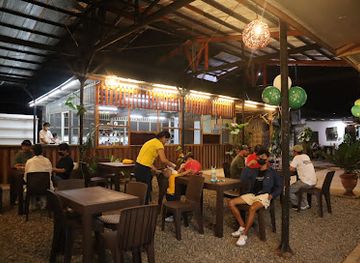
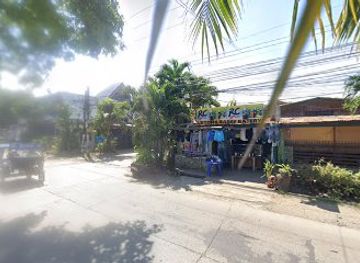
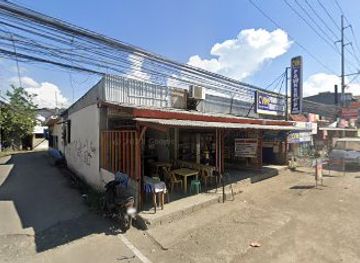
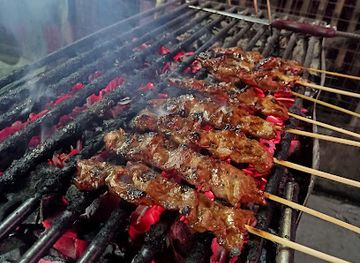
Eating in Bugo is primarily a local, practical experience centred on small family-run eateries, roadside food stalls, bakeries, sari-sari shops and casual places serving Filipino meals rather than a concentrated restaurant strip. Around the public market and main road, visitors can look for familiar dishes such as rice meals, grilled items, noodles, soups and snacks, with the day’s selection varying between individual vendors. Market surroundings are useful for seeing how residents shop for ingredients and prepared food, while neighbourhood stores provide drinks and simple provisions for travellers. Bugo’s industrial workforce also supports an everyday food culture built around affordable, convenient meals, but visitors should avoid assuming that any particular stall operates to a fixed schedule. For a broader restaurant selection, central Cagayan de Oro is more dependable; in Bugo, ask residents or transport drivers which locally open eateries are serving when you arrive.
-
Restaurant
Oro Gastropub
Experience culinary excellence at Oro Gastropub in Cagayan de Oro - where local flavors meet modern dining.
8 min walk · 0.6 km from neighbourhood centre
-
Lechon restaurant
Zone 1 BUGO BANTILES CAGAYAN DE ORO
Experience the rich culinary heritage of the Philippines at Zone 1 Lechon Restaurant in Cagayan de Oro - where flavor meets tradition.
6 min walk · 0.5 km from neighbourhood centre
-
Restaurant
Luto Lola
Experience authentic Filipino flavors at Luto Lola in Cagayan de Oro - where tradition meets taste in every dish.
3 min walk · 0.2 km from neighbourhood centre
-
Restaurant
Chelle's Eatery and Catering Services formerly Garf Foodhaus
Discover authentic Filipino flavors at Chelle's Eatery in Cagayan de Oro – where every meal tells a story.
3 min walk · 0.2 km from neighbourhood centre
Best bars in Bugo
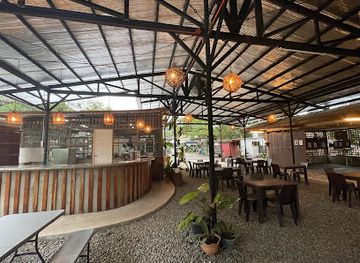
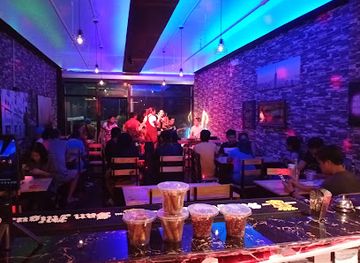
Bugo is not known as one of Cagayan de Oro’s principal nightlife districts. Evenings are more likely to centre on family homes, small roadside eateries, informal socialising and neighbourhood drinking places than on a dense run of cocktail bars or nightclubs. The main road remains active because of transport and local commerce, but activity should not be confused with a dedicated entertainment strip. Visitors seeking organised live music, larger bars or club venues will generally find a wider choice in central Cagayan de Oro rather than within Bugo itself. If staying locally, keep noise low near residential streets, use established transport for late returns and avoid wandering towards industrial or poorly familiar coastal areas after dark. A parish or community event may create occasional local evening activity, but schedules and access vary and should be checked locally.
-
Restaurant
Oro Gastropub
Experience the vibrant flavors of Filipino cuisine at Oro Gastropub in Cagayan de Oro, where culinary innovation meets local traditions.
8 min walk · 0.6 km from neighbourhood centre
-
Restaurant
Mini Celebrity Eatery
Discover the culinary delights of Cagayan de Oro at Mini Celebrity Eatery, where local flavors meet a warm, welcoming atmosphere.
3 min walk · 0.2 km from neighbourhood centre
-
Bar
Firevolt RestoBar
Discover vibrant nightlife and delicious bites at Firevolt RestoBar, Cagayan de Oro's premier bar for relaxation and fun.
12 min walk · 0.9 km from neighbourhood centre
-
Bar
Homecourt Music Lounge
Discover the vibrant nightlife and live music scene at Homecourt Music Lounge in Cagayan de Oro, where every night is a celebration of local talent.
2 min walk · 0.1 km from neighbourhood centre
Best nightclubs in Bugo
Bugo is not known as one of Cagayan de Oro’s principal nightlife districts. Evenings are more likely to centre on family homes, small roadside eateries, informal socialising and neighbourhood drinking places than on a dense run of cocktail bars or nightclubs. The main road remains active because of transport and local commerce, but activity should not be confused with a dedicated entertainment strip. Visitors seeking organised live music, larger bars or club venues will generally find a wider choice in central Cagayan de Oro rather than within Bugo itself. If staying locally, keep noise low near residential streets, use established transport for late returns and avoid wandering towards industrial or poorly familiar coastal areas after dark. A parish or community event may create occasional local evening activity, but schedules and access vary and should be checked locally.
-
Bar
Homecourt Music Lounge
Discover the vibrant nightlife of Cagayan de Oro at Homecourt Music Lounge, where live music and a lively atmosphere await.
2 min walk · 0.1 km from neighbourhood centre
-
Night club
Balay sa Bugo
Dive into the electrifying nightlife of Cagayan de Oro at Balay sa Bugo, where music and fun meet in a vibrant setting.
7 min walk · 0.5 km from neighbourhood centre
-
Bar
Impromptea
Discover the vibrant nightlife of Cagayan de Oro at Imprompthea, a lively bar offering delicious cocktails and a welcoming atmosphere.
1 min walk · 0.1 km from neighbourhood centre
-
Night club
Krai's HauZ
Experience the electrifying nightlife of Cagayan de Oro at Krai's HauZ, the ultimate destination for unforgettable nights and vibrant entertainment.
19 min walk · 1.5 km from neighbourhood centre
Best shops in Bugo
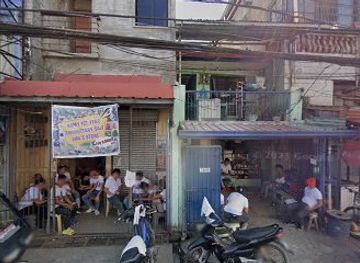
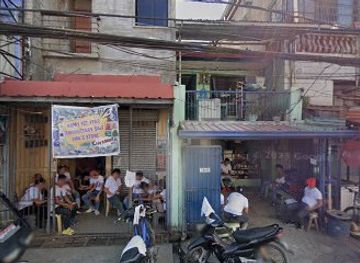
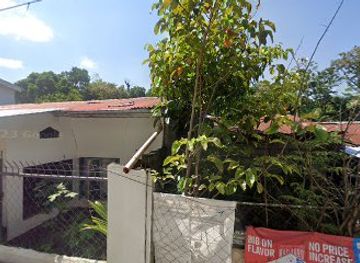
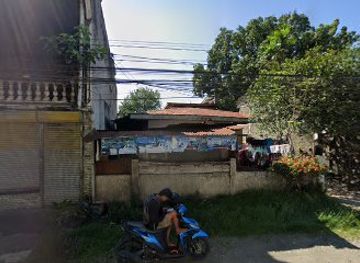
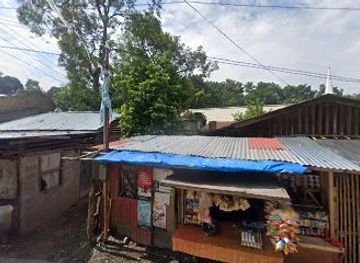
Shopping in Bugo is local and functional, with Bugo Public Market providing the clearest introduction to the barangay’s retail life. Produce, household necessities, prepared food and small daily purchases are sold through market stalls and nearby independent shops, while sari-sari stores serve residential streets. The market is more useful for observing ordinary provisioning than for searching for souvenirs, designer goods or a specialised craft scene. Roadside businesses along the main corridor add convenience stores, small food outlets and practical services, but the retail landscape changes from one cluster of shops to the next. Visitors should carry small notes where possible, ask permission before photographing vendors and avoid handling goods without intending to buy. For established malls, branded retail and a wider selection of specialist shops, central Cagayan de Oro offers more choice than Bugo’s neighbourhood-scale commerce.
-
Store
Lemu Store
Explore the vibrant culture of Cagayan de Oro at Lemu Store, where local products and community spirit come together.
15 min walk · 1.2 km from neighbourhood centre
-
 General store
Romero Store
Explore local treasures and everyday essentials at Romero Store in Bugo, Cagayan de Oro, a charming destination for tourists seeking authentic experiences.
6 min walk · 0.5 km from neighbourhood centre
-
General store
Erna Store
Experience the local charm and products at Erna Store, a must-visit general store in Reyes Subdivision, Cagayan de Oro.
5 min walk · 0.4 km from neighbourhood centre
-
General store
Marton Store
Explore Marton Store, a local gem in Cagayan de Oro offering a variety of unique products and a glimpse into the vibrant culture of Misamis Oriental.
5 min walk · 0.4 km from neighbourhood centre
Bugo essentials
Getting There
Getting Around
Safety
Emergency Situations
Do's and Don'ts
Local Tips

From Eve
Local phrases worth knowing
You don't need to get them perfect. A few words go a long way, and locals appreciate the effort.
Basics
| English | Local | Say it |
|---|---|---|
| Hello | Kumusta | [koo-moo-sta] |
| Goodbye | Paalam | [pa-a-lam] |
| Yes | Oo | [oh-oh] |
| No | Hindi | [hin-dee] |
| Please/You're welcome | Paki | [pa-kee] |
| Thank you | Salamat | [sa-la-mat] |
| Excuse me/Sorry | Pasensya na | [pa-sen-sya na] |
| How are you? | Kamusta ka? | [ka-moo-sta ka?] |
| Fine. And you? | Mabuti. Ikaw? | [ma-boo-tee. ee-kaw?] |
| Do you speak English? | Marunong ka ba mag-Ingles? | [ma-roo-nong ka ba mag-een-gles?] |
| I don't understand | Hindi ko maintindihan | [hin-dee ko main-tin-di-han] |
Eating & Drinking
| English | Local | Say it |
|---|---|---|
| I'd like to see the menu, please | Pakitingnan ko po ang menu | [pa-kin-ting-nan ko po ang me-nu] |
| I don't eat meat | Hindi ako kumakain ng karne | [hin-dee a-ko koo-ma-ka-in ng kar-ne] |
| Cheers! | Tagay! | [ta-gai!] |
| I would like to pay, please | Gusto ko pong magbayad | [gus-to ko pong mag-ba-yad] |
Emergencies
| English | Local | Say it |
|---|---|---|
| Help! | Tulong! | [too-long!] |
| Go away! | Lumayo ka! | [loo-ma-yo ka!] |
| Call the Police! | Tumawag sa pulis! | [too-ma-wag sa pu-lis!] |
| Call a doctor! | Tumawag ng doktor! | [too-ma-wag ng dok-tor!] |
| I'm lost | Nawawala ako | [na-wa-wa-la a-ko] |
| I'm ill | Sakit ako | [sa-kit a-ko] |
Shopping
| English | Local | Say it |
|---|---|---|
| I'd like to buy... | Gusto ko bumili ng... | [gus-to ko boo-mi-li ng...] |
| I'm just looking | Nagmamasid lang ako | [nag-ma-ma-sid lang a-ko] |
| How much is it? | Magkano ito? | [mag-ka-no ee-to?] |
| That's too expensive | Masyadong mahal | [ma-sya-dong ma-hal] |
| Can you lower the price? | Pwede bang ibaba ang presyo? | [pwe-de bang ee-ba-ba ang pres-yo?] |
Time & Numbers
| English | Local | Say it |
|---|---|---|
| What time is it? | Anong oras na? | [a-nong o-ras na?] |
| It's one o'clock | Alas-uno na | [a-las-oo-no na] |
| Half past (10) | Alas-diyes y medya | [a-las-di-yes ee med-ya] |
| Morning | Umaga | [oo-ma-ga] |
| Afternoon | Hapon | [ha-pon] |
| Evening | Gabi | [ga-bee] |
| Yesterday | Kahapon | [ka-ha-pon] |
| Today | Ngayon | [nga-yon] |
| Tomorrow | Bukas | [boo-kas] |
| 1 | Isa | [ee-sa] |
| 2 | Dalawa | [da-la-wa] |
| 3 | Tatlo | [tat-lo] |
| 4 | Apat | [a-pat] |
| 5 | Lima | [li-ma] |
| 6 | Anim | [a-nim] |
| 7 | Pito | [pee-to] |
| 8 | Walo | [wa-lo] |
| 9 | Siyam | [see-yam] |
| 10 | Sampu | [sam-poo] |
Transport & Directions
| English | Local | Say it |
|---|---|---|
| Where's a/the...? | Nasaan ang... | [na-saan ang...] |
| What's the address? | Ano ang address? | [a-no ang address?] |
| Can you show me (on the map)? | Pwede mo ba akong ipakita (sa mapa)? | [pwe-de mo ba a-kong ee-pa-ki-ta sa ma-pa?] |
| When's the next (bus)? | Kailan ang susunod na (bus)? | [ka-i-lan ang su-su-nod na bus?] |
| A ticket (to ....) | Isang ticket (papuntang ...) | [ee-sang ticket pa-poon-tang ...] |
History of Bugo
A Coastal Settlement in Misamis
Bugo developed as a coastal settlement within the wider urban area of Cagayan de Oro, where access to the sea, local waterways and overland routes supported household livelihoods and movement between communities. Its name is locally established, but confident explanations of the word’s origin are not consistently documented in visitor sources. The area’s early character was shaped less by monumental architecture than by small-scale settlement, cultivation, fishing and exchange. As Cagayan de Oro expanded, Bugo remained geographically distinct from the central commercial district while becoming increasingly connected to the city through roads and public transport.
The Road Eastward
The improvement of road connections along Cagayan de Oro’s eastern side changed Bugo’s relationship with the city. What had been a more separated coastal community became part of a continuous urban and semi-urban corridor extending towards Tagoloan and other parts of Misamis Oriental. Roadside commerce, public transport and denser housing followed this connection. The national-highway corridor remains one of the clearest physical signs of that transition, carrying workers, goods and residents through a barangay whose daily life is now closely linked to the wider metropolitan economy.
Pineapple Processing and Local Work
Bugo’s modern identity is strongly associated with Del Monte Philippines and its pineapple-processing complex. The company’s industrial presence brought large-scale food processing and a substantial employment connection to the barangay, adding a factory landscape to its older coastal and residential setting. The cannery is not an open museum or ordinary sightseeing venue, yet its presence explains much about Bugo’s transport patterns, working population and public image. Industrial activity also helped distinguish the barangay from quieter residential areas elsewhere in Cagayan de Oro.
A Working Barangay Today
Contemporary Bugo combines established homes, parish life, market commerce, transport activity and industry. Urban growth has brought the barangay closer to the built-up areas of Cagayan de Oro, while its coastal position and working landscape remain important to local identity. The result is a place better understood through everyday geography than through a single heritage precinct: the highway, market, church, factory perimeter and shoreline each reveal a different stage of its development. Visitors encounter a functioning community rather than a district arranged primarily for tourism.
Bugo in Photos
Browse through our photo collection highlighting the charm and character of the destination.
Neighbourhoods near Bugo
The closest neighbourhoods to Bugo, if you have time for more than one stop.
-

-

-

-


Swipe for more neighbourhoods
Explore more

Explore more of Cagayan de Oro
Cagayan de Oro blends white-water rafting, Mindanao heritage, riverfront landmarks, lively markets and northern Mindanao hospitality for memorable breaks.
Explore Cagayan de Oro