

Paseo del Mar (Zamboanga City) Travel Guide - Free
Explore Paseo del Mar in Zamboanga City with Evendo's free guide. Find the best shops, historic streets, restaurants, and gems on web or mobile.


Paseo del Mar in Zamboanga City pairs a sea-facing promenade with Fort Pilar, local food stalls, sunset walks and access to the city's historic waterfront district.
Waterfront Setting
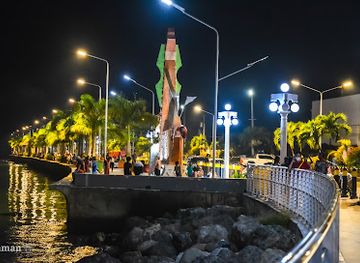
Paseo del Mar is a compact waterfront promenade beside the historic core of Zamboanga City, where the shoreline opens towards Basilan Strait and the islands beyond. Its broad paved paths, sea-facing seating and landscaped edges make it a natural place for an evening stroll, particularly as the light softens over the water. The promenade is more a public gathering space than a traditional residential neighbourhood, and its atmosphere changes with the day: relatively calm for sightseeing in daylight, more sociable when local families, diners and walkers arrive after sunset.Read more about Paseo del Mar
History Beside the Sea
Local Evenings
Best attractions in Paseo del Mar
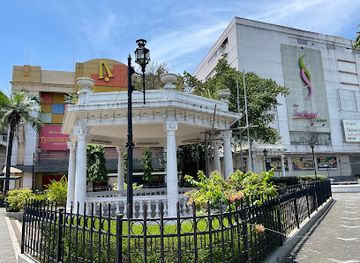
Paseo del Mar’s principal attraction is the promenade itself, where landscaped paths, open views and seating create an accessible introduction to Zamboanga’s waterfront. Immediately beside it, Fort Pilar provides the area’s essential historical visit: its surviving defensive walls, shrine to Nuestra Señora del Pilar and museum displays explain the city’s Spanish colonial and maritime past. The National Museum Zamboanga, located in the Fort Pilar complex, adds archaeological, historical and cultural context, while nearby Plaza del Pilar extends the precinct into a civic public space. The attraction is the combination rather than a large concentration of separate sights: visitors can move from museum and fort to sea views, casual food stalls and local street life in a short walk. The setting also offers a useful perspective towards Basilan Strait, although the shoreline should be treated as a public promenade rather than a swimming beach.
-
Tourist attraction
Paseo del Mar
Explore Paseo del Mar, a scenic park in Zamboanga, where stunning waterfront views meet rich cultural heritage for an unforgettable experience.
1 min walk · 0.1 km from neighbourhood centre
-
Historical landmark
Fort Pilar Shrine
Discover the rich history and spiritual significance of Fort Pilar Shrine in Zamboanga, a must-visit for culture enthusiasts and history buffs alike.
2 min walk · 0.2 km from neighbourhood centre
-
National museum
National Museum Western-Southern Mindanao Regional Museum (Zamboanga)
Explore the vibrant culture and rich history of Zamboanga at the National Museum of Western-Southern Mindanao, showcasing the region's unique heritage.
2 min walk · 0.1 km from neighbourhood centre
-
Tourist attraction
Zamboanga City Hall
Experience the rich history and vibrant culture of Zamboanga at the stunning Zamboanga City Hall, a symbol of local governance and community spirit.
9 min walk · 0.7 km from neighbourhood centre


Best landmarks in Paseo del Mar
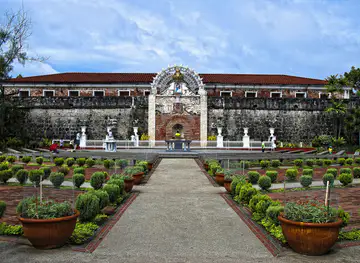
Fort Pilar is the defining landmark of the Paseo del Mar area and one of Zamboanga City’s most important historic structures. Founded as a Spanish defensive fort in 1635 and later associated with Nuestra Señora del Pilar, it preserves masonry walls and a shrine that give the waterfront its strongest sense of historical continuity. Within the fort complex, the National Museum Zamboanga adds cultural and archaeological significance, while the open spaces around the site connect heritage with contemporary public life. Nearby Plaza del Pilar functions as another civic reference point, helping visitors understand the relationship between the fort, the central city and the shore. Paseo del Mar itself is a modern urban landmark rather than a colonial monument: its value lies in framing views of the water and creating a public threshold between historic Zamboanga and the maritime landscape beyond.
-
Tourist attraction
Paseo del Mar
Explore the natural beauty and cultural heritage of Zamboanga at Paseo del Mar, a serene park perfect for relaxation and adventure.
1 min walk · 0.1 km from neighbourhood centre
-
Historical landmark
Fort Pilar Shrine
Discover the serene beauty and historical significance of Fort Pilar Shrine, a sacred sanctuary in Zamboanga, Philippines, rich in culture and spirituality.
2 min walk · 0.2 km from neighbourhood centre
-
Park
Plaza Pershing
Experience the tranquil charm of Plaza Pershing, a lush park in Zamboanga perfect for relaxation, picnics, and cultural encounters.
10 min walk · 0.8 km from neighbourhood centre
-
Tourist attraction
R.T. Lim Boulevard
Experience the stunning views, vibrant culture, and local flavors at Zamboanga's R.T. Lim Boulevard, a must-visit tourist attraction.
6 min drive · 1.9 km from neighbourhood centre


Explore Paseo del Mar on the map
A handpicked selection of must-see spots in Paseo del Mar, mapped for you.
Best hotels in Paseo del Mar
Best restaurants in Paseo del Mar
Dining around Paseo del Mar is informal and closely tied to the promenade’s role as an evening meeting place. Casual food stalls and nearby eateries provide accessible ways to sample local snacks, grilled items, rice-based meals and drinks while remaining close to the waterfront. The wider central area adds Filipino cooking and Zamboanga’s multicultural culinary influences, with seafood naturally relevant to a city shaped by its relationship with the surrounding seas. Visitors should distinguish the promenade’s casual vendors from full-service restaurants elsewhere in the city centre, and availability can vary by day and weather. Eating here works best as part of a Fort Pilar and waterfront visit rather than as a destination for a formal restaurant circuit. Ask vendors about ingredients, sauces and preparation when dietary requirements matter, and carry small notes or coins where possible for modest purchases.
-
Filipino
lOS Restaurant
Discover the heart of Filipino flavors at lOS Restaurant in Zamboanga's bustling SM Mindpro.
13 min walk · 1.0 km from neighbourhood centre
-
Restaurant
Alavar Seafood Restaurant
Discover Zamboanga's culinary treasure at Alavar Seafood Restaurant - where fresh seafood meets local tradition.
1 min walk · 0.1 km from neighbourhood centre
-
Restaurant
Barcode-Paseo del Mar
Experience authentic Filipino cuisine with stunning views at Barcode-Paseo del Mar in Zamboanga.
1 min walk · 0.1 km from neighbourhood centre
-
Restaurant
District Eighty One
Experience authentic Filipino cuisine at District Eighty One in Zamboanga - where every dish tells a story of rich culture and tradition.
1 min walk · 0.1 km from neighbourhood centre


Best bars in Paseo del Mar
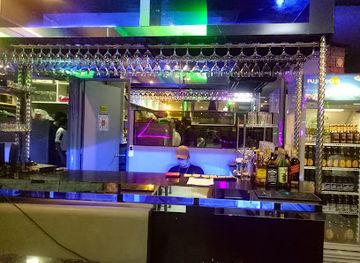
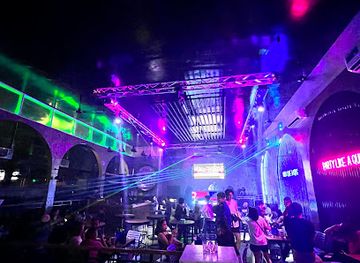
Paseo del Mar is chiefly a public promenade and casual evening gathering place, not a concentrated nightclub district. After sunset, the atmosphere generally centres on strolling, conversation, waterfront views and food rather than loud club entertainment. Nearby eateries and informal vendors may provide places to linger, while the wider city centre has a broader selection of evening venues that should be treated as outside the immediate Paseo del Mar precinct. Visitors seeking a drink can ask locally about currently operating establishments, since commercial venues and schedules change more quickly than the public promenade. Respectful volume is important around Fort Pilar, the shrine and nearby civic or residential spaces, and anyone returning to accommodation elsewhere in Zamboanga should arrange a reliable tricycle or taxi rather than assuming that every route will remain convenient late at night.
-
Restaurant
Barcode-Paseo del Mar
Experience the best of Zamboanga's culinary scene at Barcode-Paseo del Mar, where local flavors meet stunning coastal views.
1 min walk · 0.1 km from neighbourhood centre
-
Bar
Hype
Experience the vibrant nightlife at Hype, Zamboanga's premier bar, offering a lively atmosphere, delicious drinks, and local bites.
6 min drive · 2.0 km from neighbourhood centre
-
Karaoke bar
History Karaoke Bar and Cocktail Lounge
Experience the vibrant nightlife at History Karaoke Bar and Cocktail Lounge in Zamboanga, where great drinks and singing collide for an unforgettable evening.
11 min walk · 0.9 km from neighbourhood centre
-
Bar
Shisha Dine & Bar
Experience the vibrant atmosphere and exquisite shisha at Shisha Dine & Bar in Zamboanga, a perfect retreat for relaxation and socializing.
6 min drive · 2.0 km from neighbourhood centre


Best nightclubs in Paseo del Mar
Paseo del Mar is chiefly a public promenade and casual evening gathering place, not a concentrated nightclub district. After sunset, the atmosphere generally centres on strolling, conversation, waterfront views and food rather than loud club entertainment. Nearby eateries and informal vendors may provide places to linger, while the wider city centre has a broader selection of evening venues that should be treated as outside the immediate Paseo del Mar precinct. Visitors seeking a drink can ask locally about currently operating establishments, since commercial venues and schedules change more quickly than the public promenade. Respectful volume is important around Fort Pilar, the shrine and nearby civic or residential spaces, and anyone returning to accommodation elsewhere in Zamboanga should arrange a reliable tricycle or taxi rather than assuming that every route will remain convenient late at night.
-
Bar
The Bureau Superclub
Discover the electrifying nightlife at The Bureau Superclub in Zamboanga, where vibrant music and delicious cocktails create unforgettable moments.
6 min drive · 2.0 km from neighbourhood centre
-
Bar
Hype
Discover the vibrant nightlife at Hype, Zamboanga's premier bar offering signature cocktails, VIP rooms, and a lively atmosphere perfect for socializing.
6 min drive · 2.0 km from neighbourhood centre
-
Karaoke bar
History Karaoke Bar and Cocktail Lounge
Experience the vibrant nightlife of Zamboanga at History Karaoke Bar and Cocktail Lounge, where music and cocktails come together for unforgettable fun.
11 min walk · 0.9 km from neighbourhood centre
-
Night club
bahay ni je
Discover the vibrant nightlife of Zamboanga at Bahay ni Je, a premier night club offering unforgettable music and dance experiences.
14 min walk · 1.2 km from neighbourhood centre


Best shops in Paseo del Mar
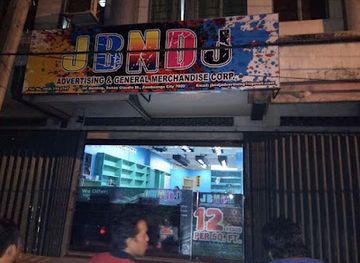
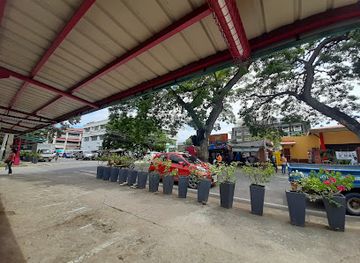
Shopping directly at Paseo del Mar is limited and primarily incidental to the promenade’s food and leisure use rather than focused on a large retail street. Visitors may encounter casual vendors, snacks, drinks and small locally oriented purchases, but the area should not be treated as a specialist market or craft quarter. For broader everyday shopping, continue into Zamboanga’s central commercial streets and established markets elsewhere in the city, clearly outside the immediate waterfront precinct. The most distinctive purchase associated with a visit is often edible rather than ornamental: local snacks or regional food products encountered through reputable vendors. Compare prices before buying, check packaging and ingredients where relevant, and remember that temporary stalls and stock can change. Paseo del Mar is better understood as a place to browse casually alongside a Fort Pilar visit than as a destination for dedicated retail hunting.
-
 Souvenir store
Zamboanga Native Products
Discover the essence of Zamboanga at Zamboanga Native Products, where authentic souvenirs reflect the rich culture and artistry of the region.
2 min walk · 0.2 km from neighbourhood centre
-
Clothing store
Malong Store
Explore the essence of Zamboanga's fashion at Malong Store, where traditional meets contemporary in a colorful shopping experience.
7 min walk · 0.5 km from neighbourhood centre
-
Religious goods store
Meng's Store
Explore Meng's Store in Zamboanga for a unique selection of religious goods, spiritual artifacts, and local cultural treasures.
3 min walk · 0.2 km from neighbourhood centre
-
Souvenir store
Choose Gift Shop
Discover unique souvenirs and local crafts at Choose Gift Shop, the heart of Zamboanga's vibrant shopping scene.
5 min walk · 0.4 km from neighbourhood centre


Paseo del Mar essentials
Getting There
Getting Around
Safety
Emergency Situations
Do's and Don'ts
Local Tips

From Eve
Local phrases worth knowing
You don't need to get them perfect. A few words go a long way, and locals appreciate the effort.
Basics
| English | Local | Say it |
|---|---|---|
| Hello | Kamusta | [ka-mus-ta] |
| Goodbye | Paalam | [pa-a-lam] |
| Yes | Oo | [o] |
| No | Hindi | [hin-di] |
| Please/You're welcome | Mangyaring/Walang anuman | [man-gya-ring/wa-lang a-nu-man] |
| Thank you | Salamat | [sa-la-mat] |
| Excuse me/Sorry | Paumanhin/Pasensya | [pau-man-hin/pa-sen-sya] |
| How are you? | Kamusta ka? | [ka-mus-ta ka] |
| Fine. And you? | Mabuti. At ikaw? | [ma-bu-ti. at i-kaw] |
| Do you speak English? | Marunong ka mag-Ingles? | [ma-ru-nong ka mag-ing-les] |
| I don't understand | Hindi ko maintindihan | [hin-di ko main-tin-di-han] |
Eating & Drinking
| English | Local | Say it |
|---|---|---|
| I'd like to see the menu, please | Gusto ko makita ang menu, pakiusap | [gus-to ko ma-ki-ta ang me-nu, pa-ki-u-sap] |
| I don't eat meat | Hindi ako kumakain ng karne | [hin-di a-ko ku-ma-kain ng kar-ne] |
| Cheers! | Mabuhay! | [ma-bu-hay] |
| I would like to pay, please | Gusto ko magbayad, pakiusap | [gus-to ko mag-ba-yaad, pa-ki-u-sap] |
Emergencies
| English | Local | Say it |
|---|---|---|
| Help! | Tulong! | [tu-long] |
| Go away! | Lumayo ka! | [lu-ma-yo ka] |
| Call the Police! | Tawag sa Pulis! | [ta-wag sa pu-lis] |
| Call a doctor! | Tawag sa doktor! | [ta-wag sa dok-tor] |
| I'm lost | Nawawala ako | [na-wa-wa-la a-ko] |
| I'm ill | Sakit ako | [sa-kit a-ko] |
Shopping
| English | Local | Say it |
|---|---|---|
| I'd like to buy... | Gusto ko bumili ng... | [gus-to ko bu-mi-li ng] |
| I'm just looking | Nagmamasid lang ako | [nag-ma-ma-sid lang a-ko] |
| How much is it? | Magkano ito? | [mag-ka-no i-to] |
| That's too expensive | Masyadong mahal iyon | [ma-sya-dong ma-hal i-yon] |
| Can you lower the price? | Pwede mo bang babaan ang presyo? | [pu-we-de mo bang ba-baan ang pres-yo] |
Time & Numbers
| English | Local | Say it |
|---|---|---|
| What time is it? | Anong oras na? | [a-nong o-ras na] |
| It's one o'clock | Alas-uno na | [a-las-u-no na] |
| Half past (10) | Kalahating (sampu) | [ka-la-ha-ting (sam-pu)] |
| Morning | Umaga | [u-ma-ga] |
| Afternoon | Hapon | [ha-pon] |
| Evening | Gabi | [ga-bi] |
| Yesterday | Kahapon | [ka-ha-pon] |
| Today | Ngayon | [nga-yon] |
| Tomorrow | Bukas | [bu-kas] |
| 1 | Isa | [i-sa] |
| 2 | Dalawa | [da-la-wa] |
| 3 | Tatlo | [tat-lo] |
| 4 | Apat | [a-pat] |
| 5 | Lima | [li-ma] |
| 6 | Anim | [a-nim] |
| 7 | Pito | [pi-to] |
| 8 | Walo | [wa-lo] |
| 9 | Siyam | [si-yam] |
| 10 | Sampu | [sam-pu] |
Transport & Directions
| English | Local | Say it |
|---|---|---|
| Where's a/the...? | Nasaan ang...? | [na-sa-an ang] |
| What's the address? | Ano ang address? | [a-no ang ad-dres] |
| Can you show me (on the map)? | Pwede mo ba akong ipakita (sa mapa)? | [pu-we-de mo ba a-kong i-pa-ki-ta sa ma-pa] |
| When's the next (bus)? | Kailan ang susunod na (bus)? | [kai-lan ang su-su-nod na bus] |
| A ticket (to ....) | Isang tiket (papuntang ....) | [i-sang ti-ket pa-pun-tang] |
History of Paseo del Mar
A Shoreline Beside the Spanish Fort
Paseo del Mar’s historical setting is inseparable from Fort Pilar, the Spanish military fortification established in 1635 as Real Fuerza de San José on the site of an earlier defensive position. The fort was rebuilt and renamed Real Fuerza de Nuestra Señora del Pilar de Zaragoza in the eighteenth century, linking military authority with devotion to the Virgin of the Pillar. Although the present promenade is modern, its position beside the fort places today’s waterfront activity next to one of the physical reminders of Spanish colonial rule in Zamboanga. The shoreline also reflects the city’s strategic maritime position at the western end of Mindanao, facing routes towards the Sulu Archipelago and Basilan.
From Military Outpost to Civic Waterfront
As Zamboanga developed beyond its fortified centre, the area around Fort Pilar acquired a wider civic and religious role. The fort became a shrine and heritage site as well as a military monument, while nearby public spaces connected it to the city’s administrative and commercial life. The waterfront was not simply an isolated defensive edge: it formed part of a port-oriented city whose exchanges linked different communities across Mindanao and the surrounding seas. The surviving fort walls and the shrine preserve this layered history, while the open spaces around them have allowed residents and visitors to encounter the site as part of everyday urban life rather than only as a military relic.
A Modern Promenade Takes Shape
Paseo del Mar belongs to the more recent phase of Zamboanga’s waterfront development, when shoreline space beside the historic centre was improved as a public promenade and leisure area. Its design introduced paved walking areas, landscaping, seating and spaces for casual food vendors without removing the visual relationship between the city and the sea. The project gave the Fort Pilar precinct a more accessible public face and created a setting for evening gatherings, civic activity and informal recreation. Because the promenade is contemporary while the fort is colonial, the area presents Zamboanga’s history through juxtaposition rather than through a single preserved architectural period.
Heritage and Everyday City Life
Today, Paseo del Mar functions as part of a broader historic waterfront precinct containing Fort Pilar, the National Museum Zamboanga and nearby civic spaces. Its importance lies less in grand architecture than in how it brings heritage, maritime views, food and ordinary social life together. Visitors can move between a museum and fort, a public promenade and the city centre within a relatively short walk. This setting also reflects the continuing role of Zamboanga’s waterfront as a place where local identity is publicly expressed, while the surrounding historic area remains subject to the practical pressures of urban maintenance, tourism and changing patterns of city use.
Paseo del Mar in Photos
Browse through our photo collection highlighting the charm and character of the destination.
Neighbourhoods near Paseo del Mar
The closest neighbourhoods to Paseo del Mar, if you have time for more than one stop.
-
-

-


Swipe for more neighbourhoods
Explore more

Explore more of Zamboanga City
Zamboanga City blends Chavacano culture, Spanish-era Fort Pilar, island beaches, colourful markets and Mindanao hospitality in the Philippines, with coastal adventures.
Explore Zamboanga City