

Free Bielsko-Biala Travel Guide & Mobile App
Plan your Bielsko-Biala trip with Evendo. Get free guides to top attractions, restaurants, hotels, and bars. Web access or download the mobile app.


Bielsko-Biała combines Polish history, Austro-Hungarian architecture, animation heritage and Beskid mountain scenery in southern Poland.
A City of Two Histories
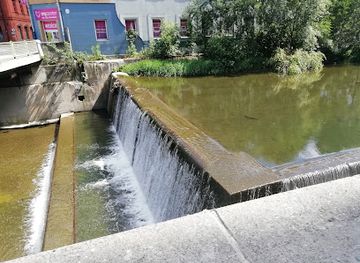
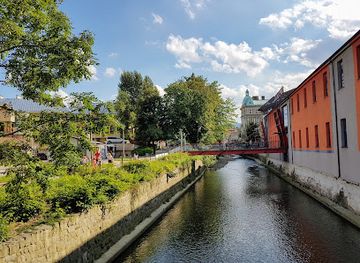
Bielsko-Biała rises where the Silesian foothills meet the Beskid Mountains in southern Poland, close to the Czech and Slovak borders. The city was formed in 1951 through the union of Bielsko, on the eastern bank of the Biała River, and Biała, on the western bank. Their distinct histories remain visible in the architecture: Bielsko developed as a medieval town with strong links to Silesia, while Biała grew from a sixteenth-century settlement and later became an important centre of textile manufacture. German, Polish, Jewish and other Central European influences all contributed to the character of the urban landscape.Read more about Bielsko-Biala
Architecture, Art and Illustration
Between City and Mountains
When is the best time to visit Bielsko-Biala?
Best: June–August · 25–27°C| Month | High (°C) | Rainfall (mm) |
|---|---|---|
| January | 3 | 40 |
| February | 3 | 35 |
| March | 8 | 40 |
| April | 13 | 50 |
| May | 20 | 60 |
| June (best) | 25 | 75 |
| July (best) | 27 | 90 |
| August (best) | 26 | 80 |
| September | 20 | 70 |
| October | 13 | 60 |
| November | 6 | 50 |
| December | 2 | 45 |
Getting to and around Bielsko-Biala
How to get there
Transportation
Best attractions in Bielsko-Biala
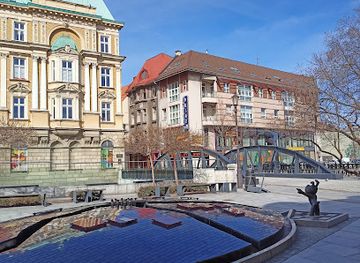
Bielsko-Biała’s attractions are concentrated enough to explore comfortably on foot, beginning with the Old Town’s market square, narrow streets and restored façades. The Ducal Castle of the Sułkowski family houses the Historical Museum, whose collections explain the city’s aristocratic, industrial and artistic past. The Museum of Technology and Textile Industry occupies a former factory and connects the city’s prosperity with the machinery and skills of cloth production, while the Weaver’s House presents a more intimate view of traditional craft and domestic life. Animation enthusiasts can explore the legacy of the Studio Filmów Rysunkowych and its famous Bolek and Lolek characters. Beyond the centre, the Szyndzielnia cable car provides access to forested mountain paths and elevated views across the Beskid foothills. Parks, galleries, churches and the streets of the former Biała add further variety without requiring long journeys between sights.
-
Tourist attraction
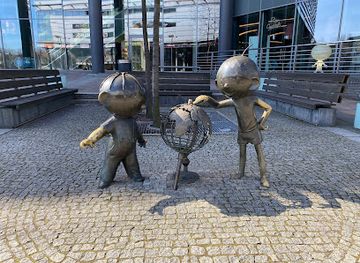
Monument Bolek and Lolek
Explore the Bolek and Lolek Monument in Bielsko-Biała, a charming tribute to beloved cartoon characters amid scenic beauty and cultural richness.
7 min walk · 0.5 km from city centre
-
Tourist attraction
Bulwary Straceńskie
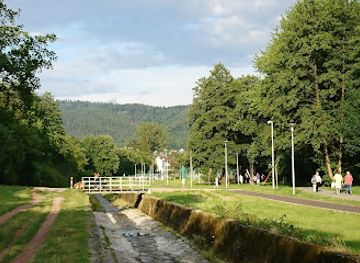
Discover the tranquil beauty and recreational charm of Bulwary Straceńskie, a must-visit park in Bielsko-Biała for nature lovers.
9 min drive · 2.9 km from city centre
-
Tourist attraction
Pomnik Reksia
Experience the whimsical charm of Pomnik Reksia in Bielsko-Biala, a delightful tourist attraction perfect for families and children.
4 min walk · 0.3 km from city centre
-
Tourist attraction
Park W Deche
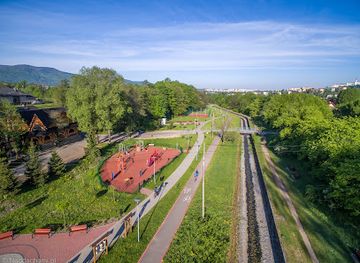
Discover the charm of Park W Deche in Bielsko-Biała, where families can enjoy playgrounds, lush landscapes, and delightful cafeterias in a serene atmosphere.
7 min drive · 2.2 km from city centre

Best landmarks in Bielsko-Biala
The Ducal Castle of the Sułkowski family is Bielsko-Biała’s principal historic landmark, its long development reflecting the town’s medieval origins and later aristocratic and civic roles. St Nicholas Cathedral, rebuilt and expanded over successive periods, anchors the Catholic architectural heritage of the centre, while the Church of Martin Luther represents the longstanding Protestant presence associated with the city’s Silesian and German-speaking history. Around the Old Town, the market square and surviving tenement façades reveal the structure of the former medieval and early modern settlement. The Biała railway station is an important reminder of nineteenth-century connectivity and industrial growth, while former textile factories and villas express the wealth generated by the wool industry. Monuments and references to Bolek and Lolek add a modern cultural layer, linking the city’s built environment with its influential animation tradition.
-
Tourist attraction
Monument Bolek and Lolek
Explore the whimsical Bolek and Lolek Monument in Bielsko-Biała, a delightful tribute to Poland's cherished cartoon characters amidst beautiful surroundings.
7 min walk · 0.5 km from city centre
-
Park
Bulwary Straceńskie
Discover the lush landscapes and cultural vibrancy of Bulwary Straceńskie in Bielsko-Biała, a perfect retreat for nature lovers and cultural enthusiasts alike.
9 min drive · 2.9 km from city centre
-
Tourist attraction
Pomnik Reksia
Explore Pomnik Reksia in Bielsko-Biała, a whimsical homage to Poland's cherished animated character, perfect for families and culture enthusiasts.
4 min walk · 0.3 km from city centre
-
Scenic spot
Trzy Lipki
Discover the serene beauty of Trzy Lipki in Bielsko-Biała, a scenic spot perfect for nature lovers and those seeking tranquility in Poland.
7 min drive · 2.4 km from city centre
Explore Bielsko-Biala on the map
Plan your Bielsko-Biala trip on one map. See where the top attractions, landmarks, restaurants, bars and hotels are, find what's near where you're staying, and book hotels and experiences in a few clicks.
Best hotels in Bielsko-Biala
Best restaurants in Bielsko-Biala
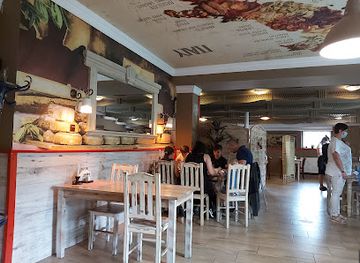
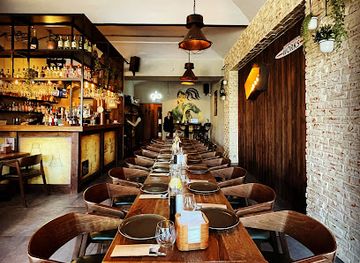
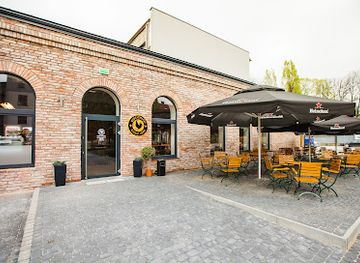
The food scene reflects Bielsko-Biała’s position between Silesia, Lesser Poland and the Beskids. Menus commonly draw on Polish home cooking, with soups, pierogi, sour rye soup, potato dishes and regional pork specialities appearing alongside contemporary interpretations. Silesian influences may be seen in hearty dumplings and slow-cooked dishes, while nearby mountain areas contribute smoked cheeses, including oscypek from the wider Podhale and Beskid region, though its precise origin should not be assumed from every menu. The centre contains traditional Polish restaurants, cafés and bakeries, while former industrial and renovated historic areas have attracted modern bistros and international cooking. Local markets and food shops are useful for seasonal produce, bread, preserves and regional dairy products. Dining tends to be relaxed and unhurried, with cafés providing an important part of the city’s social life.
-
Restaurant
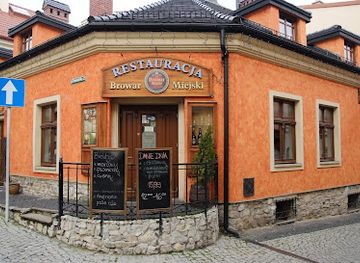
Restauracja Browar Miejski
Experience authentic Polish cuisine and craft beer at Restauracja Browar Miejski in Bielsko-Biała – a delightful fusion of tradition and taste.
4 min walk · 0.3 km from city centre
-
Restaurant
Trattoria Da Tadeusz
Discover the best of Italian cuisine at Trattoria Da Tadeusz in Bielsko-Biała—where every meal is a celebration of flavor.
8 min drive · 2.5 km from city centre
-
New American
Restauracja Szpilka
Experience the vibrant fusion of New American cuisine and European flavors at Restauracja Szpilka in Bielsko-Biała.
3 min walk · 0.2 km from city centre
-
European
Restauracja Gallo Nero
Experience exquisite European cuisine at Restauracja Gallo Nero, featuring delicious pizzas, fresh seafood, and tender steaks in Bielsko-Biała.
12 min walk · 0.9 km from city centre
Best bars in Bielsko-Biala
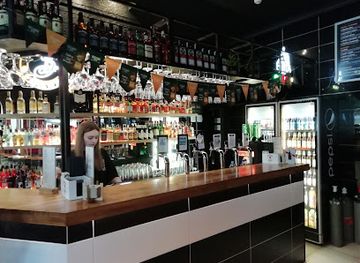
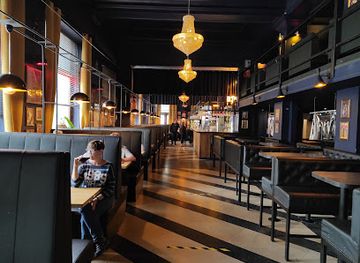
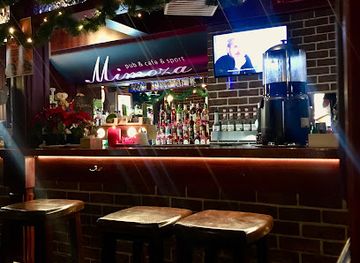
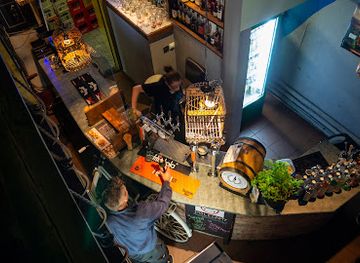
Bielsko-Biała has a modest but varied evening scene centred largely on the Old Town and nearby streets. Historic cellars and renovated ground-floor spaces accommodate pubs, craft-beer bars, wine venues and cafés that remain active into the evening, while the city’s cultural institutions provide concerts, theatre and film events for those seeking entertainment beyond nightlife. Student and younger local crowds tend to gather around central bars, but the atmosphere is generally more relaxed than in Poland’s largest university cities. Live music and occasional cultural programmes add variety, and the former industrial character of some buildings gives evening venues an individual setting. Nightclubs exist, though the city is better suited to a social evening of drinks, music and conversation than to a large-scale club circuit. Public transport becomes less frequent later at night, making a licensed taxi practical for outlying districts.
-
Bar
Miasto
Experience the vibrant atmosphere of Miasto, a bar and restaurant in Bielsko-Biała offering Polish cuisine, cocktails, and live music for an unforgettable night out.
10 min walk · 0.8 km from city centre
-
Pub
Pigal
Discover the vibrant atmosphere and delightful menu at Pigal, the perfect dining spot in Bielsko-Biała for crepes, coffee, and craft beer.
1 min walk · 0.1 km from city centre
-
Cafe
Mimoza Cafe
Discover the flavors of Poland at Mimoza Cafe, where cozy ambiance meets delicious culinary traditions in Bielsko-Biała.
1 min walk · 0.1 km from city centre
-
Brewpub
Grawitacja
Discover Grawitacja, a vibrant brewpub in Bielsko-Biała, offering local craft beers and a cozy atmosphere for the perfect evening out.
2 min walk · 0.2 km from city centre
Best nightclubs in Bielsko-Biala
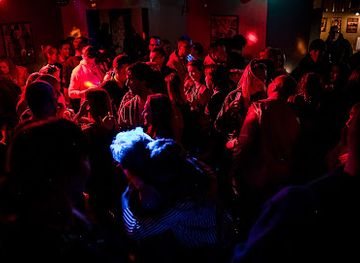
Bielsko-Biała has a modest but varied evening scene centred largely on the Old Town and nearby streets. Historic cellars and renovated ground-floor spaces accommodate pubs, craft-beer bars, wine venues and cafés that remain active into the evening, while the city’s cultural institutions provide concerts, theatre and film events for those seeking entertainment beyond nightlife. Student and younger local crowds tend to gather around central bars, but the atmosphere is generally more relaxed than in Poland’s largest university cities. Live music and occasional cultural programmes add variety, and the former industrial character of some buildings gives evening venues an individual setting. Nightclubs exist, though the city is better suited to a social evening of drinks, music and conversation than to a large-scale club circuit. Public transport becomes less frequent later at night, making a licensed taxi practical for outlying districts.
-
Disco club
XOXO Music & Cocktail Bar - Bielsko-Biała
Discover the vibrant nightlife of Bielsko-Biała at XOXO Music & Cocktail Bar, where live music and cocktails create an unforgettable experience.
16 min walk · 1.2 km from city centre
-
Restaurant
Miasto
Discover the lively Miasto in Bielsko-Biała, where delicious Polish cuisine meets vibrant nightlife and unforgettable entertainment.
10 min walk · 0.8 km from city centre
-
Jazz
Metrum jazz club
Experience enchanting live jazz performances and a vibrant atmosphere at Metrum Jazz Club in Bielsko-Biała, the perfect destination for music lovers.
8 min walk · 0.7 km from city centre
-
Night club
Sepia House - Music Club
Experience the vibrant nightlife at Sepia House in Bielsko-Biała, where live music and a lively atmosphere await you.
4 min walk · 0.3 km from city centre


Best shops in Bielsko-Biala
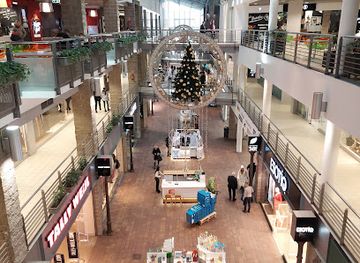
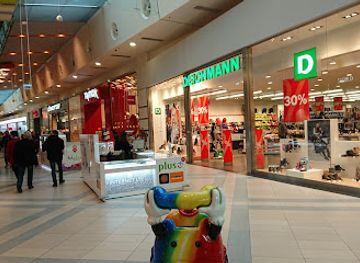
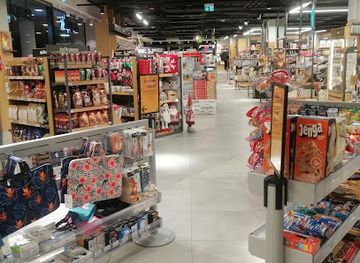
Shopping in Bielsko-Biała combines central streets, independent businesses and modern commercial centres. The pedestrian-friendly area around 11 Listopada and the Old Town contains cafés, smaller shops, specialist retailers and boutiques, while Galeria Sfera provides a larger concentration of mainstream shops close to the centre. Traditional food shops and market stalls offer bread, preserves, dairy products and other Polish provisions, although the city is not primarily known for a single souvenir craft. Visitors may find regional cheeses, woollen goods, local food products and designs inspired by the Beskids, as well as books and cultural items connected with the city’s animation heritage. Antique and independent shops are scattered through older streets rather than concentrated in one large bazaar. The former textile identity is most visible in the architecture and museums, but it still informs the city’s interest in fabrics, clothing and industrial design.
-
Shopping mall
Galeria Sfera
Explore Galeria Sfera in Bielsko-Biała for a perfect blend of shopping and contemporary art experiences in a vibrant atmosphere.
8 min walk · 0.6 km from city centre
-
Shopping mall
Gemini Park Bielsko-Biała
Discover shopping, entertainment, and dining at Gemini Park Bielsko-Biała, the ultimate destination for families and tourists in Poland.
7 min drive · 2.2 km from city centre
-
Shopping mall
Sarni Stok
Discover Sarni Stok, a vibrant shopping mall in Bielsko-Biała, featuring diverse shops, delightful dining options, and a welcoming atmosphere for all.
6 min drive · 2.0 km from city centre
-
Gift shop
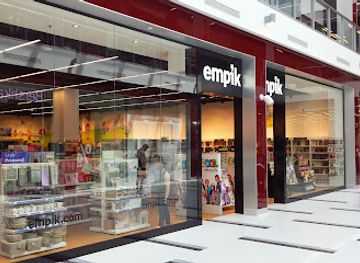
Empik
Discover Empik in Bielsko-Biała: Where Books, Gifts, and Stationery Unite for an Unforgettable Shopping Experience.
4 min walk · 0.3 km from city centre
Get your free copy of our complete guide to Bielsko-Biala, delivered straight to you.
Everything on this page, from attractions and restaurants to essentials and local phrases, in one PDF you can read offline, print or share.
Already have an account? Sign in
Your Bielsko-Biala guide is ready.
We'll send it to · Not you? Sign out

Getting your guide ready…
We are putting together a fresh copy of the Bielsko-Biala guide. This can take up to a minute.
This can take a few moments. If your browser asks, choose Allow so the download can start. You'll find the guide in your Downloads folder.
Nothing happened? Download it again
Sorry, the guide is taking longer than usual. Please try again in a minute, or get it by email instead.
Bielsko-Biala essentials
Currency and Payment
Safety
Emergency Situations
Do's and Don'ts
Local Tips
From Eve
Local phrases worth knowing
You don't need to get them perfect. A few words go a long way, and locals appreciate the effort.
Basics
| English | Local | Say it |
|---|---|---|
| Hello | Cześć | [che-sh-ch] |
| Goodbye | Do widzenia | [doh veed-zen-ya] |
| Yes | Tak | [tahk] |
| No | Nie | [nyeh] |
| Please/You're welcome | Proszę | [pro-sheh] |
| Thank you | Dziękuję | [jen-koo-yeh] |
| Excuse me/Sorry | Przepraszam | [psh-eh-prah-shahm] |
| How are you? | Jak się masz? | [yahk sh-eh mahsh?] |
| Fine. And you? | Dobrze. A ty? | [doh-bzeh ah tee?] |
| Do you speak English? | Czy mówisz po angielsku? | [chi moo-veesh poh ahn-gyel-skoo?] |
| I don't understand | Nie rozumiem | [nyeh roh-zoo-myem] |
Eating & Drinking
| English | Local | Say it |
|---|---|---|
| I'd like to see the menu, please | Chciałbym zobaczyć menu, proszę | [h-chyahw-bim zoh-bah-chich meh-noo, pro-sheh] |
| I don't eat meat | Nie jem mięsa | [nyeh yem myen-sah] |
| Cheers! | Na zdrowie! | [nah zdroh-vyeh] |
| I would like to pay, please | Chciałbym zapłacić, proszę | [h-chyahw-bim zah-plah-cheech, pro-sheh] |
Emergencies
| English | Local | Say it |
|---|---|---|
| Help! | Pomocy! | [poh-moh-tsi] |
| Go away! | Odjedź! | [ohd-yedz] |
| Call the Police! | Zadzwoń po policję! | [zahd-vohn poh poh-leet-syeh] |
| Call a doctor! | Zadzwoń po lekarza! | [zahd-vohn poh leh-kah-zah] |
| I'm lost | Zgubiłem się | [zgoo-bye-wem sheh] |
| I'm ill | Jestem chory | [yeh-stem hoh-ri] |
Shopping
| English | Local | Say it |
|---|---|---|
| I'd like to buy... | Chciałbym kupić... | [h-chyahw-bim koo-peech...] |
| I'm just looking | Tylko się rozglądam | [tih-koh sh-ch rohz-gwah-dahm] |
| How much is it? | Ile to kosztuje? | [ee-leh toh kohs-too-yeh?] |
| That's too expensive | To jest za drogie | [toh yest zah droh-gyeh] |
| Can you lower the price? | Czy możesz obniżyć cenę? | [chi moo-zhesh ohb-nee-zhich ch-eh-neh?] |
Time & Numbers
| English | Local | Say it |
|---|---|---|
| What time is it? | Która jest godzina? | [k-too-rah yest goh-dzee-nah?] |
| It's one o'clock | Jest pierwsza | [yest pyerf-sah] |
| Half past (10) | Pół do jedenastej | [poow doh yeh-den-ahs-tei] |
| Morning | Rano | [rah-no] |
| Afternoon | Popołudnie | [poh-poh-wood-nyeh] |
| Evening | Wieczór | [vyeh-choor] |
| Yesterday | Wczoraj | [v-cho-rye] |
| Today | Dziś | [jeesh] |
| Tomorrow | Jutro | [yoo-tro] |
| 1 | Jeden | [yeh-den] |
| 2 | Dwa | [dvah] |
| 3 | Trzy | [tshih] |
| 4 | Cztery | [ch-teh-ri] |
| 5 | Pięć | [pyenk] |
| 6 | Sześć | [sheh-sh-ch] |
| 7 | Siedem | [sh-eh-dem] |
| 8 | Osiem | [oh-shem] |
| 9 | Dziewięć | [jeh-vyenk] |
| 10 | Dziesięć | [jeh-sheh-ch] |
Transport & Directions
| English | Local | Say it |
|---|---|---|
| Where's a/the...? | Gdzie jest...? | [g-jeh yest] |
| What's the address? | Jaki jest adres? | [yah-ki yest ah-dres] |
| Can you show me (on the map)? | Czy możesz mi pokazać (na mapie)? | [chi moo-zhesh mee poh-kah-zahch (nah mah-pee-eh)] |
| When's the next (bus)? | Kiedy jest następny (autobus)? | [kyeh-dih yest nah-stem-ny (ow-toh-boo-s)?] |
| A ticket (to ....) | Bilet (do ....) | [bee-let (doh)] |
History of Bielsko-Biala
Medieval Bielsko on the Biała
Bielsko emerged in the medieval period in the historical region of Cieszyn Silesia, probably developing around a settlement and defensive site associated with the castle and river crossing. By the thirteenth and fourteenth centuries, the town occupied a strategic position on routes through the foothills and was linked politically to the Duchy of Cieszyn. The castle that later became the residence of the Sułkowski family reflects the town’s continuing importance. German-speaking settlers and Silesian traditions influenced urban life, while the surrounding countryside retained close connections with agriculture, forestry and mountain trade. The medieval street plan, market area and surviving fragments of historic buildings provide the basic framework of the modern centre.
The Rise of Biała
Biała developed on the opposite bank of the river as a later settlement and was granted town rights in the sixteenth century. Its position within the Polish Crown gave it a different administrative and cultural history from Bielsko, although trade and everyday contact connected the two communities. During the early modern period, Biała expanded through craft production and commerce, with textile work becoming increasingly important. The town’s growth brought new religious and civic institutions, including buildings associated with its Polish, Catholic and Protestant populations. The river remained a boundary, but it was also the reason the two settlements became economically interdependent.
Habsburg Rule and Industrial Growth
After the First Silesian War in the eighteenth century, Bielsko became part of the Habsburg monarchy, while Biała was incorporated into the Habsburg lands through the partitions of Poland. Their location within the Austrian sphere encouraged commercial links and administrative modernisation. In the nineteenth century, mechanised textile production transformed both towns. Woollen cloth, weaving and associated crafts created new factories, workers’ districts and wealthy industrial residences, while the railway strengthened connections with Vienna, Kraków and other regional centres. The period’s prosperity is still legible in ornate façades, factory complexes, villas and public buildings, many of which gave Bielsko the nickname of a Silesian industrial city.
A Multicultural Industrial City
By the late nineteenth and early twentieth centuries, Bielsko and Biała had become industrial towns with Polish, German-speaking, Jewish and other Central European communities. Protestant and Catholic churches stood alongside Jewish institutions, and commercial life reflected the region’s multilingual character. Textile manufacture supported an influential bourgeoisie, while factory employment drew workers from surrounding villages. The city’s architecture developed in historicist, Art Nouveau and modernising forms, particularly along principal streets and around the railway. The First World War and the collapse of Austria-Hungary altered the political setting, bringing the towns into the restored Polish state while leaving their mixed social and architectural inheritance.
War, Occupation and Reconstruction
The Second World War brought German occupation, persecution and the destruction of much of the city’s Jewish community. Bielsko and Biała were incorporated into the German Reich, and residents experienced forced labour, repression and wartime disruption. The post-war period brought major political and demographic changes, including the departure or displacement of many German-speaking inhabitants and the arrival of new Polish residents. Under communist rule, industry remained central, with textile factories and other manufacturing shaping employment and urban development. The two towns were formally united in 1951 as Bielsko-Biała, creating the administrative city known today.
Animation and Contemporary Renewal
The post-war city developed a notable cultural identity through the Studio Filmów Rysunkowych, founded in Bielsko-Biała in 1947. Its animated productions, especially the adventures of Bolek and Lolek, became part of Polish popular culture and gave the city an unusual place in the history of children’s film. After 1989, industrial restructuring changed the economic landscape, but the historic centre, former factories and mountain setting gained renewed importance. Restoration of old buildings, cultural programming and the growth of services have strengthened the city’s appeal, while the Beskids continue to connect Bielsko-Biała with outdoor recreation and the wider southern Polish region.
Bielsko-Biala in Photos
Browse through our photo collection highlighting the charm and character of the destination.
Cities near Bielsko-Biala
The closest cities to Bielsko-Biala, if you have time for more than one stop.
-

-

-

-

-


Swipe for more cities
Explore more

Explore more of Poland
Discover Poland's rich history, vibrant cities, and scenic landscapes, from the medieval streets of Kraków to the serene beauty of the Tatra Mountains and Masurian Lakes.
Explore Poland