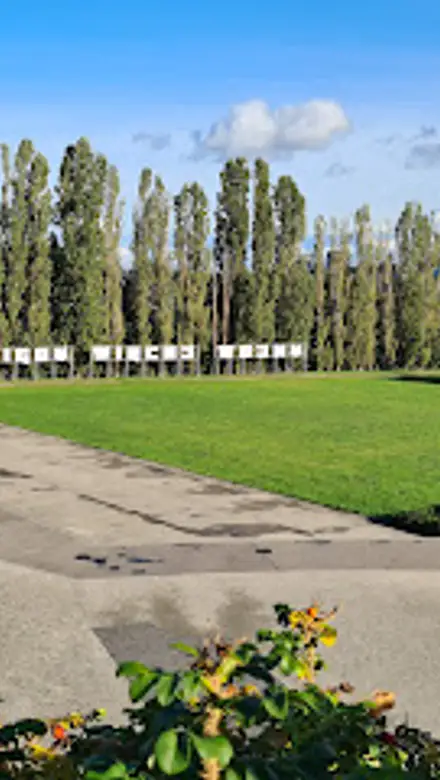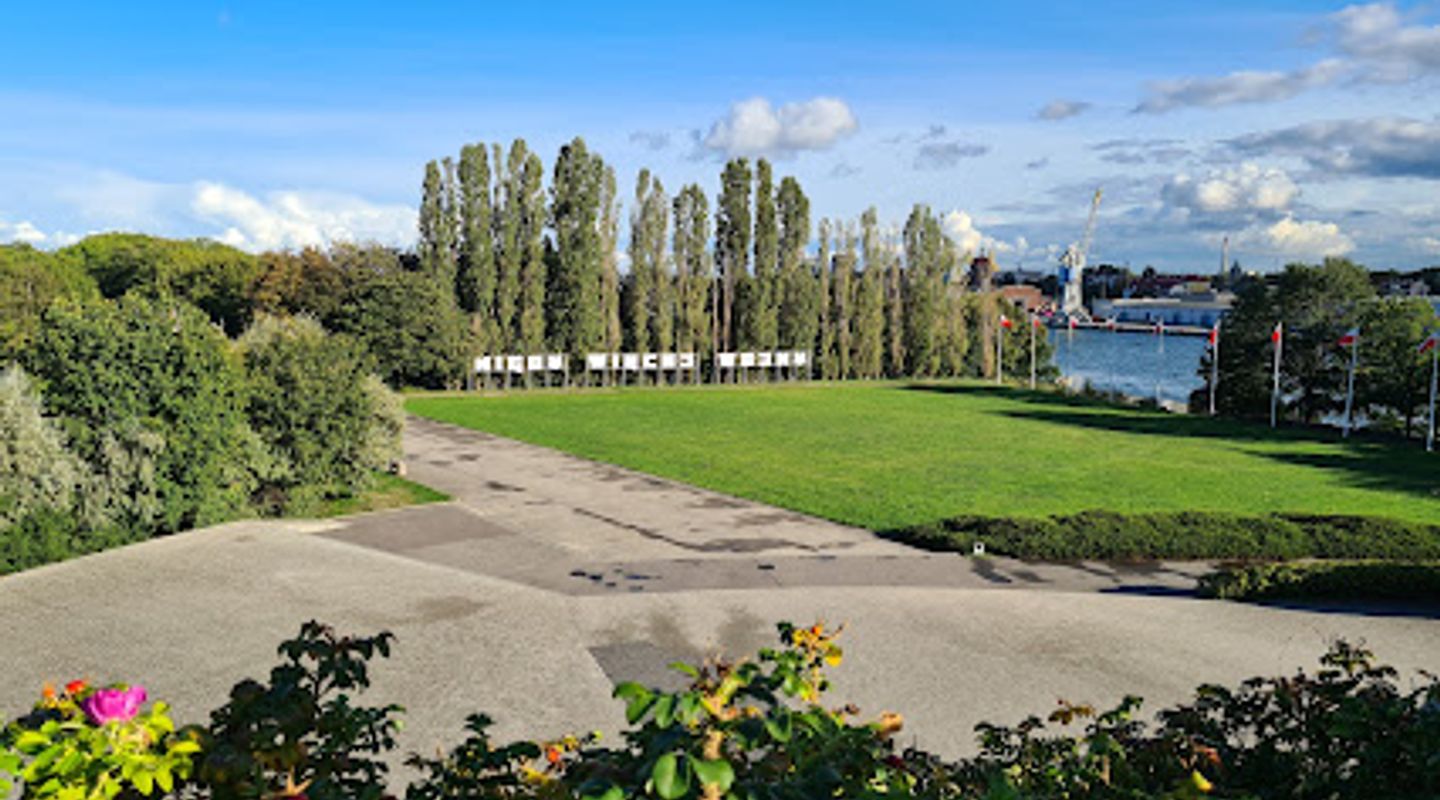
Westerplatte, Gdansk Travel Guide
Discover Westerplatte, the historic site where World War II began, featuring memorials and breathtaking views in Gdańsk, Poland.
Westerplatte, a historically significant site in Gdańsk, Poland, is where World War II began. This iconic landmark is a must-visit for history enthusiasts and offers poignant memorials, breathtaking views, and a glimpse into the past.
A brief summary to Westerplatte
- Gdańsk, Przeróbka, 80-001, PL
- Click to display

Know before you go
Hi, I'm Eve. Here are a few practical things to know before exploring Westerplatte.
- Visit early in the morning to enjoy the peaceful atmosphere and avoid crowds.
- Take a guided tour for in-depth knowledge about the historical significance of the site.
- Wear comfortable shoes as there is a lot of walking involved on the site.
- Don't forget to bring your camera for stunning views of the Baltic Sea.
- Check the weather forecast before your visit, as the area can be quite windy.
Do you manage this location?
Take control to get all the benefits, like improved information, better appearance, and stronger visibility across AI-powered discovery. Learn more about listing your business on Evendo
Activate your presenceOther nearby places you may find interesting
The closest places of the same kind, if this one is not quite what you had in mind.
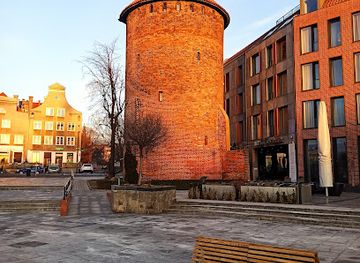
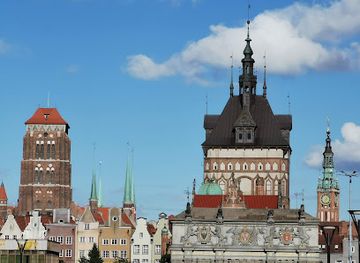

Explore Westerplatte on the Map
A handpicked selection of must-see spots near Westerplatte, mapped for you.
Unlock the Best of Westerplatte
Buy tickets
-
No tickets available
Book tours with entry


Getting There
-
Public Transportation - Tram
From Gdańsk Główny railway station, take tram line 10 towards 'Zaspa'. Get off at the 'Stadion Energa Gdańsk' stop. From there, walk towards the stadium and continue along the road until you reach the Westerplatte ferry terminal. The walk is approximately 15-20 minutes.
-
Public Transportation - Bus
From Gdańsk Główny railway station, you can take bus number 106 towards 'Stogi'. Get off at 'Westerplatte' stop. The bus ride takes about 30 minutes. Once you arrive, follow the signs to the Westerplatte memorial area, which is just a short walk from the bus stop.
-
Walking
If you are close to the Gdańsk Old Town, you can walk to Westerplatte. Start by walking towards the Motława River, and then follow the riverside path towards the east. This scenic walk will take you along the water, with views of the city. After about 3 kilometers, you will reach the area of Westerplatte, where you will find the monuments and memorials.
-
Bicycle Rental
If you prefer cycling, there are several bike rental stations in Gdańsk. Rent a bike from a nearby station and head towards Westerplatte. Follow the path along the river or use designated bike lanes. The distance from the city center is about 3 kilometers, and the ride should take around 15-20 minutes.
Discover more about Westerplatte













Your all‑in‑one travel companion app
Explore expert travel guides, compare and book tours, experiences, hotels, and more—all from the palm of your hand. Download now for seamless trip planning wherever your wanderlust takes you.


Explore More of Gdansk
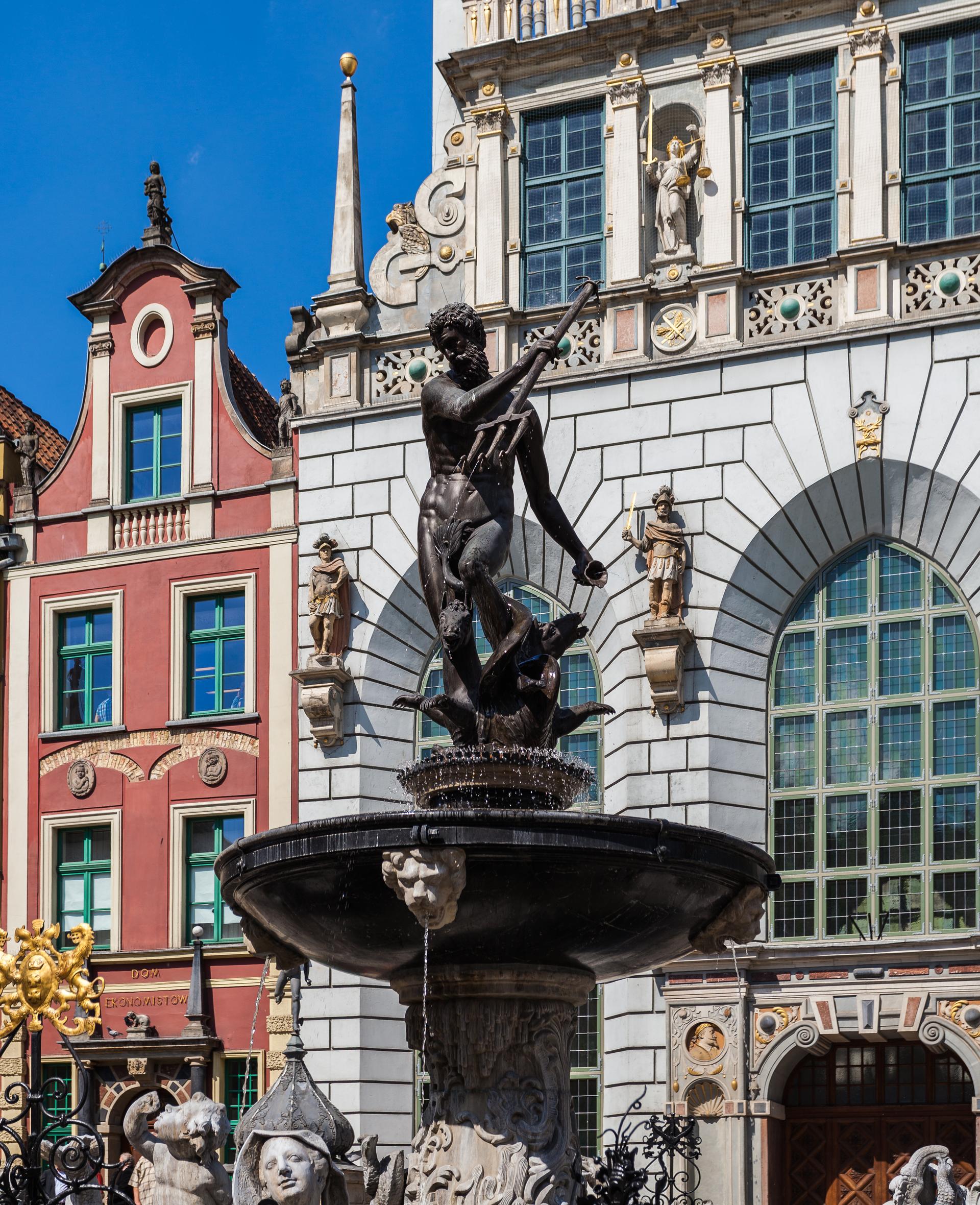
Looking beyond Westerplatte? Discover Gdansk for broader travel guides, local hot-spots, and regional highlights.
Explore Gdansk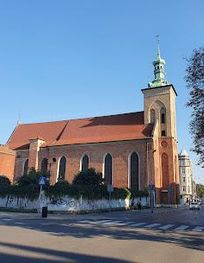
Explore the serene Church of St. James in Gdańsk, a historic Catholic church known for its stunning architecture and tranquil atmosphere.

Discover the rich maritime history of Gdansk Shipyard, a pivotal site in Poland's industrial heritage and the Solidarity movement.