

Free Al Khobar Travel Guide & Mobile App
Plan your Al Khobar trip with Evendo. Get free guides to top attractions, restaurants, hotels, and bars. Web access or download the mobile app.


Al Khobar, Saudi Arabia, pairs a Gulf waterfront with modern dining, shopping, heritage and easy access to Eastern Province culture and landscapes.
A Gulf City Shaped by Trade and Oil
Al Khobar occupies a prominent stretch of Saudi Arabia’s Eastern Province, looking across the Arabian Gulf towards Bahrain. It developed from a coastal settlement into a major commercial city during the twentieth century, as the discovery of oil transformed nearby Dhahran and the wider Dammam metropolitan area. Today, Al Khobar combines a business-minded urban character with an easygoing waterfront atmosphere, making it one of the Eastern Province’s most accessible bases for visitors.Read more about Al Khobar
The Corniche and Contemporary City Life
Beyond the Waterfront
When is the best time to visit Al Khobar?
Best: December–February · 24–26°C| Month | High (°C) | Rainfall (mm) |
|---|---|---|
| January (best) | 24 | 0 |
| February (best) | 25 | 0 |
| March | 27 | 0 |
| April | 32 | 0 |
| May | 38 | 0 |
| June | 41 | 0 |
| July | 43 | 0 |
| August | 44 | 0 |
| September | 38 | 0 |
| October | 33 | 0 |
| November | 30 | 0 |
| December (best) | 26 | 0 |
Getting to and around Al Khobar
How to get there
Transportation
Best attractions in Al Khobar
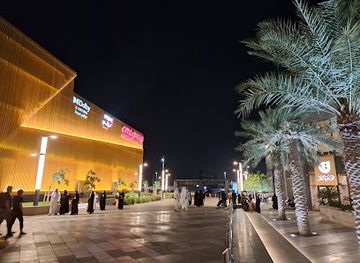
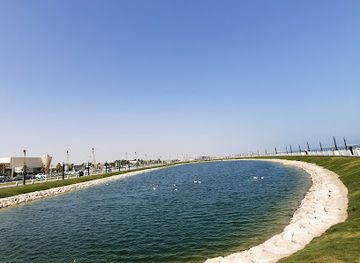
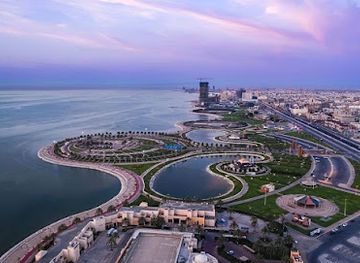
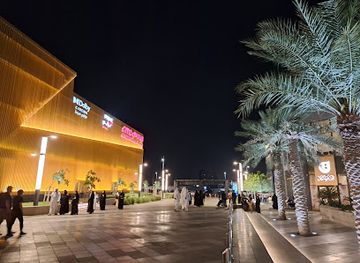
Al Khobar’s principal sightseeing experience is the Corniche, where landscaped paths, Gulf views, public art and family recreation areas create a long waterfront promenade. The sea-facing setting is particularly atmospheric in the evening, when cafés and restaurants become part of the scene. Ajdan Walk offers a more contemporary blend of open-air public space, dining and retail, while Al Rashid Mall represents the city’s modern commercial culture and provides extensive indoor relief during the hottest hours. Visitors interested in the wider urban story can travel to Dhahran for the King Abdulaziz Center for World Culture, known as Ithra, whose exhibitions and architecture reflect Saudi Arabia’s investment in cultural institutions. The King Fahd Causeway is another significant regional sight, although its border facilities and road access make it more a route towards Bahrain than a conventional city attraction. South of Al Khobar, Half Moon Bay provides a coastal excursion with beaches and recreational facilities.
-
Food court
Ajdan Walk
Discover the vibrant flavors and cultural richness of Ajdan Walk in Al Khobar, where culinary delights and shopping converge in a lively atmosphere.
15 min walk · 1.2 km from city centre
-
Park
New Corniche Khobar
Experience the scenic beauty and recreational charm of New Corniche Khobar, a perfect getaway for relaxation and family fun along the Arabian Gulf.
13 min drive · 4.2 km from city centre
-
Cultural center
King Abdulaziz Center for World Culture - Ithra
Explore the King Abdulaziz Center for World Culture in Dhahran, a dynamic hub for art, history, and innovation that inspires visitors of all ages.
31 min drive · 11 km from city centre
-
Science museum
Scitech(prince sultan Science and Technology Center)
Explore the wonders of science and technology at Scitech, Al Khobar's premier science museum featuring interactive exhibits and an IMAX theater.
15 min drive · 4.8 km from city centre

Best landmarks in Al Khobar
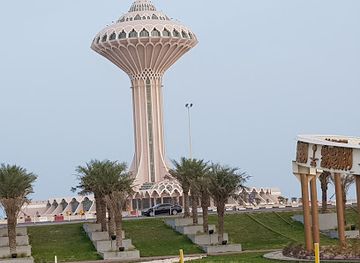
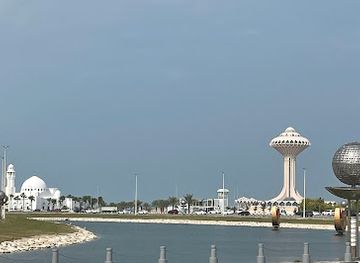
The Al Khobar Water Tower, standing on an island off the Corniche, is one of the city’s most recognisable visual markers and expresses the practical infrastructure of a modern Gulf city as well as its waterfront identity. The Corniche itself functions as a civic landmark, linking public space, landscaped shorelines and broad views across the Arabian Gulf. For a regional perspective, the King Fahd Causeway is a major engineering structure connecting Saudi Arabia with Bahrain, although its crossing facilities lie outside central Al Khobar. In nearby Dhahran, the King Abdulaziz Center for World Culture, or Ithra, is a highly distinctive contemporary cultural landmark with exhibitions, performance spaces and educational programmes. Al Khobar’s newer commercial architecture, including the large Al Rashid Mall complex, represents the city’s transformation from a smaller coastal settlement into a modern urban centre, while the absence of a preserved old town means that its landmarks are largely civic, infrastructural and contemporary rather than medieval.
-
City park
Khobar Corniche
Explore the beauty of Khobar Corniche, a serene city park offering stunning views, recreational areas, and a perfect spot for relaxation along the Arabian Gulf.
19 min walk · 1.5 km from city centre
-
Food court
Ajdan Walk
Discover Ajdan Walk in Al Khobar, a vibrant food court and cultural landmark offering diverse international cuisines and a lively atmosphere.
15 min walk · 1.2 km from city centre
-
Park
Dammam Corniche
Explore the beauty and tranquility of Dammam Corniche, a lush waterfront park perfect for relaxation and family fun by the Arabian Gulf.
42 min drive · 22 km from city centre
-
City park
Khobar Sea Front
Discover the Khobar Sea Front, a beautiful city park blending lush landscapes with stunning coastal views, perfect for relaxation and recreation.
7 min drive · 2.3 km from city centre

Explore Al Khobar on the map
Plan your Al Khobar trip on one map. See where the top attractions, landmarks, restaurants, bars and hotels are, find what's near where you're staying, and book hotels and experiences in a few clicks.
Best hotels in Al Khobar
Best restaurants in Al Khobar
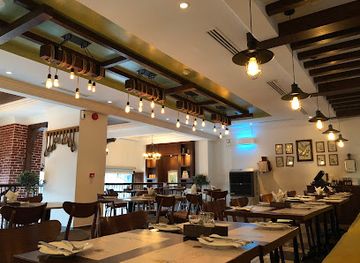
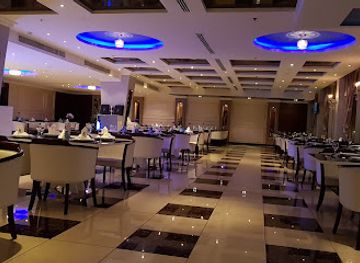
Al Khobar’s dining scene reflects both the food traditions of Saudi Arabia and the city’s long relationship with the Gulf and international business communities. Local menus may include kabsa, rice dishes served with meat or chicken, grilled seafood, samboosa, mutabbaq, dates and sweet cardamom-scented pastries, while Eastern Province cooking often makes good use of fish, prawns and other Gulf ingredients. Traditional Saudi restaurants sit alongside Lebanese, Indian, Turkish, East Asian and international establishments, particularly around commercial roads, malls and newer developments such as Ajdan Walk. Coffee culture is prominent, with speciality cafés and Arabic coffee served in settings ranging from informal neighbourhood shops to polished modern venues. Al Khobar Corniche and the central commercial districts are useful areas for combining dining with an evening walk, while food courts and bakeries provide more casual options. Restaurant practices vary, so menus and payment methods are worth checking before ordering.
-
Restaurant
Mizo Eatery
Discover the essence of Italian dining at Mizo Eatery in Al Khobar, where every dish tells a delicious story.
8 min drive · 2.7 km from city centre
-
Lebanese
Blue Garden Restaurant Khobar
Discover authentic Lebanese cuisine at Blue Garden Restaurant in Al Khobar - where every dish tells a story.
9 min drive · 3.0 km from city centre
-
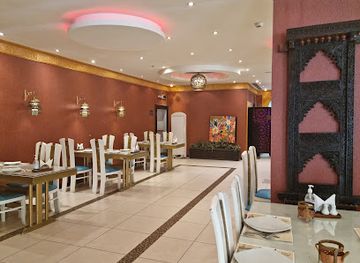
Indian
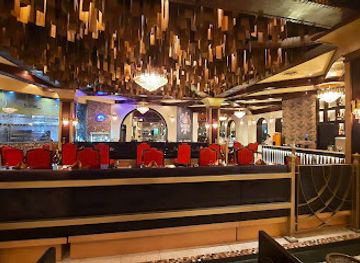
Copper Chandni
Discover authentic Indian flavors at Copper Chandni in Al Khobar – where every dish is a celebration of culinary excellence.
16 min walk · 1.3 km from city centre
-
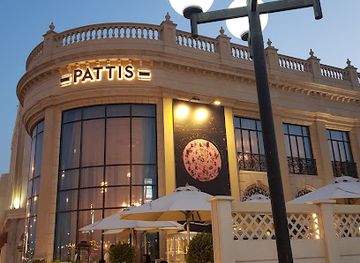
Mediterranean
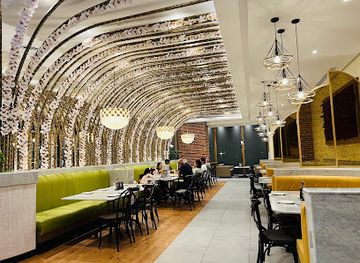
Pattis
Experience the best of Mediterranean flavors at Pattis, where exquisite breakfasts meet modern French culinary artistry in the heart of Al Khobar.
19 min walk · 1.5 km from city centre
Best bars in Al Khobar
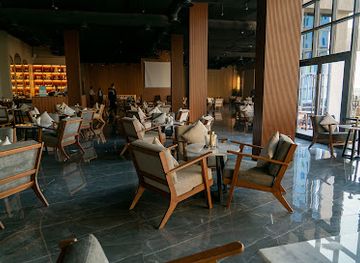
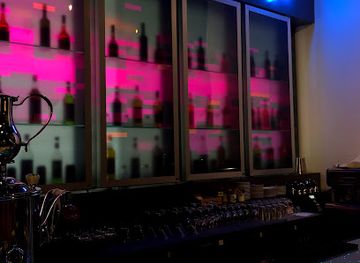
Al Khobar does not have a conventional bar or nightclub scene because alcohol is prohibited in Saudi Arabia, but evenings are active in other ways. Residents and visitors gather at cafés, dessert shops, restaurants and speciality coffee venues, with the Corniche providing a popular setting for late walks and socialising. Ajdan Walk and major shopping centres offer air-conditioned evening entertainment, dining and retail, while hotel lounges and restaurants may provide refined non-alcoholic drinks and views. Live music, cultural programming and seasonal events can appear at established venues and public spaces, though schedules change. The city’s evening rhythm is generally social and family-oriented rather than centred on clubbing, and late-night activity is shaped by the climate, prayer times, Ramadan schedules and the weekend pattern. Respectful public behaviour and local regulations remain important after dark.
-
Lebanese
Blue Garden Restaurant Khobar
Experience the essence of Lebanese cuisine at Blue Garden Restaurant in Khobar, where every meal is a celebration of flavor and culture.
9 min drive · 3.0 km from city centre
-
American
The Cheesecake Factory
Experience the taste of America at The Cheesecake Factory in Al Khobar, offering a diverse menu and an unforgettable dining atmosphere.
15 min walk · 1.2 km from city centre
-
Brazilian
Brasa De Brazil Khobar
Experience the authentic tastes of Brazil at Brasa De Brazil Khobar, where every meal is a celebration of flavor and tradition.
18 min walk · 1.5 km from city centre
-
Italian
Piatto Restaurant
Experience the essence of Italy at Piatto Restaurant in Al Khobar, where authentic flavors and a warm atmosphere await every visitor.
8 min drive · 2.6 km from city centre
Best nightclubs in Al Khobar
Al Khobar does not have a conventional bar or nightclub scene because alcohol is prohibited in Saudi Arabia, but evenings are active in other ways. Residents and visitors gather at cafés, dessert shops, restaurants and speciality coffee venues, with the Corniche providing a popular setting for late walks and socialising. Ajdan Walk and major shopping centres offer air-conditioned evening entertainment, dining and retail, while hotel lounges and restaurants may provide refined non-alcoholic drinks and views. Live music, cultural programming and seasonal events can appear at established venues and public spaces, though schedules change. The city’s evening rhythm is generally social and family-oriented rather than centred on clubbing, and late-night activity is shaped by the climate, prayer times, Ramadan schedules and the weekend pattern. Respectful public behaviour and local regulations remain important after dark.
-
Lounge
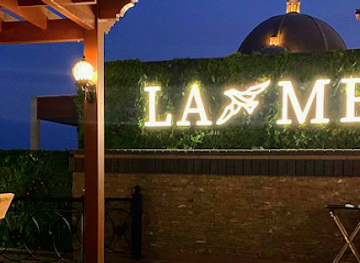
La Mer Lounge & Restaurant
Experience coastal luxury at La Mer Lounge & Restaurant, where exquisite dining meets a vibrant lounge atmosphere in Al Khobar.
18 min walk · 1.5 km from city centre
-
Lounge
LA CRETE Lounge
Discover LA CRETE Lounge in Al Khobar - where luxury meets relaxation with exquisite cuisine and vibrant nightlife.
20 min drive · 6.5 km from city centre
-
Lounge
BLUROSE LOUNGE بلوروز لاونج
Experience the vibrant nightlife and chic ambiance of Blurose Lounge in Al Khobar, where stylish decor meets an impressive drink menu.
13 min drive · 4.3 km from city centre
-
Coffee shop
wxyz lounge
Discover the charm of WXYZ Lounge in Al Khobar, where exquisite coffee meets a relaxing ambiance for the perfect getaway.
13 min drive · 4.4 km from city centre
Best shops in Al Khobar
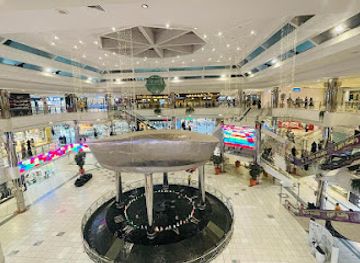
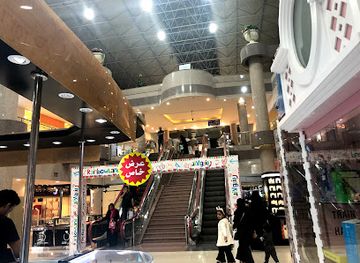
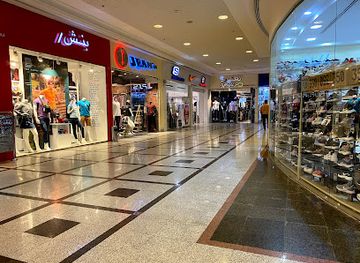
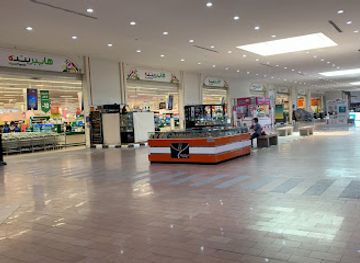
Shopping is central to Al Khobar’s modern identity, with large air-conditioned malls, specialist boutiques and independent cafés serving residents from across the Eastern Province. Al Rashid Mall is one of the city’s best-known commercial destinations, combining fashion, services, food outlets and family entertainment, while newer developments around King Fahd Road and the waterfront offer a more contemporary open-air retail atmosphere. Traditional products can be found in smaller local shops and specialist stores, including dates, Arabic coffee, spices, perfumes, oud, incense, modest clothing and gift items. Visitors seeking distinctive regional food products should look for carefully packaged dates, sweets and spice blends rather than generic souvenirs. Retail activity is often strongest in the evening, especially when temperatures are high, and opening patterns can change during Friday prayers, Ramadan and public holidays. The city’s shopping experience is predominantly modern, complemented by Gulf and Saudi products rather than a single historic bazaar district.
-
Shopping mall
Al Rashid Mall
Experience the ultimate shopping and dining adventure at Al Rashid Mall in Al Khobar, where style meets comfort and culinary delights await.
9 min drive · 3.0 km from city centre
-
Shopping mall
Khobar Mall
Discover Khobar Mall, a dynamic shopping center in Al Khobar, where fashion, dining, and entertainment come together for an unforgettable experience.
12 min drive · 3.9 km from city centre
-
Shopping mall
AlRahmaniya Center
Discover AlRahmaniya Center: your ultimate shopping destination in Al Khobar, where retail therapy meets local culture and flavor.
9 min walk · 0.7 km from city centre
-
Shopping mall
Al Fanar Mall
Discover Al Fanar Mall in Al Khobar: your ultimate shopping and dining destination with a variety of experiences for the whole family.
16 min drive · 5.4 km from city centre
Get your free copy of our complete guide to Al Khobar, delivered straight to you.
Everything on this page, from attractions and restaurants to essentials and local phrases, in one PDF you can read offline, print or share.
Already have an account? Sign in
Your Al Khobar guide is ready.
We'll send it to · Not you? Sign out

Getting your guide ready…
We are putting together a fresh copy of the Al Khobar guide. This can take up to a minute.
This can take a few moments. If your browser asks, choose Allow so the download can start. You'll find the guide in your Downloads folder.
Nothing happened? Download it again
Sorry, the guide is taking longer than usual. Please try again in a minute, or get it by email instead.
Al Khobar essentials
Currency and Payment
Safety
Emergency Situations
Do's and Don'ts
Local Tips
From Eve
Local phrases worth knowing
You don't need to get them perfect. A few words go a long way, and locals appreciate the effort.
Basics
| English | Local | Say it |
|---|---|---|
| Hello | مرحبا | [marhaban] |
| Goodbye | وداعا | [wada'an] |
| Yes | نعم | [naam] |
| No | لا | [la] |
| Please/You're welcome | من فضلك | [min fadlik] |
| Thank you | شكرا | [shukran] |
| Excuse me/Sorry | عذرا | [adhran] |
| How are you? | كيف حالك؟ | [kayf halak?] |
| Fine. And you? | بخير. وأنت؟ | [bikhayr. wa'ant?] |
| Do you speak English? | هل تتحدث الإنجليزية؟ | [hal tatahadath al'injlizia?] |
| I don't understand | لا أفهم | [la afham] |
Eating & Drinking
| English | Local | Say it |
|---|---|---|
| I'd like to see the menu, please | أريد أن أرى القائمة، من فضلك | [uridu an ara alqaimah, min fadlik] |
| I don't eat meat | أنا لا آكل اللحم | [ana la akl allahm] |
| Cheers! | في صحتك | [fi sahtak] |
| I would like to pay, please | أريد أن أدفع، من فضلك | [uridu an adfa', min fadlik] |
Emergencies
| English | Local | Say it |
|---|---|---|
| Help! | النجدة! | [alnajdah!] |
| Go away! | ارحل! | [irhal!] |
| Call the Police! | اتصل بالشرطة! | [iatisal bialshurta!] |
| Call a doctor! | اتصل بالطبيب! | [iatisal bialtabib!] |
| I'm lost | لقد ضاعت طريقي | [laqad da'at tariqi] |
| I'm ill | أنا مريض | [ana mareed] |
Shopping
| English | Local | Say it |
|---|---|---|
| I'd like to buy... | أريد أن أشتري... | [uridu an ashtari...] |
| I'm just looking | أنا فقط أتفرج | [ana faqat atafarraj] |
| How much is it? | كم سعرها؟ | [kam sa'raha?] |
| That's too expensive | هذا غالي جدا | [hatha ghali jiddan] |
| Can you lower the price? | هل يمكنك خفض السعر؟ | [hal yumkinuka khafd alsar?] |
Time & Numbers
| English | Local | Say it |
|---|---|---|
| What time is it? | كم الساعة؟ | [kam alsaa'ah?] |
| It's one o'clock | الواحدة | [alwahidah] |
| Half past (10) | العاشرة والنصف | [al'ashirah walnisf] |
| Morning | الصباح | [alsabah] |
| Afternoon | الظهر | [aldhuhur] |
| Evening | المساء | [almasa'] |
| Yesterday | الأمس | [al'ams] |
| Today | اليوم | [alyawm] |
| Tomorrow | غدا | [ghadan] |
| 1 | واحد | [wahid] |
| 2 | اثنان | [ithnan] |
| 3 | ثلاثة | [thalatha] |
| 4 | أربعة | [arba'a] |
| 5 | خمسة | [khamsa] |
| 6 | ستة | [sitta] |
| 7 | سبعة | [saba'a] |
| 8 | ثمانية | [thamaniah] |
| 9 | تسعة | [tis'ah] |
| 10 | عشرة | [asharah] |
Transport & Directions
| English | Local | Say it |
|---|---|---|
| Where's a/the...? | أين...؟ | [ayna...?] |
| What's the address? | ما هو العنوان؟ | [ma huwa al'awn?] |
| Can you show me (on the map)? | هل يمكنك أن تريني (على الخريطة)؟ | [hal yumkinuka an tureeni (ala alkhareetah)?] |
| When's the next (bus)? | متى يأتي الحافلة التالية؟ | [mata ya'ti alhafilat altaliyah?] |
| A ticket (to ....) | تذكرة (إلى ...) | [tathkirah (ila ...)] |
History of Al Khobar
A Coastal Settlement in Eastern Arabia
Before the oil era, the coast around present-day Al Khobar formed part of a Gulf trading environment linking eastern Arabia with Bahrain and other maritime communities. The settlement grew as families, merchants and fishing communities moved along the shoreline, with small-scale trade and seafaring helping to shape its early identity. Al Khobar’s position opposite Bahrain was especially significant, as the island was an important commercial centre in the Gulf. Although little of the earliest settlement remains as a preserved historic quarter, the city’s orientation towards the sea and its long commercial relationship with neighbouring ports reflect this pre-oil past.
Oil Discovery and Urban Transformation
The discovery of commercially viable oil in the Dammam area during the 1930s transformed the Eastern Province and accelerated Al Khobar’s growth. Dhahran became a centre of exploration and petroleum administration, while Al Khobar expanded as a residential, commercial and service city within the emerging urban corridor. The arrival of workers, engineers, traders and families from across Saudi Arabia and abroad changed the social composition of the area. Roads, utilities and new commercial districts gradually replaced the scale of the earlier coastal settlement, tying Al Khobar’s fortunes to the development of the Saudi oil industry.
The Rise of the Dammam Metropolitan Area
During the second half of the twentieth century, Al Khobar, Dammam and Dhahran developed into a closely connected metropolitan area rather than isolated towns. Al Khobar became particularly associated with retail, hospitality, offices and residential districts, while Dammam retained important administrative and port functions and Dhahran remained strongly linked to energy, research and education. Urban expansion brought broad roads, planned neighbourhoods and modern commercial centres. This regional pattern explains why many of the Eastern Province’s cultural institutions and visitor attractions are best understood through the connections between the three cities.
The King Fahd Causeway Era
The opening of the King Fahd Causeway in 1986 established a direct road connection between Saudi Arabia and Bahrain across the Gulf. For Al Khobar, the causeway strengthened an already longstanding relationship with Bahrain and reinforced the city’s role as a regional leisure, business and shopping centre. Cross-border movement also increased the visibility of Gulf cultural links in everyday life, from cuisine and family connections to tourism and commerce. The causeway begins west of Al Khobar near the Dammam metropolitan area rather than on the city’s central waterfront, but its economic and geographical influence is closely associated with the city.
A Modern Eastern Province City
In the twenty-first century, Al Khobar has continued to expand through new residential districts, commercial developments, restaurants and public waterfront improvements. Its identity now rests on several overlapping histories: a Gulf-facing settlement, an oil-era service centre and a contemporary Saudi city shaped by regional mobility. Nearby institutions such as the King Abdulaziz Center for World Culture in Dhahran reflect the Eastern Province’s investment in education and cultural life, while the Corniche and newer pedestrian-oriented developments provide spaces for leisure. Al Khobar’s modern character is therefore inseparable from the wider transformation of eastern Saudi Arabia.
Al Khobar in Photos
Browse through our photo collection highlighting the charm and character of the destination.
Cities near Al Khobar
The closest cities to Al Khobar, if you have time for more than one stop.
-

-

-

-

-


Swipe for more cities
Explore more

Explore more of Saudi Arabia
Discover the rich heritage, stunning landscapes, and warm hospitality of Saudi Arabia, where ancient traditions meet modern wonders in a truly unique travel experience.
Explore Saudi Arabia