

Free Khamis Mushait Travel Guide & Mobile App
Plan your Khamis Mushait trip with Evendo. Get free guides to top attractions, restaurants, hotels, and bars. Web access or download the mobile app.


Khamis Mushait in Saudi Arabia combines Asiri heritage, mountain air, traditional souqs, local cuisine and easy access to Abha’s highland attractions.
Highland Setting and Local Character
Khamis Mushait lies in Saudi Arabia’s Asir Region, on the elevated plateau east of Abha, where cooler mountain air, broad valleys and rugged volcanic landscapes distinguish the area from the kingdom’s lowland cities. Its name refers to the traditional Thursday market that helped establish the settlement as a commercial centre, while Mushait recalls the influential Al Mushait family associated with the town. Today, Khamis Mushait is a substantial modern city whose busy roads, residential districts and commercial centres sit alongside older markets and enduring Asiri customs.Read more about Khamis Mushait
Markets, Architecture and Asiri Culture
A Gateway to the Asir Highlands
When is the best time to visit Khamis Mushait?
Best: February–March, November · 23–27°C| Month | High (°C) | Rainfall (mm) |
|---|---|---|
| January | 22 | 7 |
| February (best) | 23 | 6 |
| March (best) | 25 | 6 |
| April | 30 | 7 |
| May | 36 | 4 |
| June | 39 | 1 |
| July | 37 | 2 |
| August | 37 | 2 |
| September | 37 | 1 |
| October | 31 | 2 |
| November (best) | 27 | 5 |
| December | 23 | 7 |
Getting to and around Khamis Mushait
How to get there
Transportation
Best attractions in Khamis Mushait
Khamis Mushait’s main attractions are connected with everyday Asiri life rather than a dense parade of monumental sights. The historic market area offers an introduction to the city’s commercial origins, with shops selling regional foods, honey, incense, textiles and household goods. Traditional buildings and older market details provide glimpses of highland architecture, while the city’s parks and family recreation spaces show its modern public life. Visitors interested in local culture can explore restaurants serving Asiri dishes and browse contemporary shopping districts where regional products sit alongside national brands. The surrounding plateau adds another dimension: trips towards Abha and the Asir mountains reveal cooler landscapes, rural settlements and viewpoints, although these lie outside Khamis Mushait itself. The city is therefore most rewarding when approached as a living regional centre, combining trade, food and local customs with convenient access to the landscapes and cultural attractions of southwestern Saudi Arabia.
-
Tourist attraction
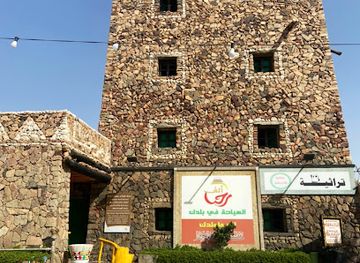
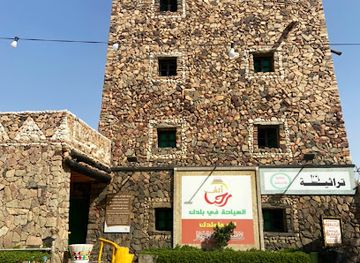
قرية بن حمسان
Experience the tranquil beauty and rich traditions of قرية بن حمدان, a hidden tourist gem in Khamis Mushait, Saudi Arabia.
12 min drive · 4.1 km from city centre
-
Garden
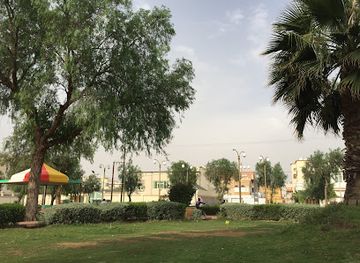
Khamis Mushait Municipal Park
Discover tranquility at Khamis Mushait Municipal Park, a lush oasis filled with greenery, walking paths, and recreational activities perfect for all visitors.
5 min drive · 1.5 km from city centre
-
Garden
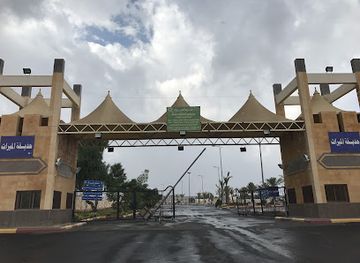
Almerath public park
Explore the serene beauty of Almerath Public Park, a lush garden oasis in Khamis Mushait, perfect for relaxation and enjoying nature.
30 min drive · 10 km from city centre
-
Garden
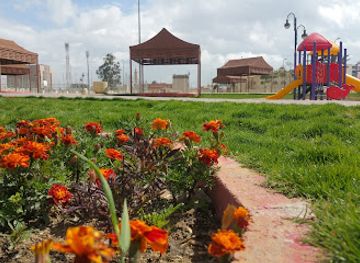
Al Madinah Al Monwarah Park
Discover the lush landscapes and serene atmosphere of Al Madinah Al Monwarah Park in Khamis Mushait, a perfect getaway for nature lovers and families.
10 min drive · 3.2 km from city centre
Best landmarks in Khamis Mushait
The historic Khamis Mushait market is the city’s most meaningful built landmark, preserving the memory of the Thursday trading tradition that gave Khamis its name and supported commerce across the Asir highlands. Khamis Mushait Grand Mosque represents the city’s continuing religious and civic importance, although visitors should observe prayer-time etiquette and avoid treating worship spaces as tourist objects. Older traditional houses and market buildings, with their thick walls and regional decorative features, provide further evidence of Asiri settlement patterns, even where modern development surrounds them. The city’s relationship with the Al Mushait family is also part of its historical identity, reflected in local historical references and the name itself. Rather than a single monumental skyline, Khamis Mushait’s landmark character lies in the relationship between its market, religious institutions, older urban fabric and the highland setting that shaped its growth.
-
Tourist attraction
قرية بن حمسان
Experience the rich culture and stunning landscapes of قرية بن حمدان, a captivating tourist destination in Khamis Mushait, Saudi Arabia.
12 min drive · 4.1 km from city centre
-
Hotel
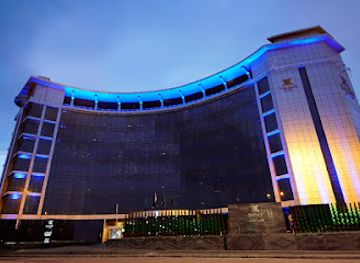
Bayat Hotel
Experience unmatched luxury and hospitality at Bayat Hotel, the perfect destination for relaxation and indulgence in Khamis Mushait.
8 min drive · 2.5 km from city centre
-
State park
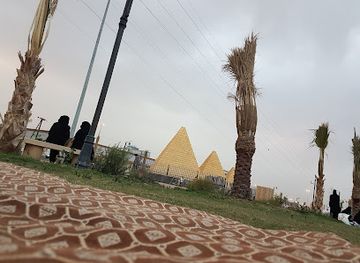
ممشى الزول الراقي
Discover the serene beauty of Mamsah Al-Zawl Al-Raqi State Park in Khamis Mushait, where nature meets tranquility and adventure awaits.
11 min drive · 3.8 km from city centre
-
Garden
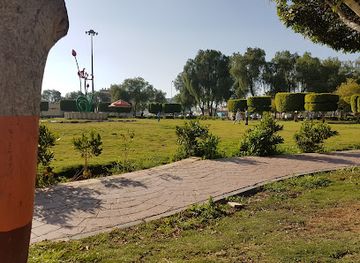
Khamis Mushait Municipal Park
Discover tranquility in Khamis Mushait Municipal Park, a serene garden retreat perfect for relaxation, family fun, and nature photography.
5 min drive · 1.5 km from city centre
Explore Khamis Mushait on the map
Plan your Khamis Mushait trip on one map. See where the top attractions, landmarks, restaurants, bars and hotels are, find what's near where you're staying, and book hotels and experiences in a few clicks.
Best hotels in Khamis Mushait
Best restaurants in Khamis Mushait
Khamis Mushait’s dining scene reflects the food culture of Asir, where wheat, sorghum, dates, honey, clarified butter and locally raised meat have long shaped the table. Traditional restaurants may serve areekah, a soft preparation of bread or flour mixed with dates and other ingredients; aseeda, a comforting dough-based dish; and haneeth, slow-cooked meat associated with southern Arabian cooking. Rice dishes, grilled meats and hearty stews are widely available, while cafés offer Arabic coffee, tea and sweet snacks. The market area and commercial roads contain casual eateries alongside modern Saudi, Arab and international restaurants. Regional honey, spices and dried foods make useful culinary purchases, and visitors can often find Asiri flavours in family-run establishments rather than only in formal dining rooms. Restaurant styles range from simple counter-service venues to contemporary cafés serving younger urban tastes.
-
Lebanese
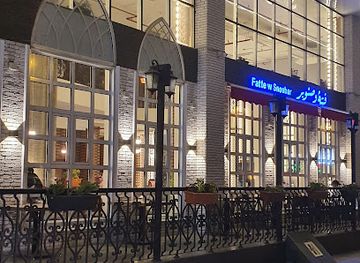
Fatte w Snobar
Experience the best of Lebanese cuisine at Fatte w Snobar in Khamis Mushait, where every dish tells a story of flavor and tradition.
18 min drive · 6.2 km from city centre
-
 Indian
Maharani Restaurant
Experience authentic Indian cuisine at Maharani Restaurant in Khamis Mushait, where vibrant flavors and a welcoming atmosphere await.
11 min drive · 3.8 km from city centre
-
American
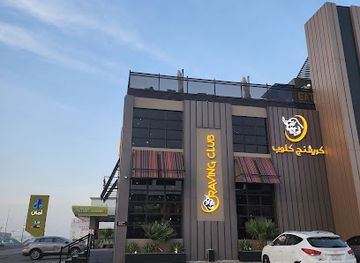
CRAVING CLUB
Experience authentic American cuisine at Craving Club in Khamis Mushait – where every dish tells a story.
15 min drive · 4.9 km from city centre
-
Restaurant
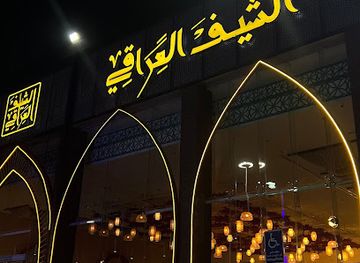
مطعم الشيف العراقي
Experience authentic Iraqi cuisine at مطعم الشيف العراقي in Khamis Mushait – where every meal is a celebration of flavor and tradition.
12 min drive · 4.0 km from city centre
Best bars in Khamis Mushait
Khamis Mushait has no legal bar or nightclub culture, as alcohol is prohibited in Saudi Arabia, and evening entertainment is instead centred on cafés, restaurants, shopping complexes and family-oriented leisure spaces. After sunset, the city’s commercial areas become more sociable, with gatherings over Arabic coffee, tea, desserts and late meals. Modern cafés may provide air-conditioned interiors and relaxed seating, while larger developments offer retail browsing and indoor recreation. Live music and nightlife in the Western sense are limited, but cultural evenings, seasonal Saudi events and family programmes may add organised entertainment when scheduled. Abha, nearby, has a broader programme of festivals, arts and public events, although these should be treated as activities in a separate city. Visitors should dress respectfully and follow local rules concerning public conduct and photography.
-
American
CRAVING CLUB
Discover Craving Club in Khamis Mushait, an American restaurant serving delicious dishes in a warm and inviting atmosphere, perfect for food lovers.
15 min drive · 4.9 km from city centre
-
Seafood
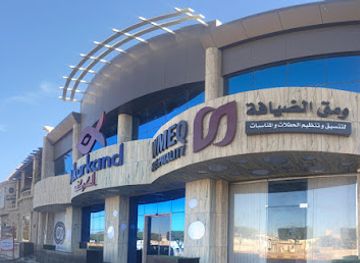
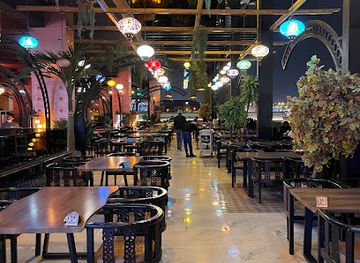
Al Karkand Sea Food
Discover the vibrant seafood scene at Al Karkand Sea Food in Khamis Mushait, where freshness meets flavor in every dish.
13 min drive · 4.2 km from city centre
-
Turkish
مطعم تولاي Tolie Restaurant
Experience the essence of Turkish cuisine at Tolie Restaurant, where every dish tells a story of flavor and tradition.
11 min drive · 3.8 km from city centre
-
Hookah bar
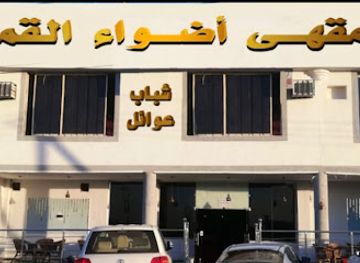
مقهى اضواء القمر للعائلات والشباب
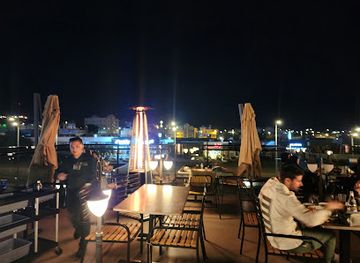
Discover Moonlight Cafe in Khamis Mushait, where exquisite hookah and innovative cocktails create the perfect atmosphere for relaxation and social gatherings.
21 min drive · 7.0 km from city centre
Best nightclubs in Khamis Mushait
Khamis Mushait has no legal bar or nightclub culture, as alcohol is prohibited in Saudi Arabia, and evening entertainment is instead centred on cafés, restaurants, shopping complexes and family-oriented leisure spaces. After sunset, the city’s commercial areas become more sociable, with gatherings over Arabic coffee, tea, desserts and late meals. Modern cafés may provide air-conditioned interiors and relaxed seating, while larger developments offer retail browsing and indoor recreation. Live music and nightlife in the Western sense are limited, but cultural evenings, seasonal Saudi events and family programmes may add organised entertainment when scheduled. Abha, nearby, has a broader programme of festivals, arts and public events, although these should be treated as activities in a separate city. Visitors should dress respectfully and follow local rules concerning public conduct and photography.
-
Lounge
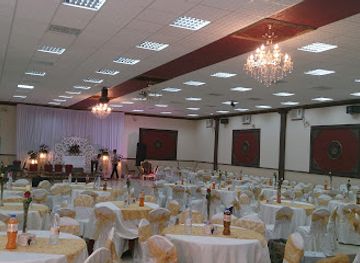
الدانه للافراح والمناسبات
Discover the vibrant atmosphere of الدانه للافراح والمناسبات, a premier lounge in Khamis Mushait offering delicious cuisine and a welcoming setting for all occasions.
20 min drive · 6.7 km from city centre
-
Night club
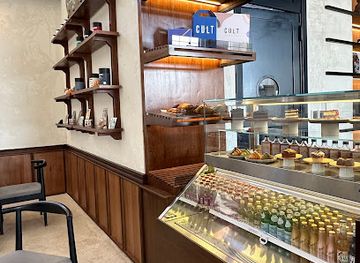
CULT Coffee House
Experience the vibrant fusion of coffee culture and nightlife at CULT Coffee House in Khamis Mushait, where every visit is a unique adventure.
8 min drive · 2.6 km from city centre
-
Night club
وقت الاسترخاء
Dive into the vibrant nightlife of وقت الاسترخاء, a premier night club in Khamis Mushait, where music and fun come alive.
14 min drive · 4.6 km from city centre
-
Night club
ديوانية جلسة الليل
Unleash your spirit at Dيوانية جلسة الليل, Khamis Mushait's ultimate night club for an unforgettable nightlife experience.
17 min drive · 5.5 km from city centre
Best shops in Khamis Mushait
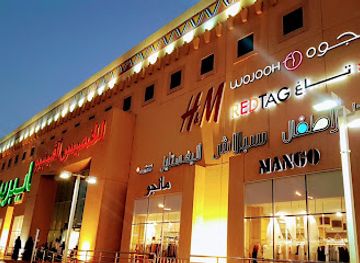
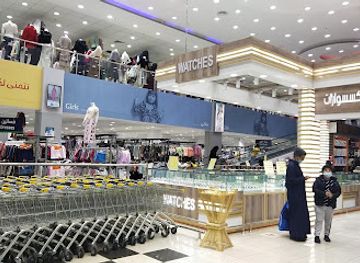
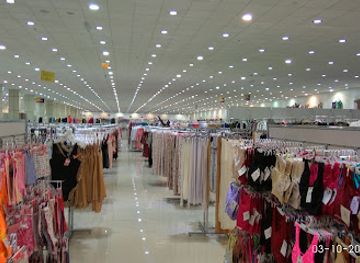
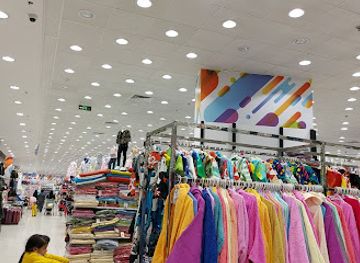
Shopping in Khamis Mushait combines the practical energy of a regional commercial centre with products associated with Asiri life. The traditional market area is the place to look for honey, dates, spices, incense, woven goods, household items and locally familiar foods, while gold shops and modern retail streets serve everyday and special-occasion purchases. Contemporary shopping centres provide national brands, cafés and air-conditioned browsing, contrasting with the more direct negotiation and specialist trading found in older market quarters. Visitors may also encounter regional textiles, decorative objects and traditional clothing, although provenance and quality vary between sellers. Asiri honey and food products are particularly characteristic purchases, while handicrafts and woven items offer a tangible connection with highland traditions. Compare quality and packaging carefully, especially when buying food to take across borders.
-
Shopping mall
Al Khamis Avenue
Explore Al Khamis Avenue, a vibrant shopping mall in Khamis Mushait, offering diverse family and home goods along with delightful dining options.
25 min drive · 8.5 km from city centre
-
Shopping mall
Alshamel Shopping Center
Explore Alshamel Shopping Center in Khamis Mushait for a unique blend of shopping, dining, and entertainment, capturing the essence of local culture.
22 min drive · 7.5 km from city centre
-
Shopping mall
الشبلي غاليري
Discover Al Shibli Gallery, Khamis Mushait's premier shopping destination featuring a variety of stores from fashion to kitchen supplies.
30 min drive · 9.8 km from city centre
-
Shopping mall
True Discounts
Explore True Discounts in Khamis Mushait - your ultimate shopping destination for fashion and local culture.
17 min drive · 5.6 km from city centre
Get your free copy of our complete guide to Khamis Mushait, delivered straight to you.
Everything on this page, from attractions and restaurants to essentials and local phrases, in one PDF you can read offline, print or share.
Already have an account? Sign in
Your Khamis Mushait guide is ready.
We'll send it to · Not you? Sign out

Getting your guide ready…
We are putting together a fresh copy of the Khamis Mushait guide. This can take up to a minute.
This can take a few moments. If your browser asks, choose Allow so the download can start. You'll find the guide in your Downloads folder.
Nothing happened? Download it again
Sorry, the guide is taking longer than usual. Please try again in a minute, or get it by email instead.
Khamis Mushait essentials
Currency and Payment
Safety
Emergency Situations
Do's and Don'ts
Local Tips
From Eve
Local phrases worth knowing
You don't need to get them perfect. A few words go a long way, and locals appreciate the effort.
Basics
| English | Local | Say it |
|---|---|---|
| Hello | مرحبا | [marhaban] |
| Goodbye | وداعا | [wadaeana] |
| Yes | نعم | [naam] |
| No | لا | [laa] |
| Please/You're welcome | من فضلك | [min fadlik] |
| Thank you | شكرا | [shukran] |
| Excuse me/Sorry | عذرا | [aadhra] |
| How are you? | كيف حالك؟ | [kaifa haluk?] |
| Fine. And you? | بخير. وأنت؟ | [bikhayr. wa ant?] |
| Do you speak English? | هل تتحدث الإنجليزية؟ | [hal tatahadath al-inglizia?] |
| I don't understand | أنا لا أفهم | [ana la afham] |
Eating & Drinking
| English | Local | Say it |
|---|---|---|
| I'd like to see the menu, please | أريد أن أرى القائمة، من فضلك | [uriidu an ara al-qaimah, min fadlik] |
| I don't eat meat | أنا لا أأكل اللحم | [ana la aakul al-lahm] |
| Cheers! | في صحتك! | [fi sahtik!] |
| I would like to pay, please | أريد أن أدفع، من فضلك | [uriidu an adfaa, min fadlik] |
Emergencies
| English | Local | Say it |
|---|---|---|
| Help! | النجدة! | [al-najdah!] |
| Go away! | اذهب بعيدا! | [adhhab baedan!] |
| Call the Police! | اتصل بالشرطة! | [aitasal bilshurtah!] |
| Call a doctor! | اتصل بطبيب! | [aitasal bitabib!] |
| I'm lost | لقد ضللت | [laqad dallaht] |
| I'm ill | أنا مريض | [ana mareed] |
Shopping
| English | Local | Say it |
|---|---|---|
| I'd like to buy... | أريد أن أشتري... | [uriidu an ashtari...] |
| I'm just looking | أنا فقط أتفرج | [ana faqat atafarraj] |
| How much is it? | كم سعره؟ | [kam siroh?] |
| That's too expensive | هذا غالي جدا | [hatha ghali jiddan] |
| Can you lower the price? | هل يمكنك خفض السعر؟ | [hal yumkinuk khafdh al-siir?] |
Time & Numbers
| English | Local | Say it |
|---|---|---|
| What time is it? | كم الساعة؟ | [kam al-saaah?] |
| It's one o'clock | الساعة الواحدة | [al-saaah al-wahidah] |
| Half past (10) | العاشر والنصف | [al-ashar wal-nisf] |
| Morning | صباح | [sabah] |
| Afternoon | مساء | [masaa] |
| Evening | مساء | [masaa] |
| Yesterday | أمس | [ams] |
| Today | اليوم | [al-yawm] |
| Tomorrow | غدا | [ghadan] |
| 1 | واحد | [wahid] |
| 2 | اثنان | [ithnan] |
| 3 | ثلاثة | [thalatha] |
| 4 | أربعة | [arbaa] |
| 5 | خمسة | [khamsah] |
| 6 | ستة | [sittah] |
| 7 | سبعة | [sabaah] |
| 8 | ثمانية | [thamaaniyah] |
| 9 | تسعة | [tisaa] |
| 10 | عشرة | [asharah] |
Transport & Directions
| English | Local | Say it |
|---|---|---|
| Where's a/the...? | أين ال... | [ayn al...] |
| What's the address? | ما هو العنوان؟ | [ma huwa al-unwan?] |
| Can you show me (on the map)? | هل يمكنك أن تريني (على الخريطة)؟ | [hal yumkinuk an tarini (ala al-kharitah)?] |
| When's the next (bus)? | متى يأتي الحافلة التالية؟ | [mata yaati al-hafilah al-taliyah?] |
| A ticket (to ....) | تذكرة (إلى ...) | [tadhkirah (ila ...)] |
History of Khamis Mushait
A Thursday Market Settlement
Khamis Mushait developed around trade in the Asir highlands, and its name preserves the importance of the weekly Thursday market, traditionally held as a focal point for merchants, farmers and residents from surrounding settlements. The town’s position on routes linking the highland communities with the Tihama coast and the interior helped it grow beyond a purely local marketplace. Grain, livestock, honey, textiles and other agricultural products moved through the area, while the market also served as a place for social exchange. The settlement’s identity was shaped by the wider Asiri pattern of dispersed mountain villages connected by seasonal commerce rather than by one monumental urban centre.
The Al Mushait Family and Regional Influence
The second part of the city’s name is associated with the Al Mushait family, whose influence formed part of the local political and social history of the Asir region. Before the consolidation of modern Saudi rule, authority in Asir was distributed among prominent families, tribal networks and local settlements, with alliances and rivalries influencing movement, trade and security. Khamis Mushait’s commercial role gave it importance within this regional system. Surviving references to traditional houses, market structures and local lineages help place the modern city within a highland society that combined agriculture, pastoralism and long-distance exchange.
Asir under Ottoman and Idrisi Authority
Asir occupied a strategic position between the Red Sea coast, Yemen and the interior Arabian Peninsula, bringing the region into the orbit of larger political powers. Ottoman influence was exercised unevenly through western Arabia, while the Idrisid Emirate of Asir, based around Jizan and influential in the early twentieth century, also affected regional politics. Control was rarely experienced as a simple boundary on a map; it depended on agreements with local leaders, military pressure and control of routes. Khamis Mushait’s location in the highlands gave it continuing significance as a market and settlement within these shifting relationships.
Incorporation into Saudi Arabia
The political unification of much of the Arabian Peninsula under King Abdulaziz brought Asir into the Saudi state during the 1920s. The formal incorporation of the region followed campaigns and agreements that altered the relationship between local authorities and the central government. For Khamis Mushait, this period began a longer transition from a locally governed market settlement towards an administrative and military centre linked to the institutions of the expanding kingdom. Roads, public services and state administration gradually changed the scale and organisation of urban life, while local customs and regional identities remained important.
Modern Urban Growth in Asir
During the twentieth century, Khamis Mushait expanded as Saudi Arabia invested in education, healthcare, roads, commerce and public administration. Its proximity to Abha and its position on the Asir plateau encouraged residential and economic growth, transforming the town into one of the region’s principal urban centres. Traditional trading patterns were joined by modern retail, workshops, restaurants and service businesses, while improved transport connected the city more closely with the airport, Abha and the western lowlands. Contemporary Khamis Mushait therefore combines a rapidly developed urban landscape with the market culture, food traditions and highland social networks inherited from its earlier history.
Cities near Khamis Mushait
The closest cities to Khamis Mushait, if you have time for more than one stop.
-

-

-

-

-


Swipe for more cities
Explore more

Explore more of Saudi Arabia
Discover the rich heritage, stunning landscapes, and warm hospitality of Saudi Arabia, where ancient traditions meet modern wonders in a truly unique travel experience.
Explore Saudi Arabia