

Pulau Semakau Travel Guide - Free Web & App
Your ultimate guide to Pulau Semakau. Discover top landmarks, proposed trips, and local tips. Free on the web or via the Evendo companion app.


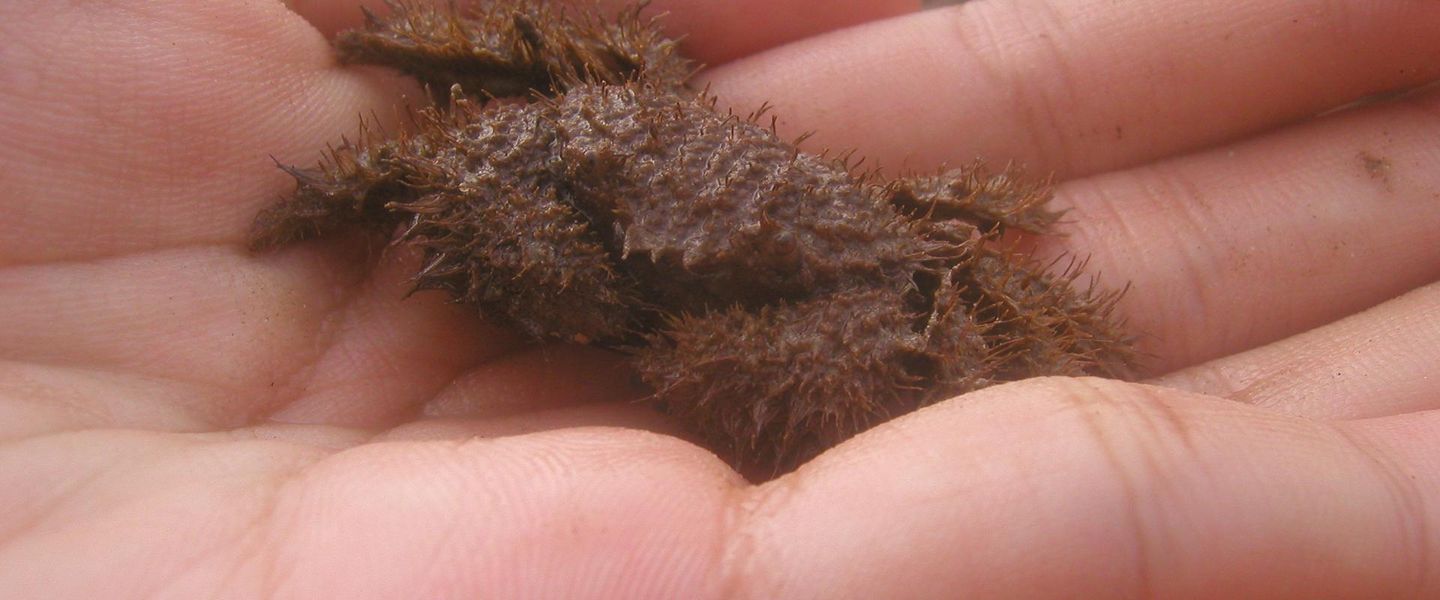

Explore Pulau Semakau: Singapore's sustainable haven, where eco-innovation meets natural splendor; a perfect escape for nature lovers and eco-conscious travelers.
Read more about Pulau Semakau
When is the best time to visit Pulau Semakau?
Best: August–October · 31°C| Month | High (°C) | Rainfall (mm) |
|---|---|---|
| January | 31 | 215 |
| February | 31 | 179 |
| March | 31 | 164 |
| April | 31 | 159 |
| May | 31 | 157 |
| June | 31 | 157 |
| July | 31 | 156 |
| August (best) | 31 | 157 |
| September (best) | 31 | 158 |
| October (best) | 31 | 161 |
| November | 30 | 169 |
| December | 30 | 189 |
Getting to and around Pulau Semakau
How to get there
Transportation
Best attractions in Pulau Semakau
Pulau Semakau, a hidden gem in Singapore, offers visitors a unique blend of natural beauty and historical significance. From its pristine beaches and lush mangrove forests to its fascinating marine life and ancient burial grounds, this island has something for everyone. Explore the rich biodiversity of the intertidal zone, go birdwatching in the tranquil surroundings, or dive into the island’s intriguing past through guided tours of its historical sites. Whether you are a nature lover, history buff, or simply looking for a peaceful retreat away from the bustling city, Pulau Semakau promises an unforgettable experience that will leave you in awe of its beauty and charm.
-
Island
Semakau Island
Explore the tranquil beauty of Semakau Island, a hidden paradise rich in biodiversity and a unique eco-tourism experience in Singapore.
Best landmarks in Pulau Semakau
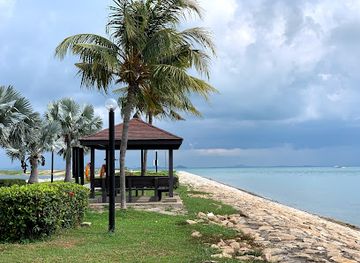
Pulau Semakau offers visitors a unique blend of natural beauty and historical significance. From the stunning views of the crystal-clear waters surrounding the island to the fascinating remnants of its past as a landfill turned eco-park, there is something for everyone to discover. Explore the mangrove forests and spot various bird species, take a leisurely stroll along the coastal boardwalk, or marvel at the intricate rock formations along the shore. Don't miss the chance to visit the old mosque and traditional fishing village, which provide a glimpse into the island's rich cultural heritage. Whether you're a nature lover, history enthusiast, or simply looking for a tranquil escape from the city, Pulau Semakau has it all.
-
Island
Semakau Island
Explore Semakau Island, Singapore's hidden ecological gem with pristine beaches and rich biodiversity, perfect for nature lovers and eco-tourists.
-
Environment office
NEA Semakau Landfill
Explore NEA Semakau Landfill: Singapore's innovative blend of waste management and ecological preservation, offering a unique eco-tourism experience.
-
Reef
Terumbu Semakau
Explore the vibrant marine life of Terumbu Semakau, Singapore's stunning coral reef, a hidden treasure for diving and snorkeling enthusiasts.
Explore Pulau Semakau on the map
Plan your trip on one map. See where the top attractions, landmarks, restaurants and hotels are, and book hotels and experiences in a few clicks.
Best hotels in Pulau Semakau
Best shops in Pulau Semakau
When it comes to shopping on Pulau Semakau, visitors can expect a unique experience unlike any other. From quaint local shops selling handmade crafts and souvenirs to bustling markets offering fresh produce and traditional snacks, there is something for everyone to enjoy. Explore the vibrant streets filled with colorful stalls and friendly vendors, and immerse yourself in the rich culture and heritage of this hidden gem in Singapore. Don't miss the chance to haggle for the perfect treasure to take home as a reminder of your unforgettable trip to Pulau Semakau.
-
Island
Semakau Island
Explore Semakau Island: A Hidden Paradise in Singapore with Pristine Beaches and Vibrant Marine Life.
Get your free copy of our complete guide to Pulau Semakau, delivered straight to you.
Everything on this page, from attractions and restaurants to essentials and local phrases, in one PDF you can read offline, print or share.
Already have an account? Sign in
Your Pulau Semakau guide is ready.
We'll send it to · Not you? Sign out

Getting your guide ready…
We are putting together a fresh copy of the Pulau Semakau guide. This can take up to a minute.
This can take a few moments. If your browser asks, choose Allow so the download can start. You'll find the guide in your Downloads folder.
Nothing happened? Download it again
Sorry, the guide is taking longer than usual. Please try again in a minute, or get it by email instead.
Pulau Semakau essentials
Currency and Payment
Safety
Emergency Situations
Do's and Don'ts
Local Tips
From Eve
Local phrases worth knowing
You don't need to get them perfect. A few words go a long way, and locals appreciate the effort.
Basics
| English | Local | Say it |
|---|---|---|
| Hello | Selamat pagi | [suh-lah-maht pah-gee] |
| Goodbye | Selamat tinggal | [suh-lah-maht ting-gahl] |
| Yes | Ya | [yah] |
| No | Tidak | [tee-dahk] |
| Please/You're welcome | Sila | [see-lah] |
| Thank you | Terima kasih | [tuh-ree-mah kah-see] |
| Excuse me/Sorry | Maaf | [mah-ahf] |
| How are you? | Apa khabar? | [ah-pah kah-bahr?] |
| Fine. And you? | Baik. Dan awak? | [bah-ee-k. dahn ah-wahk?] |
| Do you speak English? | Boleh bercakap dalam Bahasa Inggeris? | [boh-leh buhr-chah-kahp dahl-ahm bah-hah-sah ing-gair-iss?] |
| I don't understand | Saya tidak faham | [sah-yah tee-dahk fah-hahm] |
Eating & Drinking
| English | Local | Say it |
|---|---|---|
| I'd like to see the menu, please | Saya ingin melihat menu, sila | [sah-yah een-geen muh-lee-haht muh-noo, see-lah] |
| I don't eat meat | Saya tidak makan daging | [sah-yah tee-dahk mah-kahn dah-yihng] |
| Cheers! | Kanpai! | [kahn-pai!] |
| I would like to pay, please | Saya ingin membayar, sila | [sah-yah een-geen muhm-bah-yahr, see-lah] |
Emergencies
| English | Local | Say it |
|---|---|---|
| Help! | Tolong! | [toh-lohng!] |
| Go away! | Pergi jauh-jauh! | [puhr-gee jah-oo jah-oo!] |
| Call the Police! | Panggil Polis! | [pahng-geel poh-lees!] |
| Call a doctor! | Panggil doktor! | [pahng-geel dohk-tohr!] |
| I'm lost | Saya sesat | [sah-yah suh-saht] |
| I'm ill | Saya sakit | [sah-yah sah-keet] |
Shopping
| English | Local | Say it |
|---|---|---|
| I'd like to buy... | Saya ingin membeli... | [sah-yah een-geen muhm-buh-lee] |
| I'm just looking | Saya hanya melihat-lihat | [sah-yah hahn-yah muh-lee-haht-lee-haht] |
| How much is it? | Berapa harganya? | [buh-rah-pah hahr-gahn-yah?] |
| That's too expensive | Itu terlalu mahal | [ee-too tuhr-lah-oo mah-hahl] |
| Can you lower the price? | Boleh kurangkan harga? | [boh-leh koor-ahn-gahn hahr-gah?] |
Time & Numbers
| English | Local | Say it |
|---|---|---|
| What time is it? | Pukul berapa sekarang? | [poo-kool buh-rah-pah suh-kah-rahn?] |
| It's one o'clock | Pukul satu | [poo-kool sah-too] |
| Half past (10) | Pukul setengah (sepuluh) | [poo-kool suh-tuhng-ah (suh-poo-loo)] |
| Morning | Pagi | [pah-gee] |
| Afternoon | Petang | [puh-tahng] |
| Evening | Malam | [mah-lahm] |
| Yesterday | Semalam | [suh-mah-lahm] |
| Today | Hari ini | [hah-ree ee-nee] |
| Tomorrow | Esok | [eh-sohk] |
| 1 | Satu | [sah-too] |
| 2 | Dua | [doo-ah] |
| 3 | Tiga | [tee-gah] |
| 4 | Empat | [uhm-paht] |
| 5 | Lima | [lee-mah] |
| 6 | Enam | [eh-nahm] |
| 7 | Tujuh | [too-joo] |
| 8 | Lapan | [lah-pahn] |
| 9 | Sembilan | [suhm-bee-lahn] |
| 10 | Sepuluh | [suh-poo-loo] |
Transport & Directions
| English | Local | Say it |
|---|---|---|
| Where's a/the...? | Di mana... | [dee mah-nah...] |
| What's the address? | Apa alamatnya? | [ah-pah ah-lah-maht-nyah?] |
| Can you show me (on the map)? | Boleh tunjukkan kepada saya (di peta)? | [boh-leh toon-jook-kahn kuh-pahdah sah-yah (dee peh-tah)?] |
| When's the next (bus)? | Bila bas seterusnya? | [bee-lah bahs suh-tuh-roos-nyah?] |
| A ticket (to ....) | Sebuah tiket (ke ....) | [suh-boo-ah tee-keht (keh ....)] |
History of Pulau Semakau
Origins and Early History
Pulau Semakau, an island located south of the main island of Singapore, has a history that dates back centuries. The name 'Semakau' likely originates from the Malay word for mangrove swamp, reflecting the island's natural landscape before significant human intervention.
Kampong Life and Fishing Village
Before its transformation in the late 20th century, Pulau Semakau was home to a small Malay fishing village. The island's community relied heavily on fishing and small-scale farming. Traditional wooden stilt houses lined the shores, and the villagers lived a simple, self-sustained lifestyle.
Development of the Landfill Site
In 1999, Pulau Semakau underwent a significant transformation. The Singapore government embarked on an ambitious project to turn the island into an offshore landfill to manage the nation's waste. The Semakau Landfill, which started operations in 1999, was a unique project combining waste management with environmental conservation.
Environmental Conservation Efforts
Despite its primary function as a landfill, Pulau Semakau has become a model of sustainable waste management and environmental conservation. The landfill is designed to minimize environmental impact, incorporating a leachate treatment plant and extensive green spaces. The island is now a haven for bird watching, mangrove exploration, and marine life conservation.
Biodiversity and Eco-Tourism
Pulau Semakau has emerged as a popular destination for eco-tourism. The island is home to diverse flora and fauna, including rare bird species, mangroves, and coral reefs. Guided tours allow visitors to learn about the island's unique ecosystem and the importance of sustainable waste management practices.
Cultural Significance and Heritage
Although the original fishing village no longer exists, Pulau Semakau retains cultural significance. Efforts have been made to document and preserve the island's history, including the stories of the villagers who once lived there. This cultural heritage adds a rich layer to the island's modern identity.
Pulau Semakau in Photos
Browse through our photo collection highlighting the charm and character of the destination.
Neighbouring destination travel guides
The closest destinations to Pulau Semakau, if you have time for more than one.
-

-

-

-

-


Swipe for more destinations
Explore more

Explore more of Central Region
Explore Singapore’s Central Region for Marina Bay, historic districts, tropical gardens, museums, hawker food and lively urban neighbourhoods.
Explore Central Region
Explore more of Singapore
Explore Singapore: A vibrant city-state where modernity meets tradition, offering world-class cuisine, stunning gardens, and unique cultural experiences.
Explore Singapore