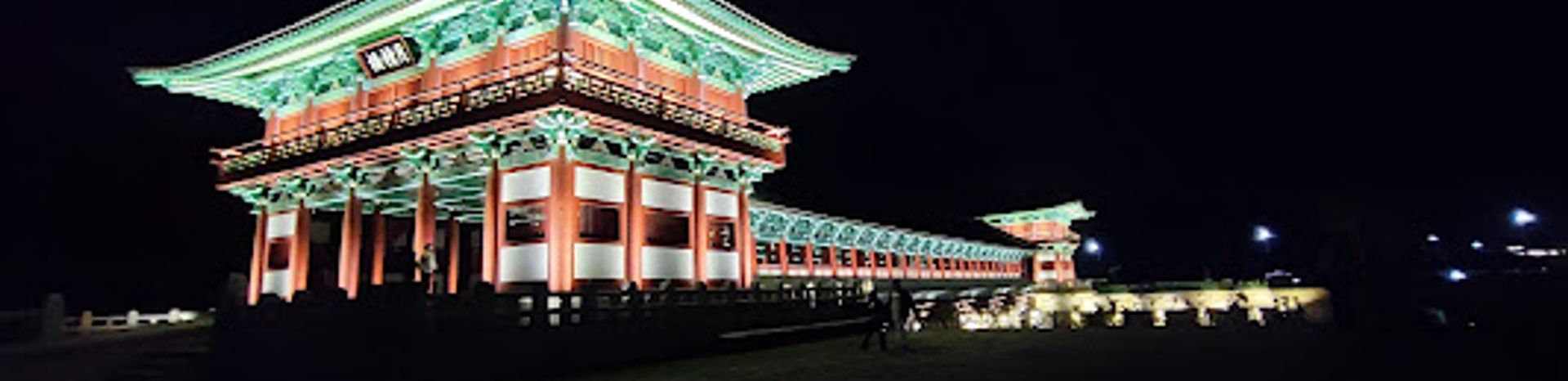
Gyeongju Eastern Historic Site: A Journey Through Time
Explore the rich tapestry of Korea’s heritage at Gyeongju Eastern Historic Site, a UNESCO World Heritage treasure of ancient wonders and breathtaking landscapes.
Immerse yourself in the rich history and stunning vistas of Gyeongju Eastern Historic Site, where ancient Korean heritage meets breathtaking landscapes. This UNESCO World Heritage site is a must-visit for any traveler seeking to explore the deep roots of Korean culture.
A brief summary to Gyeongju Eastern Historic Site
- 133 Hwangnam-dong, Gyeongju-si, Gyeongsangbuk-do, KR
- +8254-779-8742
- Monday 12 am-12 am
- Tuesday 12 am-12 am
- Wednesday 12 am-12 am
- Thursday 12 am-12 am
- Friday 12 am-12 am
- Saturday 12 am-12 am
- Sunday 12 am-12 am
Local tips
- Visit early in the morning to avoid crowds and enjoy a peaceful atmosphere.
- Bring comfortable walking shoes, as the site involves a lot of walking and exploring.
- Don't forget your camera; the stunning scenery and historic sites are perfect for photos.
- Consider hiring a local guide for deeper insights into the history and significance of the sites.
- Check for any cultural events or festivals that may be happening during your visit for an enriched experience.

Discover more about Gyeongju Eastern Historic Site
Iconic landmarks you can’t miss

Ancient Tombs in Inwang-dong, Gyeongju
0.2 km
Unveil the secrets of the past at the Ancient Tombs of Inwang-dong, Gyeongju, where history and nature intertwine in a tranquil setting.
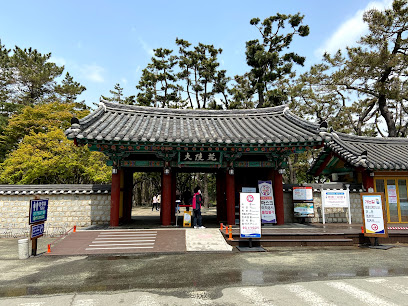
대릉원입구
0.2 km
Discover Gyeongju, the ancient capital of Korea, where history and culture come alive through stunning temples, royal tombs, and vibrant traditions.
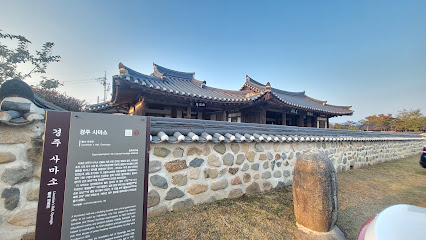
경주 사마소
0.6 km
Explore Gyeongju, South Korea's historical gem, rich with UNESCO World Heritage Sites and ancient treasures that tell the story of the Silla Kingdom.
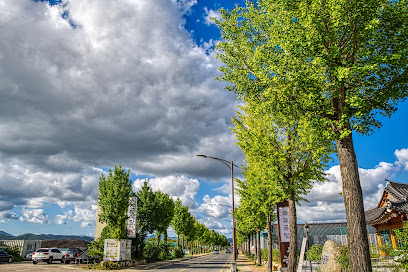
경주황남동고분군
0.6 km
Discover Gyeongju's ancient tree, a monumental symbol of heritage and tranquility in the heart of Korea's historic city.
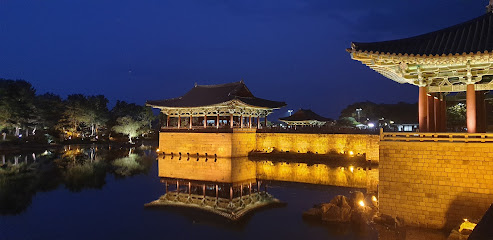
경주황남동고분군
0.6 km
Discover Gyeongju's Ancient Tombs, a UNESCO World Heritage site rich in history and beauty, showcasing the grandeur of Korea's Silla Dynasty.
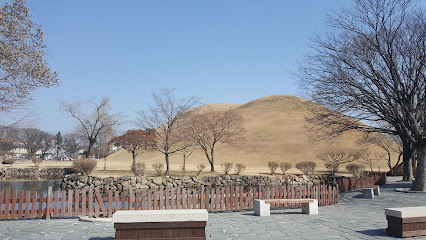
Hwangnamdaechong Tomb
0.7 km
Discover the ancient Hwangnamdaechong Tomb in Gyeongju, a significant historical landmark revealing the grandeur of the Silla Dynasty.
Jjosam Ruins Excavation Hall
0.7 km
Explore the Jjosam Ruins Excavation Hall, an open-air museum in Gyeongju showcasing Korea's ancient Silla Kingdom through stunning artifacts and archaeological remains.
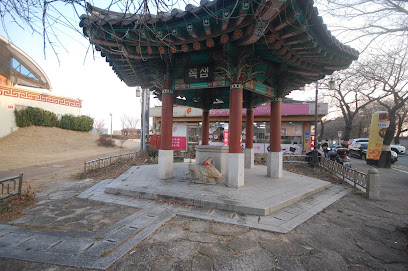
Tombs of Noseo-ri, Gyeongju
1.0 km
Explore the Tombs of Noseo-ri in Gyeongju, where ancient burial mounds reveal the rich history of the Silla Dynasty amidst stunning natural beauty.
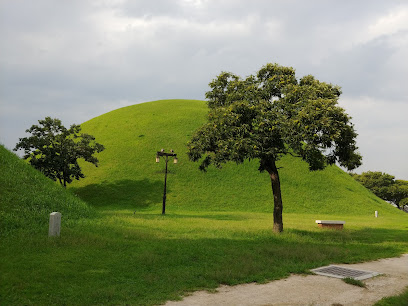
Bell of King Seongdeok (Emile Jong)
1.0 km
Explore the Bell of King Seongdeok in Gyeongju, a magnificent relic of Korea's past that enchants visitors with its beauty and historical significance.
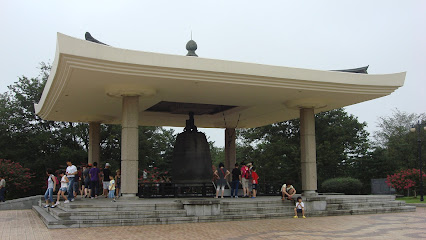
Sangseojang Residence
1.2 km
Discover the rich cultural heritage and stunning architecture of Sangseojang Residence, a must-visit historical site in Gyeongju, South Korea.
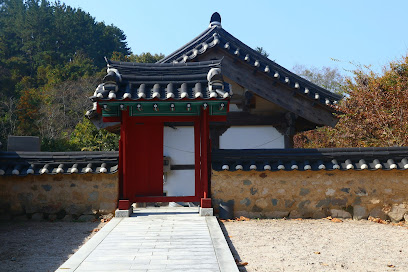
경주 남고루
1.3 km
Discover the rich heritage of Gyeongju, Korea's ancient capital, where history comes alive through its stunning tombs, temples, and cultural treasures.
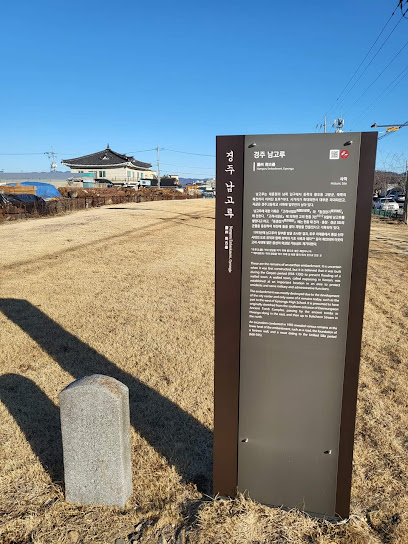
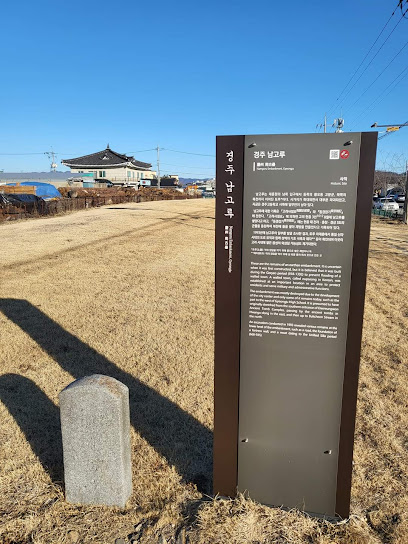
경주 남고루
1.3 km
Explore the enchanting Gyeongju Namgyeongro, a historical site revealing the captivating legacy of Korea's ancient civilization, nestled in scenic Gyeongju-si.
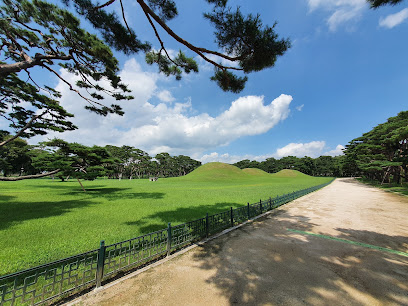
Oreung Royal Tombs
1.5 km
Discover the Oreung Royal Tombs, a UNESCO World Heritage site in Gyeongju, South Korea, where history and tranquility blend seamlessly.
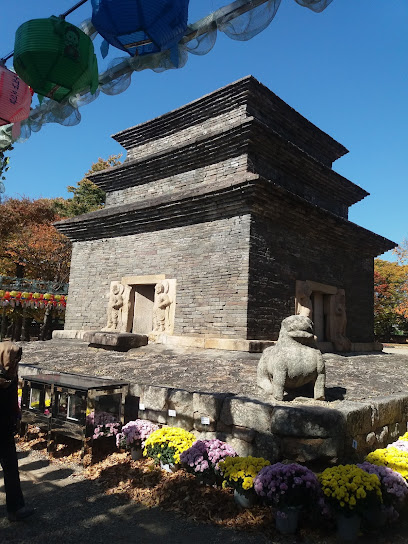
Bunhwangsa
1.7 km
Discover the tranquility of Bunhwangsa, a historic Buddhist temple in Gyeongju, where culture and spirituality blend in perfect harmony.
Talhaewangneung Royal Tomb of King Seok Talhae
2.4 km
Explore the tranquil beauty and rich history of Talhaewangneung Royal Tomb, a UNESCO heritage site in Gyeongju, Korea.
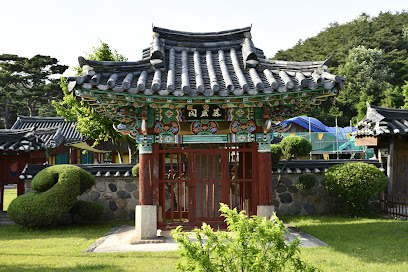
Unmissable attractions to see

Gyerim Forest
0.2 km
Discover the serene beauty and historical significance of Gyerim Forest in Gyeongju, a must-visit destination for culture and nature lovers.
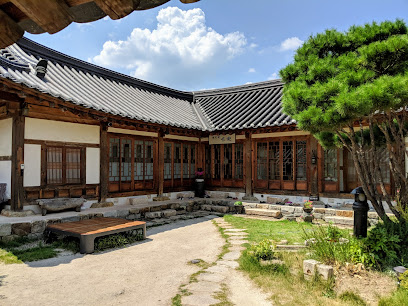
Cheomseongdae Observatory
0.2 km
Explore Cheomseongdae Observatory, the oldest astronomical observatory in East Asia, and a UNESCO World Heritage site in Gyeongju, South Korea.
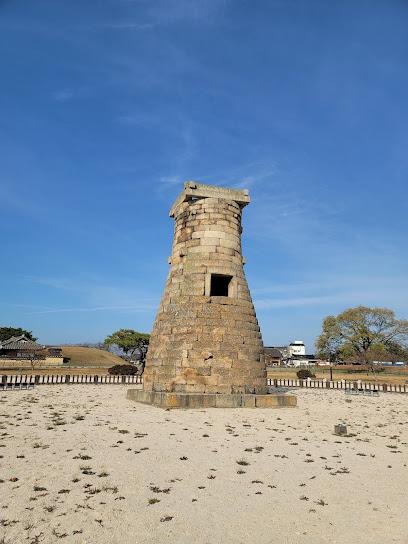
Cheomseongdae Pink Muhly
0.3 km
Explore the stunning pink muhly grass fields at Cheomseongdae in Gyeongju, a perfect blend of nature and history in South Korea.
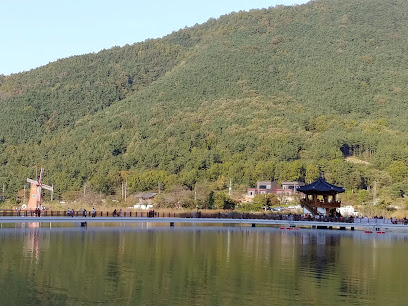
Historic House of the Rich Man Choi, Gyeongju
0.4 km
Explore the historic charm of the House of the Rich Man Choi in Gyeongju, a cultural gem showcasing Korea's traditional architecture and rich history.
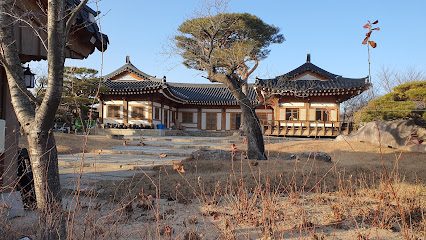
Gyeongju Historic Site Wolseong District
0.4 km
Explore the historical marvels of Gyeongju's Wolseong District and immerse yourself in Korea's rich cultural heritage.
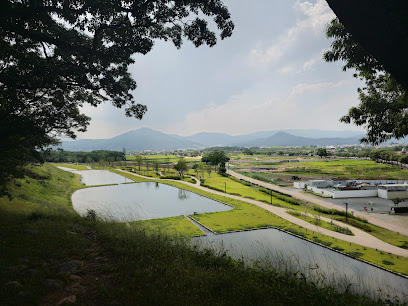
Royal Tomb of King Michu
0.4 km
Discover the Royal Tomb of King Michu in Gyeongju, a historical landmark that reveals Korea's regal past and breathtaking natural beauty.
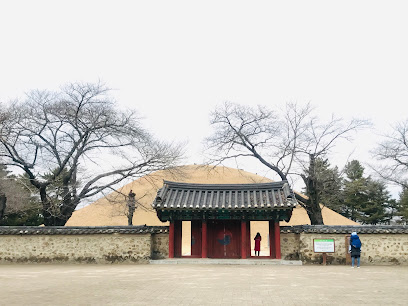
Banwolseong Fortress
0.5 km
Discover the historical marvel of Banwolseong Fortress in Gyeongju, a symbol of Korea's rich Shilla Dynasty heritage with stunning views.
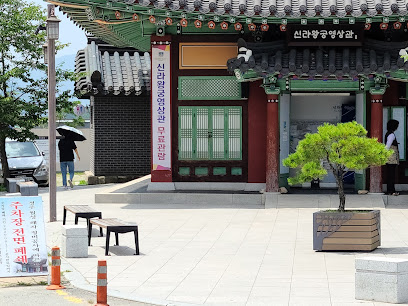
Woljeonggyo Stepping Stones
0.5 km
Discover the enchanting Woljeonggyo Stepping Stones in Gyeongju, where nature meets culture in a picturesque setting.
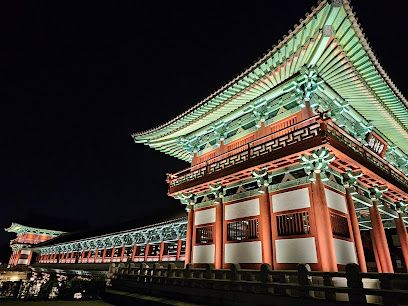
Gyeongju Gyochon Traditional Village
0.5 km
Explore the charm of Gyeongju Gyochon Traditional Village – a cultural treasure that highlights Korea's rich history and traditional lifestyle.
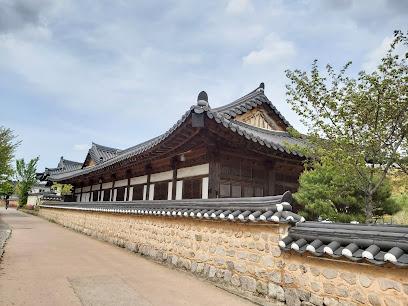
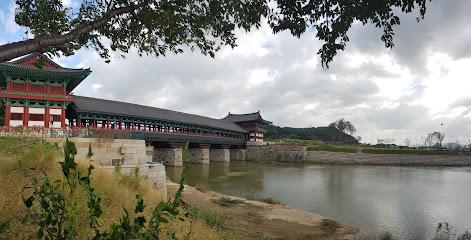
Woljeonggyo Bridge
0.5 km
Discover the enchanting Woljeonggyo Bridge in Gyeongju, a stunning architectural wonder blending history and nature.
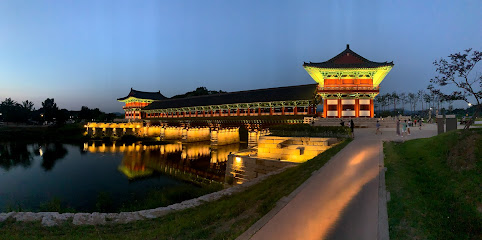
Daereungwon Photo Zone
0.6 km
Explore the Daereungwon Photo Zone in Gyeongju, where ancient tombs and beautiful landscapes create a serene escape for tourists and photography lovers alike.
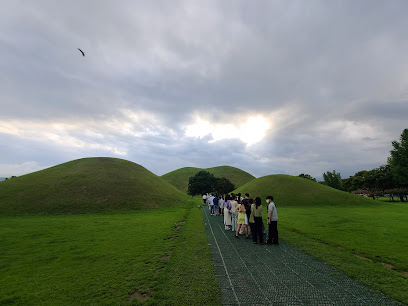
Seokbinggo (Stone Ice Storage)
0.6 km
Explore Seokbinggo, an ancient stone ice storage in Gyeongju, where Korea’s rich history and innovative ice preservation techniques come to life.
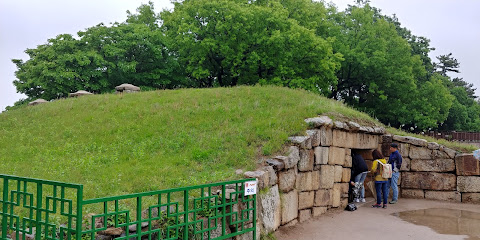
Wolseong Fortress
0.7 km
Discover the historic Wolseong Fortress in Gyeongju, a symbol of Korea's rich cultural heritage and architectural brilliance from the Silla Dynasty.
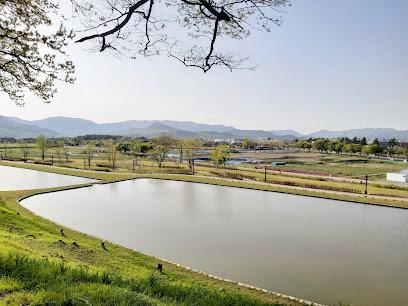
Gyeongju Lotus Complex
0.7 km
Discover the enchanting Gyeongju Lotus Complex, where stunning lotus blooms meet rich cultural heritage in South Korea's historic city.
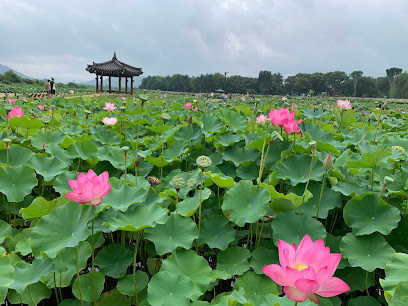
Daereungwon Tomb Complex
0.7 km
Visit the Daereungwon Tomb Complex in Gyeongju for a mesmerizing journey through Korea's ancient royal history amidst stunning landscapes.
Essential places to dine

Anima Italian Trattoria
0.2 km
Experience authentic Italian cuisine at Anima Italian Trattoria in Gyeongju - where every meal is a celebration of flavor and tradition.
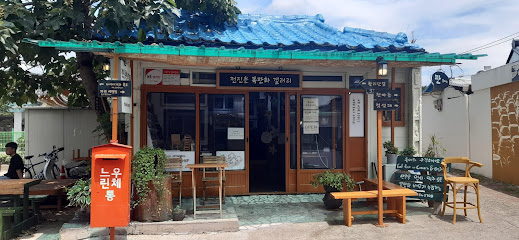
신라회관
0.2 km
Discover authentic ssambap at 신라회관 in Gyeongju-si, where every meal is a celebration of Korean culinary traditions.
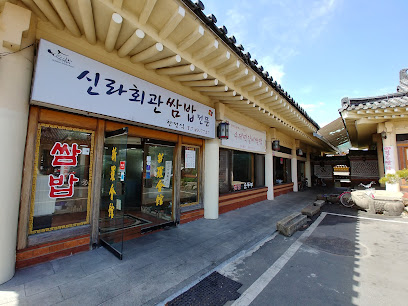
Anima
0.2 km
Experience authentic Italian flavors at Anima in Gyeongju—where tradition meets local charm in every delicious bite.
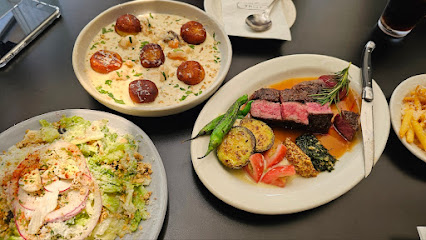
Gyeongju Wonjo Kongguk
0.2 km
Experience authentic Korean cuisine at Gyeongju Wonjo Kongguk, famous for its refreshing kongguk noodles and traditional side dishes.
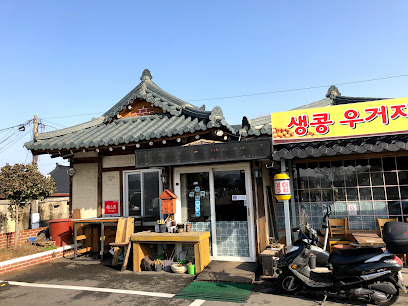
Sigol Ssambap
0.2 km
Experience authentic Korean cuisine with unique banchans at Sigol Ssambap in Gyeongju-si—where tradition meets flavor.
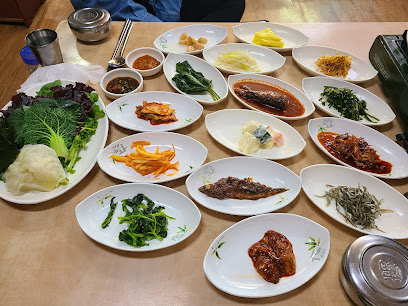
오소 육전&메밀
0.4 km
Discover traditional Korean cuisine at 오소 육전&메밀, where delicious buckwheat noodles meet exquisite meat dishes in Gyeongju.
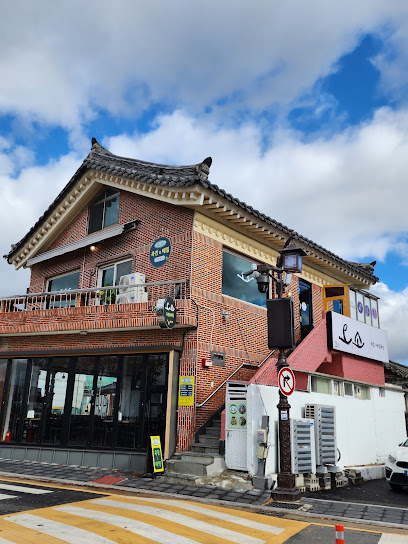
Ttobom
0.4 km
Discover Ttobom Bistro in Gyeongju: A fusion of Western flavors in a cozy setting perfect for tourists seeking memorable dining experiences.
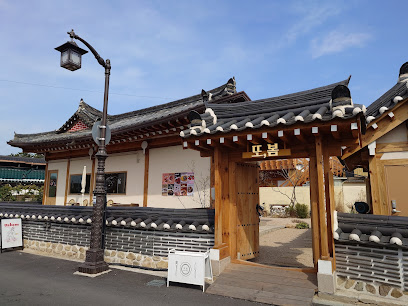
Ryoko
0.4 km
Indulge in authentic Japanese flavors at Ryoko in Gyeongju - where culinary tradition meets exceptional dining.
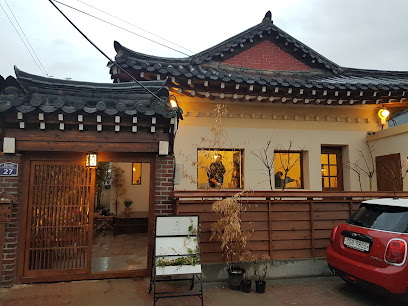
A-ung
0.4 km
Experience authentic Asian cuisine at A-ung in Gyeongju, where tradition meets flavor in a cozy setting perfect for any occasion.
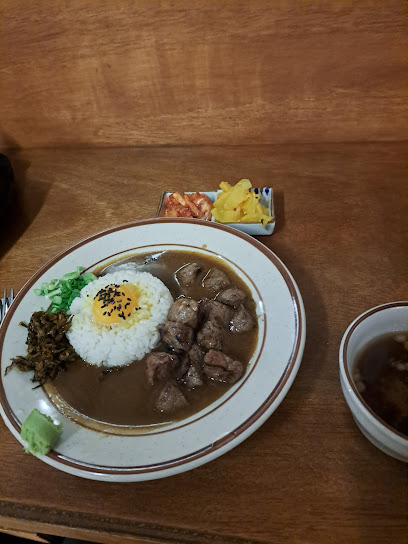
Soog
0.4 km
Experience authentic Korean flavors at Soog in Gyeongju—where tradition meets taste in every dish.
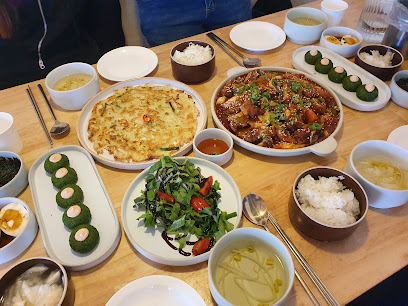
요석궁 1779
0.4 km
Discover the exquisite flavors of traditional Korean cuisine at 요석궁 1779 in Gyeongju - a culinary gem serving authentic Hanjeongsik.
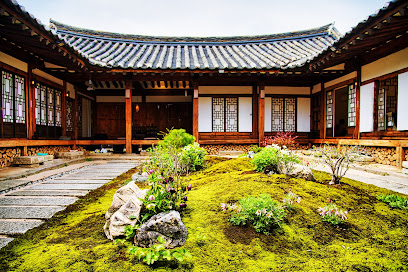
Seasoning
0.4 km
Discover Seasoning in Gyeongju: A cozy Western restaurant offering delicious dishes and exceptional service amidst rich cultural heritage.
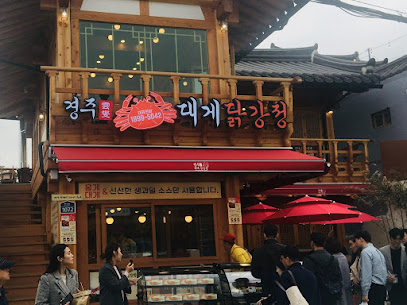
진수성찬
0.5 km
Discover authentic Korean flavors at 진수성찬 in Gyeongju-si - where tradition meets taste.
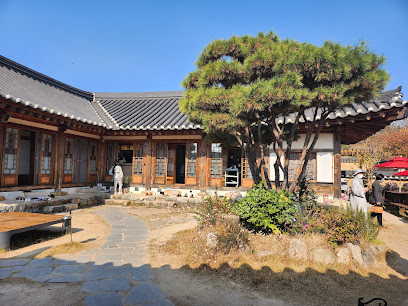
Hwangnam Gyeongju Sikdang
0.5 km
Discover authentic Korean flavors at Hwangnam Gyeongju Sikdang – a culinary gem in the heart of Gyeongju.
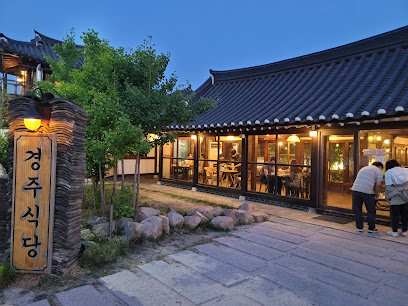
Sobakage
0.5 km
Indulge in authentic Japanese cuisine at Sobakage, where tradition meets flavor in the heart of Gyeongju-si.
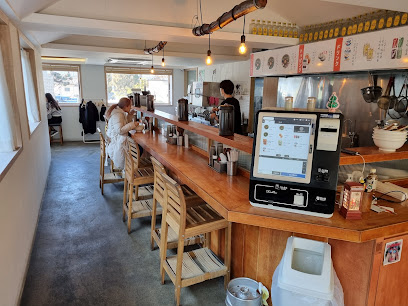
Markets, malls and hidden boutiques

한복한하루
0.2 km
Explore the beauty of traditional Korean attire at 한복한하루, a unique clothing store in Gyeongju, where history and fashion merge.
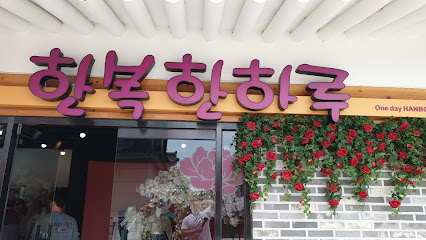
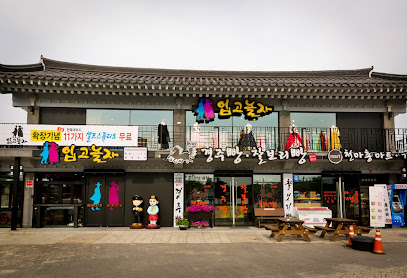
Dress Enjoy 입고놀자
0.2 km
Discover fashion in Gyeongju at Dress Enjoy, where modern trends meet traditional Korean aesthetics for an unforgettable shopping experience.
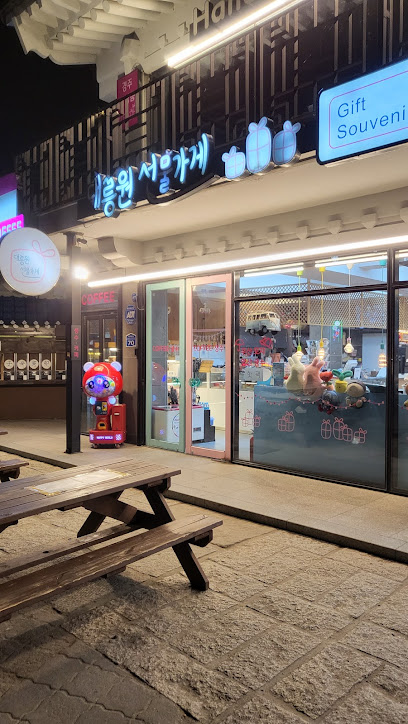
대릉원선물가게
0.2 km
Explore the vibrant charm of Gyeongju at 대릉원선물가게, your go-to destination for unique Korean souvenirs and novelty items.
신라민예사
0.2 km
Explore the cultural wonders of Gyeongju at 신라민예사, a treasure trove of unique Korean crafts and souvenirs.

Wiyeonjae
0.3 km
Experience the warmth and charm of Wiyeonjae, a cozy hotel in Gyeongju, South Korea, where comfort meets rich cultural heritage.
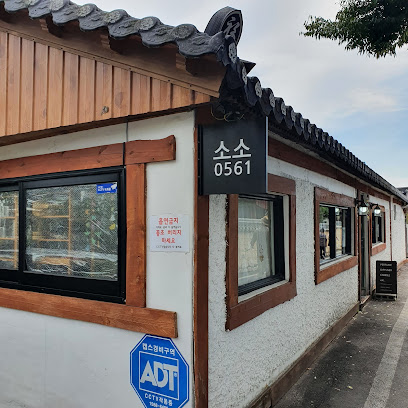
소소0561
0.3 km
Explore the charm of Gyeongju at 소소0561, where unique gifts and local crafts await every traveler seeking a piece of Korea.
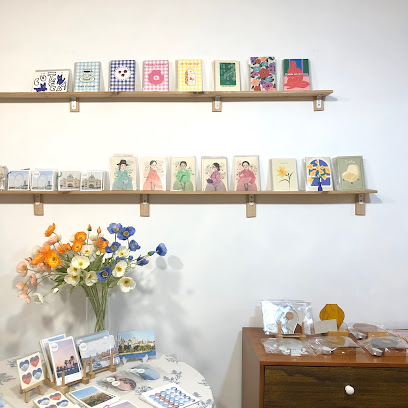
Mimyohan
0.3 km
Explore Mimyohan in Gyeongju for unique gifts and authentic Korean craftsmanship, capturing the essence of South Korea's rich cultural heritage.
Hwamogto
0.3 km
Explore the charm of Gyeongju at Hwamogto, a delightful general store offering local crafts, traditional snacks, and unforgettable souvenirs.
시간상점
0.3 km
Explore unique local crafts and traditional souvenirs at 시간상점, the ultimate shopping destination in Gyeongju.
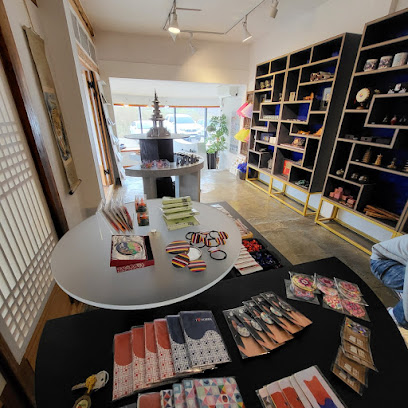
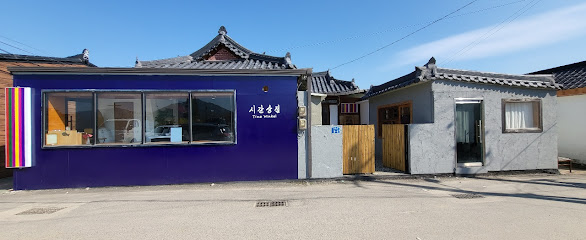
시간상점
0.3 km
Explore 시간상점 for authentic souvenirs and local crafts in the historic heart of Gyeongju, a treasure trove of Korean culture.
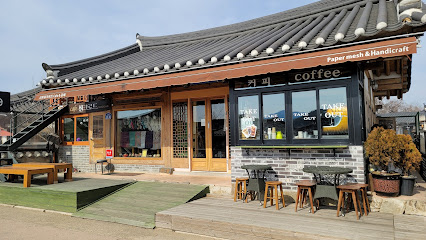
경주 실크로드
0.4 km
Explore the Gyeongju Silk Road for unique souvenirs and a glimpse into Korea's rich cultural heritage.
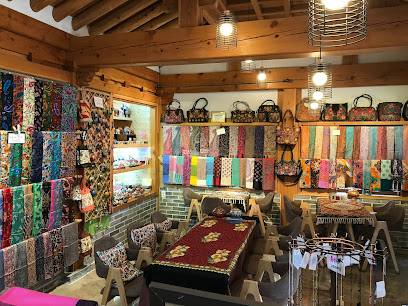
경주 실크로드
0.4 km
Explore 경주 실크로드, a charming gift shop in Gyeongju, offering unique Korean souvenirs that reflect the region's rich culture and history.
청년감성상점
0.6 km
Explore 청년감성상점 in Gyeongju for unique souvenirs that capture the culture and beauty of Korea, perfect for every traveler.
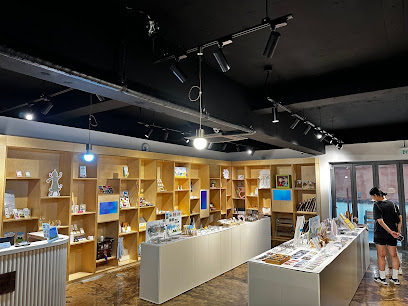
마실
0.6 km
Discover the vibrant fashion scene at 마실, Gyeongju's unique clothing store, offering eclectic styles and local designs that celebrate Korean culture.
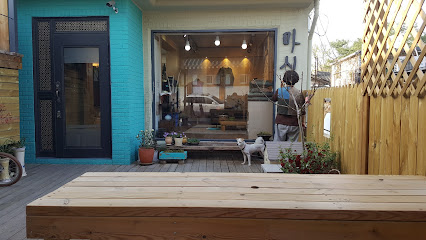
야옹씨네나무사진
0.7 km
Explore the enchanting gift shop 야옹씨네나무사진 in Gyeongju, where unique local treasures await every traveler.
Essential bars & hidden hideouts

Little Rock
0.6 km
Experience the vibrant nightlife and rich culture of Little Rock, Arkansas, a hidden gem for travelers seeking adventure and charm.
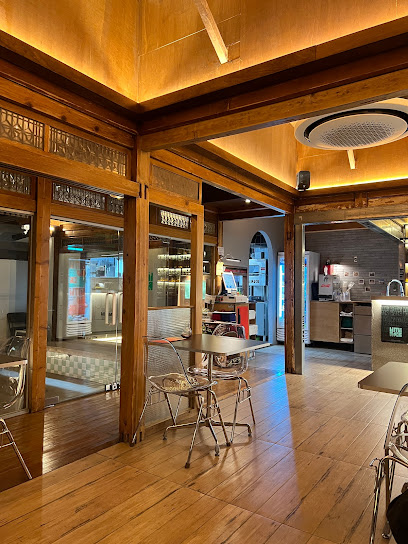
The Backyard
0.6 km
Discover the charm of Gyeongju at The Backyard, where local flavors and a cozy atmosphere come together for an unforgettable bar experience.
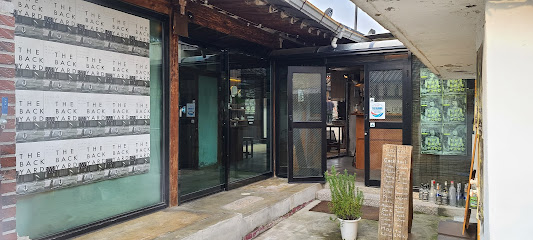
Oni
0.6 km
Discover the vibrant nightlife at Oni, a must-visit bar in Gyeongju, offering exquisite drinks and a lively atmosphere for all to enjoy.
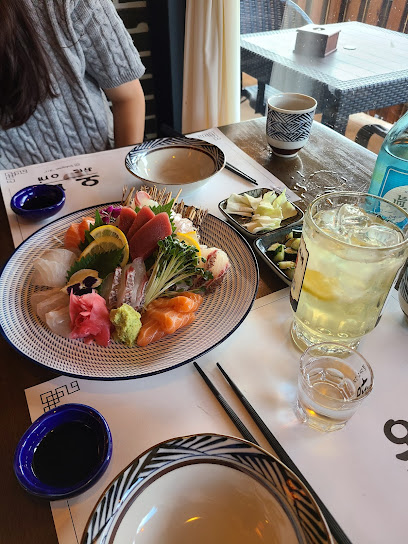
Yakkisim
0.6 km
Experience Gyeongju's nightlife at Yakkisim - a lively bar offering local drinks and a vibrant atmosphere for unforgettable evenings.
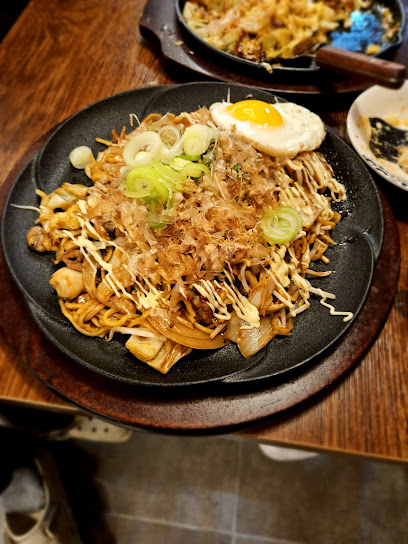
Bar분 (Bar Boon)
0.6 km
Experience the vibrant nightlife and unique Korean-inspired cocktails at Bar분, a local favorite in Gyeongju-si.
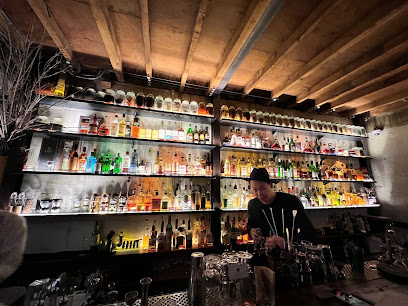
목로 (Mokro)
0.6 km
Discover Mokro: A lively bar in Gyeongju-si, where vibrant nightlife meets exquisite drinks and warm hospitality, perfect for unwinding after a day of exploration.
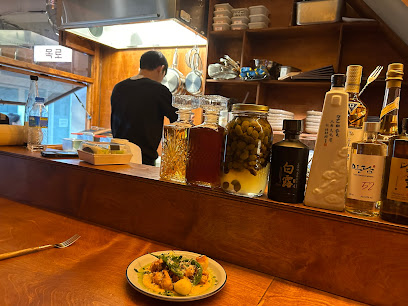
선데이경주
0.7 km
Discover the lively nightlife at 선데이경주, a vibrant bar in Gyeongju-si offering a perfect blend of local and international beverages.
Seogs
0.7 km
Discover Seogs, a charming cocktail bar in Gyeongju, offering unique Korean-inspired cocktails in a cozy atmosphere, perfect for tourists.
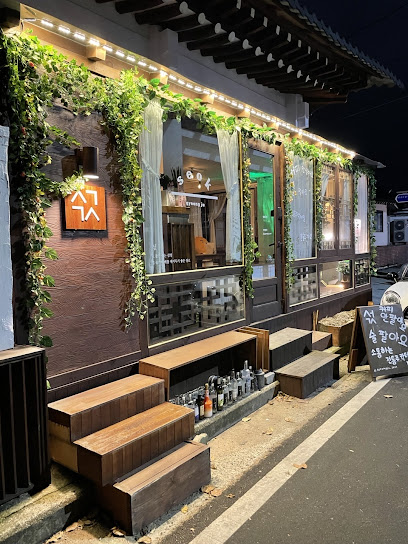
오아시스 경주
0.8 km
Experience the perfect blend of exquisite wines and cozy ambiance at Oasis Gyeongju, a must-visit wine bar in the heart of Korea's ancient city.
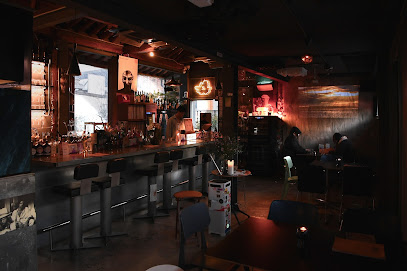
Yesterday, Below
0.8 km
Discover Gyeongju's nightlife at Yesterday, Below - a cozy pub offering local brews, lively entertainment, and a welcoming atmosphere.
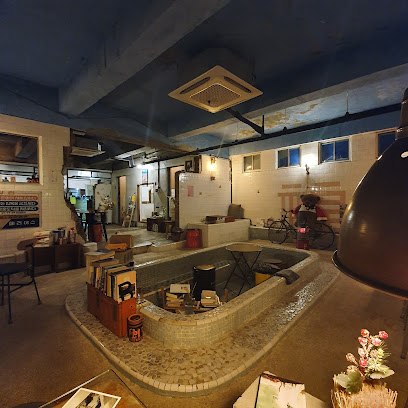
Lajibaeg
0.9 km
Discover the vibrant nightlife of Gyeongju at Lajibaeg, a lively bar offering a mix of local culture and modern drinks.
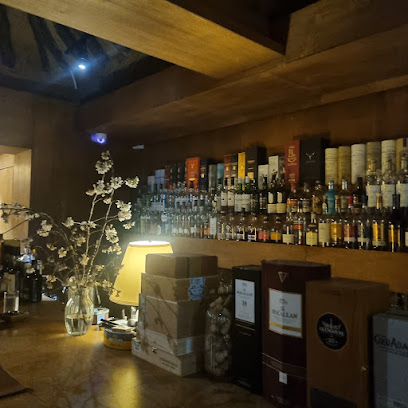
Le Jour J
0.9 km
Experience the elegance of French cuisine and fine wines at Le Jour J, Gyeongju's premier wine bar and restaurant.
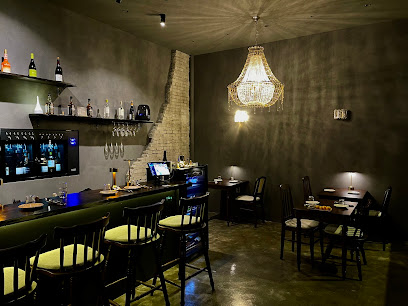
Bar Prep
1.0 km
Discover the best cocktails in Gyeongju at Bar Prep, where every drink is crafted to perfection against the backdrop of ancient tombs.
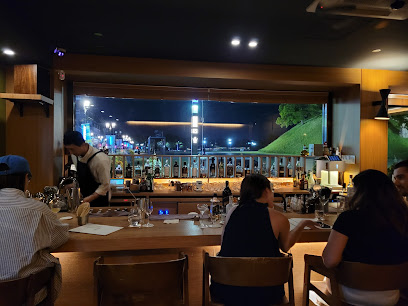
Sweet Moon
1.0 km
Experience the charm of Sweet Moon, Gyeongju's wine bar offering a curated selection of wines and a welcoming atmosphere.
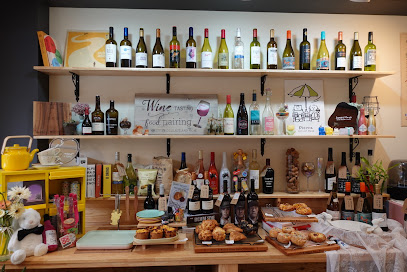
Stillroom
1.1 km
Discover the vibrant nightlife of Gyeongju at Stillroom, where great drinks and a welcoming atmosphere await.