

Santa Marina (Córdoba) Travel Guide - Free
Explore Santa Marina in Córdoba with Evendo's free guide. Find the best shops, historic streets, restaurants, and gems on web or mobile.


Santa Marina in Córdoba offers historic churches, flower-filled patios, quiet lanes, the Palacio de Viana and an authentic old-city atmosphere for curious travellers.
A Historic Northern Quarter
Santa Marina occupies a quietly distinctive part of Córdoba’s historic centre, north of the Mezquita-Catedral and east of the city’s main commercial streets. Its lanes lead through whitewashed houses, modest squares and shaded courtyards towards the Church of Santa Marina de Aguas Santas, one of the city’s celebrated Fernandine churches. These 13th-century churches were built after the Christian conquest and give the district much of its architectural character.Read more about Santa Marina
Courtyards, Squares and Everyday Córdoba
Stone, Shade and Local Life
Best attractions in Santa Marina
Santa Marina’s principal attractions are concentrated around its historic churches, patios and quietly detailed streets. The Church of Santa Marina de Aguas Santas is the essential starting point, with its characteristic Fernandine architecture and prominent position beside the neighbourhood’s small square. The Palacio de Viana offers a more elaborate experience, combining an aristocratic residence with a celebrated succession of patios and gardens that reveal Córdoba’s culture of outdoor domestic space. San Agustín, slightly towards the north-east, adds another important historic church and a more secluded setting. Visitors can also follow the streets around Plaza del Conde de Priego and Calle Marroquíes, where white façades, ironwork and courtyard entrances express the district’s residential character. The Torre de la Malmuerta is close to Santa Marina’s northern edge and can be incorporated into a broader walk, although it is better described as an edge-of-neighbourhood landmark than as being at its centre.
-
Roman Bridge of Córdoba
Explore the Roman Bridge of Córdoba - a stunning historical landmark that connects the past with breathtaking views of the Guadalquivir River.
-
Tourist attraction
Alcazar of the Christian Monarchs
Explore the Alcazar of the Christian Monarchs, a stunning fortress in Córdoba, rich with history and surrounded by beautiful gardens.
5 min drive · 1.7 km from neighbourhood centre
-
Tourist attraction
Mosque-Cathedral of Córdoba
Explore the stunning Mosque-Cathedral of Córdoba, a UNESCO World Heritage Site that beautifully blends Islamic and Christian architectural traditions.
18 min walk · 1.4 km from neighbourhood centre
-
Tourist attraction
Plaza de las Tendillas
Discover the lively Plaza de las Tendillas, a historical landmark in Córdoba, where culture, architecture, and local life converge in a vibrant atmosphere.
11 min walk · 0.9 km from neighbourhood centre


Best landmarks in Santa Marina
The Church of Santa Marina de Aguas Santas is Santa Marina’s principal architectural landmark and one of Córdoba’s Fernandine churches, its stone mass giving the surrounding area a clear historical focus. The Palacio de Viana is significant not only for its palace buildings but also for the sequence of patios and gardens that embody Córdoba’s long relationship with courtyard architecture. The Church of San Agustín contributes another layer of religious and urban history on the neighbourhood’s north-eastern side, where its setting feels more secluded than the main visitor routes. Plaza del Conde de Priego functions as an important local public space, while tiled façades, iron balconies and inward-facing courtyard houses form a less monumental but equally characteristic heritage landscape. The Torre de la Malmuerta stands nearby at the northern edge, a medieval gateway-tower landmark best understood in connection with the wider historic perimeter rather than as a building deep inside Santa Marina.
-
Historical landmark
Torre de la Malmuerta
Explore Torre de la Malmuerta, a historical landmark in Córdoba, Spain, showcasing stunning architecture and panoramic views of the city.
4 min walk · 0.3 km from neighbourhood centre
-
Catholic church
Royal Church of Santa Marina de Aguas Santas
Discover the architectural beauty and serene atmosphere of the Royal Church of Santa Marina de Aguas Santas in Córdoba, a must-visit Catholic church for every traveler.
2 min walk · 0.2 km from neighbourhood centre
-
Bar
Baños Árabes de Santa María
Discover the enchanting Baños Árabes de Santa María in Córdoba, where history, relaxation, and culinary delight come together in a unique experience.
16 min walk · 1.3 km from neighbourhood centre
-
Monument
Fuente de la Piedra Escrita
Explore the captivating Fuente de la Piedra Escrita in Córdoba, a historical monument that narrates tales of culture and artistic heritage.
3 min walk · 0.2 km from neighbourhood centre


Explore Santa Marina on the map
A handpicked selection of must-see spots in Santa Marina, mapped for you.
Best hotels in Santa Marina
Best restaurants in Santa Marina
Santa Marina’s dining scene is shaped more by traditional Córdoba cooking, small bars and neighbourhood restaurants than by a dense restaurant strip. Around the historic lanes and squares, menus commonly draw on Andalusian staples such as salmorejo, flamenquín, aubergine with honey, oxtail and seasonal tapas, while cafés provide useful pauses between church and patio visits. The area’s food culture is closely connected to the wider old town, so visitors will find the greatest choice by walking towards nearby central streets rather than expecting every lane to contain a venue. Patio courtyards and shaded terraces are particularly atmospheric when available, but many spaces are residential or culturally managed rather than places to dine. Local markets and specialist food shops in the broader centre can supplement restaurant meals with regional produce, olive oil, cured meats and sweets, although Santa Marina itself is valued more for its historic setting and traditional eating than for fashionable culinary experimentation.
-
Restaurant
Casa Pepe de La Judería
Discover the flavors of Andalusia at Casa Pepe de La Judería, where tradition meets culinary excellence in the heart of Córdoba.
18 min walk · 1.4 km from neighbourhood centre
-
Grill
Taberna Salinas
Experience authentic Andalusian flavors at Taberna Salinas - a top-rated grill restaurant in the heart of Córdoba.
10 min walk · 0.8 km from neighbourhood centre
-
Tavern
Taberna La Fábrica
Discover the heart of Córdoba's culinary scene at Taberna La Fábrica – where tradition meets flavor in every bite.
3 min walk · 0.2 km from neighbourhood centre
-
Tapas Bar
TU MOMENTO
Savor authentic tapas and local wines at TU MOMENTO, a top-rated bar in Córdoba's lively Centro district.
7 min walk · 0.6 km from neighbourhood centre


Best bars in Santa Marina
Santa Marina has a modest, locally oriented evening scene rather than a major concentration of nightclubs. Traditional bars and small restaurants provide places for tapas, conversation and late dinners, especially along streets connecting the neighbourhood with the wider historic centre. After dark, the quarter’s appeal is its quieter atmosphere: illuminated church façades, patio entrances and narrow lanes are experienced at a gentler pace than the busier nightlife areas around the central plazas. Cultural programming at historic buildings or during patio-related events can add evening interest, but dates and access vary. Visitors should remember that the district remains substantially residential, so loud gatherings outside venues are unwelcome. Those seeking clubs or a larger choice of late-night entertainment will generally need to continue towards other parts of central Córdoba rather than treating Santa Marina as a dedicated party district.
-
Bar
Gran Bar
Experience the vibrant nightlife of Córdoba at Gran Bar, a local favorite for tapas and drinks in the heart of the city.
11 min walk · 0.9 km from neighbourhood centre
-
Restaurant
BAR SANTA MARINA
Discover the essence of Cordoban cuisine at Bar Santa Marina, where authentic flavors meet a vibrant atmosphere in the heart of Córdoba.
2 min walk · 0.1 km from neighbourhood centre
-
Bistro
Taberna la Sacristía
Savor the essence of Córdoba at Taberna la Sacristía, a delightful bistro serving authentic Andalusian cuisine in a charming atmosphere.
1 min walk · 0.1 km from neighbourhood centre
-
Bar
Limbo
Experience the vibrant nightlife of Córdoba at Limbo, where unique cocktails and a lively atmosphere await every visitor.
5 min walk · 0.4 km from neighbourhood centre


Best nightclubs in Santa Marina
Santa Marina has a modest, locally oriented evening scene rather than a major concentration of nightclubs. Traditional bars and small restaurants provide places for tapas, conversation and late dinners, especially along streets connecting the neighbourhood with the wider historic centre. After dark, the quarter’s appeal is its quieter atmosphere: illuminated church façades, patio entrances and narrow lanes are experienced at a gentler pace than the busier nightlife areas around the central plazas. Cultural programming at historic buildings or during patio-related events can add evening interest, but dates and access vary. Visitors should remember that the district remains substantially residential, so loud gatherings outside venues are unwelcome. Those seeking clubs or a larger choice of late-night entertainment will generally need to continue towards other parts of central Córdoba rather than treating Santa Marina as a dedicated party district.
-
Disco club
Córdoba Long Rock
Experience the vibrant nightlife at Córdoba Long Rock, a disco club that blends music, drinks, and culture in the heart of Córdoba.
11 min walk · 0.9 km from neighbourhood centre
-
Disco club
Hangar Córdoba
Discover the heart of Córdoba's nightlife at Hangar Córdoba, where music, dance, and unforgettable memories await in a vibrant disco club atmosphere.
9 min walk · 0.7 km from neighbourhood centre
-
Disco club
Góngora Gran Café
Discover the pulsating energy of Góngora Gran Café, a prime disco club in Córdoba, perfect for tourists seeking an unforgettable nightlife experience.
11 min walk · 0.8 km from neighbourhood centre
-
Disco club
Bambú Club
Dance the night away at Bambú Club, Córdoba's premier disco club, where vibrant beats and a lively atmosphere await you.
10 min walk · 0.8 km from neighbourhood centre



Best shops in Santa Marina
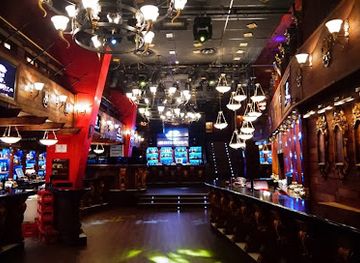
Shopping in Santa Marina is small-scale and woven into the residential fabric rather than concentrated in a single retail avenue. Visitors may find independent food shops, cafés, traditional businesses and occasional craft-oriented outlets in and around the historic lanes, while the surrounding centre offers a broader selection of Córdoba ceramics, leather goods, olive-oil products, flamenco accessories and Andalusian food specialities. The most distinctive ‘shopping’ experience is often architectural: looking into authorised patios, noticing handmade tiles, ironwork and plant displays, and understanding how domestic courtyards shape the neighbourhood’s visual identity. Seasonal patio events may include local craft or cultural sales, but arrangements vary. For larger retail choice, the central commercial streets are nearby, although they have a more modern character than Santa Marina’s independent, heritage-focused surroundings.
-
Jewelry store
ARAGON CARMONA
Explore Aragon Carmona, a premier jewelry store in Córdoba, offering exquisite designs and exceptional craftsmanship for the discerning traveler.
3 min walk · 0.3 km from neighbourhood centre
-
Gift shop
Al Maysar
Explore Al Maysar in Córdoba for unique souvenirs and traditional crafts that beautifully reflect the city's rich cultural heritage.
14 min walk · 1.1 km from neighbourhood centre
-
Jewelry store
Cristi
Explore Cristi, Córdoba's exquisite jewelry store offering handcrafted pieces that blend artistry and local heritage for a memorable shopping experience.
1 min walk · 0.1 km from neighbourhood centre
-
Gift shop
Viste Arte
Discover unique gifts that embody the spirit of Córdoba at Viste Arte, a local gem in the heart of the city.
7 min walk · 0.6 km from neighbourhood centre


Santa Marina essentials
Getting There
Getting Around
Safety
Emergency Situations
Do's and Don'ts
Local Tips

From Eve
Local phrases worth knowing
You don't need to get them perfect. A few words go a long way, and locals appreciate the effort.
Basics
| English | Local | Say it |
|---|---|---|
| Hello | Hola | [oh-la] |
| Goodbye | Adiós | [ah-dee-ohs] |
| Yes | Sí | [see] |
| No | No | [no] |
| Please/You're welcome | Por favor/De nada | [por fah-vor/deh nah-dah] |
| Thank you | Gracias | [grah-thyas] |
| Excuse me/Sorry | Perdón/Lo siento | [pehr-dohn/loh syehn-toh] |
| How are you? | ¿Cómo estás? | [koh-moh ehs-tahs] |
| Fine. And you? | Bien. ¿Y tú? | [byen. ee too] |
| Do you speak English? | ¿Hablas inglés? | [ah-blahs een-glehs] |
| I don't understand | No entiendo | [noh ehn-tyehn-doh] |
Eating & Drinking
| English | Local | Say it |
|---|---|---|
| I'd like to see the menu, please | Me gustaría ver el menú, por favor | [meh goos-tah-ree-ah behr ehl meh-noo, por fah-vor] |
| I don't eat meat | No como carne | [noh koh-moh kahr-neh] |
| Cheers! | ¡Salud! | [sah-lood] |
| I would like to pay, please | Me gustaría pagar, por favor | [meh goos-tah-ree-ah pah-gahr, por fah-vor] |
Emergencies
| English | Local | Say it |
|---|---|---|
| Help! | ¡Ayuda! | [ah-yoo-dah] |
| Go away! | ¡Vete! | [veh-teh] |
| Call the Police! | ¡Llama a la policía! | [yah-mah ah lah poh-lee-thee-ah] |
| Call a doctor! | ¡Llama a un médico! | [yah-mah ah oon meh-dee-koh] |
| I'm lost | Estoy perdido/a | [ehs-toy pehr-dee-doh/dah] |
| I'm ill | Estoy enfermo/a | [ehs-toy ehn-fehr-moh/dah] |
Shopping
| English | Local | Say it |
|---|---|---|
| I'd like to buy... | Me gustaría comprar... | [meh goos-tah-ree-ah kohm-prahr] |
| I'm just looking | Solo estoy mirando | [soh-loh ehs-toy meer-ahn-doh] |
| How much is it? | ¿Cuánto cuesta? | [kwan-toh kwes-tah] |
| That's too expensive | Esto es demasiado caro | [ehs-toh ehs deh-mah-syah-doh kah-roh] |
| Can you lower the price? | ¿Puede bajar el precio? | [pweh-deh bah-hahr ehl pree-thyo] |
Time & Numbers
| English | Local | Say it |
|---|---|---|
| What time is it? | ¿Qué hora es? | [keh oh-rah ehs] |
| It's one o'clock | Es la una en punto | [ehs lah oo-nah ehn poon-toh] |
| Half past (10) | Las diez y media | [lahs dyehs ee meh-dee-ah] |
| Morning | Mañana | [mah-nyah-nah] |
| Afternoon | Tarde | [tahr-deh] |
| Evening | Noche | [noh-cheh] |
| Yesterday | Ayer | [ah-yehr] |
| Today | Hoy | [oy] |
| Tomorrow | Mañana | [mah-nyah-nah] |
| 1 | Uno | [oo-noh] |
| 2 | Dos | [dohs] |
| 3 | Tres | [trehs] |
| 4 | Cuatro | [kwah-troh] |
| 5 | Cinco | [theen-koh] |
| 6 | Seis | [sehs] |
| 7 | Siete | [syeh-teh] |
| 8 | Ocho | [oh-choh] |
| 9 | Nueve | [nweh-veh] |
| 10 | Diez | [dyehs] |
Transport & Directions
| English | Local | Say it |
|---|---|---|
| Where's a/the...? | ¿Dónde está...? | [don-deh ehs-tah] |
| What's the address? | ¿Cuál es la dirección? | [kwal ehs lah dee-rehk-syon] |
| Can you show me (on the map)? | ¿Puedes enseñarme (en el mapa)? | [pweh-dehs ehn-seh-nyar-meh (ehn ehl mah-pah)] |
| When's the next (bus)? | ¿Cuándo es el próximo (autobús)? | [kwan-doh ehs ehl proh-ksy-moh (ow-toh-boos)] |
| A ticket (to ....) | Un billete (a ....) | [oon bee-yeh-teh (ah)] |
History of Santa Marina
From Suburb to Fernandine Parish
The area now understood as Santa Marina developed on the northern side of Córdoba’s medieval city, beyond the densest core of the former Islamic medina. After Córdoba was taken by Ferdinand III of Castile in 1236, new Christian parishes were established and a group of churches was built during the 13th and early 14th centuries. Santa Marina de Aguas Santas became one of these Fernandine foundations. Its church, with a sober stone exterior and later alterations, remains the defining historical building of the quarter and a reminder of the reorganisation of the city after the conquest.
Parishes, Convents and Craft Streets
During the late medieval and early modern periods, Santa Marina was shaped by parish life, religious foundations, domestic workshops and small-scale commerce. The district’s houses were arranged around inward-looking courtyards, an architectural response to Córdoba’s hot summers that continued older local building habits. Nearby churches such as San Agustín reinforced the area’s ecclesiastical importance, while narrow streets and modest plazas connected residents to the wider historic centre. The neighbourhood remained less monumental than the cathedral precinct but preserved a strong fabric of family homes, patios and parish institutions.
The Viana House and Its Courtyards
One of Santa Marina’s most important later developments was the growth of the aristocratic house associated with the Palacio de Viana, whose origins reach back to a 15th-century residence and whose buildings and gardens expanded over successive centuries. The palace became known for its patios, gardens and collections, preserving an elite version of Córdoba’s courtyard tradition within the neighbourhood. Its relationship with the surrounding ordinary houses is significant: together they show how patios operated both as grand landscaped spaces and as practical communal centres in the city’s domestic architecture.
Conservation and the Patio Tradition
Modern Córdoba brought traffic, depopulation from parts of the old centre and later renewed interest in historic neighbourhoods such as Santa Marina. Preservation efforts helped protect churches, courtyards and traditional façades, while the Festival de los Patios, established in the early 20th century and recognised by UNESCO as Intangible Cultural Heritage in 2012, gave international attention to the city’s patio culture. Santa Marina remains a residential quarter rather than an open-air museum: restoration, tourism and everyday life coexist in a compact area where historic architecture is still woven into ordinary streets.
Santa Marina in Photos
Browse through our photo collection highlighting the charm and character of the destination.
Neighbourhoods near Santa Marina
The closest neighbourhoods to Santa Marina, if you have time for more than one stop.
-

-

-

-


Swipe for more neighbourhoods
Explore more

Explore more of Córdoba
Córdoba, Spain, pairs the Mezquita-Cathedral and Roman Bridge with flower-filled patios, Andalusian cuisine, historic streets and cultural experiences.
Explore Córdoba