Casa de Campo Lake, Madrid Travel Guide
Free Guide: Urban lake in Madrid's Casa de Campo park blends boating, birdwatching and skyline gazes across historic royal grounds turned public retreat.


A brief summary of Casa de Campo Lake
Urban lake in Madrid's Casa de Campo park blends boating, birdwatching and skyline gazes across historic royal grounds turned public retreat.
Madrid's expansive urban lake within Casa de Campo park offers serene waterside paths, boating adventures, and panoramic city views. This verdant retreat draws locals and visitors for picnics, jogs, and wildlife spotting amid 17th-century royal hunting grounds transformed into a public haven.
On-site amenities
 Restrooms
 Drink options
 Food options
 Seating areas
 Picnic areas
 Trash bins
 Information boards
- Address
- Moncloa - Aravaca, 28011 Madrid
Getting there
Metro
Bus
Cable Car
Bicycle
Discover more about Casa de Campo Lake
Historical Origins
Casa de Campo Lake anchors the vast Casa de Campo, Madrid's largest green space spanning over 1,700 hectares on the city's western edge. Created in the 18th century under King Ferdinand VI, the lake resulted from damming the Manzanares River to supply water and enhance the royal hunting estate's landscape. Originally a private playground for Spanish royalty, it featured stocked waters for fishing and boating, surrounded by dense forests teeming with game. By the 20th century, the area opened to the public, evolving into a multifaceted park while preserving the lake as its shimmering centerpiece.
Natural Features and Surroundings
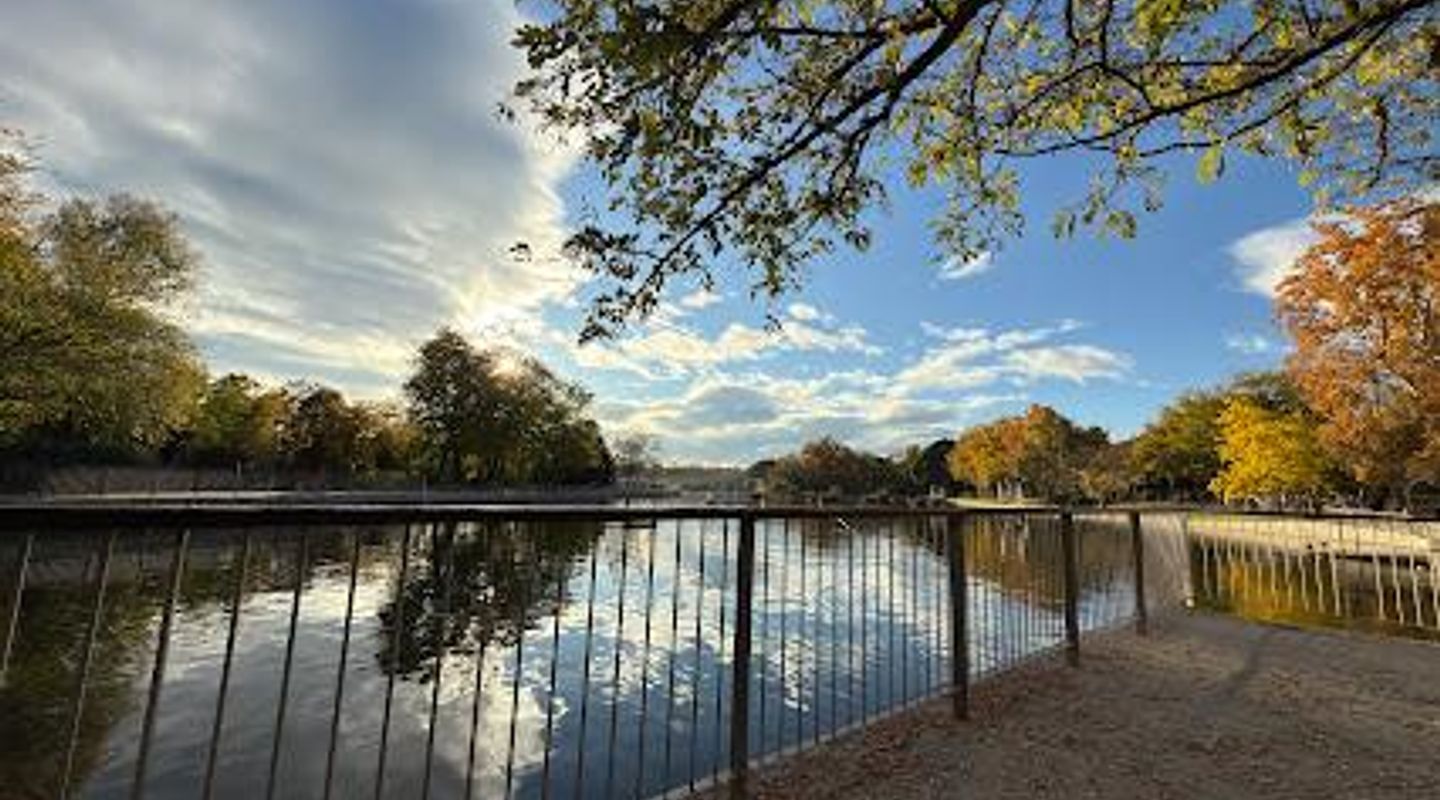
The lake stretches approximately 1.5 kilometers, its calm surface reflecting mature pines, oaks, and poplars that cloak the hillsides. Fringed by gravel paths and grassy banks, it supports diverse birdlife including herons, ducks, and kingfishers, making it a prime spot for nature enthusiasts. Rowing boats and pedalos glide across the water, while anglers cast lines from shaded shores. Elevated viewpoints offer sweeping vistas merging the lake with Madrid's skyline, including the distant Palacio Real and distant mountains on clear days.
Recreational Pursuits
Visitors flock here for low-key waterside leisure. Rentable rowboats provide gentle paddling amid lily pads, ideal for couples or families seeking tranquility. Cyclists and runners trace the perimeter trails, weaving through picnic groves where locals spread blankets with jamón and tortilla. The adjacent cable car station connects to the park's zoo and amusement park, adding layers of exploration. Sunset transforms the scene into a golden tableau, with joggers silhouetted against the glowing water.
Ecological Role
As an urban oasis, the lake regulates local microclimates and filters city runoff through its wetlands. It hosts seasonal blooms of water lilies and reeds that shelter fish populations, sustaining a balanced aquatic ecosystem. Park authorities maintain paths and viewing platforms to minimize erosion, ensuring the site's longevity. This blend of managed nature and wild edges creates a resilient habitat amid Madrid's concrete sprawl.
Cultural Significance
Embedded in Madrid's fabric, the lake mirrors the city's shift from absolutist monarchy to democratic openness. Festivals occasionally feature lakeside fireworks, echoing royal pageantry. Artists have long captured its reflective beauty in paintings and photos, while writers evoke its peaceful respite from urban hustle. Today, it embodies accessible grandeur, where everyday Madrileños recharge amid historical echoes.
Visitor Expectations
Expect a laid-back vibe with ample space to unwind. Paths accommodate strollers and bikes, though uneven terrain demands sturdy shoes. Wildlife sightings reward patient observers, and the open layout invites impromptu gatherings. As part of broader Casa de Campo, it pairs seamlessly with zoo visits or hilltop hikes, offering layered discoveries over repeated trips.
Evendo Review Centre
 Google
Guest reviews
Best time to go
Quietest: Jan, Feb & Mar · before 8am or from 10pm
Busy times are Evendo estimates for a typical year, to help you plan. Actual crowds vary with events, school holidays and the weather.
Explore Casa de Campo Lake on the map
A handpicked selection of must-see spots near Casa de Campo Lake, mapped for you.
Get your free copy of our complete guide to Casa de Campo Lake, delivered straight to you.
Everything on this page, from opening hours and how to get there to Eve’s tips and the best time to go, in one PDF you can read offline, print or share.
Already have an account? Sign in
Your Casa de Campo Lake guide is ready.
We'll send it to · Not you? Sign out

Getting your guide ready…
We are putting together a fresh copy of the Casa de Campo Lake guide. This can take up to a minute.
This can take a few moments. If your browser asks, choose Allow so the download can start. You'll find the guide in your Downloads folder.
Nothing happened? Download it again
Sorry, the guide is taking longer than usual. Please try again in a minute, or get it by email instead.
Unlock the best of Casa de Campo Lake
Skip-the-line tickets, guided tours with entry, and walking tours of the area, booked in a few clicks.


Other nearby places you may find interesting
The closest places of the same kind, if this one is not quite what you had in mind.
-
-
-
-
-


Swipe for more places
More to explore near Casa de Campo Lake

 Best experiences near Casa de Campo Lake
 Best hotels near Casa de Campo Lake
 Best landmarks near Casa de Campo Lake
 Best attractions near Casa de Campo Lake
 Best shops near Casa de Campo Lake
 Best restaurants near Casa de Campo Lake
 Best bars near Casa de Campo Lake
Do you manage this location?
Take control to get all the benefits, like improved information, better appearance, and stronger visibility across AI-powered discovery.
Explore more

Explore more of Madrid
Discover Madrid: A city of art, culture, and culinary delights, where history and modern vibrancy meet in the heart of Spain.
Explore Madrid
Explore more of Spain
Discover Spain: A vibrant tapestry of culture, history, and breathtaking landscapes, where every city offers a unique adventure and unforgettable experiences.
Explore Spain