
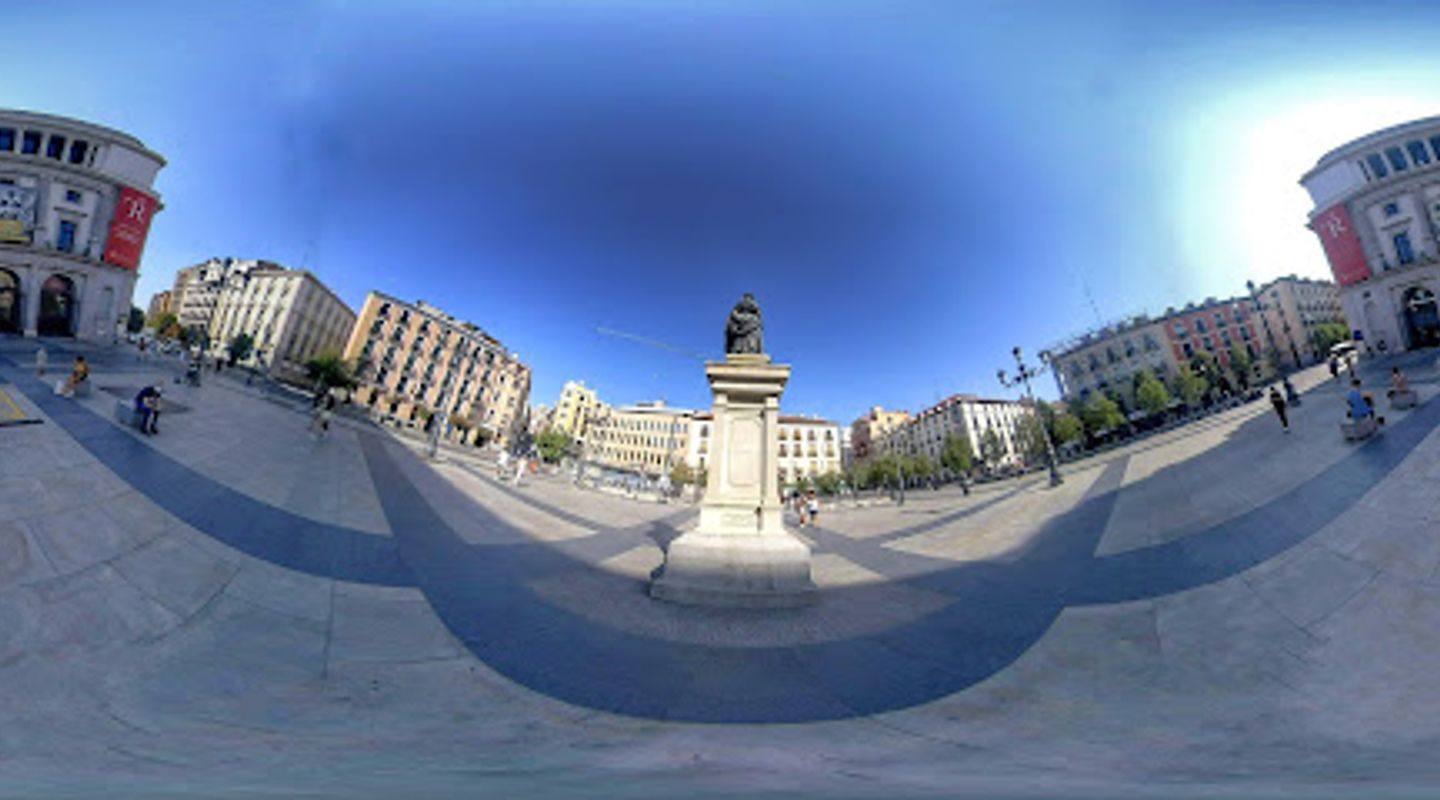
Museo de los Caños del Peral, Madrid Travel Guide
Descend to where Roman waters carved Madrid's origins: underground aqueduct channels from 1st century AD meet modern metro in the city's deepest historical vault.
Beneath Plaza de Isabel II lies Madrid's largest underground museum, unveiling the ancient Roman aqueduct that supplied the city for centuries. Explore stone-carved channels, engineering marvels from the 1st century AD, preserved amid modern metro lines. A compact yet captivating dive into the capital's layered history, perfect for history enthusiasts seeking offbeat subterranean wonders in the city center.
A brief summary to Museo de los Caños del Peral
- Metro Ópera, Pl. de Isabel II, 8, Madrid, Centro, Madrid, 28013, ES
- Click to display
- Budget
-
 Indoor
- Mobile reception: 4 out of 5
- Friday 4 pm-8 pm
- Saturday 10 am-2 pm
- Sunday 10 am-2 pm

Know before you go
Hi, I'm Eve. Here are a few practical things to know before exploring Museo de los Caños del Peral.
- Combine with a visit to nearby Teatro Real for a full day of cultural immersion, as the museum entrance sits right at Plaza de Isabel II.
- Wear comfortable shoes for descending stairs to the underground levels; the space involves some steps but no steep climbs.
- Visit on quieter weekend mornings to enjoy the exhibits without tour groups, enhancing the intimate subterranean feel.
- Look for the subtle water flow simulations in the exhibits to grasp how gravity powered the ancient system across kilometers.
Do you manage this location?
Take control to get all the benefits, like improved information, better appearance, and stronger visibility across AI-powered discovery. Learn more about listing your business on Evendo
Activate your presenceOther nearby places you may find interesting
The closest places of the same kind, if this one is not quite what you had in mind.
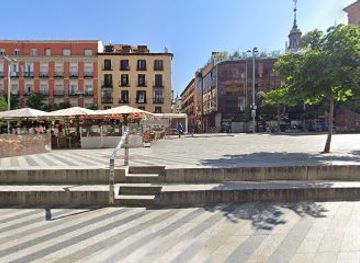
Explore Museo de los Caños del Peral on the Map
A handpicked selection of must-see spots near Museo de los Caños del Peral, mapped for you.
Getting There
-
Metro
Take Metro lines 2, 5 or 51 to Ópera station (2-min walk to entrance); €1.50-2 single ticket, 10-15 min from Sol or Callao.
-
Walking
From Puerta del Sol, walk west 10-12 min via Calle Mayor; free, straightforward through pedestrian zones.
-
Bus
Bus lines 1, 2 or 46 to Plaza de Isabel II stop (direct); €1.50 ticket, 5-10 min from central points like Gran Vía.
For the on-the-go comforts that matter to you
-
 Restrooms
-
 Seating Areas
-
 Information Boards
Discover more about Museo de los Caños del Peral
Discovering Madrid's Subterranean Origins
Tucked beneath the bustling Plaza de Isabel II, the Museo de los Caños del Peral offers a rare glimpse into Madrid's pre-Romanesque foundations. This underground space reveals the remnants of a 1st-century Roman aqueduct that channeled fresh water from the Fuencarral hills across 14 kilometers to supply the ancient settlement of Mantua Carpetana. Discovered during metro construction in the 2000s, these archaeological treasures were meticulously preserved, transforming a construction site into a public museum that bridges Madrid's imperial past with its contemporary pulse.Engineering Feats of the Roman Era
The museum's core attraction is the aqueduct itself: precisely hewn stone conduits, some over two meters high, demonstrate Roman hydraulic mastery. Visitors descend to view the channels where water once flowed by gravity, fed by natural springs known as 'caños.' Interactive displays and subtle lighting highlight construction techniques, including the use of volcanic tuff and careful gradient calculations to maintain flow without pumps. Adjacent rooms showcase excavated artifacts—pottery shards, tools, and structural elements—that contextualize the site's role in sustaining early Iberian life.A Layered Historical Tapestry
Beyond Roman engineering, the museum narrates centuries of evolution. Medieval Islamic influences appear in later modifications to the water system, while 18th-century Bourbon-era tunnels intersect the older structures, reflecting Madrid's growth as Spain's capital. The site's proximity to the Royal Opera House and Teatro Real adds irony: above ground, grand performances unfold, while below, silent waters once whispered through the earth. This juxtaposition underscores Madrid's habit of building atop its history, with the museum serving as a deliberate pause for reflection.Atmosphere and Visitor Experience
The vibe is intimate and contemplative, with cool, dimly lit galleries fostering a sense of discovery. Narrow passageways and echoing chambers evoke exploration, yet safety railings and clear pathways ensure accessibility. Multimedia exhibits bring the aqueduct to life through subtle soundscapes of dripping water and narrated timelines, avoiding overcrowding to preserve the serene mood. It's an ideal respite from central Madrid's vibrancy, rewarding those who appreciate quiet revelations over spectacle.Significance in Madrid's Urban Narrative
As Madrid's premier underground archaeological site, the museum challenges the city's surface-level Baroque and neoclassical image. It reveals how vital water infrastructure shaped settlement patterns, influencing everything from market locations to royal palaces nearby. For travelers, it enriches understanding of Madrid not as a sudden Renaissance invention but as a continuum from Roman times, making subsequent visits to landmarks like the Almudena Cathedral or Puerta del Sol more resonant with this foundational layer.More to explore near Museo de los Caños del Peral













Your all‑in‑one travel companion app
Explore expert travel guides, compare and book tours, experiences, hotels, and more—all from the palm of your hand. Download now for seamless trip planning wherever your wanderlust takes you.


Explore More of Madrid
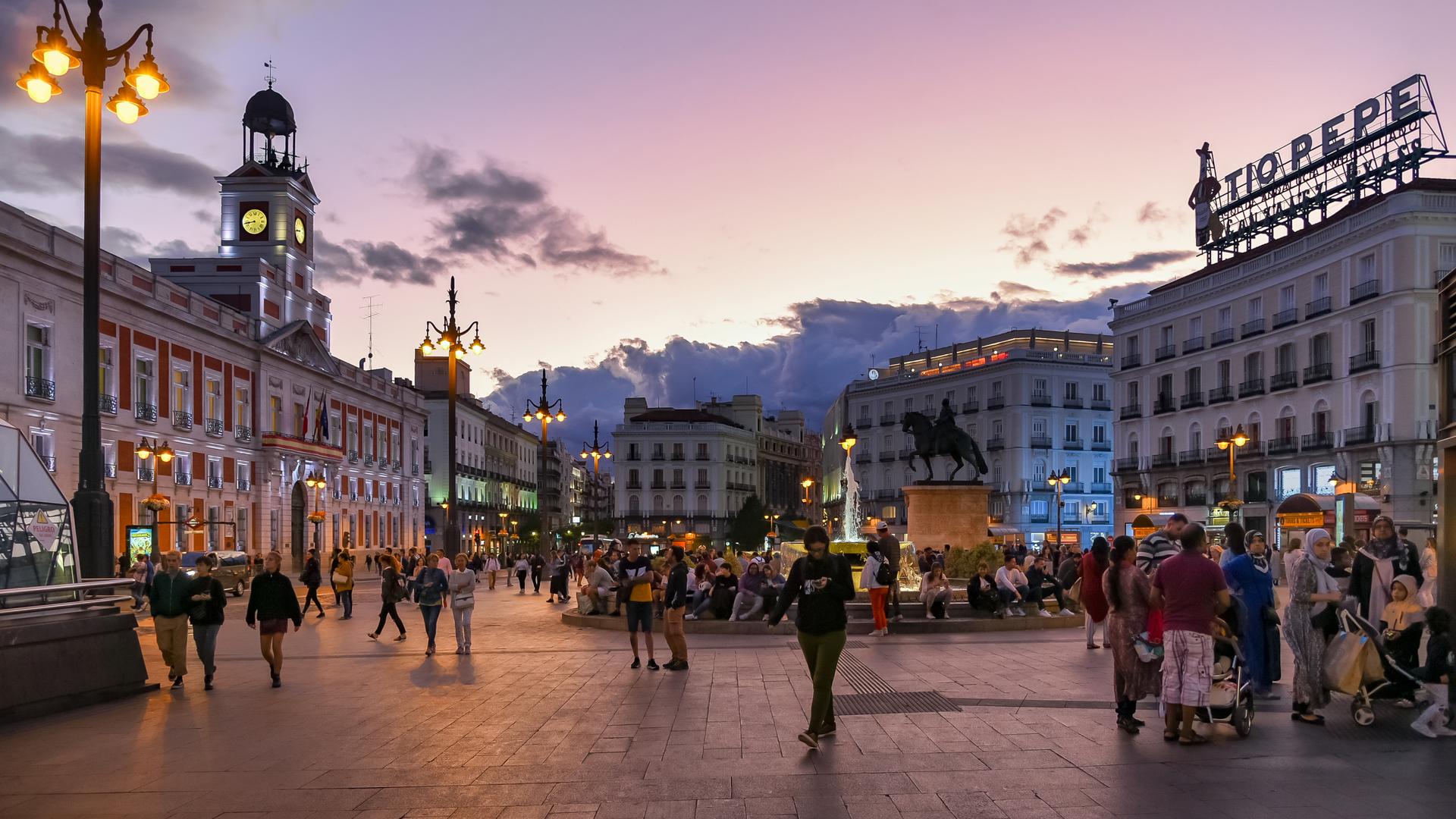
Looking beyond Museo de los Caños del Peral? Discover Madrid for broader travel guides, local hot-spots, and regional highlights.
Explore Madrid