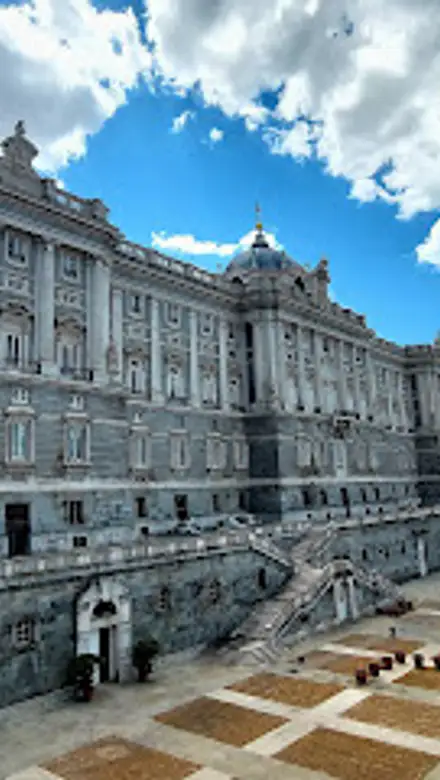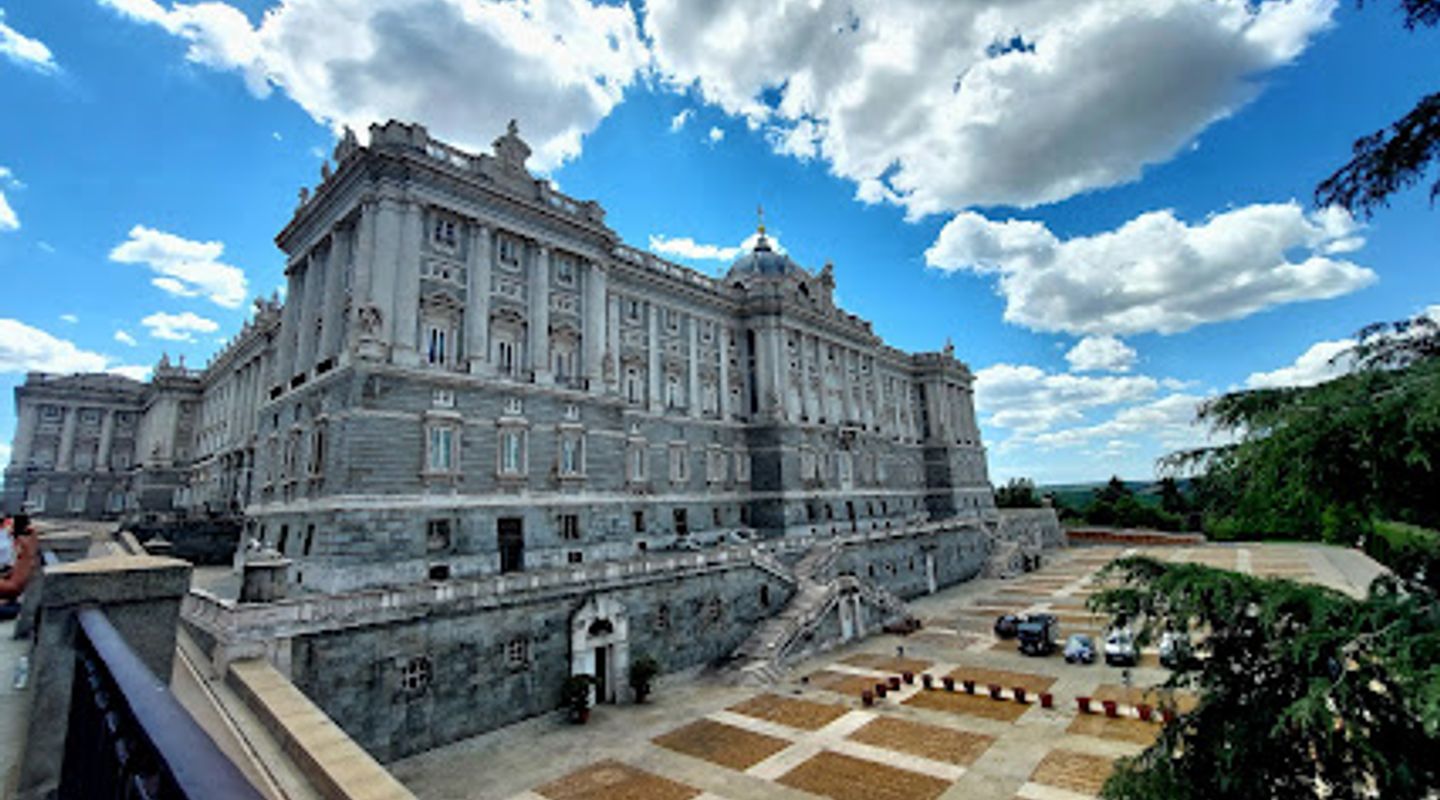
Historical Walls, Madrid Travel Guide
Medieval fortifications that shaped Madrid's origins and reveal nine centuries of the Spanish capital's layered past
Standing at Calle de Bailén in Madrid's Centro district, these ancient fortification walls represent the medieval origins of the Spanish capital. Built during the 9th century as part of Madrid's defensive perimeter, the walls showcase the architectural heritage of the city's Islamic past and early Christian period. Today, visitors can trace the remnants of these historic structures that once protected the settlement, offering a tangible connection to Madrid's layered history.
A brief summary to Historical Walls
- C. de Bailén, 2, Madrid, Centro, Madrid, 28013, ES
- Free
-
 Outdoor
- Mobile reception: 4 out of 5

Know before you go
Hi, I'm Eve. Here are a few practical things to know before exploring Historical Walls.
- Visit early morning or late afternoon for better lighting and fewer crowds. The walls are most photogenic when sunlight creates shadows that highlight the stonework texture and age.
- Combine your visit with nearby attractions in Centro district including the Royal Palace and Cathedral of Santa María la Real de la Almudena, which are within walking distance.
- Bring a guidebook or use a historical app to understand the wall's original extent and layout. The remaining sections are fragmentary, and context enhances the experience significantly.
- Wear comfortable walking shoes as the surrounding area involves uneven terrain and cobblestone streets typical of historic Madrid neighborhoods.
Do you manage this location?
Take control to get all the benefits, like improved information, better appearance, and stronger visibility across AI-powered discovery. Learn more about listing your business on Evendo
Activate your presenceOther nearby places you may find interesting
The closest places of the same kind, if this one is not quite what you had in mind.

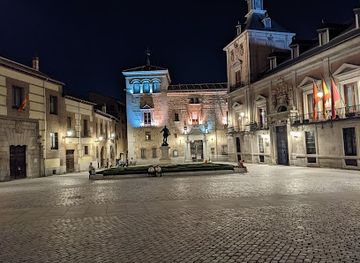
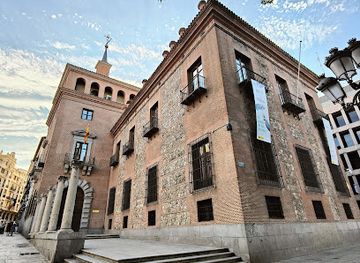
Explore Historical Walls on the Map
A handpicked selection of must-see spots near Historical Walls, mapped for you.
Getting There
-
Metro + Walking
Take Metro Line 5 from central Chueca toward Callao, then transfer to Line 2 toward Cuatro Caminos. Exit at Opera station (approximately 12 minutes total). Walk northwest along Calle de Bailén for 5 minutes to reach the Historical Walls. Cost: approximately 2.60 EUR for a single journey.
-
Walking
From Chueca, walk northwest through the historic streets toward Plaza Mayor and continue to Calle de Bailén. The journey takes approximately 20-25 minutes on foot and covers roughly 1.5 kilometers through Madrid's Centro district. This route passes through charming neighborhoods and provides context for the city's layout.
-
Bus
Take bus line 3 or 148 from nearby stops in Chueca heading toward the Opera/Bailén area. Journey time is approximately 10-15 minutes depending on traffic. Exit at stops near Calle de Bailén. Cost: approximately 1.50 EUR per journey.
For the on-the-go comforts that matter to you
-
 Trash Bins
-
 Information Boards
Discover more about Historical Walls
Medieval Foundations of Madrid
The Historical Walls of Madrid represent one of the most significant archaeological remnants of the city's medieval period. Constructed during the 9th century under Islamic rule, these fortifications originally encircled the settlement of Mayrit, the precursor to modern Madrid. The walls were built using stone and brick, employing construction techniques typical of the period, and served as the primary defensive barrier against external threats during the medieval era.Architectural Significance
Located at Calle de Bailén in the Centro district, the surviving sections of these walls demonstrate the engineering capabilities of medieval builders. The fortifications featured multiple towers and gates strategically positioned to control access to the settlement. The construction style reflects the cultural influences of the period, blending Islamic architectural traditions with elements that would later characterize Christian fortifications following the Reconquista. The walls extended approximately 1.5 kilometers around the original settlement, though only fragments remain visible today.Historical Context and Evolution
During the 11th and 12th centuries, as Christian forces gradually expanded their control over the Iberian Peninsula, Madrid's walls underwent modifications and reinforcements. The fortifications played a crucial role in the city's defense during various conflicts and sieges. As Madrid grew beyond its original boundaries and the threat of external invasion diminished, the walls gradually lost their military importance. Over subsequent centuries, sections were dismantled, repurposed, or incorporated into new structures as the city expanded and modernized.Archaeological and Cultural Value
The remaining walls serve as an open-air museum of medieval urban planning and military architecture. They provide archaeologists and historians with valuable insights into how medieval settlements were organized and defended. The site offers visitors a rare opportunity to walk alongside structures that have witnessed nearly a millennium of Madrid's transformation from a small fortified settlement to a major European capital. The walls stand as silent witnesses to the city's evolution through various historical periods and cultural transitions.Visitor Experience
The Historical Walls are accessible to the public and can be explored at leisure. The location provides context for understanding Madrid's geographical and historical development. Visitors can observe the construction techniques, examine the remaining stonework, and contemplate the strategic importance these fortifications once held. The site is particularly valuable for those interested in medieval history, urban archaeology, and the Islamic heritage of Spain.












Your all‑in‑one travel companion app
Explore expert travel guides, compare and book tours, experiences, hotels, and more—all from the palm of your hand. Download now for seamless trip planning wherever your wanderlust takes you.


Explore More of Madrid
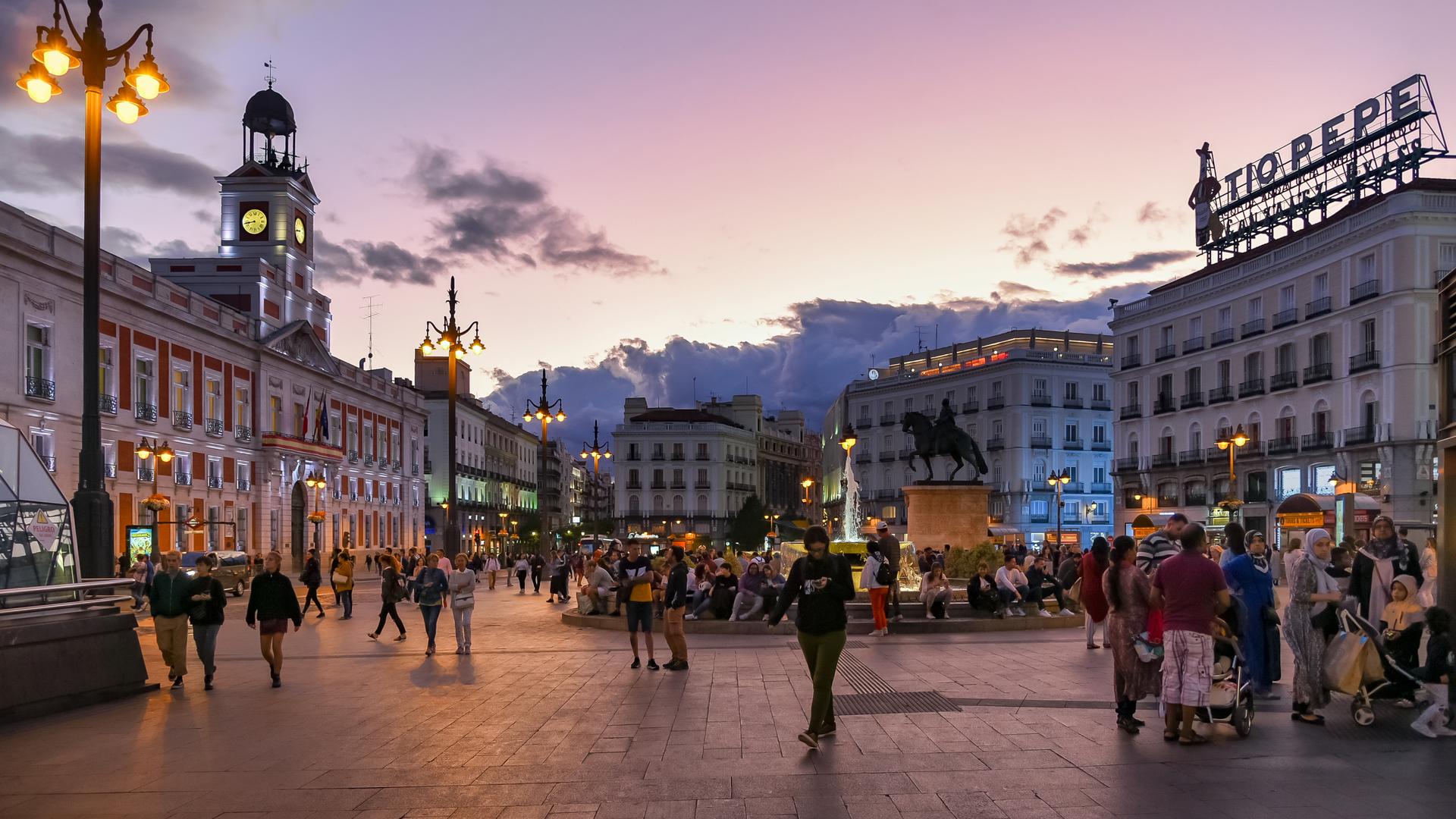
Looking beyond Historical Walls? Discover Madrid for broader travel guides, local hot-spots, and regional highlights.
Explore Madrid
Neoclassical powerhouse anchoring Madrid's political core, where granite columns and sculpted pediments chronicle Spain's parliamentary saga amid Centro's historic pulse.
Explore the serene beauty of Jardines del Cabo Noval, a lush garden oasis in the heart of Madrid, perfect for relaxation and leisure.