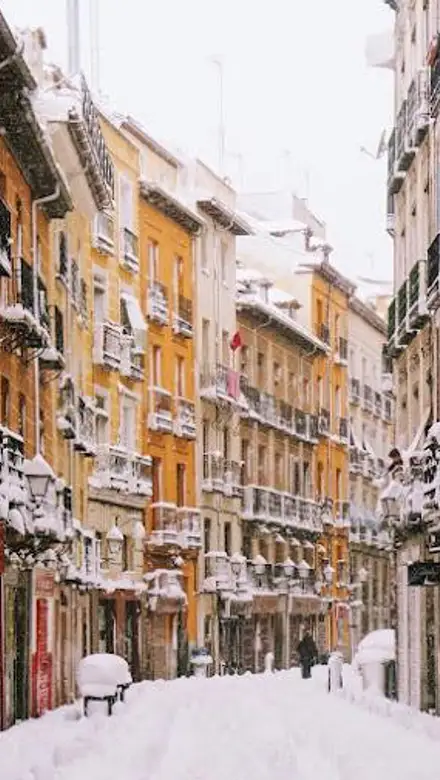
Barrio de La Latina, Madrid Travel Guide
Free Guide: Cobblestone alleys packed with tapas dens, Renaissance plazas, and El Rastro's Sunday frenzy make La Latina Madrid's rawest slice of history-meets-hedonism.


A brief summary of Barrio de La Latina
Cobblestone alleys packed with tapas dens, Renaissance plazas, and El Rastro's Sunday frenzy make La Latina Madrid's rawest slice of history-meets-hedonism.
Wander the cobblestone lanes of Barrio de La Latina, Madrid's vibrant historic quarter where tapas bars spill onto plazas, ancient churches stand sentinel, and Sunday flea markets buzz with antique finds. This lively enclave blends medieval charm with raucous nightlife, drawing locals and travelers into its infectious rhythm of laughter, clinking glasses, and sizzling chorizo.
On-site amenities
 Restrooms
 Drink options
 Food options
 Seating areas
 Trash bins
 Information boards
- Address
- Centro, 28005 Madrid
Getting there
Metro
Walking
Bus
Taxi
Discover more about Barrio de La Latina
Historic Roots and Architectural Gems
Barrio de La Latina traces its origins to the 14th century, emerging as a key settlement during the reign of Alfonso XI. Named after Beatriz Galindo, known as La Latina, a scholar and confidante of Queen Isabella the Catholic, the neighborhood retains its medieval layout with narrow, winding streets designed for defense. The standout landmark is the Iglesia de San Andrés, a 17th-century Baroque church built atop a 13th-century Mudejar structure, featuring a striking dome and intricate altarpieces that reflect Madrid's layered religious history. Nearby, the 16th-century Ermita de la Virgen de la Latina anchors the Plaza de la Paja, Madrid's oldest square, where stone arcades and timbered houses evoke Castilian village life amid the capital's bustle.
Vibrant Plazas and Social Hubs
Plaza de la Cebada serves as the neighborhood's pulsing core, hosting a weekly market and surrounded by tapas taverns that ignite after dark. Cava Baja street, lined with 17th-century palacios now housing gourmet spots, exemplifies the area's evolution from aristocratic enclave to culinary hotspot. The vibe shifts seamlessly from daytime tranquility—explorers tracing Renaissance facades—to evening frenzy, when crowds converge for vermouth and gambas al ajillo. This duality defines La Latina: a place where history whispers through sunlit alleys and erupts in nocturnal revelry.
Markets, Flea Finds, and Cultural Layers
Every Sunday, El Rastro flea market unfurls from La Latina into adjacent streets, transforming the barrio into a treasure trove of vintage clothing, vinyl records, and quirky souvenirs bartered under the open sky. Originating in the 19th century as a rag-and-bone affair, it now attracts over 100,000 visitors weekly, blending commerce with street performers and pickpocket vigilance. Beyond commerce, the area preserves archaeological remnants like the excavated Corral de los Reyes, a 16th-century theater site, offering glimpses into Madrid's Golden Age theatrical traditions.
Nightlife and Culinary Soul
La Latina reigns as Madrid's tapas epicenter, with over 100 bars concentrated in a few blocks, specializing in oreja a la plancha and callos. The hopping from bar to bar—known as la ruta de los bares—fosters communal feasting, where plates arrive gratis with drinks, encouraging lingering conversations. This tradition roots in working-class resilience, evolving into a sophisticated scene with Michelin-mentioned haunts amid no-frills tabernas. The atmosphere crackles with energy, especially weekends, when plazas become open-air parties under strings of lights.
Everyday Life and Hidden Corners
Away from tourist trails, locals frequent Mercado de La Cebada for fresh produce and pintxos, while quieter pockets like Calle de los Estudios reveal restored convents and artisan workshops. The neighborhood's authenticity shines in its resistance to over-commercialization, maintaining a balance of Madrileño pride and welcoming openness. Visitors leave with stories of serendipitous encounters, from flamenco echoes in courtyards to dawn views over tiled rooftops, encapsulating Madrid's unfiltered spirit.
Evendo Review Centre
 Google
Guest reviews
Best time to go
Quietest: Jan, Jul & Aug · at 3am or at 4am or at 5am
Busy times are Evendo estimates for a typical year, to help you plan. Actual crowds vary with events, school holidays and the weather.
Explore Barrio de La Latina on the map
A handpicked selection of must-see spots near Barrio de La Latina, mapped for you.
Get your free copy of our complete guide to Barrio de La Latina, delivered straight to you.
Everything on this page, from opening hours and how to get there to Eve’s tips and the best time to go, in one PDF you can read offline, print or share.
Already have an account? Sign in
Your Barrio de La Latina guide is ready.
We'll send it to · Not you? Sign out

Getting your guide ready…
We are putting together a fresh copy of the Barrio de La Latina guide. This can take up to a minute.
This can take a few moments. If your browser asks, choose Allow so the download can start. You'll find the guide in your Downloads folder.
Nothing happened? Download it again
Sorry, the guide is taking longer than usual. Please try again in a minute, or get it by email instead.
Unlock the best of Barrio de La Latina
Skip-the-line tickets, guided tours with entry, and walking tours of the area, booked in a few clicks.


Other nearby places you may find interesting
The closest places of the same kind, if this one is not quite what you had in mind.
-
-
-
-
-


Swipe for more places
More to explore near Barrio de La Latina

 Best experiences near Barrio de La Latina
 Best hotels near Barrio de La Latina
 Best landmarks near Barrio de La Latina
 Best attractions near Barrio de La Latina
 Best shops near Barrio de La Latina
 Best restaurants near Barrio de La Latina
 Best bars near Barrio de La Latina
Do you manage this location?
Take control to get all the benefits, like improved information, better appearance, and stronger visibility across AI-powered discovery.
Explore more

Explore more of Madrid
Discover Madrid: A city of art, culture, and culinary delights, where history and modern vibrancy meet in the heart of Spain.
Explore Madrid
Explore more of Spain
Discover Spain: A vibrant tapestry of culture, history, and breathtaking landscapes, where every city offers a unique adventure and unforgettable experiences.
Explore Spain