Casa de Campo, Madrid Travel Guide
Free Guide: Madrid's 1,700-hectare royal hunting ground turned urban park: forests, lake boating, cable car panoramas, zoo adventures, and trails weaving through wildlife habitats west of the city core.


A brief summary of Casa de Campo
Madrid's 1,700-hectare royal hunting ground turned urban park: forests, lake boating, cable car panoramas, zoo adventures, and trails weaving through wildlife habitats west of the city core.
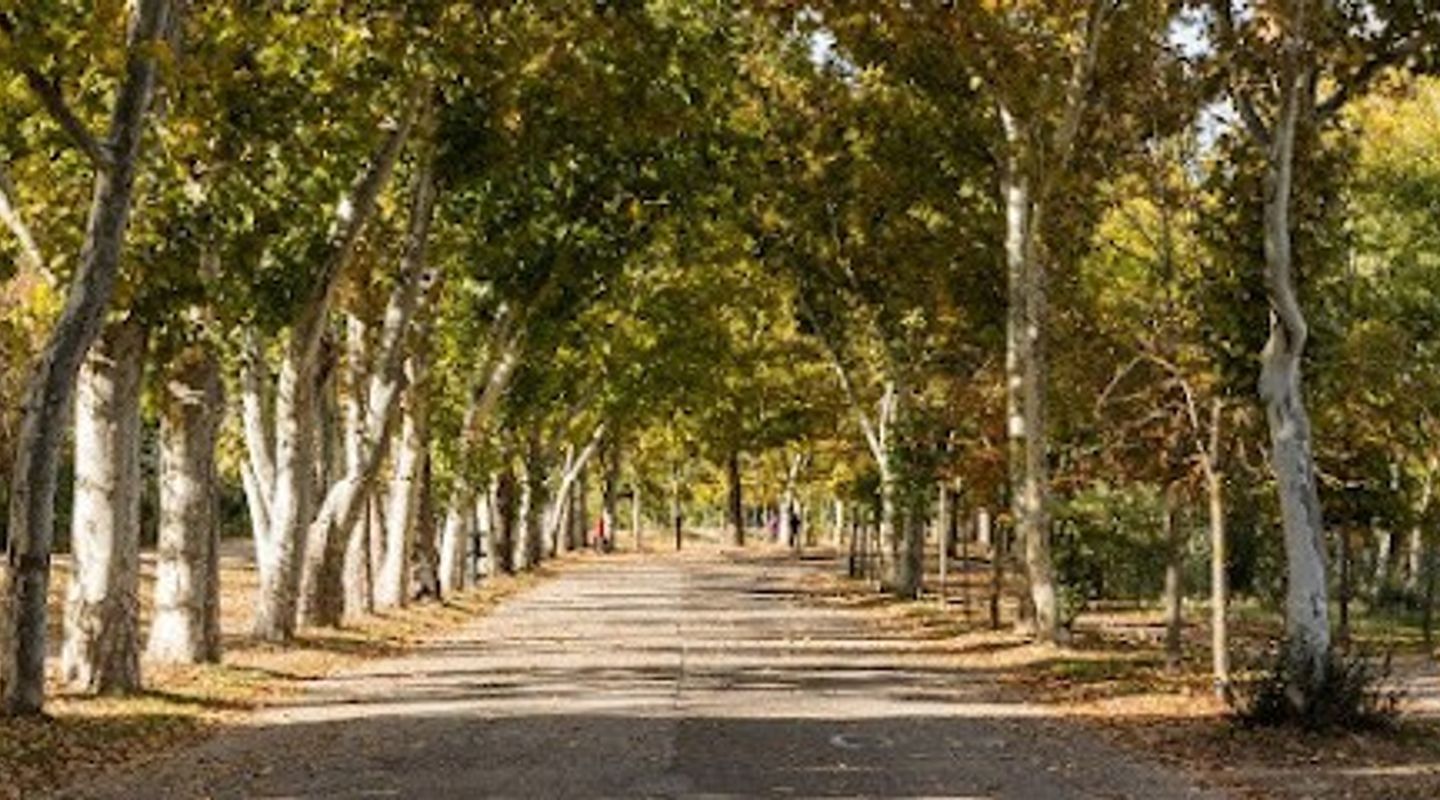
Escape Madrid's urban pulse into Casa de Campo, the city's colossal park sprawling over 1,700 hectares of forests, lakes, and trails. Once royal hunting grounds, today it offers cycling paths, rowboat rentals on the lake, a zoo, cable car rides, and panoramic city views—a perfect blend of nature and recreation right at the capital's edge.
On-site amenities
 Restrooms
 Drink options
 Food options
 Seating areas
 Picnic areas
 Trash bins
 Information boards
Opening hours
- Every day12 am–12 am
Opening hours as listed on the venue’s Google Business Profile. Hours can change for services and special events, so check with the venue before you go.
- Address
- P.º de la Prta del Ángel, 1, 28011 Madrid
- Phone
- Website
Getting there
Metro
Bus
Cable Car
Cycling
Discover more about Casa de Campo
Historical Foundations
Casa de Campo traces its origins to the 16th century when King Felipe II transformed the area into a royal hunting preserve west of Madrid's walls. Spanning over 1,700 hectares—larger than Manhattan—it served monarchs for centuries as a private retreat for falconry and wild game pursuits. Felipe IV later enhanced it with palaces and gardens, cementing its status as a symbol of royal privilege amid the growing city. The Spanish Civil War saw it repurposed as a military zone, with bunkers and fortifications still visible today, adding layers of 20th-century history to its ancient roots.
Natural Landscape and Biodiversity
Dense pine and oak forests dominate the terrain, interspersed with meadows, rocky outcrops, and the shimmering Lago del Casa de Campo. This man-made lake, created in the 18th century, anchors the park's aquatic life, attracting ducks, herons, and fish species. Trails wind through diverse habitats supporting foxes, boars, birds of prey, and over 200 insect varieties. Managed as a municipal nature preserve, it balances urban proximity with wild ecosystems, where seasonal wildflowers bloom and migratory birds rest.
Recreational Pursuits
Visitors cycle along 20 kilometers of dedicated paths, hike rugged trails to viewpoints overlooking the Manzanares River, or row boats across the lake. The Teleférico cable car glides 2.4 kilometers from Paseo del Pintor Rosales, offering bird's-eye vistas of the park and distant Palacio Real. Adventure seekers tackle mountain biking routes or explore via segway tours, while families head to the nearby Zoo Aquarium or Parque de Atracciones amusement park within its bounds. Picnic spots abound under centuries-old trees.
Cultural and Architectural Highlights
Scattered landmarks include the neoclassical Asilo de Madrid, ornate fountains from the Bourbon era, and remnants of the 1883 Philippine Exhibition pavilions. The park's asymmetry—wild north versus manicured south—reflects evolving landscaping philosophies from French formal gardens to romantic English parks. Statues of explorers and royalty dot the grounds, linking it to Spain's imperial past.
Modern Role in Madrid Life
Today, Casa de Campo pulses as Madrid's green lung, filtering air for 3 million residents and hosting marathons, festivals, and outdoor concerts. Its 24/7 accessibility invites midnight strollers and dawn joggers alike. Yet, its scale demands respect—vast paths can lead to solitude, rewarding those who venture beyond main arteries with untouched serenity amid the metropolis.
Evendo Review Centre
 Google
Guest reviews
Best time to go
Quietest: Jan, Feb & Mar · before 3am
Busy times are Evendo estimates for a typical year, to help you plan. Actual crowds vary with events, school holidays and the weather.
Explore Casa de Campo on the map
A handpicked selection of must-see spots near Casa de Campo, mapped for you.
Get your free copy of our complete guide to Casa de Campo, delivered straight to you.
Everything on this page, from opening hours and how to get there to Eve’s tips and the best time to go, in one PDF you can read offline, print or share.
Already have an account? Sign in
Your Casa de Campo guide is ready.
We'll send it to · Not you? Sign out

Getting your guide ready…
We are putting together a fresh copy of the Casa de Campo guide. This can take up to a minute.
This can take a few moments. If your browser asks, choose Allow so the download can start. You'll find the guide in your Downloads folder.
Nothing happened? Download it again
Sorry, the guide is taking longer than usual. Please try again in a minute, or get it by email instead.
Other nearby places you may find interesting
The closest places of the same kind, if this one is not quite what you had in mind.
-
-
-
-
-


Swipe for more places
More to explore near Casa de Campo

 Best experiences near Casa de Campo
 Best hotels near Casa de Campo
 Best landmarks near Casa de Campo
 Best attractions near Casa de Campo
 Best shops near Casa de Campo
 Best restaurants near Casa de Campo
 Best bars near Casa de Campo
Do you manage this location?
Take control to get all the benefits, like improved information, better appearance, and stronger visibility across AI-powered discovery.
Explore more

Explore more of Madrid
Discover Madrid: A city of art, culture, and culinary delights, where history and modern vibrancy meet in the heart of Spain.
Explore Madrid
Explore more of Spain
Discover Spain: A vibrant tapestry of culture, history, and breathtaking landscapes, where every city offers a unique adventure and unforgettable experiences.
Explore Spain