Casa de la Panadería, Madrid Travel Guide
Baroque facade of bakers' guild legacy crowns Plaza Mayor, blending sculpted abundance with Madrid's historic square energy.
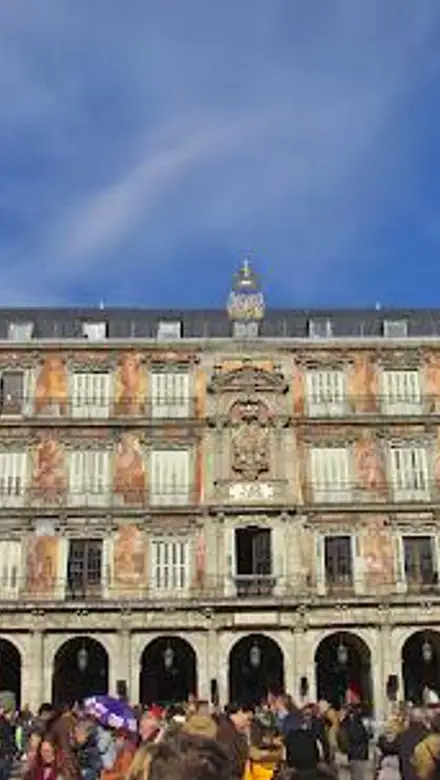
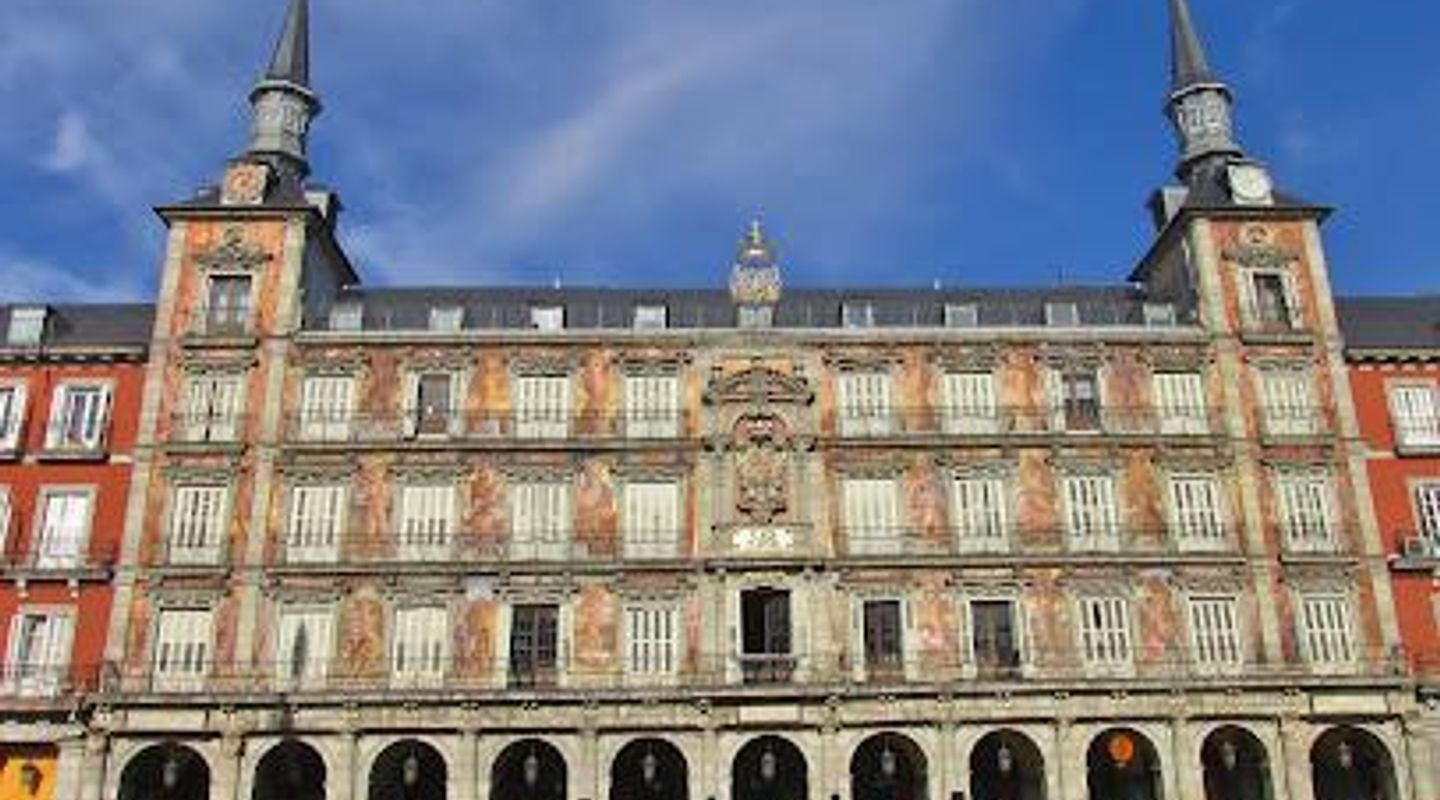
Elegant 17th-century Baroque building anchoring Plaza Mayor's northern flank, once a bakery guild headquarters, now housing the Madrid City Museum. Its ornate facade of undulating stonework, allegorical sculptures, and royal emblems captivates amid the square's vibrant bustle, offering a window into the city's mercantile past and architectural grandeur.
A brief summary to Casa de la Panadería
- Calle Arco del Triunfo, 3, Madrid, Centro, Madrid, 28012, ES
- Click to display
- Free
-
 Outdoor
- Mobile reception: 5 out of 5

Know before you go
Hi, I'm Eve. Here are a few practical things to know before exploring Casa de la Panadería.
- Visit the Museo de Madrid inside for free exhibits on the city's history, best combined with a Plaza Mayor stroll.
- Photograph the facade early morning or evening to avoid crowds and capture optimal lighting on the frescoes.
- Note the allegorical paintings of Charity and Justice, symbols of the bakers' guild's role in fair trade.
- Pair your visit with nearby tapas spots in Plaza Mayor for an authentic Madrid market experience.
Do you manage this location?
Take control to get all the benefits, like improved information, better appearance, and stronger visibility across AI-powered discovery. Learn more about listing your business on Evendo
Activate your presenceOther nearby places you may find interesting
The closest places of the same kind, if this one is not quite what you had in mind.
Explore Casa de la Panadería on the Map
A handpicked selection of must-see spots near Casa de la Panadería, mapped for you.
Unlock the Best of Casa de la Panadería
Buy tickets
-
No tickets available
Book tours with entry
-
No tours available
Book tours without entry

Getting There
-
Metro
Take Metro Line 1 or 5 to Sol station (5-10 min from central Madrid), then 5-min walk to Plaza Mayor; €1.50-2 fare.
-
Bus
Lines 3, 17, 18, 23 or 65 from central points to Plaza Mayor stop (10-15 min); €1.50 single ticket.
-
Walking
From Puerta del Sol (1 km away), 10-15 min stroll through pedestrian streets; free and scenic.
For the on-the-go comforts that matter to you
-
 Restrooms
-
 Food Options
-
 Seating Areas
-
 Trash Bins
-
 Information Boards
Discover more about Casa de la Panadería
Historical Origins and Architectural Splendor
Constructed between 1670 and 1672 under the designs of architect Pedro de Ribera, Casa de la Panadería stands as a masterpiece of Spanish Baroque architecture in Madrid's iconic **Plaza Mayor**. Originally commissioned by the Bakers' Guild, it served as their headquarters, reflecting the economic power of Madrid's guilds during the Habsburg era. The facade's dynamic curves, deeply carved reliefs, and rhythmic volutes create a sense of movement, contrasting the more restrained plateresque styles of neighboring structures. At its center, a grand balcony framed by telamons—muscular male figures—supports the royal coat of arms, symbolizing the monarchy's oversight of trade.Artistic Facade and Symbolic Elements
The building's exterior is a visual narrative of abundance and morality. Flanking the balcony, frescoes depict allegories of **Bakers' Charity** on the left—showing bread distribution to the needy—and **Justice** on the right, with scales weighing bread loaves to ensure fair measures. These painted panels, restored over centuries, originally commissioned in the 17th century, underscore the guild's role in regulating bread quality amid frequent shortages. The stonework below features marine motifs of waves, shells, and fantastical sea creatures, evoking the biblical manna from heaven and linking baking to divine provision. Topping the structure, guardian angels wield swords and shields, warding off vice in this celebration of honest labor.Evolution Through the Centuries
Over time, Casa de la Panadería transitioned from guild seat to royal residence. In the 18th century, it housed King Ferdinand VI and later served administrative functions. By the 19th century, it became the seat of the Madrid City Council, enduring fires, wars, and urban renewals that reshaped Plaza Mayor. A major restoration in the late 20th century revived its faded frescoes and stabilized the structure, preserving Ribera's vision while adapting interiors for modern use. Today, its ground floor hosts the **Museo de Madrid**, displaying artifacts from the city's Roman origins through its Golden Age, with exhibits on urban planning, festivals, and daily life.Role in Plaza Mayor's Vibrant Life
Positioned at the plaza's northern edge on Calle Arco del Triunfo, the building frames one of Madrid's most visited public spaces, constructed in 1619 under Philip III. Here, the atmosphere pulses with street performers, markets, and cafes, yet Casa de la Panadería commands attention with its elaborate presence. Visitors experience the contrast of its solemn history against the square's lively energy—churros vendors echoing the bakery theme, tourists photographing the facade at dusk when lights accentuate its curves. The site's centrality makes it a natural orientation point for exploring Madrid's historic core.Cultural Significance and Visitor Experience
As a testament to Madrid's guild heritage, the building illustrates how commerce intertwined with art and religion in 17th-century Spain. Its survival through Napoleonic invasions, Civil War bombings, and 20th-century tourism booms highlights resilient craftsmanship. Travelers gain insight into the capital's transformation from a backwater to Europe's cultural hub, with the museum providing tactile connections via period maps, costumes, and models of old Madrid. The vantage from Plaza Mayor allows appreciation of how the building dialogues with surroundings—the slate roofs, arched porticos, and equestrian statue of Philip III—forming a cohesive Habsburg ensemble.












Your all‑in‑one travel companion app
Explore expert travel guides, compare and book tours, experiences, hotels, and more—all from the palm of your hand. Download now for seamless trip planning wherever your wanderlust takes you.


Explore More of Madrid
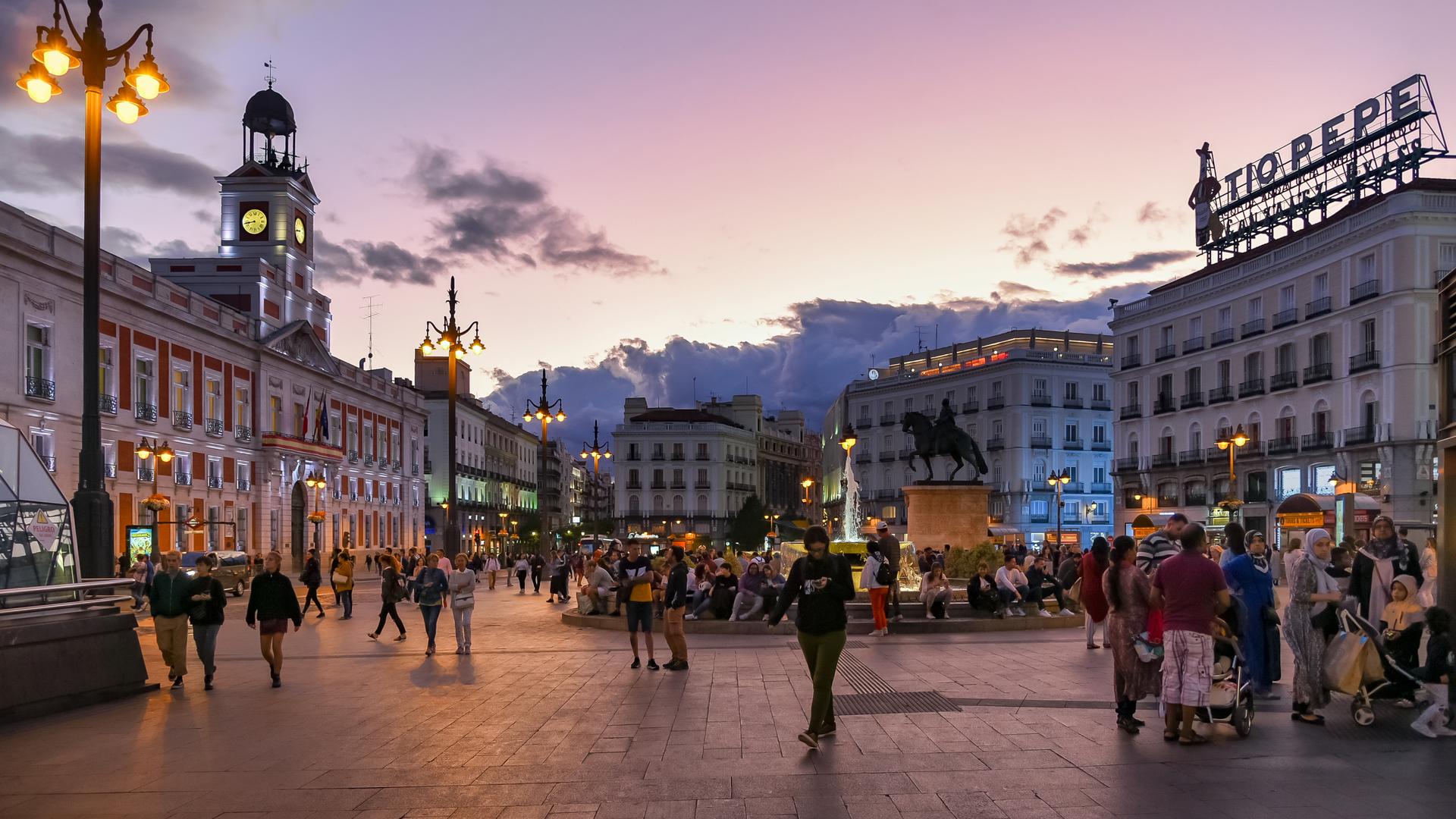
Looking beyond Casa de la Panadería? Discover Madrid for broader travel guides, local hot-spots, and regional highlights.
Explore Madrid
Experience the heart of Madrid through engaging walking tours with Free Tour Madrid, where passionate guides unveil the city's history and culture.

Madrid's Plaza Mayor visitor center unlocks historic square secrets with maps and Wi-Fi amid arcades and statues in the city's vibrant core.