

Monjas Carboneras, Madrid Travel Guide
Step through the grille at Monjas Carboneras to hear cloistered Carmelites chant Gregorian hymns in Madrid's historic core, bridging 400 years of silent devotion.
Tucked in Madrid's historic Centro, Monjas Carboneras stands as a rare glimpse into 17th-century monastic life. This Carmelite convent, known for its cloistered nuns who sing haunting Gregorian chants, offers a serene escape amid the city's bustle. Visitors peer through a wooden grate into the dimly lit choir, connecting with centuries of devotion in an intimate, atmospheric setting that feels worlds away from Plaza Mayor's crowds.
A brief summary to Monjas Carboneras
- Pl. del Conde de Miranda, 3, Madrid, Centro, Madrid, 28005, ES
- Click to display
- Free
-
 Indoor
- Mobile reception: 5 out of 5
- Monday 9:30 am-1 pm
- Tuesday 9:30 am-1 pm
- Wednesday 9:30 am-1 pm
- Thursday 9:30 am-1 pm
- Friday 9:30 am-1 pm
- Saturday 9 am-2:30 pm
- Sunday 9 am-2:30 pm

Know before you go
Hi, I'm Eve. Here are a few practical things to know before exploring Monjas Carboneras.
- Time your visit for morning or late afternoon prayer sessions when chants are most likely, enhancing the spiritual immersion.
- Maintain silence in the antechamber to respect the nuns' enclosure and fully absorb the acoustic intimacy.
- Combine with a walk through nearby Plaza Mayor for context on how monastic seclusion contrasts urban energy.
- Dress modestly—covered shoulders and knees—to align with the sacred atmosphere and local customs.
Do you manage this location?
Take control to get all the benefits, like improved information, better appearance, and stronger visibility across AI-powered discovery. Learn more about listing your business on Evendo
Activate your presenceOther nearby places you may find interesting
The closest places of the same kind, if this one is not quite what you had in mind.
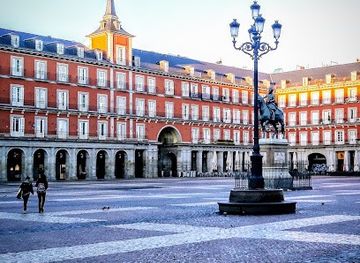
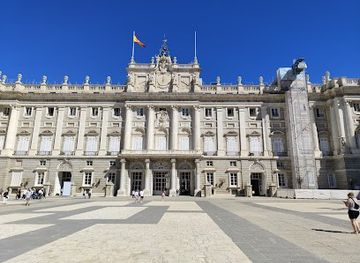
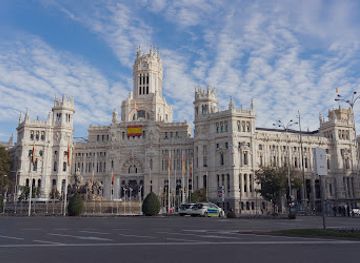
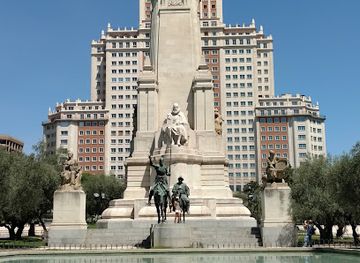
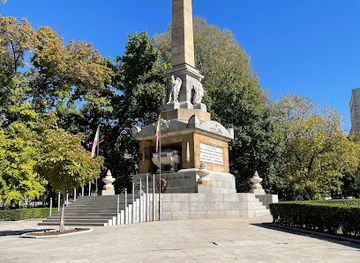
Explore Monjas Carboneras on the Map
A handpicked selection of must-see spots near Monjas Carboneras, mapped for you.
Getting There
-
Metro
Take Metro Line 1 or 5 to Sol station (10-15 min from central Madrid), then 5-min walk; €1.50-2 one-way ticket.
-
Walking
From Puerta del Sol or Plaza Mayor (central Madrid), 7-10 min stroll through pedestrian streets; free, flat terrain.
-
Bus
Lines 3, 17, or 18 from city center to Plaza Mayor stop (8-12 min); €1.50 fare, frequent service.
For the on-the-go comforts that matter to you
-
 Restrooms
Discover more about Monjas Carboneras
Historical Foundations
Monjas Carboneras, formally the Convento de las Carboneras, traces its origins to 1620 when Carmelite nuns from Toledo established this foundation in Madrid's burgeoning Centro district. Named for the 'carboneras' or charcoal sellers whose land it occupied, the convent embodied the strict Discalced Carmelite order reformed by St. Teresa of Ávila. Its unassuming facade on Plaza del Conde de Miranda belies a rich history intertwined with Madrid's royal and ecclesiastical past, surviving wars, reforms, and urban evolution to remain one of the city's few active cloistered communities.Architectural Essence
The convent's exterior blends seamlessly with the surrounding Habsburg-era buildings, featuring simple stonework and a modest portal leading to an interior courtyard. Inside, the nuns' choir—a wooden enclosure with a latticed grille—dominates the visitor experience. This space, dimly illuminated by natural light filtering through high windows, houses wooden stalls where the sisters maintain perpetual adoration. The architecture prioritizes seclusion, with thick walls and minimal ornamentation reflecting Carmelite austerity, yet subtle Baroque details in the grille evoke the era's spiritual artistry.Daily Life and Chant Tradition
Life here revolves around the Liturgy of the Hours, with nuns rarely seen but profoundly heard through their Gregorian chant. These polyphonic renditions of ancient hymns fill the air during prayer times, creating an otherworldly soundscape that draws pilgrims and curious travelers. The chants, unamplified and pure, resonate from behind the grille, offering a direct link to medieval monasticism. Visitors witness this sacred rhythm, sensing the nuns' commitment to enclosure and prayer amid Madrid's vibrant street life.Cultural and Spiritual Significance
As a living relic, Monjas Carboneras preserves Spain's Carmelite heritage, distinct from grand cathedrals like the Almudena. It attracts those seeking quiet contemplation, contrasting the theatrical piety of nearby churches. The convent's endurance through Spain's secularization waves underscores its role as a spiritual anchor, where the veil between visitor and cloister symbolizes the contemplative path. This intimacy fosters profound reflection on faith, time, and transience.Visitor Immersion
Approaching the convent, expect a hushed anticipation as you enter the antechamber. The air carries faint incense and the echo of distant voices. Peering through the grille reveals flickering candles and shadowed figures in habits, their chants rising in harmonious waves. The experience evokes solitude within community, prompting introspection amid the convent's timeless aura. It's a portal to Madrid's layered soul, where history whispers through song.












Your all‑in‑one travel companion app
Explore expert travel guides, compare and book tours, experiences, hotels, and more—all from the palm of your hand. Download now for seamless trip planning wherever your wanderlust takes you.


Explore More of Madrid
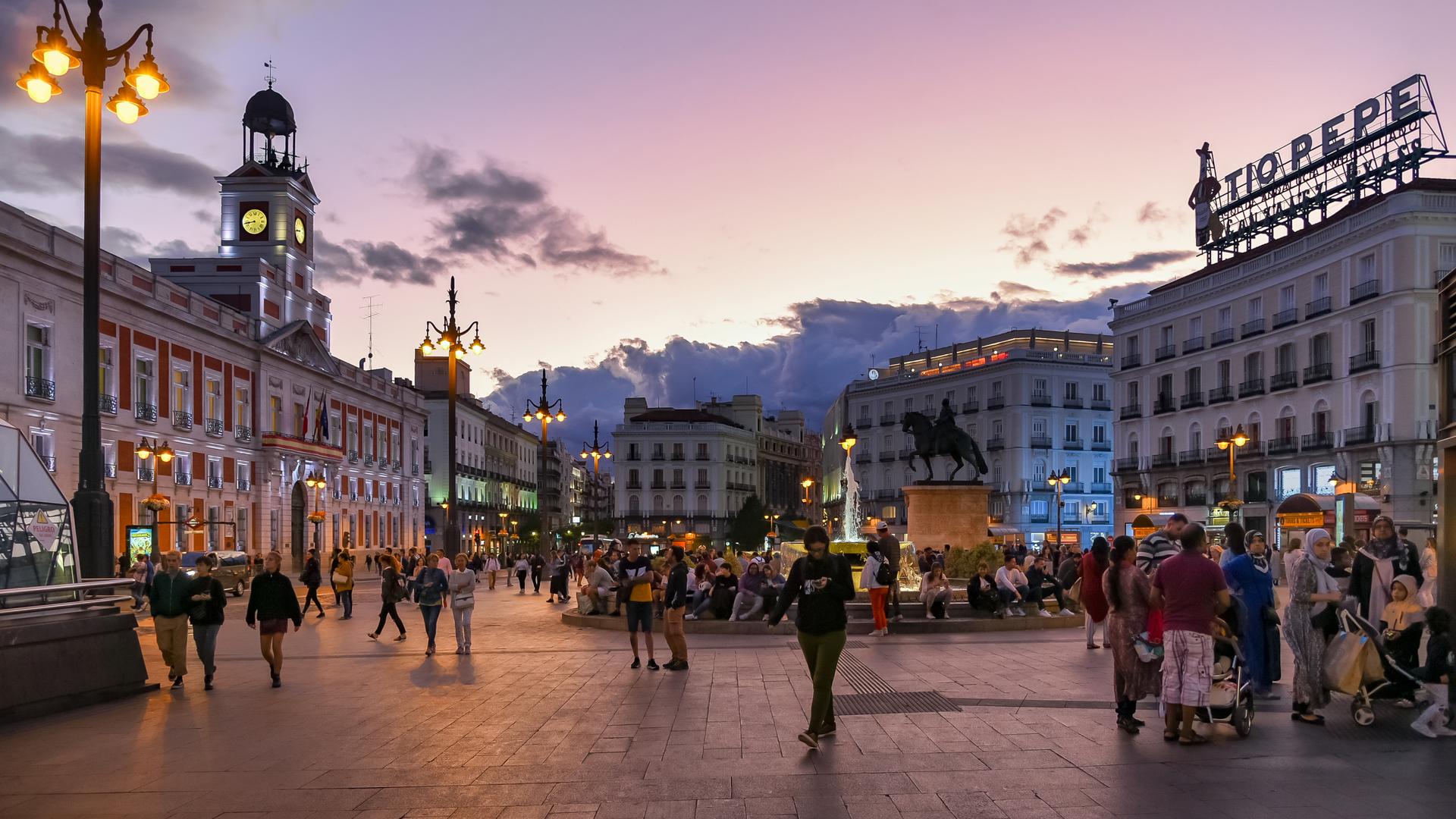
Looking beyond Monjas Carboneras? Discover Madrid for broader travel guides, local hot-spots, and regional highlights.
Explore Madrid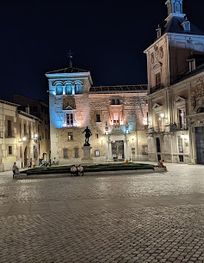
Stone tribute to zarzuela master Federico Chueca in Plaza de la Villa, linking Madrid's musical past to the lively district that bears his name.
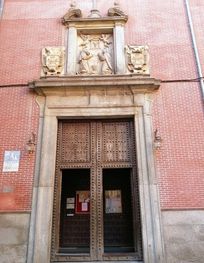
Baroque elegance and sacred relic draw seekers to this Carmelite church in Madrid's pulsing Centro, where gilded altars meet quiet devotion.
