Pl. Castilla, Madrid Travel Guide
Madrid's northern plaza where brutalist towers and bronze giants frame the city's commuter pulse and skyline ambitions in concrete and motion.
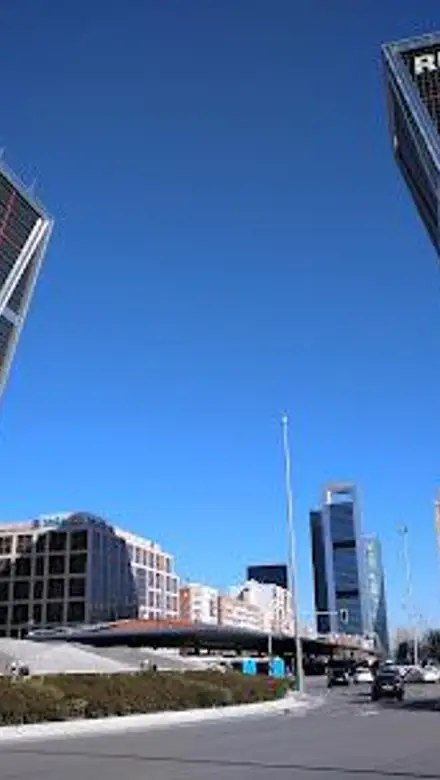
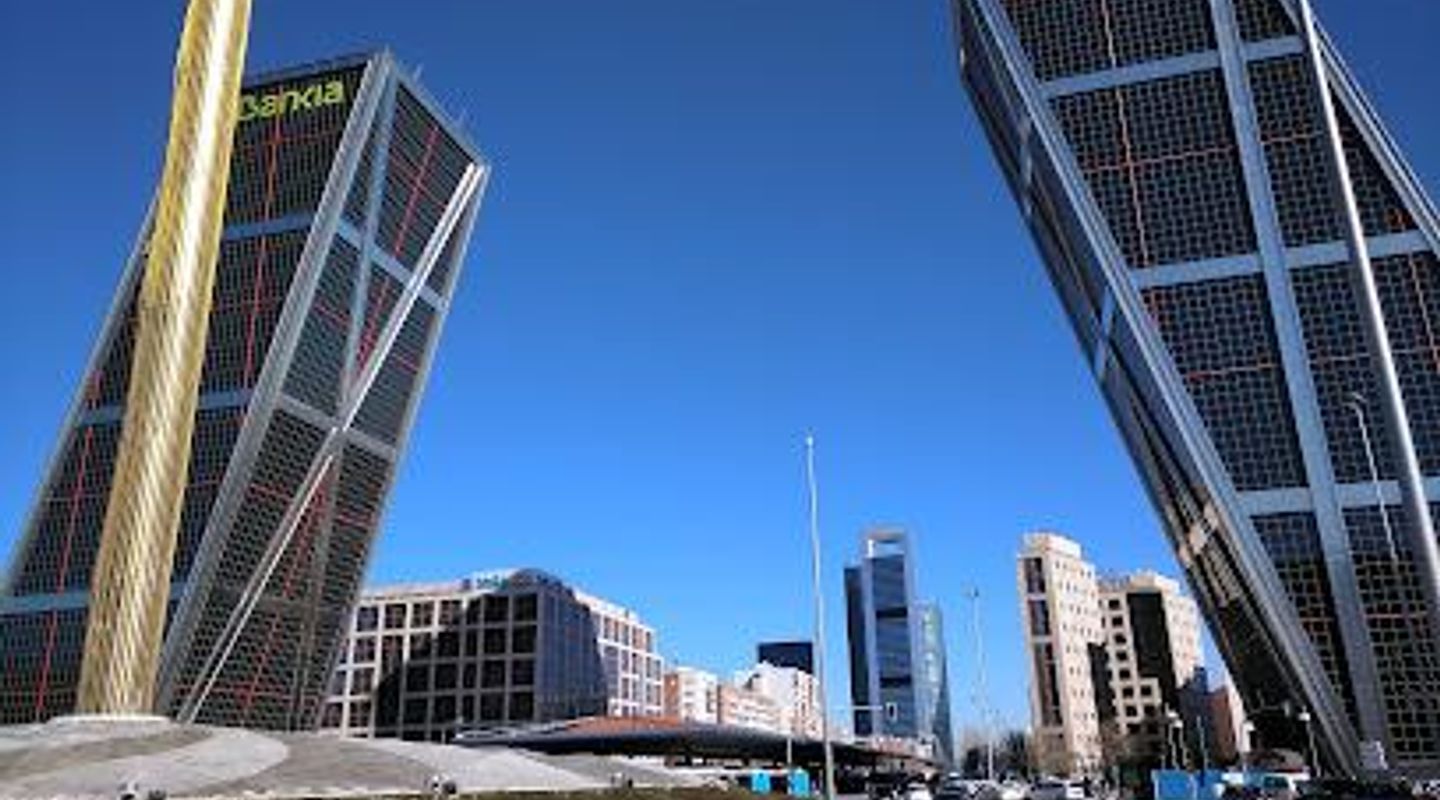
Plaza de Castilla stands as Madrid's northern nerve center, where sleek skyscrapers pierce the skyline and grand sculptures anchor a bustling traffic hub. Flanked by the iconic Torres Blancas and Nuevos Ministerios towers, this urban plaza pulses with commuter energy by day and city lights by night, offering prime views of contemporary Spanish architecture amid the flow of city life.
A brief summary to Pl. Castilla
- Madrid, Madrid, 28046, ES
- Free
-
 Outdoor
- Mobile reception: 5 out of 5

Know before you go
Hi, I'm Eve. Here are a few practical things to know before exploring Pl. Castilla.
- Visit early morning or late evening to photograph the sculptures and towers with fewer crowds and optimal light angles.
- Combine with a metro ride to nearby Cuatro Torres for a full circuit of Madrid's modern architectural highlights.
- Watch for traffic patterns if crossing on foot; use pedestrian underpasses for safer navigation around the ring roads.
- Pair a plaza stop with a walk to Santiago Bernabéu Stadium, just 1.5 km south, for football and urban contrast.
Do you manage this location?
Take control to get all the benefits, like improved information, better appearance, and stronger visibility across AI-powered discovery. Learn more about listing your business on Evendo
Activate your presenceOther nearby places you may find interesting
The closest places of the same kind, if this one is not quite what you had in mind.
Explore Pl. Castilla on the Map
A handpicked selection of must-see spots near Pl. Castilla, mapped for you.
Unlock the Best of Pl. Castilla
Buy tickets
-
No tickets available
Book tours with entry


Getting There
-
Metro
Direct from Sol or central Madrid via Line 10 (15-20 min, €1.50-2 single ticket); Plaza de Castilla station exits right into the plaza.
-
Bus
EMT lines 27, 29, 147 from Puerta del Sol (20-30 min, €1.50); multiple stops encircle the plaza for easy access.
-
Cercanías Train
C-1 or C-10 from Atocha (10-15 min, €2); Chamartín station connects via short walk or quick metro hop.
-
Taxi/Rideshare
From city center (15-25 min, €15-25 depending on traffic); drop-offs available at plaza edges.
For the on-the-go comforts that matter to you
-
 Restrooms
-
 Seating Areas
-
 Information Boards
Discover more about Pl. Castilla
Architectural Showcase
Plaza de Castilla emerges as a pivotal modern landmark in northern Madrid, defined by its striking collection of high-rise structures that represent Spain's post-Franco architectural renaissance. The plaza centers around two monumental bronze sculptures by José García Nieto, colossal figures symbolizing the Castilian spirit that rise dramatically from the pavement, drawing eyes upward against the backdrop of towering edifices. To the east, the cylindrical Torres Blancas by Francisco Javier Sáenz de Oiza spirals skyward with its honeycomb of balconies, evoking a beehive in concrete—a 1969 masterpiece blending organic forms with brutalist concrete. Opposite stands the sleek, twin-slab Nuevos Ministerios complex, housing key government offices and exemplifying clean-lined modernism from the 1980s.Urban Transportation Nexus
As Madrid's primary northern interchange, the plaza functions as a vital artery for the city's metro, bus, and suburban rail networks. Multiple lines converge here, including Metro Lines 1, 10, and the rapid transit Cercanías, facilitating seamless connections from central Madrid to suburbs and Barajas Airport. The surrounding ring roads channel heavy traffic, creating a symphony of movement where vehicles, cyclists, and pedestrians intersect. This connectivity transforms the space into a microcosm of Madrid's dynamic urban rhythm, where locals rush to work and visitors pause to absorb the scale.Historical Evolution
Originally a peripheral roundabout in the mid-20th century, Plaza de Castilla expanded significantly during Madrid's 1960s-1980s urban boom, coinciding with Spain's economic liberalization. The addition of the sculptures in 1972 marked its cultural elevation, while subsequent developments like the Cuatro Torres Business Area nearby—Europe's tallest skyscrapers—cemented its status as a symbol of Madrid's vertical ambition. The plaza's growth mirrored the city's shift from compact historic core to sprawling metropolis, balancing functionality with aesthetic flair.Daily Atmosphere and Vibe
By day, the plaza throbs with purposeful energy: office workers stream from the towers, buses disgorge passengers, and street vendors add color to the concrete expanse. Evenings bring a calmer mood as lights illuminate the sculptures and facades, with nearby cafes spilling onto sidewalks for al fresco gatherings. The open space occasionally hosts public events, from markets to protests, underscoring its role as a communal stage. Wind can whip through the open layout, but the constant hum of city life infuses it with an authentic, unpolished Madrid essence—no tourist gloss, just raw urban vitality.Surrounding Influences
Encircling the plaza, residential neighborhoods like Tetuan offer authentic local flavor with markets and tapas bars, while the proximity to Santiago Bernabéu Stadium draws football fans. Views extend toward the Chamartín district, blending residential calm with commercial buzz. This positioning makes Plaza de Castilla an ideal launchpad for exploring Madrid's northern quadrants, from green spaces like Berlin Park to business hubs, encapsulating the city's multifaceted character in one expansive square.Visitor Expectations
Expect a sensory immersion in modern Madrid: the scale of architecture prompts neck-craning awe, sculptures invite close inspection of their textured bronze, and the transport bustle offers people-watching opportunities. Photographers revel in geometric contrasts, while architecture enthusiasts dissect design influences from Le Corbusier to local innovation. Though not a leisurely park, it rewards quick visits with panoramic skyline shots and a tangible sense of the city's northward expansion, leaving an impression of Madrid's bold, forward-looking identity.












Your all‑in‑one travel companion app
Explore expert travel guides, compare and book tours, experiences, hotels, and more—all from the palm of your hand. Download now for seamless trip planning wherever your wanderlust takes you.


Explore More of Madrid
Looking beyond Pl. Castilla? Discover Madrid for broader travel guides, local hot-spots, and regional highlights.
Explore Madrid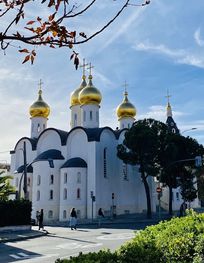
Golden domes rise over Hortaleza, icons glow in candlelight, chants fill sacred air—Madrid's Russian Orthodox cathedral links Slavic faith to Spanish streets.
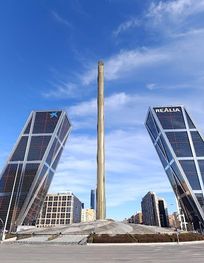
Modern monument honoring Spanish military heritage along Madrid's iconic Paseo de la Castellana.