Pl. de las Cortes, Madrid Travel Guide
Parliamentary square where neoclassical palace grandeur frames Spain's democratic legacy amid Madrid's vibrant street theater and ceremonial guard changes.
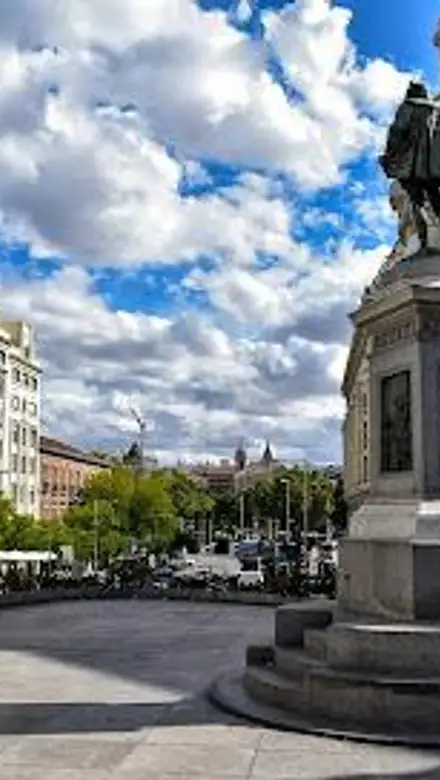
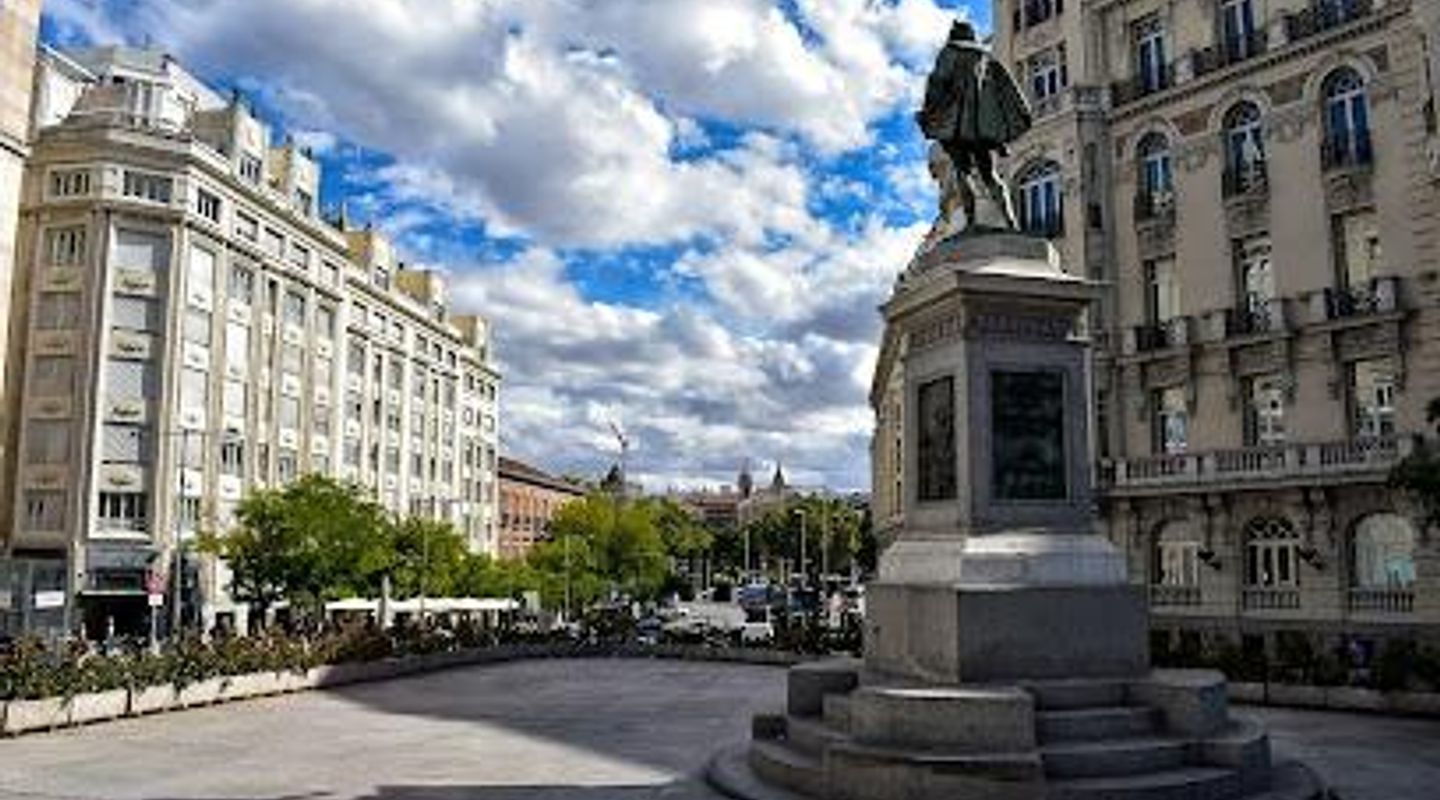
In the bustling core of Madrid's Centro district, Plaza de las Cortes stands as a grand public square dominated by the imposing Palacio de las Cortes, seat of Spain's Congress of Deputies. Framed by elegant 19th-century architecture, neoclassical statues, and vibrant cafes, this landmark pulses with political history and everyday Madrileño life. Visitors witness the changing of the guard ceremony, admire the equestrian statue of Constitution, and soak in the lively atmosphere where history meets the city's dynamic energy. A perfect spot for people-watching amid neoclassical grandeur.
A brief summary to Pl. de las Cortes
- Madrid, Centro, Madrid, 28014, ES
- Free
-
 Outdoor
- Mobile reception: 5 out of 5

Know before you go
Hi, I'm Eve. Here are a few practical things to know before exploring Pl. de las Cortes.
- Time visits for the changing of the guard on Wednesdays and Saturdays to experience the full ceremonial spectacle without crowds overwhelming the view.
- Combine with a walk down Carrera de San Jerónimo to nearby literary quarter for layered historical immersion in compact time.
- Seek elevated vantage from palace steps at dusk when golden light highlights the facade and statues for striking perspectives.
- Respect no-flash photography rules near the palace entrance to preserve the site's dignity during official proceedings.
- Pause at the Constitution monument base to read inscriptions detailing Spain's 1978 charter for context on post-Franco transition.
Do you manage this location?
Take control to get all the benefits, like improved information, better appearance, and stronger visibility across AI-powered discovery. Learn more about listing your business on Evendo
Activate your presenceOther nearby places you may find interesting
The closest places of the same kind, if this one is not quite what you had in mind.
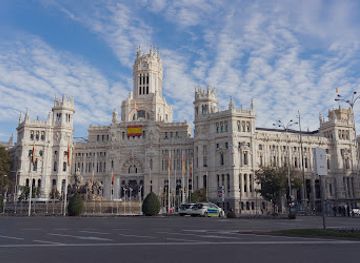
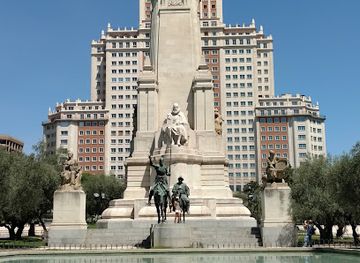
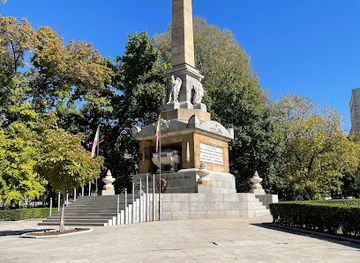
Explore Pl. de las Cortes on the Map
A handpicked selection of must-see spots near Pl. de las Cortes, mapped for you.
Unlock the Best of Pl. de las Cortes
Buy tickets
-
No tickets available
Book tours with entry
-
No tours available
Book tours without entry

Getting There
-
Metro
Take Metro Line 2 from Sol or Sevilla stations, 5-minute ride to Banco de España (5-min walk), €1.50-2 single ticket.
-
Walking
15-20 minute stroll from Puerta del Sol through pedestrian streets, free, flat terrain amid shops and cafes.
-
Bus
Lines 1, 2, or 51 from central stops like Callao, 10-minute trip with 3-min walk, €1.50 fare, frequent service.
-
Taxi
10-minute ride from Gran Vía or Sol areas, €6-8 fixed zone rate, available 24/7 with traffic variability.
For the on-the-go comforts that matter to you
-
 Restrooms
-
 Seating Areas
-
 Sheltered Areas
-
 Trash Bins
-
 Information Boards
Discover more about Pl. de las Cortes
Historical Foundations
Plaza de las Cortes emerged in the 19th century as Madrid expanded its urban fabric, transforming from open grounds into a formal square centered on the Palacio de las Cortes. Construction of the palace began in 1777 under architect Juan de Villanueva, initially intended as a cultural academy but repurposed in 1810 to house the Cortes of Cádiz during Spain's fight for liberal constitutionality against Napoleonic occupation. This shift marked the square's enduring link to parliamentary democracy, with the building officially becoming the Congress of Deputies in 1843. The plaza's layout reflects Enlightenment ideals, blending open civic space with monumental architecture to symbolize enlightened governance.Architectural Highlights
The Palacio de las Cortes commands the square's northern edge with its neoclassical facade of Ionic columns, pediments, and restrained ornamentation true to Villanueva's vision. Flanking the palace, symmetrical ministry buildings in matching style create a unified ensemble. At the center rises the Monumento a la Constitución Española, an equestrian bronze statue of a young woman symbolizing the 1978 Constitution, atop a granite pedestal with allegorical figures representing law, liberty, and justice. Surrounding gardens feature manicured hedges, fountains, and iron railings, while the southern end opens toward Carrera de San Jerónimo, lined with historic theaters and cafes.Political and Ceremonial Role
As the public face of Spain's lower legislative house, the plaza hosts the ceremonial changing of the guard every Wednesday and Saturday, drawing crowds to watch uniformed Halcones de Pavía perform precise drills with rifles and sabers against the palace backdrop. These events echo military traditions while underscoring democratic accessibility. The square has witnessed pivotal moments, from 19th-century liberal uprisings to modern protests, embodying Madrid's tradition of public political engagement. Plaques and inscriptions commemorate constitutional milestones, inviting reflection on Spain's path from monarchy to parliamentary republic.Daily Life and Surroundings
Beyond ceremony, Plaza de las Cortes thrives as a living urban node where Madrileños gather for coffee at sidewalk terraces or stroll en route to nearby Puerta del Sol. Its position in Centro places it amid Baroque churches, Habsburg-era streets, and literary cafes like those on Calle de las Huertas. Street performers, vendors, and office workers create a tapestry of sounds—clinking glasses, distant guitar strums, parliamentary chimes—infusing the space with authentic city rhythm. The plaza's scale fosters intimacy, with benches under plane trees offering respite amid the flow.Cultural Significance
This landmark encapsulates Madrid's layered identity: a nexus of power where architectural permanence meets transient human drama. It stands as a microcosm of Spain's constitutional evolution, from absolutism to modern democracy, while serving as a stage for contemporary life. Visitors experience not just stone and bronze, but the intangible pulse of a capital where history informs the present, making Plaza de las Cortes an essential waypoint for understanding Madrid's political soul.












Your all‑in‑one travel companion app
Explore expert travel guides, compare and book tours, experiences, hotels, and more—all from the palm of your hand. Download now for seamless trip planning wherever your wanderlust takes you.


Explore More of Madrid
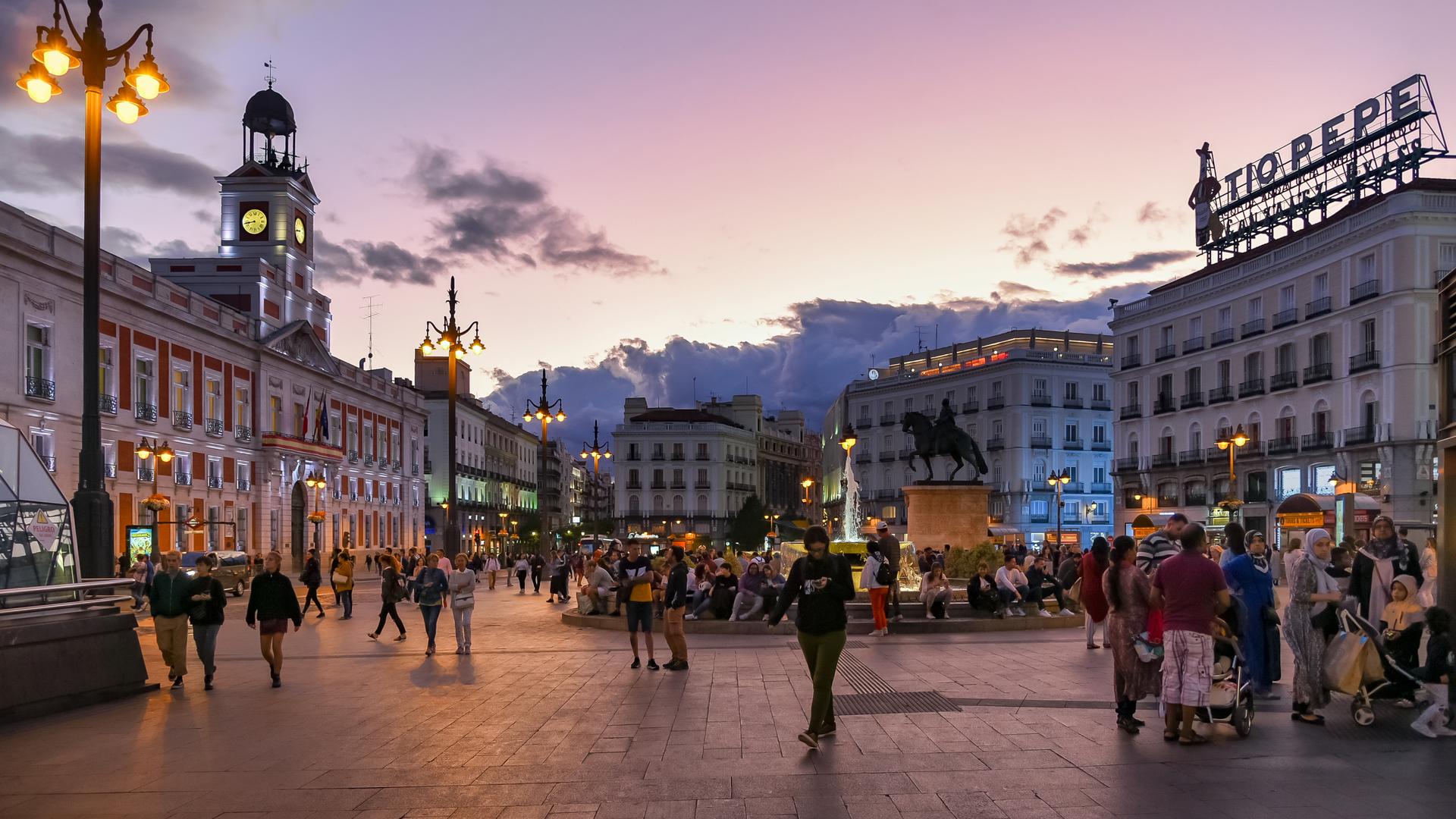
Looking beyond Pl. de las Cortes? Discover Madrid for broader travel guides, local hot-spots, and regional highlights.
Explore Madrid
Bronze homage to Velázquez's genius on Prado boulevard, where Golden Age mastery meets Madrid's art promenade amid Retiro's cultural pulse.
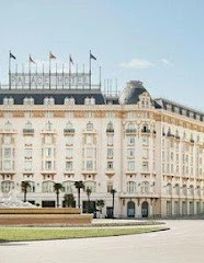
Madrid's neoclassical sentinel on Plaza de las Cortes, where palatial columns frame Congress views and Prado proximity in Centro's political pulse.