
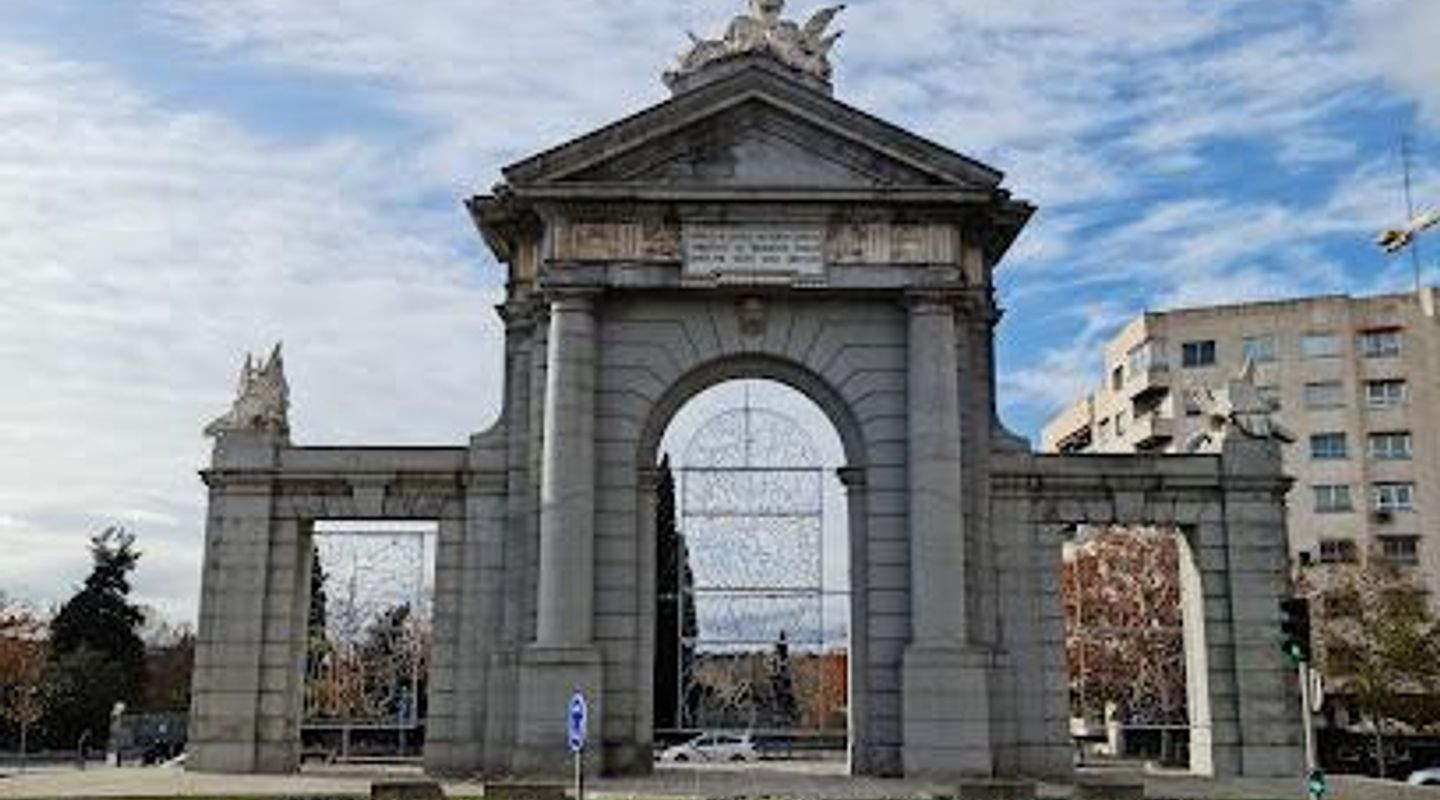
Porta de Sant Vicent, Madrid Travel Guide
Neoclassical gate in Madrid's west side, built 1813 as city portal, now serene monument amid residential glorieta with park proximity.
Standing proudly in Madrid's Moncloa-Aravaca district, Puerta de San Vicente is a striking 19th-century neoclassical gate that once marked the city's western boundary. This monumental archway, with its grand columns and detailed pediment, evokes the grandeur of old Madrid while blending seamlessly into the modern urban landscape. Visitors are drawn to its historical significance as a former entry point and its photogenic presence amid tree-lined streets. Explore the surrounding area for a glimpse into Madrid's evolving architecture and quiet residential charm. A perfect stop for history enthusiasts seeking authentic landmarks off the beaten path.
A brief summary to Porta de Sant Vicent
- Gta. San Vicente, s/n, Madrid, Moncloa - Aravaca, Madrid, 28008, ES
- Click to display
- Free
-
 Outdoor
- Mobile reception: 5 out of 5

Know before you go
Hi, I'm Eve. Here are a few practical things to know before exploring Porta de Sant Vicent.
- Visit at golden hour for optimal lighting on the columns and pediment, enhancing photos without crowds.
- Combine with a walk into adjacent Casa de Campo for a full afternoon of history and nature.
- Observe local routines—perfect for authentic Madrid moments beyond central tourist zones.
- Check for seasonal flowers in the glorieta, adding color to the gate's stone facade.
Do you manage this location?
Take control to get all the benefits, like improved information, better appearance, and stronger visibility across AI-powered discovery. Learn more about listing your business on Evendo
Activate your presenceOther nearby places you may find interesting
The closest places of the same kind, if this one is not quite what you had in mind.
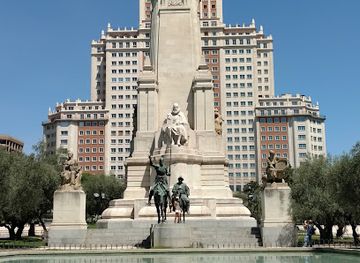
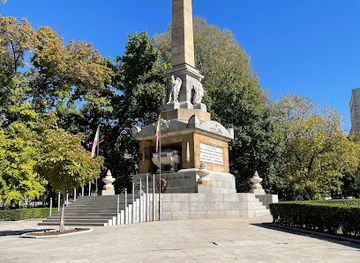
Explore Porta de Sant Vicent on the Map
A handpicked selection of must-see spots near Porta de Sant Vicent, mapped for you.
Unlock the Best of Porta de Sant Vicent
Buy tickets
-
No tickets available
Book tours with entry
-
No tours available


Getting There
-
Metro
Take Line 10 from central Sol to Lago station, 20 minutes, €1.50-2 single ticket; 10-minute walk northwest through park paths.
-
Bus
EMT Line 65 from Plaza Mayor, 25 minutes, €1.50 flat fare; direct drop-off at nearby Moncloa stop, short uphill stroll.
-
Taxi
From Puerta del Sol, 15-minute ride, €10-15 depending on traffic; request Glorieta San Vicente for precise curbside arrival.
-
Bicycle
Rent BiciMAD bikes from city center stations, 20-minute pedal via CicloMadrid lanes, €2-3 unlock fee plus time-based rate.
For the on-the-go comforts that matter to you
-
 Seating Areas
-
 Trash Bins
-
 Information Boards
Discover more about Porta de Sant Vicent
Historical Origins and Architectural Splendor
Puerta de San Vicente stands as a testament to 19th-century Madrid, constructed in 1813 during the Napoleonic era as part of the city's defensive fortifications. Originally one of several gates controlling access to the capital, it replaced earlier medieval structures and symbolized the transition from walled enclosures to expansive urban growth. Designed in neoclassical style, the gate features robust masonry arches flanked by Doric columns supporting a triangular pediment adorned with sculptural reliefs. These elements reflect the influence of French engineering under Joseph Bonaparte's occupation, blending Spanish tradition with imperial aesthetics. Its location on Glorieta de San Vicente positioned it as a key western portal, welcoming travelers from the royal palace of El Escorial.Architectural Details and Symbolism
The gate's design emphasizes symmetry and solidity, with a central carriageway wide enough for coaches and narrower pedestrian passages on either side. Soaring to over 15 meters, its proportions create an imposing yet elegant silhouette against the sky. The pediment likely bore inscriptions or emblems denoting royal authority, though weathering has softened these over time. Surrounding iron railings and plinths add to its stately presence, while nearby gardens provide a verdant frame. This structure not only served practical purposes but also projected Madrid's status as a burgeoning European metropolis during a turbulent period.Evolution Through the Centuries
As Madrid expanded in the late 19th and 20th centuries, the Puerta de San Vicente lost its defensive role, becoming a preserved relic amid growing boulevards. The 1860s saw the demolition of adjacent walls under urban renewal plans, transforming the site from a militarized checkpoint to a landscaped roundabout. Today, it anchors a quiet residential zone in Moncloa-Aravaca, contrasting with the district's modern universities and parks. Preservation efforts have maintained its integrity, ensuring the stonework withstands pollution and time. The gate's survival highlights Madrid's commitment to honoring its layered past amid contemporary development.Atmosphere and Visitor Experience
Approaching Puerta de San Vicente, expect a serene vibe distinct from Madrid's bustling core. The glorieta offers open sightlines, with the gate dominating the vista amid mature trees and periodic foot traffic. Sunlight filters through branches, casting patterns on the facade and enhancing its warm sandstone tones. Evenings bring a subtle glow from street lamps, ideal for contemplative strolls. The area hums with local life—joggers, dog walkers, and students—yet retains an unhurried pace. It's a spot where history feels tangible, inviting reflection on the city's transformation from fortress to vibrant capital.Cultural Context and Surroundings
Nestled near Casa de Campo park, the gate connects to Madrid's green lung, facilitating easy walks into nature. Its proximity to Moncloa's academic hubs adds intellectual energy, with nearby cafes fostering casual encounters. Historically, it witnessed royal processions and market days, echoes of which persist in the neighborhood's community spirit. For travelers, it offers a low-key entry to exploring Madrid's peripheral heritage, away from tourist throngs. Pair a visit with nearby viewpoints for panoramic cityscapes, enriching understanding of urban evolution.Enduring Legacy
Puerta de San Vicente endures as a quiet icon of resilience, embodying Madrid's ability to integrate antiquity with progress. Its understated power lies in evoking stories of invasion, expansion, and renewal without fanfare. Visitors leave with a deeper appreciation for the capital's multifaceted identity, where every stone narrates epochs of change.












Your all‑in‑one travel companion app
Explore expert travel guides, compare and book tours, experiences, hotels, and more—all from the palm of your hand. Download now for seamless trip planning wherever your wanderlust takes you.


Explore More of Madrid
Looking beyond Porta de Sant Vicent? Discover Madrid for broader travel guides, local hot-spots, and regional highlights.
Explore Madrid
Madrid's elevated hilltop perch overlooking Casa de Campo's expanse and Guadarrama peaks, delivering crisp city panoramas from a quiet, always-open vantage in Moncloa-Aravaca.

Historic crossing where Madrid's architectural legacy meets the Manzanares River's timeless flow.
