

Teatro Español, Madrid Travel Guide
Free Guide: Madrid's neoclassical stage where Golden Age dramas echo through Plaza Santa Ana's lively embrace, blending 400 years of Spanish theater in an intimate 500-seat auditorium.


A brief summary of Teatro Español
Madrid's neoclassical stage where Golden Age dramas echo through Plaza Santa Ana's lively embrace, blending 400 years of Spanish theater in an intimate 500-seat auditorium.
Nestled in vibrant Plaza Santa Ana, Teatro Español stands as Madrid's oldest public theater, a neoclassical gem hosting centuries of Spanish theatrical mastery. From Golden Age classics to modern masterpieces, its intimate auditorium and historic facade draw culture seekers into the heart of the city's artistic pulse.
On-site amenities
 Restrooms
 Seating areas
 Drink options
 Food options
- Address
- Plaza Santa Ana, C. del Príncipe, 25, 28014 Madrid
- Phone
- Website
Getting there
Metro
Bus
Walking
Taxi
Discover more about Teatro Español
Historical Foundations
Established in 1583 as the Corral de la Cruz, one of Madrid's pioneering open-air theaters, the site evolved into the Teatro Español we recognize today. Rebuilt in 1802 under neoclassical designs by architects Juan de Villanueva and Luis Fernando de Villena, it replaced earlier wooden corrales that hosted Spain's burgeoning Golden Age drama. This transformation marked a shift from makeshift courtyard performances to a purpose-built cultural institution, cementing its role in Spain's theatrical heritage amid the Enlightenment era's architectural fervor.
Architectural Splendor
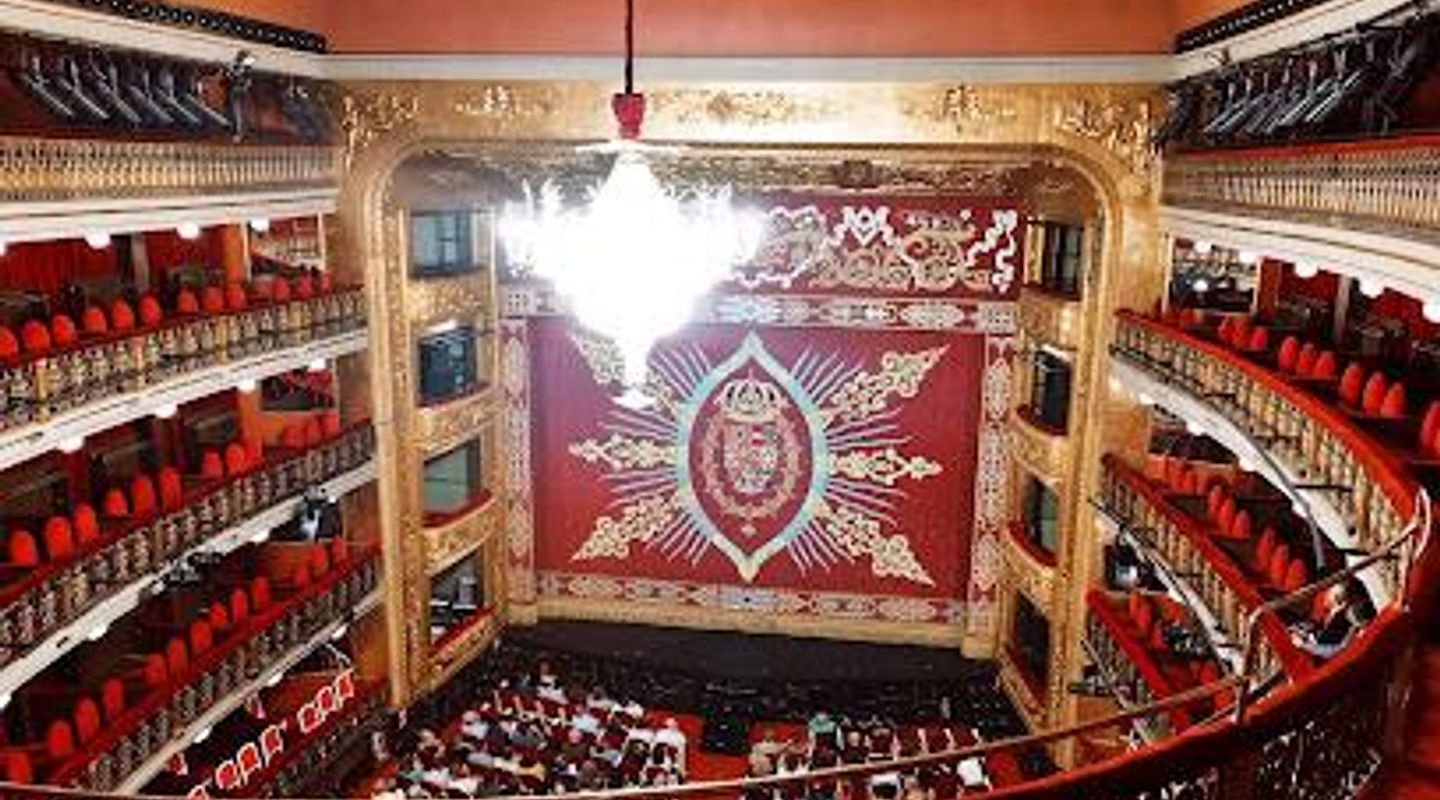
The facade gleams with Ionic columns, pediments, and ornate detailing, framing a grand portico that echoes classical Roman influences adapted to Spanish tastes. Inside, the auditorium boasts horseshoe-shaped tiers with gilded balconies, red velvet seating, and a proscenium arch stage optimized for acoustics. Statues of luminaries like Lope de Vega and Calderón de la Barca adorn the exterior, while the intimate 500-seat capacity fosters an enveloping atmosphere where every whisper carries.
Golden Age Legacy
This stage premiered masterpieces by Lope de Vega, the inventor of the Spanish comedia nueva, and Pedro Calderón de la Barca, whose autos sacramentales defined baroque theater. During the Siglo de Oro, corral audiences from all social strata mingled in standing pits or rented private asientos, fueling a golden era that produced over 10,000 plays. The theater's survival through fires, wars, and renovations underscores its enduring symbol of Spain's dramatic prowess.
Modern Renaissance
Today, under the National Classical Theater Company (Compañía Nacional de Teatro Clásico), it revives Golden Age works alongside contemporary interpretations. Productions blend period costumes with innovative staging, attracting international troupes and festivals. The adjacent Casa de los Donados, a 17th-century hospital now housing the National Theater Museum, offers peeks into costume archives and set designs, enriching visits with tangible links to performance history.
Plaza Santa Ana Vibe
Fronting lively Plaza Santa Ana, the theater pulses with Madrid's bohemian energy—surrounded by tapas bars, street performers, and literary ghosts of Lorca and Hemingway. Evening crowds spill from nearby cafés, creating a pre-show buzz that transitions seamlessly into the auditorium's hushed anticipation. This fusion of street life and high art defines the Centro district's cultural heartbeat.
Visitor Expectations
Expect a journey through Spain's soul: opulent interiors evoking 19th-century grandeur, performances that ignite with passion, and a palpable sense of continuity from corral mudfloors to chandelier-lit elegance. Whether witnessing a verse duel from Tirso de Molina or a bold directorial take, the experience transcends entertainment, immersing you in the language and spirit that shaped Hispanic identity.
Evendo Review Centre
 Google
Guest reviews
Best time to go
Quietest: Jan, Feb & Mar
Busy times are Evendo estimates for a typical year, to help you plan. Actual crowds vary with events, school holidays and the weather.
Explore Teatro Español on the map
A handpicked selection of must-see spots near Teatro Español, mapped for you.
Get your free copy of our complete guide to Teatro Español, delivered straight to you.
Everything on this page, from opening hours and how to get there to Eve’s tips and the best time to go, in one PDF you can read offline, print or share.
Already have an account? Sign in
Your Teatro Español guide is ready.
We'll send it to · Not you? Sign out

Getting your guide ready…
We are putting together a fresh copy of the Teatro Español guide. This can take up to a minute.
This can take a few moments. If your browser asks, choose Allow so the download can start. You'll find the guide in your Downloads folder.
Nothing happened? Download it again
Sorry, the guide is taking longer than usual. Please try again in a minute, or get it by email instead.
Unlock the best of Teatro Español
Skip-the-line tickets, guided tours with entry, and walking tours of the area, booked in a few clicks.


Other nearby places you may find interesting
The closest places of the same kind, if this one is not quite what you had in mind.
-
-
-
-
-


Swipe for more places
More to explore near Teatro Español

 Best experiences near Teatro Español
 Best hotels near Teatro Español
 Best landmarks near Teatro Español
 Best attractions near Teatro Español
 Best shops near Teatro Español
 Best restaurants near Teatro Español
 Best bars near Teatro Español
Do you manage this location?
Take control to get all the benefits, like improved information, better appearance, and stronger visibility across AI-powered discovery.
Explore more

Explore more of Madrid
Discover Madrid: A city of art, culture, and culinary delights, where history and modern vibrancy meet in the heart of Spain.
Explore Madrid
Explore more of Spain
Discover Spain: A vibrant tapestry of culture, history, and breathtaking landscapes, where every city offers a unique adventure and unforgettable experiences.
Explore Spain
