

Slattdalsberget Travel Guide
Free Guide: Conquer the steep flanks of Slåttdalsberget for unrivaled High Coast vistas from its red granite summit, framed by Skuleskogen's wild forests and iconic Slåttdalsskrevan crevice.


A brief summary of Slattdalsberget
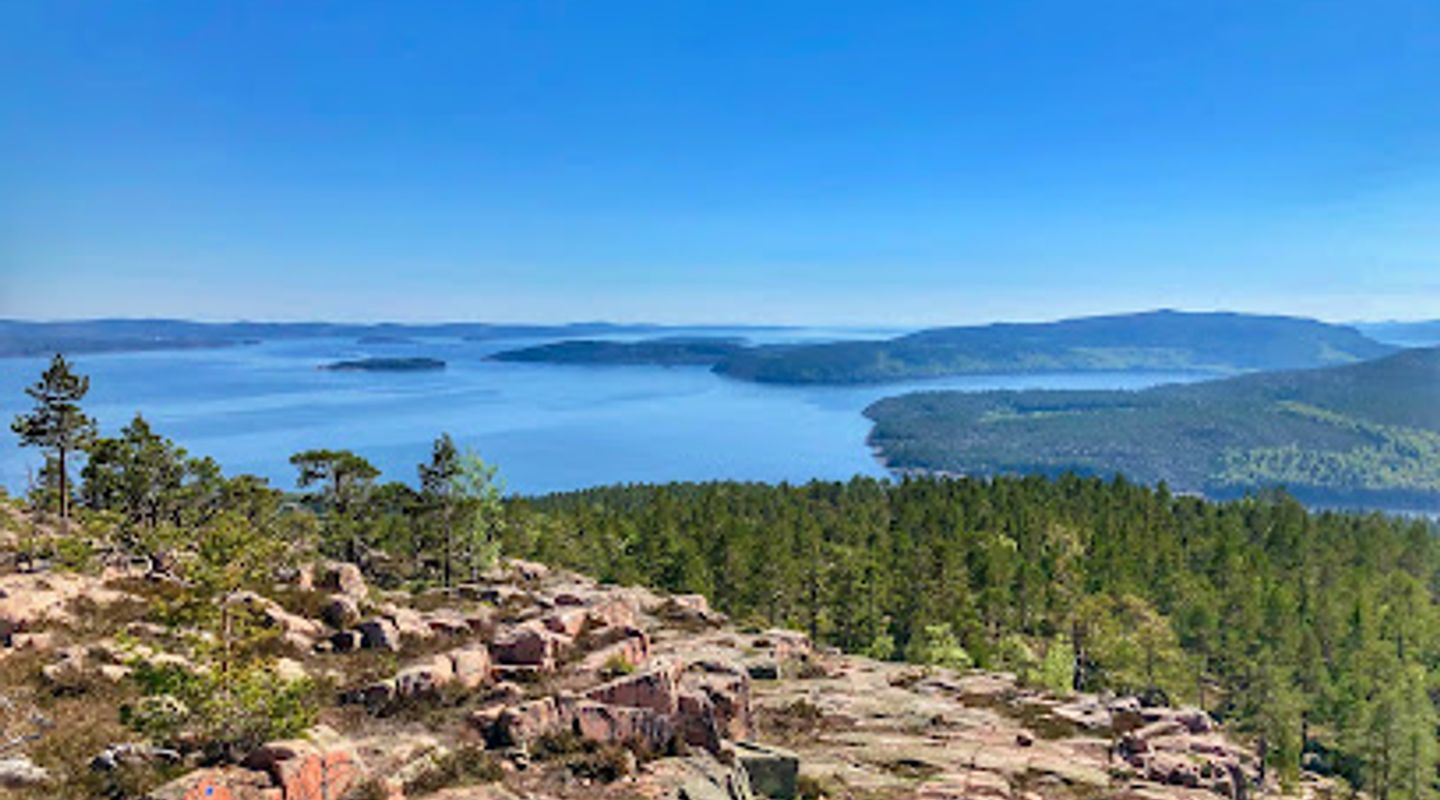
Conquer the steep flanks of Slåttdalsberget for unrivaled High Coast vistas from its red granite summit, framed by Skuleskogen's wild forests and iconic Slåttdalsskrevan crevice.
Slåttdalsberget rises dramatically in Skuleskogen National Park, offering hikers a strenuous ascent to its summit where a flat red granite terrace unveils sweeping panoramas of the High Coast archipelago and surrounding wilderness. This mountain peak, split by the striking Slåttdalsskrevan crevice, forms a key detour on the renowned Höga Kusten Trail, blending rugged terrain, ancient forests, and coastal vistas in Sweden's UNESCO-listed High Coast region near Docksta.
On-site amenities
 Drinking water
 Restrooms
 Information boards
 Seating areas
 Trash bins
- Address
- 873 96 Docksta
Getting there
Car
Hiking from West Entrance
Hiking from North Entrance
Bus to Trailhead
Discover more about Slattdalsberget
Summit Splendor and Granite Majesty
Perched within the heart of Skuleskogen National Park, Slåttdalsberget commands attention with its bold granite profile, a product of the region's post-glacial uplift that has elevated the High Coast higher than any other landmass on Earth. The peak's summit features a broad, flat terrace of red granite, polished smooth by ancient forces, providing an ideal platform for contemplating the vast archipelago below—clusters of islands dotting the Gulf of Bothnia under expansive skies.This elevated vantage draws the eye across layered forests and fjords, embodying the raw geological drama of the area, where land continues to rise nearly a centimeter annually.
Slåttdalsskrevan's Dramatic Divide
Bisecting the mountain like a colossal scar, Slåttdalsskrevan stretches 200 meters long and plunges 30 meters deep, its sheer walls formed by differential erosion of varying rock hardness over millennia. Narrow paths wind alongside this fissure, offering vertigo-inducing glimpses into its shadowy depths, where mosses and lichens thrive in perpetual dampness.The crevice stands as Skuleskogen's signature feature, a testament to nature's sculpting power amid the park's primeval landscape.
Trails Through Ancient Wilderness
Accessing Slåttdalsberget demands effort, with trails classified as black difficulty for experienced hikers—steep ascents over roots, rocks, and wooden boardwalks challenge even seasoned trekkers. A 1.5 km detour from the main High Coast Trail crests the peak, while full routes from park entrances vary from 3.5 to 6 km one-way, passing serene lakes like Tärnättvattnet and open cabins.These paths immerse visitors in dense spruce forests adorned with old man's beard lichen, transitioning to barren coastal cliffs, evoking the untamed essence of Nordic wilderness.
Ecological Riches of the High Coast
Skuleskogen envelops Slåttdalsberget in biodiversity, from moisture-loving mosses in the crevice to hardy flora on exposed summits, supporting a mosaic of habitats shaped by the land's uplift. Rare orchids and lichens flourish here, alongside wildlife like moose and birds of prey, in a protected expanse that safeguards the High Coast's unique ecology.The peak's prominence of just 21 meters belies its role in the park's network of summits, each contributing to a larger narrative of resilience against Ice Age legacies.
Seasonal Transformations
Winter cloaks Slåttdalsberget in snow, demanding snowshoes or skis for its icy slopes, while summer brings lush greenery and buzzing insects. Avoid peak July crowds at southern approaches, opting instead for west or north trails through wilder terrains, where the light shifts from golden dawn over fjords to crimson sunsets painting the granite aglow.Year-round, the mountain reveals shifting moods, from misty veils to crystal-clear revelations of distant horizons.
Evendo Review Centre
 Google
Guest reviews
Best time to go
Quietest: Jan, Feb & Mar · before 8am or from 9pm
Busy times are Evendo estimates for a typical year, to help you plan. Actual crowds vary with events, school holidays and the weather.
Explore Slattdalsberget on the map
A handpicked selection of must-see spots near Slattdalsberget, mapped for you.
Get your free copy of our complete guide to Slattdalsberget, delivered straight to you.
Everything on this page, from opening hours and how to get there to Eve’s tips and the best time to go, in one PDF you can read offline, print or share.
Already have an account? Sign in
Your Slattdalsberget guide is ready.
We'll send it to · Not you? Sign out

Getting your guide ready…
We are putting together a fresh copy of the Slattdalsberget guide. This can take up to a minute.
This can take a few moments. If your browser asks, choose Allow so the download can start. You'll find the guide in your Downloads folder.
Nothing happened? Download it again
Sorry, the guide is taking longer than usual. Please try again in a minute, or get it by email instead.
Other nearby places you may find interesting
The closest places of the same kind, if this one is not quite what you had in mind.
-
-
-


Swipe for more places
More to explore near Slattdalsberget

 Best experiences near Slattdalsberget
 Best hotels near Slattdalsberget
 Best landmarks near Slattdalsberget
 Best attractions near Slattdalsberget
 Best shops near Slattdalsberget
 Best restaurants near Slattdalsberget
 Best bars near Slattdalsberget
Do you manage this location?
Take control to get all the benefits, like improved information, better appearance, and stronger visibility across AI-powered discovery.
Explore more

Explore more of Ångermanland
Discover Ångermanland: A blend of stunning natural landscapes, rich cultural heritage, and outdoor adventures in the heart of northern Sweden.
Explore Ångermanland
Explore more of Sweden
Discover Sweden's breathtaking landscapes, vibrant cities, and rich cultural heritage. From the Northern Lights to historic castles, experience the essence of Scandinavia.
Explore Sweden
