

Free Ångermanland Travel Guide & Mobile App
Explore Ångermanland with free travel guides. Discover regional history, expert tips, proposed trips, and audio guides on web or mobile app.


Explore Ångermanland for Sweden’s rising High Coast, forested river valleys, island villages, ancient rock art and distinctive northern food traditions.
Read more about Ångermanland
When is the best time to visit Ångermanland?
Best: June–August · 20–22°C| Month | High (°C) | Rainfall (mm) |
|---|---|---|
| January | -1 | 40 |
| February | -1 | 35 |
| March | 3 | 30 |
| April | 9 | 35 |
| May | 15 | 40 |
| June (best) | 20 | 50 |
| July (best) | 22 | 60 |
| August (best) | 21 | 60 |
| September | 16 | 55 |
| October | 10 | 45 |
| November | 5 | 40 |
| December | 0 | 40 |
Getting to and around Ångermanland
How to get there
Transportation
Top city travel guides in Ångermanland
The cities of Ångermanland, and the easiest places to base yourself.

Swipe for more cities
Best attractions in Ångermanland
Ångermanland’s attractions range from geological landscapes to living cultural heritage. The High Coast is the principal draw, with Skuleskogen National Park offering marked walks through old forest, coastal terrain and the dramatic Slåttdalsskrevan gorge area, while Skuleberget provides steep trails, climbing experiences and broad views across the rising coast. Fishing communities and island environments on Ulvön and Trysunda add a maritime dimension, subject to seasonal boat access. Inland, Nämforsen near Näsåker combines powerful river scenery with an important prehistoric rock-art site. Härnösand’s Murberget open-air museum presents buildings and traditions from the historic province, while the town’s cathedral and urban museums provide a more formal cultural setting. River valleys, forest roads, bird-rich shores and viewpoints create opportunities for hiking, paddling, fishing and wildlife observation. The attraction landscape is less about a dense chain of ticketed sights than about moving between protected nature, working communities, archaeological places and towns shaped by timber and trade.
-
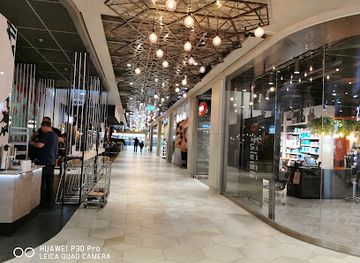
Shopping mall
Nordstan
Gothenburg’s sprawling, weatherproof shopping complex—over 200 shops, services and cafés concentrated in the city centre.
-
Shopping mall
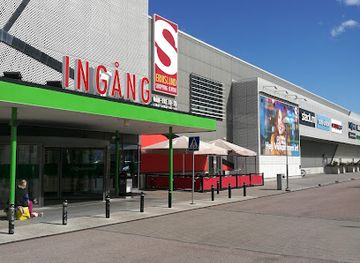
Kista Galleria
A large, practical suburban mall in Stockholm’s Kista Science City — shopping, food and family entertainment under one roof.
-
Shopping mall
Hälla Shopping
A practical, family-friendly retail park in Västerås anchored by big supermarkets and home stores — built for errands, weekly shops and easy parking.
-
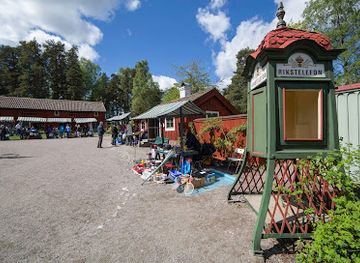
Open air museum
Vallby friluftsmuseum
A living patchwork of historic farms, gardens and native breeds that brings Västmanland’s rural past into an easygoing outdoor experience.
Best landmarks in Ångermanland
The High Coast’s most recognisable landmarks are often natural rather than monumental. Skuleberget rises sharply above the coast and is one of the region’s defining viewpoints, while the Högakustenbron crosses the Ångermanälven near the southern approach to the High Coast, creating a major piece of modern infrastructure within a dramatic river setting. The raised shorelines, rocky islands and forested slopes around the High Coast express the continuing uplift that gives the area its UNESCO-recognised geological importance. Härnösand Cathedral is a significant urban landmark, with its eighteenth-century form reflecting the town’s ecclesiastical role. Inland, the rapids and carved rock surfaces at Nämforsen represent a much older human presence, and the river landscape itself remains central to the site’s meaning. Historic fishing settlements on Ulvön and Trysunda, where shoreline buildings and harbour patterns preserve maritime character, provide another kind of landmark: places shaped by working life rather than royal or military power.
-
Tourist attraction
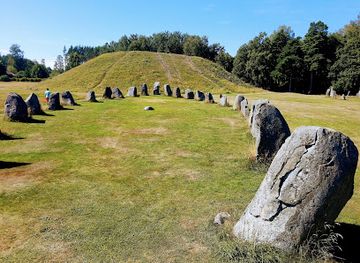
Anundshög
Discover Sweden's grandest burial mound and Iron Age power hub, where Viking stone ships, runestones, and ancient roads unveil 1,500 years of mystery near Västerås.
-
Historical landmark
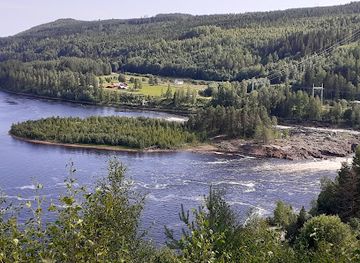
Nämforsen hällristningar
One of Europe’s richest rock‑carving sites: millennia of elk, boats and ritual marks carved into the river‑polished bedrock beside a dramatic stretch of the Ångermanälven.
-
Tourist attraction
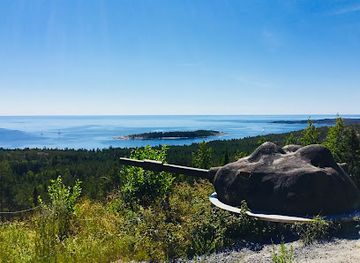
Hemsö Fortress
Delve 40 meters underground into Sweden's mightiest Cold War bastion, where nuclear-proof tunnels hide a self-contained world of artillery might and soldier life on secretive Hemsön.
-
Mountain peak
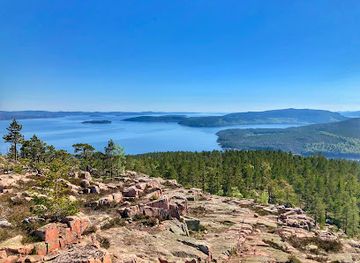
Slattdalsberget
Conquer the steep flanks of Slåttdalsberget for unrivaled High Coast vistas from its red granite summit, framed by Skuleskogen's wild forests and iconic Slåttdalsskrevan crevice.
Explore Ångermanland on the map
Plan your trip on one map. See where the top cities, national parks and sights are, and book hotels and experiences in a few clicks.
Best hotels in Ångermanland
Best restaurants in Ångermanland
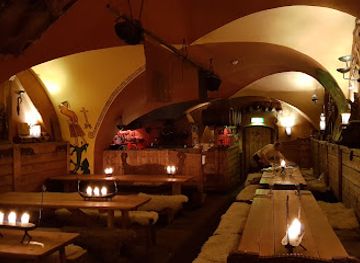
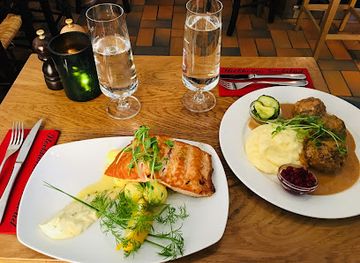
Food in Ångermanland reflects the Gulf of Bothnia, forest resources and the region’s farming and fishing communities. Coastal menus may feature Baltic fish, while inland cooking draws on game, potatoes, berries, mushrooms and other seasonal produce. Surströmming, fermented Baltic herring, is the region’s most famous and adventurous speciality; it is traditionally served with flatbread, potatoes and accompaniments, and is often associated with late-summer gatherings. Visitors will also find the broader Swedish repertoire of open sandwiches, baked goods, coffee culture and hearty home-style dishes in cafés, restaurants and traditional pubs. Farmers’ markets and small producers are useful places to look for preserves, bread, cheese, smoked fish and products made from forest berries. Dining is concentrated in Härnösand, Kramfors, Örnsköldsvik and larger visitor centres, while coastal villages and rural inns may offer a more seasonal selection. Check current opening arrangements outside the summer peak.
-
Scandinavian
Aifur
A theatrical Viking tavern in Gamla Stan — rustic Nordic fare, meads and live performance in a vaulted cellar setting.
-
Swedish
Stockholms Gästabud
Hearty, no‑frills Swedish classics in a cosy Gamla Stan room — known for meatballs, herring and warming fish soups.
-
Restaurant
Blå dörren
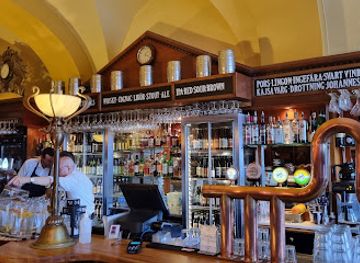
A classic Södermalm beer hall and matsal serving hearty Scandinavian dishes, house beers and homemade schnapps in a culture‑marked building.
-
Swedish
Restaurant Tradition
Savor Sweden's soul in Gamla Stan: meatballs, herring, and dumplings crafted from Nordic pantry gems in a cozy tavern haven near the palace.
Best bars in Ångermanland
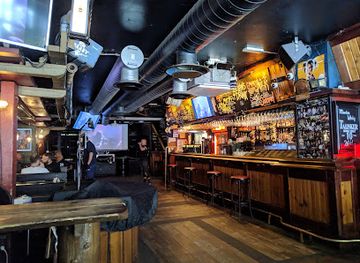
Evening life in Ångermanland is generally centred on pubs, hotel bars, cafés, restaurants and community events rather than a large nightclub circuit. Härnösand and Örnsköldsvik offer the broadest choice of evening venues, with bars, live music and occasional cultural programming, while Kramfors and Sollefteå provide a more local, low-key scene. In coastal villages and island communities, the atmosphere may focus on seasonal restaurants, harbour gatherings and early-evening socialising rather than late nights. Traditional Swedish beer and spirits are available through licensed venues, and some local producers contribute to the region’s food-and-drink culture, but alcohol is not necessary to enjoy the evening. Outside the larger towns, distances and limited late transport make it sensible to arrange a taxi, designated driver or accommodation within walking distance.
-
Pub
Pub Anchor
A veteran Vasastan rock pub: live bands, loud playlists, solid burgers and a broad beer list that keeps late nights rolling until the small hours.
-
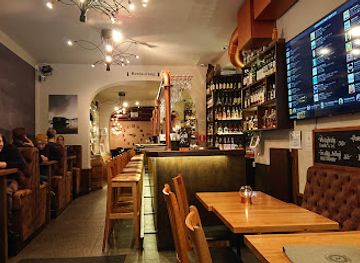
Bar
Restaurant Ardbeg Embassy
A warm, forest‑toned Gamla Stan restaurant where Swedish game dishes meet an encyclopaedic whisky and craft‑beer selection.
-
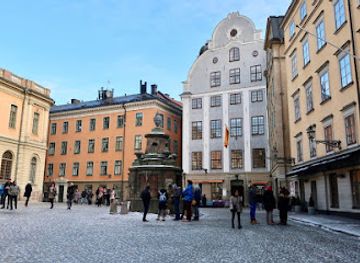
Cocktail bar
ICEBAR Stockholm by ICEHOTEL
World's first permanent icebar: sip cocktails from Torne River ice glasses in a -5°C Arctic wonderland, redesigned yearly with stunning themes.
-
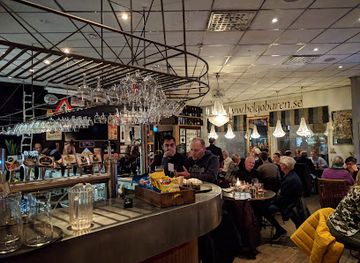
Bar
Belgobaren
Cozy Belgian bar in central Stockholm — moules-frites, hundreds of beers and a warm, pub-like atmosphere.
Best nightclubs in Ångermanland
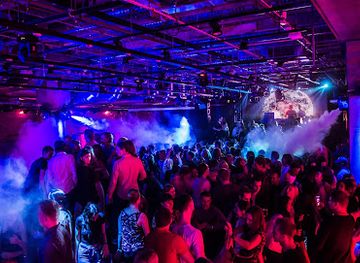
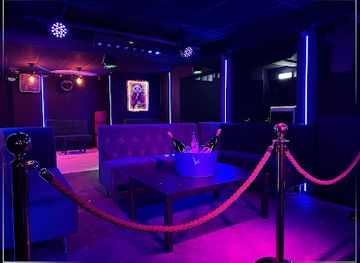
Evening life in Ångermanland is generally centred on pubs, hotel bars, cafés, restaurants and community events rather than a large nightclub circuit. Härnösand and Örnsköldsvik offer the broadest choice of evening venues, with bars, live music and occasional cultural programming, while Kramfors and Sollefteå provide a more local, low-key scene. In coastal villages and island communities, the atmosphere may focus on seasonal restaurants, harbour gatherings and early-evening socialising rather than late nights. Traditional Swedish beer and spirits are available through licensed venues, and some local producers contribute to the region’s food-and-drink culture, but alcohol is not necessary to enjoy the evening. Outside the larger towns, distances and limited late transport make it sensible to arrange a taxi, designated driver or accommodation within walking distance.
-
Night club
Colosseum Nightclub
Stockholm’s large, high‑energy weekend club with multiple dance floors, huge sound and dramatic lighting—built for big nights and crowds.
-
Night club
Rose Club
A velvet‑lined, intimate Stockholm nightclub where gilt mirrors, rose motifs and late‑night DJ sets create a compact, glamorous party atmosphere.
-
Night club
Hyde Stockholm
Intimate central Stockholm club and late-night bar with DJ nights, moody lighting and a compact dance floor that pulses after 22:00.
-
Night club
Sense Stockholm
Dive into Stockholm's chic nightlife at Sense, where pulsating beats, craft cocktails, and stylish crowds create unforgettable late-night magic in Norrmalm.


Best shops in Ångermanland
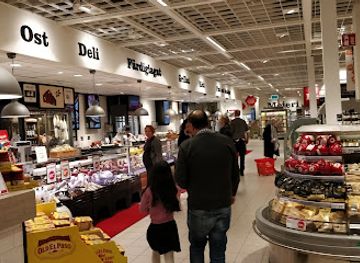
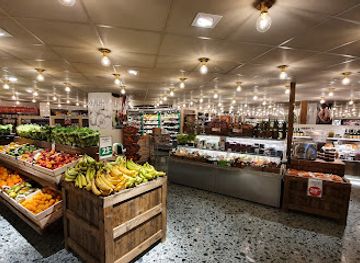
Shopping in Ångermanland is concentrated in the high streets and retail areas of Härnösand, Kramfors, Sollefteå and Örnsköldsvik, with smaller coastal communities offering seasonal galleries, craft outlets and food producers rather than extensive retail. Market days and farm shops are good places to look for bread, smoked or preserved fish, berry products, cheese, textiles and other regional goods. The High Coast has a visible craft tradition, including locally made souvenirs, outdoor products, ceramics, woodwork and artworks inspired by the coast and forests. Museum shops and visitor centres can provide more considered purchases connected with Sámi culture, archaeology, geology and local history, provided that products are clearly and respectfully made. Independent shops and galleries are more common than luxury retail in rural districts. Opening patterns can be seasonal, particularly on islands and in smaller harbour villages, so purchase food and practical supplies before leaving larger towns.
-
Shopping mall
Westfield Mall of Scandinavia
Scandinavia's grandest retail haven: 224 stores, global flavors, IMAX thrills, and Nordic architectural splendor await in Solna's vibrant Arenastaden.
-
Department store
NK Stockholm
Step into Stockholm's grandest luxury department store, where Art Nouveau architecture frames over a century of premium fashion, design, and cultural allure on vibrant Hamngatan.
-
Shopping mall
Erikslund Shopping Center
Sweden's third-largest retail park hub: 80 stores, massive IKEA, diverse dining, and family-friendly vibes in bright, modern spaces next to E18 in Västerås.
-
Outlet mall
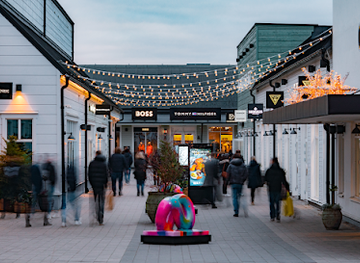
Stockholm Quality Outlet
Northern Europe's outlet giant: 70+ stores, 250 brands, 30-70% off fashion, home, and more—20 minutes from Stockholm's heart.
Get your free copy of our complete guide to Ångermanland, delivered straight to you.
Everything on this page, from attractions and restaurants to essentials and local phrases, in one PDF you can read offline, print or share.
Already have an account? Sign in
Your Ångermanland guide is ready.
We'll send it to · Not you? Sign out

Getting your guide ready…
We are putting together a fresh copy of the Ångermanland guide. This can take up to a minute.
This can take a few moments. If your browser asks, choose Allow so the download can start. You'll find the guide in your Downloads folder.
Nothing happened? Download it again
Sorry, the guide is taking longer than usual. Please try again in a minute, or get it by email instead.
Ångermanland essentials
Currency and Payment
Safety
Emergency Situations
Do's and Don'ts
Local Tips
From Eve
Local phrases worth knowing
You don't need to get them perfect. A few words go a long way, and locals appreciate the effort.
Basics
| English | Local | Say it |
|---|---|---|
| Hello | Hej | [hay] |
| Goodbye | Hejdå | [hay-daw] |
| Yes | Ja | [yah] |
| No | Nej | [nay] |
| Please/You're welcome | Tack | [tahk] |
| Thank you | Tack så mycket | [tahk soh mee-ket] |
| Excuse me/Sorry | Förlåt | [fur-loht] |
| How are you? | Hur mår du? | [hur mohr doo] |
| Fine. And you? | Bra. Och du? | [brah. ohk doo] |
| Do you speak English? | Talar du engelska? | [tah-lar doo eng-el-ska] |
| I don't understand | Jag förstår inte | [yahg fur-stor in-teh] |
Eating & Drinking
| English | Local | Say it |
|---|---|---|
| I'd like to see the menu, please | Jag skulle vilja se menyn, tack | [yahg skool-leh vil-yah seh meh-nyn, tahk] |
| I don't eat meat | Jag äter inte kött | [yahg eh-ter in-teh shutt] |
| Cheers! | Skål! | [skawl] |
| I would like to pay, please | Jag skulle vilja betala, tack | [yahg skool-leh vil-yah beh-tah-lah, tahk] |
Emergencies
| English | Local | Say it |
|---|---|---|
| Help! | Hjälp! | [yelp] |
| Go away! | Gå bort! | [gaw bort] |
| Call the Police! | Ring polisen! | [ring poh-lee-sen] |
| Call a doctor! | Ring en läkare! | [ring en leh-kah-reh] |
| I'm lost | Jag har gått vilse | [yahg har gawt vil-seh] |
| I'm ill | Jag är sjuk | [yahg air shook] |
Shopping
| English | Local | Say it |
|---|---|---|
| I'd like to buy... | Jag skulle vilja köpa... | [yahg skool-leh vil-yah shur-pah] |
| I'm just looking | Jag tittar bara | [yahg tit-tar bah-rah] |
| How much is it? | Hur mycket kostar det? | [hur mew-ket koh-star deh] |
| That's too expensive | Det är för dyrt | [deh air fur deer-t] |
| Can you lower the price? | Kan du sänka priset? | [kan doo sen-kah pree-set] |
Time & Numbers
| English | Local | Say it |
|---|---|---|
| What time is it? | Vad är klockan? | [vahd air klok-kan] |
| It's one o'clock | Det är ett | [deh air ett] |
| Half past (10) | Halv elva | [halv el-vah] |
| Morning | Morgon | [mor-gon] |
| Afternoon | Eftermiddag | [ef-ter-mid-dahg] |
| Evening | Kväll | [kvell] |
| Yesterday | Igår | [ee-gore] |
| Today | Idag | [ee-dahg] |
| Tomorrow | Imorgon | [ee-mor-gon] |
| 1 | Ett | [ett] |
| 2 | Två | [tvaw] |
| 3 | Tre | [treh] |
| 4 | Fyra | [fee-rah] |
| 5 | Fem | [fem] |
| 6 | Sex | [sex] |
| 7 | Sju | [shoo] |
| 8 | Åtta | [aw-tah] |
| 9 | Nio | [nee-oh] |
| 10 | Tio | [tee-oh] |
Transport & Directions
| English | Local | Say it |
|---|---|---|
| Where's a/the...? | Var ligger en...? | [var lig-ger en] |
| What's the address? | Vad är adressen? | [vahd air ah-dress-en] |
| Can you show me (on the map)? | Kan du visa mig (på kartan)? | [kan doo vee-sah may (paw kar-tan)] |
| When's the next (bus)? | När går nästa (buss)? | [nair gor nes-ta (boos)] |
| A ticket (to ....) | En biljett (till ....) | [en bil-yett (til)] |
History of Ångermanland
Nämforsen’s prehistoric rock art
The rapids at Nämforsen near Näsåker preserve one of northern Europe’s important concentrations of prehistoric rock carvings. Created over a long period from the Stone Age into later prehistoric times, the images include elk, boats, people and other figures associated with the lives and beliefs of communities using the river environment. Their presence shows that northern inland landscapes supported complex cultural networks long before written records. The site also illustrates the importance of rivers as routes for movement, hunting and exchange. Some carvings are best seen seasonally, depending on water levels and access arrangements.
Medieval settlement and Sámi cultural landscapes
During the medieval period, farming settlements expanded along the more fertile river valleys and coastal inlets, while Sámi communities maintained mobile livelihoods and cultural connections across the northern interior. Ångermanland was not a single uniform society: coastal farmers, fishing communities, river users, forest workers and Sámi groups occupied different but sometimes overlapping environments. Churches and market relationships gradually tied settlements more closely to the Swedish realm. The surviving pattern of villages, cultivated valley land and routes through the forests reflects centuries of adaptation to short growing seasons, waterways and long distances.
Härnösand and the growth of regional administration
Härnösand was founded as a town in 1585 and developed into an important administrative, ecclesiastical and commercial centre for the surrounding northern coast. Its position on an island and sheltered waterways supported trade and communication, while the town’s cathedral and civic buildings reflected its regional importance. The establishment of Härnösand as a seat of the Diocese of Härnösand in the eighteenth century reinforced its religious and educational role. Although the modern region extends far beyond the town, Härnösand remains one of Ångermanland’s clearest urban expressions of Sweden’s northern administrative history.
Timber, sawmills and river transport
From the eighteenth and especially the nineteenth century, Ångermanland’s forests became central to a rapidly expanding timber economy. Logs were floated down rivers such as the Ångermanälven and processed at sawmills near the coast before being exported through Baltic ports. This transformation brought investment, wage labour, improved communications and new settlements, but it also made communities dependent on fluctuating international markets. The rivers were both transport corridors and working landscapes. Sawmill remains, industrial buildings, historic workers’ communities and port environments still provide evidence of the period when timber connected the inland forests to global trade.
Industrialisation and the coastal towns
During the late nineteenth and twentieth centuries, coastal towns including Örnsköldsvik, Kramfors and Härnösand expanded through shipping, forestry-related manufacturing, engineering, administration and education. Railways and improved roads reduced the isolation of inland districts and altered the balance between river transport and coastal ports. Industrial growth created modern urban identities but also exposed communities to economic cycles and later restructuring. Örnsköldsvik became particularly associated with industry and export-oriented enterprise, while smaller river and coastal settlements retained stronger links to forestry, fishing and local services.
The High Coast and post-glacial uplift
The High Coast’s dramatic topography is a geological legacy of the last Ice Age. As the enormous ice sheet melted, the land began rising, and it continues to do so today. The resulting raised shorelines, terraces, islands, bays and steep coastal hills form an unusually clear record of post-glacial rebound. The High Coast was inscribed on the UNESCO World Heritage List in 2000 for this scientific and landscape significance. The designation covers a broad coastal area where geology, forests, villages, historic fishing places and recreation now intersect, rather than a single monument or town.
Modern conservation and outdoor culture
Twentieth-century concern for the region’s forests, coast and geological features encouraged stronger protection and public access. Skuleskogen became a national park in 1984, safeguarding a representative section of the High Coast’s forested, rocky and marine-influenced landscape. Later investment in trails, viewpoints and visitor facilities helped establish hiking as a major part of the regional tourism economy. The modern Ångermanland experience therefore rests on both working landscapes and conservation: visitors encounter places shaped by forestry and settlement alongside areas managed for biodiversity, geological interpretation and low-impact recreation.
Ångermanland in Photos
Browse through our photo collection highlighting the charm and character of the destination.
Neighbouring regions of Ångermanland
The closest regions to Ångermanland, if you have time for more than one.
-

-

-
-

-


Swipe for more regions
Explore more
Explore more of Sweden
Discover Sweden's breathtaking landscapes, vibrant cities, and rich cultural heritage. From the Northern Lights to historic castles, experience the essence of Scandinavia.
Explore Sweden