

Bohusläns hällristningar Travel Guide
Free Guide: A UNESCO‑listed Bronze Age canvas of ships, humans and sun symbols carved into Bohuslän’s coastal rock — best experienced as both open site and museum pairing.


A brief summary of Bohusläns hällristningar
A UNESCO‑listed Bronze Age canvas of ships, humans and sun symbols carved into Bohuslän’s coastal rock — best experienced as both open site and museum pairing.
The Tanum rock‑carvings at Vitlycke form the heart of Bohuslän’s Bronze Age petroglyph landscape: broad, shallow granite panels incised with ships, people, animals and ritual symbols spanning more than three millennia. Centered at Vitlycke and interpreted through the adjacent museum and reconstructed Bronze Age farm, the site pairs open coastal scenery with deeply weathered images that read like a prehistoric visual diary.
On-site amenities
 Information boards
 Visitor centre
 Seating areas
 Restrooms
 Picnic areas
Opening hours
- Every dayOpen 24 hours
Opening hours as listed on the venue’s Google Business Profile. Hours can change for services and special events, so check with the venue before you go.
- Address
- Vitlycke Museum, Vitlycke 2, 457 93 Tanumshede
- Phone
- Website
Getting there
By regional bus to Tanumshede
By car from nearby coastal towns
By guided tour from regional visitor centres
Discover more about Bohusläns hällristningar
A carved landscape older than the shorelines
The rock‑carvings at Tanum are panels of images pecked and ground into Bohuslän’s smooth gneiss and granite outcrops; many date from the Bronze Age into the early Iron Age, roughly between 1700 and 200 BCE. These motifs — stylised ships, human figures, animals, chariot and weapon forms, sun discs and enigmatic geometric signs — were executed when sea levels and shorelines were different, and subsequent land uplift has left the carvings high above today’s waterline. The result is a dispersed cultural landscape in which images remain readable only if you understand the slow movement of land and sea across millennia.
What to look for on the panels
Vitlycke and nearby panels reward close looking: long ships with rowers or decorative prows; solitary figures including large, upright human silhouettes; groups of animals and circular solar symbols; and shallow cup‑marks and concentric motifs whose meaning is debated. Carvings vary from deeply incised, nearly sculptural grooves to faint, weathered outlines; the depth, style and placement on the rock surface give clues to relative age and technique. At Vitlycke you’ll find one of the most extensive ensembles: dense groups of images laid out across a broad, gently sloping surface that invites visual storytelling rather than single monuments.
Museum context and reconstructed environment
Vitlycke Museum, set immediately beside the principal panels, frames the carvings with archaeological explanation and displays of finds, replicas and interpretation. Inside the museum a reconstructed Bronze Age farmstead helps you imagine daily life and craft skills in a landscape where seafaring, ritual display and agriculture intersected. Together, the outdoor panels and museum exhibits form a paired site: the carvings are the original expressions; the museum supplies the technical and social context that allows them to be seen as parts of broader lifeways.
Landscape, light and seasons
The rock panels sit within coastal forest, pasture and open granite outcrops; light and lichen change the appearance of the stone across the day and seasons. In low sun the shallow grooves throw short shadows and the carvings ‘pop’ visually; after rain the rock darkens and carved lines can read as pale channels. Land uplift means many panels are now inland; once they faced shorelines, islands and sea lanes. This shifting backdrop is essential to understanding why images of ships and coastal ritual are so prominent.
Techniques, preservation and modern stewardship
Carving was typically done by percussion and abrading the rock surface, creating both deep, crisp lines and broader smoothed motifs. Differential erosion, microbial growth and modern weathering affect visibility; deeper grooves survive best. Swedish museums and local heritage bodies document, conserve and interpret the panels, maintaining paths, signage and guided programmes that explain dating methods (comparisons with metalwork styles and landscape chronologies) without altering the historic surfaces.
The experience on the ground
Visiting Vitlycke is a layered experience: outdoors you move across sun‑struck rock, reading images whose relative scale ranges from small cup‑marks to figures over a metre high; indoors the museum supplies tools for decoding form and chronology. The site invites slow, observational visits — noticing tool marks, overlapping motifs and how each panel occupies its own micro‑landscape — and rewards repeat visits in different light and weather when new details emerge.
Evendo Review Centre
 Google
Guest reviews
Best time to go
Quietest: Jan, Feb & Dec · before 7am or from 9pm
Busy times are Evendo estimates for a typical year, to help you plan. Actual crowds vary with events, school holidays and the weather.
Explore Bohusläns hällristningar on the map
A handpicked selection of must-see spots near Bohusläns hällristningar, mapped for you.
Get your free copy of our complete guide to Bohusläns hällristningar, delivered straight to you.
Everything on this page, from opening hours and how to get there to Eve’s tips and the best time to go, in one PDF you can read offline, print or share.
Already have an account? Sign in
Your Bohusläns hällristningar guide is ready.
We'll send it to · Not you? Sign out

Getting your guide ready…
We are putting together a fresh copy of the Bohusläns hällristningar guide. This can take up to a minute.
This can take a few moments. If your browser asks, choose Allow so the download can start. You'll find the guide in your Downloads folder.
Nothing happened? Download it again
Sorry, the guide is taking longer than usual. Please try again in a minute, or get it by email instead.
Other nearby places you may find interesting
The closest places of the same kind, if this one is not quite what you had in mind.
-
-
-
-
-


Swipe for more places
More to explore near Bohusläns hällristningar
-
 Best experiences near Bohusläns hällristningar
-
 Best hotels near Bohusläns hällristningar
-
 Best landmarks near Bohusläns hällristningar
-
 Best attractions near Bohusläns hällristningar
-
 Best shops near Bohusläns hällristningar
-
 Best restaurants near Bohusläns hällristningar
-
 Best bars near Bohusläns hällristningar


Do you manage this location?
Take control to get all the benefits, like improved information, better appearance, and stronger visibility across AI-powered discovery.
Explore more
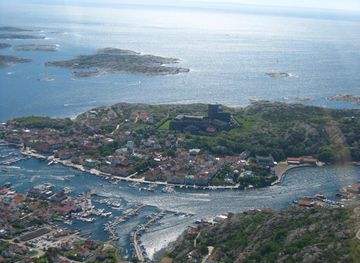
Explore more of Bohuslän
Explore Bohuslän, Sweden's stunning coastal region known for its picturesque islands, rich history, and delectable seafood. A paradise for nature lovers and history enthusiasts.
Explore Bohuslän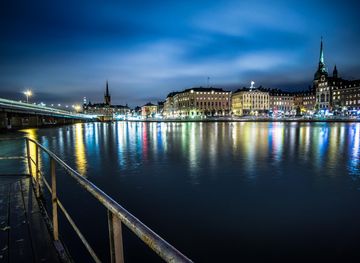
Explore more of Sweden
Discover Sweden's breathtaking landscapes, vibrant cities, and rich cultural heritage. From the Northern Lights to historic castles, experience the essence of Scandinavia.
Explore Sweden
