

Free Bohuslän Travel Guide & Mobile App
Explore Bohuslän with free travel guides. Discover regional history, expert tips, proposed trips, and audio guides on web or mobile app.


Explore Bohuslän’s granite coast, fishing villages, island ferries, Bronze Age carvings and marine landscapes along western Sweden.
Read more about Bohuslän
When is the best time to visit Bohuslän?
Best: June–August · 20–23°C| Month | High (°C) | Rainfall (mm) |
|---|---|---|
| January | 2 | 50 |
| February | 2 | 40 |
| March | 6 | 40 |
| April | 11 | 40 |
| May | 16 | 50 |
| June (best) | 20 | 60 |
| July (best) | 23 | 70 |
| August (best) | 22 | 80 |
| September | 19 | 70 |
| October | 15 | 60 |
| November | 9 | 70 |
| December | 4 | 60 |
Getting to and around Bohuslän
How to get there
Transportation
Top city travel guides in Bohuslän
The cities of Bohuslän, and the easiest places to base yourself.

Swipe for more cities
Destinations in Bohuslän
Resorts, valleys and scenic spots worth a trip of their own.

Swipe for more destinations
Best attractions in Bohuslän
Bohuslän’s attractions are organised around the meeting of land and sea. The Koster Islands and Kosterhavet National Park offer marine excursions, walking paths, swimming places and opportunities to learn about protected habitats, while the wider archipelago can be explored by passenger ferry, kayak or guided boat. Fishing communities such as Smögen, Kungshamn, Fjällbacka, Grebbestad and Strömstad provide working harbours, waterfront walks and access to boating culture rather than a single monumental sight. On the mainland, the Tanum rock carvings form the region’s most important archaeological attraction, with panels distributed across a broad cultural landscape. Museums include the Bohusläns museum in Uddevalla, which places maritime life, archaeology and local history in context. Families and wildlife enthusiasts can visit Nordens Ark near Hunnebostrand, a conservation-oriented animal park. Tjörn and Orust add galleries, sculpture, boat-building traditions and rural coastal scenery, while Marstrand combines island walks, sailing heritage and Carlsten Fortress. Walking, cycling, seal-spotting, kayaking and sea swimming are central experiences, but the exposed coastline and changing weather make sensible planning essential.
-
Tourist attraction
Tjolöholm Castle
A Tudor‑inspired Arts & Crafts castle on a rocky west‑coast peninsula, where crafted interiors meet seaside gardens and living estate buildings.
-
Tourist attraction
Nordens Ark
A conservation-driven wildlife park on the Åby säteri estate, where managed landscapes support breeding and reintroduction of endangered species.
-
Tourist attraction
Feskekörka
A vaulted 19th‑century fishmarket where fresh catch, smoky flavours and canal-side dining meet in Gothenburg’s beloved 'fish church'.
-
Tourist attraction
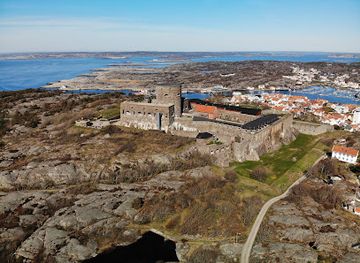
Carlstens Fästning
A commanding stone fortress above Marstrand harbour—centuries of sieges, prisoners and coastal defence wrapped in panoramic ramparts and granite walls.


Best landmarks in Bohuslän
The most recognisable historic landmark in Bohuslän is Carlsten Fortress on Marstrand, whose massive stone defences dominate the island and embody the coast’s former military importance. Near Tanum, the Vitlycke rock-carving panel and related sites are among Sweden’s most significant prehistoric landmarks; their ships, figures and animals are cut into the granite of a landscape associated with Bronze Age farming and seafaring. The long wooden Smögenbryggan, although shaped by tourism as well as fishing, remains a prominent expression of the region’s harbour architecture and maritime identity. Kosterhavet’s low islands and open sea form a natural landmark of national significance, with a landscape that changes from sheltered channels to exposed granite shores. The Pater Noster lighthouse on Hamneskär, off the Marstrand area, is another memorable maritime marker, while the historic fishing settlements of Gullholmen, Mollösund and Fjällbacka preserve dense clusters of timber buildings, narrow lanes and harbour-front structures. Together these places show how defence, navigation, fishing, settlement and geology have shaped Bohuslän’s visual character.
-
Castle
Läckö Castle
Sweden's Baroque jewel on Vänern's edge: opulent halls, formal gardens, and 700 years of noble intrigue amid island wilderness.
-
Tourist attraction
Bohus Fortress
Unconquered 700-year-old cliffside ruin above the Göta River, brimming with Nordic siege lore, dungeons, and medieval vibes near Gothenburg.
-
Historical landmark
Skansen Kronan
17th-century fortress atop Skansberget: Untested granite sentinel with Gothenburg's premier city-and-harbor panoramas, historic charm, and seasonal café vibes.
-
Historical landmark
Carlstens Fästning
Towering sentinel of Bohuslän: Explore Carlstens Fästning's siege-scarred walls, convict-forged granite, and sweeping sea vistas on historic Marstrandsön.


Explore Bohuslän on the map
Plan your trip on one map. See where the top cities, national parks and sights are, and book hotels and experiences in a few clicks.
Best hotels in Bohuslän
Best restaurants in Bohuslän
Seafood is the defining feature of Bohuslän’s dining culture, reflecting both the cold Skagerrak waters and the region’s fishing and aquaculture traditions. Menus commonly feature prawns, mussels, lobster when in season and oysters, particularly along the northern coast around Grebbestad and Strömstad, where oyster culture is an important part of local identity. Fish restaurants, harbour cafés, traditional inns and summer smokehouses range from informal counters to contemporary kitchens that combine shellfish with Swedish produce. Inland farms contribute vegetables, dairy products and meat, while bakeries and cafés provide familiar Swedish pastries and coffee. Look for daily catches, locally sourced shellfish and seasonal menus rather than assuming that every waterfront restaurant has an identical offering. Prices and opening patterns vary considerably between the busy summer months and the quieter off-season, when smaller coastal communities may have limited dining options.
-
Fine Dining
Heaven 23
Fine dining and crafted cocktails with sweeping panoramic views from the top of Gothia Towers in central Gothenburg.
-
Seafood
Långedrag Värdshus
Seafood haven with archipelago panoramas, perfect for intimate dinners or grand celebrations at Gothenburg's harbor edge.
-
Restaurant
Bord 27
Cozy Haga gem serving inventive Swedish plates in an intimate 27-seat space—relaxed vibes meet bold flavors from local ingredients.
-
Seafood
Tullhuset Restaurang, Hönö
Seafood sanctuary on Hönö: Fresh catches, waterfront bliss, and 23 years of archipelago passion—just 30 minutes from Gothenburg.


Best bars in Bohuslän
Bohuslän’s evening life is chiefly maritime and seasonal rather than centred on a large club scene. In Marstrand, Smögen, Kungshamn, Lysekil and other busy summer ports, visitors find waterfront restaurants, hotel bars and seasonal venues where sailing crowds and holidaymakers stay out later during the long Scandinavian evenings. Traditional pubs and historic inns are more common than dedicated nightclubs in smaller towns, while Uddevalla provides a broader year-round selection of bars, live music and cultural events. Some harbours host occasional concerts or summer entertainment, but programmes change and should be checked locally. Craft beer, Swedish spirits and non-alcoholic drinks are widely available, and an evening walk by the water is often as characteristic of the region as a late venue. On the islands and in rural areas, nightlife generally ends earlier and depends on ferry and transport arrangements.
-
Cocktail bar
ICEBAR Stockholm by ICEHOTEL
Discover the frosty allure of ICEBAR Stockholm, a unique cocktail bar made entirely of ice, offering unforgettable drinks in a stunning environment.
-
Bar
Röda Sten Restaurang
Seasonal, vegetarian-friendly café and bar set in a converted industrial riverside space with baked goods, meze plates and a creative, artsy vibe.
-
Bar
Rockbaren
A gritty, multi‑level rock bar near Avenyn serving hearty pub food, beers and late‑night music in a memorabilia‑filled setting.
-
Gastropub
Beerista
Göteborg's go-to gastropub on Avenyn, pouring extensive craft beers from local micros and world brewers alongside global-inspired pub grub in a cozy, social vibe.


Best nightclubs in Bohuslän
Bohuslän’s evening life is chiefly maritime and seasonal rather than centred on a large club scene. In Marstrand, Smögen, Kungshamn, Lysekil and other busy summer ports, visitors find waterfront restaurants, hotel bars and seasonal venues where sailing crowds and holidaymakers stay out later during the long Scandinavian evenings. Traditional pubs and historic inns are more common than dedicated nightclubs in smaller towns, while Uddevalla provides a broader year-round selection of bars, live music and cultural events. Some harbours host occasional concerts or summer entertainment, but programmes change and should be checked locally. Craft beer, Swedish spirits and non-alcoholic drinks are widely available, and an evening walk by the water is often as characteristic of the region as a late venue. On the islands and in rural areas, nightlife generally ends earlier and depends on ferry and transport arrangements.
-
Night club
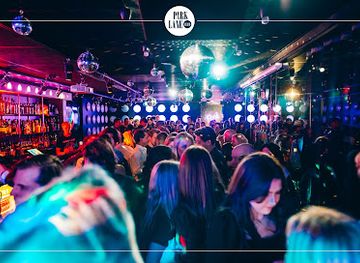
Park Lane
Gothenburg's electrifying krogshow and top nightclub: dinner theater magic morphs into all-night dance frenzy on lively Avenyn.
-
Karaoke bar
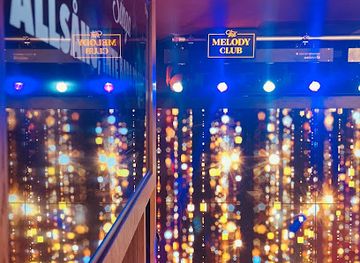
The Melody Club
Private karaoke studios, theatrical cocktails and a lively bar scene — sing, dine and perform in the heart of Gothenburg.
-
Night club
Valand
Göteborg's legendary multi-level nightlife palace since 1886: chandeliers, art, dance floors, stages, and non-stop energy from afterwork to dawn.
-
Night club
Excet
Göteborg's mega-club on Avenyn: five dance floors, nine bars, rooftop mayhem—pure nightlife overload from house to hits.


Best shops in Bohuslän
Shopping in Bohuslän is concentrated in small market towns, harbour streets and independent galleries rather than large urban retail districts. Smögenbryggan and the centres of Lysekil, Marstrand, Fjällbacka and Strömstad offer seasonal boutiques, maritime gifts, clothing, design items and cafés, while Uddevalla provides the widest year-round choice of ordinary retail. Galleries and craft shops across Tjörn, Orust and the coastal villages sell ceramics, glass, paintings, textiles, jewellery and other work by artists connected with the region’s strong cultural scene. Food is one of the most practical souvenirs: look for preserved fish, smoked seafood, crispbread, local confectionery and packaged shellfish products that can travel safely. Farmers’ stalls and small producers are more common in summer, and availability varies by village and day of the week. Buy responsibly from working harbours and independent makers, remembering that a number of coastal shops operate mainly during the high season.
-
Department store
NK Stockholm
Stockholm’s iconic luxury department store since 1915 — a historic granite landmark housing fashion, design, and a celebrated food hall.
-
Souvenir store
Swedish Souvenir Haga
A compact Haga shop for classic Swedish keepsakes, local ceramics and friendly, personable service in a cobbled, historic setting.
-
Store
Göksäter
Large rural department store on Orust with wide-ranging homewares, a café and a family-friendly outdoor play area — practical shopping with a local feel.
-
Department store
Biltema Uddevalla
Sweden's go-to warehouse for tools, auto parts, home fixes, and family gear—all at unbeatable low prices in renovated 5,500 m² space.


Get your free copy of our complete guide to Bohuslän, delivered straight to you.
Everything on this page, from attractions and restaurants to essentials and local phrases, in one PDF you can read offline, print or share.
Already have an account? Sign in
Your Bohuslän guide is ready.
We'll send it to · Not you? Sign out

Getting your guide ready…
We are putting together a fresh copy of the Bohuslän guide. This can take up to a minute.
This can take a few moments. If your browser asks, choose Allow so the download can start. You'll find the guide in your Downloads folder.
Nothing happened? Download it again
Sorry, the guide is taking longer than usual. Please try again in a minute, or get it by email instead.
Bohuslän essentials
Currency and Payment
Safety
Emergency Situations
Do's and Don'ts
Local Tips
From Eve
Local phrases worth knowing
You don't need to get them perfect. A few words go a long way, and locals appreciate the effort.
Basics
| English | Local | Say it |
|---|---|---|
| Hello | Hej | [hay] |
| Goodbye | Adjö | [ah-yuh] |
| Yes | Ja | [yah] |
| No | Nej | [nay] |
| Please/You're welcome | Snälla/Tack så mycket | [snell-ah/tahk saw mick-eh] |
| Thank you | Tack | [tahk] |
| Excuse me/Sorry | Ursäkta mig/Förlåt | [oor-sehk-tah mai/fur-loht] |
| How are you? | Hur mår du? | [hoor mohr doo] |
| Fine. And you? | Bra. Och du? | [brah. ohk doo] |
| Do you speak English? | Talar du engelska? | [tah-lar doo eng-el-skah] |
| I don't understand | Jag förstår inte | [yahg fur-stor in-teh] |
Eating & Drinking
| English | Local | Say it |
|---|---|---|
| I'd like to see the menu, please | Jag skulle vilja se menyn, snälla | [yahg skool-leh vil-yah seh meh-nyun, snell-ah] |
| I don't eat meat | Jag äter inte kött | [yahg eh-ter in-teh shuht] |
| Cheers! | Skål! | [skawl] |
| I would like to pay, please | Jag skulle vilja betala, snälla | [yahg skool-leh vil-yah beh-tah-lah, snell-ah] |
Emergencies
| English | Local | Say it |
|---|---|---|
| Help! | Hjälp! | [yelp] |
| Go away! | Gå bort! | [gaw bort] |
| Call the Police! | Ring polisen! | [ring poh-lee-sen] |
| Call a doctor! | Ring en läkare! | [ring en leh-kah-reh] |
| I'm lost | Jag är vilse | [yahg air vil-seh] |
| I'm ill | Jag är sjuk | [yahg air shoo-k] |
Shopping
| English | Local | Say it |
|---|---|---|
| I'd like to buy... | Jag skulle vilja köpa... | [yahg skool-leh vil-yah sher-pah...] |
| I'm just looking | Jag tittar bara | [yahg tit-tar bar-ah] |
| How much is it? | Hur mycket kostar det? | [hoor mick-et koh-star deh] |
| That's too expensive | Det är för dyrt | [deh air fur deer-t] |
| Can you lower the price? | Kan du sänka priset? | [kan doo seng-kah pree-set] |
Time & Numbers
| English | Local | Say it |
|---|---|---|
| What time is it? | Vad är klockan? | [vahd air klok-kahn] |
| It's one o'clock | Det är ett | [deh air ett] |
| Half past (10) | Halv (10) | [halv (10)] |
| Morning | Morgon | [mor-gon] |
| Afternoon | Eftermiddag | [ef-ter-mid-dahg] |
| Evening | Kväll | [kveh-l] |
| Yesterday | Igår | [ee-gor] |
| Today | Idag | [ee-dahg] |
| Tomorrow | Imorgon | [ee-mor-gon] |
| 1 | 1 | [ett] |
| 2 | 2 | [två] |
| 3 | 3 | [tre] |
| 4 | 4 | [fyra] |
| 5 | 5 | [fem] |
| 6 | 6 | [sex] |
| 7 | 7 | [sju] |
| 8 | 8 | [åtta] |
| 9 | 9 | [nio] |
| 10 | 10 | [tio] |
Transport & Directions
| English | Local | Say it |
|---|---|---|
| Where's a/the...? | Var är en/den...? | [var air en/den...?] |
| What's the address? | Vad är adressen? | [vahd air ah-dress-en] |
| Can you show me (on the map)? | Kan du visa mig (på kartan)? | [kan doo vee-sah mai (poh kar-tahn)?] |
| When's the next (bus)? | När går nästa (buss)? | [nair gorr nes-tah (boos)?] |
| A ticket (to ....) | En biljett (till ....) | [en bee-yett (till ....)] |
History of Bohuslän
Bronze Age rock-art landscapes at Tanum
The rock carvings around Tanum were created mainly during the Nordic Bronze Age and early Iron Age, when communities used exposed slabs of Bohuslän granite as durable surfaces for images and symbols. Ships, animals, humans, weapons and ritual scenes provide evidence of seafaring, social hierarchy and belief, although individual interpretations remain debated. The Vitlycke panel is the best-known site, but the World Heritage property includes several related locations across the Tanum area. Their importance lies not simply in the artistry of individual figures but in the concentration of carvings within a changing agricultural and maritime landscape.
Bohuslän under Norway and the medieval frontier
For much of the Middle Ages, Bohuslän formed part of Norway and occupied a strategically important position beside the Skagerrak. Coastal settlements, churches and trading places developed within a wider Scandinavian maritime economy, while the Bohus fortress near modern Kungälv guarded the southern approach to the province. Fishing, farming and seaborne trade supported communities along the inlets and islands. The region’s location between Norway, Denmark and Sweden meant that political borders were repeatedly experienced through taxation, warfare and commerce rather than as distant abstractions.
The transfer to Sweden in 1658
The Treaty of Roskilde in 1658 transferred Bohuslän from Denmark–Norway to Sweden, together with several other territories. The change altered administration, military planning and the direction of regional trade, although established communities and maritime connections did not disappear overnight. Swedish authorities strengthened coastal fortifications, and Marstrand became an important strategic and commercial centre. Carlsten Fortress, founded in the seventeenth century and expanded over subsequent decades, reflects the continuing military value of the coast during an era of rivalry between Scandinavian powers.
Herring, shipping and coastal commerce
Seasonal herring fisheries transformed parts of Bohuslän at several points, most notably during the great herring period of the eighteenth century. Large catches brought workers, merchants, salting facilities and temporary prosperity to coastal settlements, while fishing and shipping connected villages to markets beyond Sweden. Later, small-scale fishing, pilotage, boat-building and maritime transport remained central to places such as Smögen, Kungshamn, Grebbestad and Strömstad. The simple wooden buildings, harbour layouts and working waterfronts preserved in many communities are reminders of an economy shaped by the sea rather than by large inland towns.
The rise of canning and modern fishing industries
During the nineteenth and twentieth centuries, changing fishing methods, improved transport and the development of fish-processing and canning industries altered Bohuslän’s coastal economy. Factories and commercial harbours helped turn seasonal fishing into more organised production, while rail and road links connected ports with urban markets. The industry fluctuated with fish stocks, market conditions and regulation, and many communities later diversified into tourism, aquaculture and service work. Modern Bohuslän still carries this industrial legacy in harbour buildings, boat traditions, seafood businesses and museums.
Tourism, sailing and the protected coast
Improved transport and the appeal of sea bathing brought visitors to Bohuslän from the late nineteenth century onwards, gradually changing fishing villages into summer destinations as well as working ports. Sailing, holiday cottages, kayaking and coastal walking later broadened the visitor economy. At the same time, conservation has become increasingly important: the Kosterhavet marine national park, established in 2009, protects a biologically rich marine environment, while the Tanum rock-art area safeguards internationally significant archaeological remains. Contemporary Bohuslän therefore balances tourism and maritime livelihoods with the preservation of fragile landscapes and ecosystems.
Bohuslän in Photos
Browse through our photo collection highlighting the charm and character of the destination.
Neighbouring regions of Bohuslän
The closest regions to Bohuslän, if you have time for more than one.
-

-

-
-

-


Swipe for more regions
Explore more
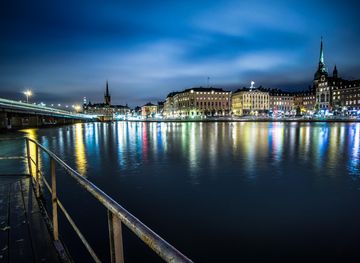
Explore more of Sweden
Discover Sweden's breathtaking landscapes, vibrant cities, and rich cultural heritage. From the Northern Lights to historic castles, experience the essence of Scandinavia.
Explore Sweden