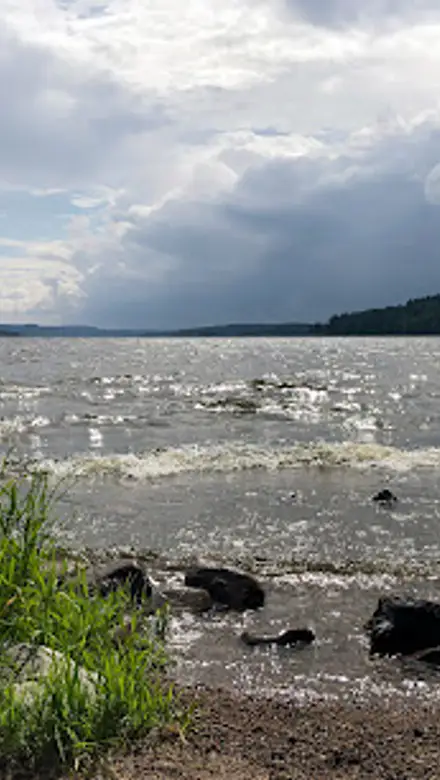
Gräfsnäs castle ruins Travel Guide
Free Guide: A tranquil lakeside ruin in an historic park where stone towers, vaulted remnants and waterside trees trace five centuries of building, burning and repair.


A brief summary of Gräfsnäs castle ruins
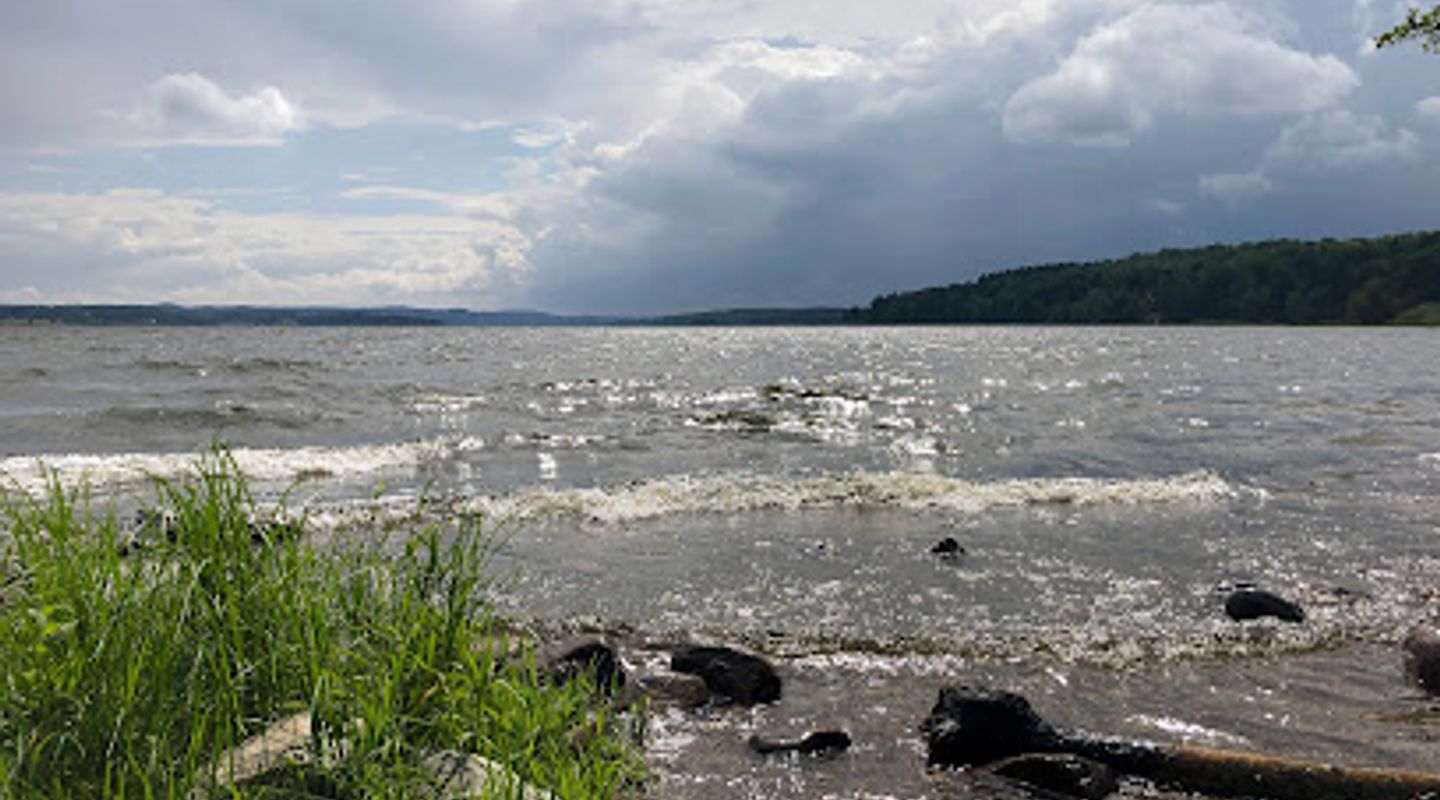
A tranquil lakeside ruin in an historic park where stone towers, vaulted remnants and waterside trees trace five centuries of building, burning and repair.
Gräfsnäs Castle Ruins sit on a wooded promontory in the Anten lake system near Sollebrunn, the atmospheric remains of a 16th‑century manor that burned and was rebuilt several times and is now conserved within an historic park. Stone walls, towers and fragments of vaulted chambers rise above lawns and lakeshore paths, surrounded by mature trees, picnic lawns and scattered heritage buildings that together form a leisurely cultural landscape.
On-site amenities
 Seating areas
 Picnic areas
 Information boards
Opening hours
- Every dayOpen 24 hours
Opening hours as listed on the venue’s Google Business Profile. Hours can change for services and special events, so check with the venue before you go.
- Address
- 441 72, Kungsallén 35, 466 95 Sollebrunn
- Website
Getting there
By car
Regional bus + walk
Steam heritage railway (seasonal)
Discover more about Gräfsnäs castle ruins
Palimpsest of Stone and Fire
Gräfsnäs is a ruin whose fabric records cycles of construction, conflagration and repair. The visible masonry dates to a 16th‑century manor that replaced an earlier stronghold; later rebuilds and restorations left a layered appearance — buttressed curtain walls, the skeleton of towers and vaults, and later stone repairs that read as different eras in the same silhouette.
Landscape and Setting on the Anten Waters
The ruin occupies a low promontory that looks across pockets of lake and reed — the water frames the masonry and once underpinned the castle’s defensive design. Walking paths fan out from the ruin into parkland with specimen trees, open lawns and sheltered glades; the tactile contrasts between cool stone, soft moss and the reflective surface of the lake shape how the site is experienced across seasons.
Architectural Traces to Read
Fragments of vaulted chambers and the remains of towers give clues to how the building functioned: service ranges, fortified façades and high halls are readable in ruined apertures and surviving wall thicknesses. In places you can see the patchwork repairs where later centuries tried to stabilise what storms and fire had taken; these repairs tell as much about attitudes to heritage as the original masonry does about defensive intent.
Park, Collections and Nearby Heritage Buildings
The ruined keep sits within a managed park that contains relocated farm buildings, small heritage structures and signage that frames the broader estate history. The park’s lawns and picnic clearings encourage slow visits and discovery — benches and clearings create punctuation points from which to study the ruin or watch light shift across the water at dusk.
Seasonal Character and Sensory Details
In spring the site smells of wet earth and new leaves; summer brings buzzing insects, bright green lawns and warm stone to sit on. Autumn amplifies colours as the trees flame, while winter strips the place back to geometry — bare branches, frost on low walls and a quiet that makes the ruins feel both fragile and resilient.
Stories Embedded in Place
Gräfsnäs carries a long human story: a succession of owners, defensive work and at least one dramatic fire that shaped its later form. The ruin is both a monument to high‑status life in the region and an open text for visitors: it encourages visitors to read construction details, imagine daily life within its walls and consider how landscape and architecture interact across centuries.
Evendo Review Centre
 Google
Guest reviews
Best time to go
Quietest: Jan, Feb & Dec · before 6am or at 9pm
Busy times are Evendo estimates for a typical year, to help you plan. Actual crowds vary with events, school holidays and the weather.
Explore Gräfsnäs castle ruins on the map
A handpicked selection of must-see spots near Gräfsnäs castle ruins, mapped for you.
Get your free copy of our complete guide to Gräfsnäs castle ruins, delivered straight to you.
Everything on this page, from opening hours and how to get there to Eve’s tips and the best time to go, in one PDF you can read offline, print or share.
Already have an account? Sign in
Your Gräfsnäs castle ruins guide is ready.
We'll send it to · Not you? Sign out

Getting your guide ready…
We are putting together a fresh copy of the Gräfsnäs castle ruins guide. This can take up to a minute.
This can take a few moments. If your browser asks, choose Allow so the download can start. You'll find the guide in your Downloads folder.
Nothing happened? Download it again
Sorry, the guide is taking longer than usual. Please try again in a minute, or get it by email instead.
Other nearby places you may find interesting
The closest places of the same kind, if this one is not quite what you had in mind.
-
-
-
-
-


Swipe for more places
More to explore near Gräfsnäs castle ruins

 Best experiences near Gräfsnäs castle ruins
 Best hotels near Gräfsnäs castle ruins
 Best landmarks near Gräfsnäs castle ruins
 Best attractions near Gräfsnäs castle ruins
 Best shops near Gräfsnäs castle ruins
 Best restaurants near Gräfsnäs castle ruins
 Best bars near Gräfsnäs castle ruins
Do you manage this location?
Take control to get all the benefits, like improved information, better appearance, and stronger visibility across AI-powered discovery.
Explore more
Explore more of Bohuslän
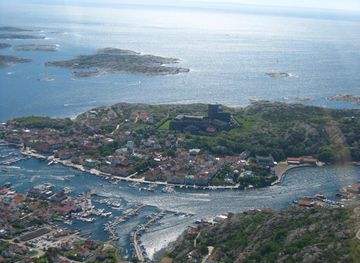
Explore Bohuslän, Sweden's stunning coastal region known for its picturesque islands, rich history, and delectable seafood. A paradise for nature lovers and history enthusiasts.
Explore Bohuslän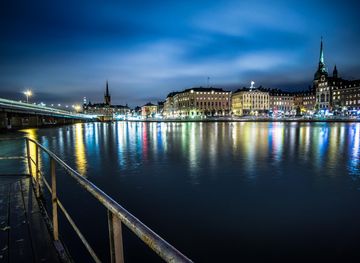
Explore more of Sweden
Discover Sweden's breathtaking landscapes, vibrant cities, and rich cultural heritage. From the Northern Lights to historic castles, experience the essence of Scandinavia.
Explore Sweden