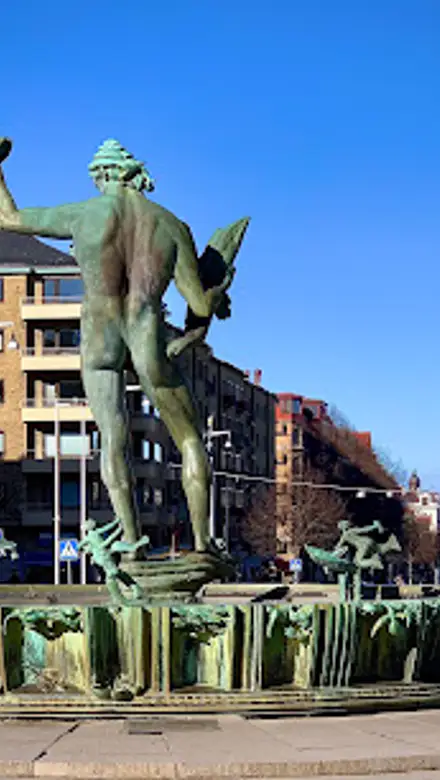
Götaplatsen Travel Guide
Free Guide: Gothenburg's cultural crossroads: Poseidon presides over art, music, and grand gatherings in this iconic square since 1923.


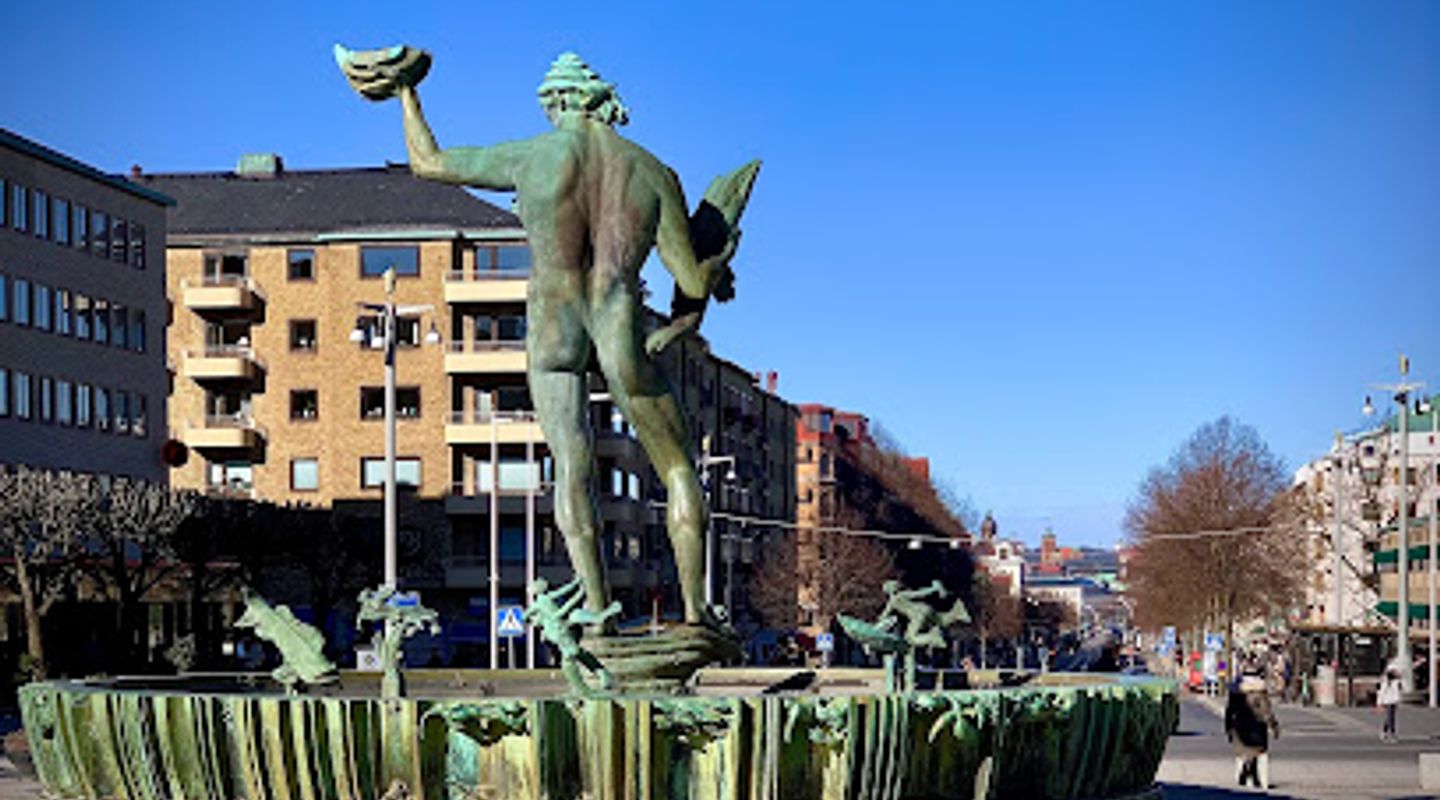
A brief summary of Götaplatsen
Gothenburg's cultural crossroads: Poseidon presides over art, music, and grand gatherings in this iconic square since 1923.
Götaplatsen is Gothenburg's vibrant cultural heart, a grand public square at the end of Avenyn boulevard. Dominated by Carl Milles' iconic Poseidon statue, it is encircled by the Gothenburg Museum of Art, Concert Hall, City Theatre, and City Library. This open space hosts festivals, concerts, and gatherings amid neoclassical architecture and monumental sculptures, embodying the city's artistic legacy since its 1923 inauguration.
On-site amenities
 Restrooms
 Drink options
 Food options
 Seating areas
 Trash bins
 Information boards
Opening hours
- Every dayOpen 24 hours
Opening hours as listed on the venue’s Google Business Profile. Hours can change for services and special events, so check with the venue before you go.
- Address
- Götaplatsen, 412 56 Göteborg
Getting there
Tram
Walking
Bus
Taxi
Discover more about Götaplatsen
Birth of a Cultural Epicenter
Götaplatsen emerged from rural land in the early 20th century, transformed by architects Sigfrid Ericson and Arvid Bjerke starting in 1921. Its official unveiling coincided with Gothenburg's 300th anniversary and the 1923 International Exposition, marking a pivotal urban renewal. The square quickly became a symbol of progress, with wide stone terraces and sweeping stairs designed to impress visitors from around the world.The centerpiece, a towering bronze statue of Poseidon wielding a trident, was sculpted by Carl Milles and inaugurated in 1931. This dynamic figure, striding forward with water jets at his feet, captures the sea god's power, reflecting Gothenburg's maritime roots.
Architectural Masterpieces Encircling the Square
Surrounding Götaplatsen are Gothenburg's premier cultural institutions, each a testament to early 20th-century design. The Gothenburg Museum of Art, completed in 1934, dominates with its seven grand arches and majestic steps, housing Nordic masterpieces and international works. Opposite stands the Concert Hall, opened in 1935, home to the Gothenburg Symphony Orchestra, its functionalist lines harmonizing with the square's grandeur.The City Theatre, also from 1934, adds dramatic flair, while the City Library, built in 1967, brings modernist touches. These buildings frame the open plaza, creating a stage-like arena where architecture dialogues with public life.
Poseidon and Artistic Sentinels
Beyond Poseidon, the square brims with sculptures that punctuate its expanse. Bronze figures by Milles and others stand as guardians, their forms blending myth with modernity. The fountain's rhythmic water play adds a sensory layer, especially under summer sun or illuminated at dusk.These artworks invite contemplation, their weathered patinas telling stories of decades exposed to Baltic winds and rain. The layout encourages wandering, with sightlines drawing eyes from the statue to Avenyn's distant shimmer.
Seasonal Rhythms and Public Life
Summer awakens Götaplatsen with free concerts, street performers, and the annual culture festival featuring Swedish bands. Wide pavements host picnickers and impromptu gatherings, the air alive with music echoing off stone facades.Winter quiets the scene, frost etching patterns on Poseidon’s trident, while lights cast golden glows on arches. Year-round, it serves as a crossroads, blending everyday strolls with momentous events like celebrations and protests.
Enduring Legacy in Urban Fabric
Renovations in the 1990s and 2010 preserved Götaplatsen's bones while updating infrastructure, ensuring its role as Gothenburg's cultural nexus. It anchors the city's identity, where art, music, and community intersect in a space that feels both monumental and intimate.Visitors sense its pulse immediately—the scale inspires awe, yet the openness welcomes all, fostering connections in Gothenburg's creative core.
Evendo Review Centre
 Google
Guest reviews
Best time to go
Quietest: Jan, Feb & Mar · before 3am
Busy times are Evendo estimates for a typical year, to help you plan. Actual crowds vary with events, school holidays and the weather.
Explore Götaplatsen on the map
A handpicked selection of must-see spots near Götaplatsen, mapped for you.
Get your free copy of our complete guide to Götaplatsen, delivered straight to you.
Everything on this page, from opening hours and how to get there to Eve’s tips and the best time to go, in one PDF you can read offline, print or share.
Already have an account? Sign in
Your Götaplatsen guide is ready.
We'll send it to · Not you? Sign out

Getting your guide ready…
We are putting together a fresh copy of the Götaplatsen guide. This can take up to a minute.
This can take a few moments. If your browser asks, choose Allow so the download can start. You'll find the guide in your Downloads folder.
Nothing happened? Download it again
Sorry, the guide is taking longer than usual. Please try again in a minute, or get it by email instead.
Other nearby places you may find interesting
The closest places of the same kind, if this one is not quite what you had in mind.
-
-
-
-
-


Swipe for more places
More to explore near Götaplatsen

 Best experiences near Götaplatsen
 Best hotels near Götaplatsen
 Best landmarks near Götaplatsen
 Best attractions near Götaplatsen
 Best shops near Götaplatsen
 Best restaurants near Götaplatsen
 Best bars near Götaplatsen
Do you manage this location?
Take control to get all the benefits, like improved information, better appearance, and stronger visibility across AI-powered discovery.
Explore more
Explore more of Götaland
Discover Götaland: Explore Southern Sweden's Rich History, Breathtaking Landscapes, and Vibrant Culture
Explore Götaland
Explore more of Sweden
Discover Sweden's breathtaking landscapes, vibrant cities, and rich cultural heritage. From the Northern Lights to historic castles, experience the essence of Scandinavia.
Explore Sweden