

Free Götaland Travel Guide & Mobile App
Explore Götaland with free travel guides. Discover regional history, expert tips, proposed trips, and audio guides on web or mobile app.


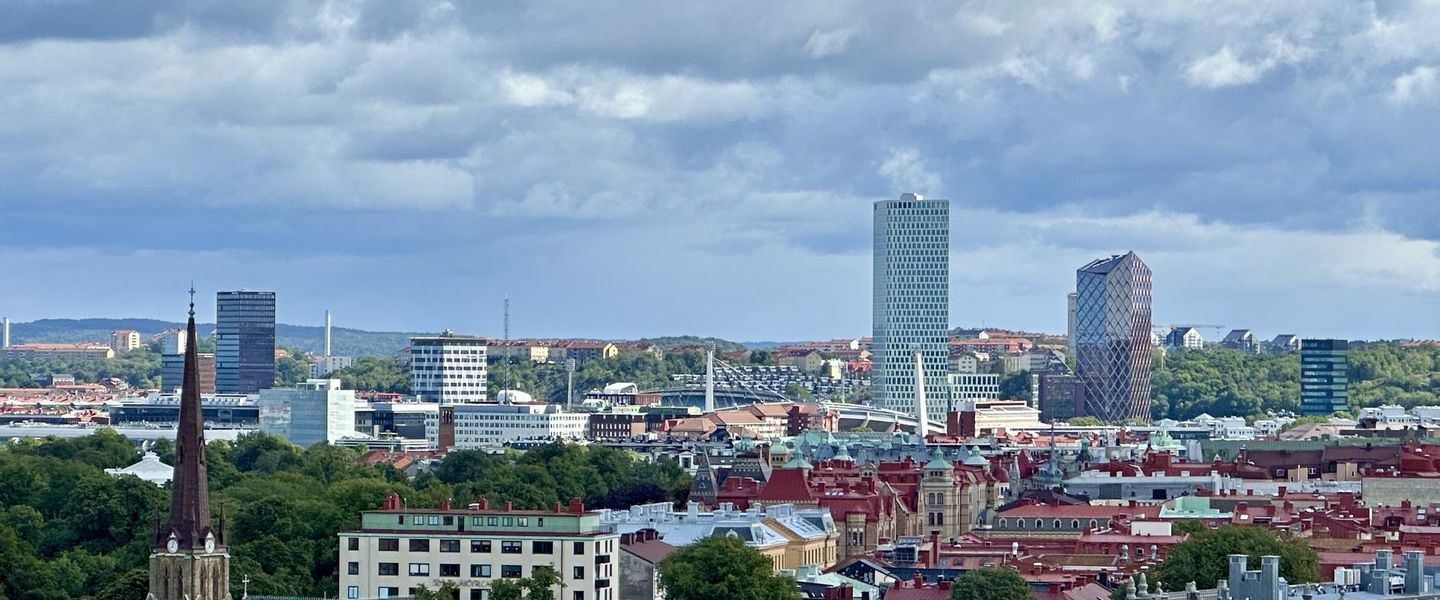


Discover Götaland: Explore Southern Sweden's Rich History, Breathtaking Landscapes, and Vibrant Culture
Read more about Götaland
When is the best time to visit Götaland?
Best: June–August · 21–23°C| Month | High (°C) | Rainfall (mm) |
|---|---|---|
| January | 2 | 45 |
| February | 3 | 35 |
| March | 7 | 40 |
| April | 11 | 40 |
| May | 17 | 50 |
| June (best) | 21 | 65 |
| July (best) | 23 | 80 |
| August (best) | 22 | 80 |
| September | 18 | 65 |
| October | 13 | 60 |
| November | 7 | 55 |
| December | 4 | 55 |
Getting to and around Götaland
How to get there
Transportation
Top city travel guides in Götaland
The cities of Götaland, and the easiest places to base yourself.
-

-
-

-

-

-


Swipe for more cities
Destinations in Götaland
Resorts, valleys and scenic spots worth a trip of their own.
-

-

-


Swipe for more destinations
Best attractions in Götaland
Götaland, the southern gem of Sweden, beckons travelers with its rich tapestry of attractions that span from the ancient to the contemporary. Visitors can explore the historical marvel of Visby on Gotland Island, a UNESCO World Heritage site known for its well-preserved medieval city walls and charming cobblestone streets. Nature enthusiasts will revel in the serene beauty of the archipelago and the stunning landscapes of Skåne, where rolling hills and golden beaches await. For a touch of Nordic history, the impressive Kalmar Castle offers a glimpse into the Renaissance era, while the rock carvings of Tanum in Bohuslän provide a fascinating peek into prehistoric life. The vibrant city of Gothenburg pulses with cultural energy, from its bustling Liseberg amusement park to the world-class Universeum science center and the picturesque Haga district filled with quaint cafes and boutiques. Whether you're drawn to the storied past or the vibrant present, Götaland promises an unforgettable journey through Sweden's captivating southern landscapes.
-
Museum
Vasa Museum
Marvel at the world's only preserved 17th-century ship, a towering testament to Sweden's naval glory and dramatic downfall on display in Stockholm's premier maritime museum.
-
Shopping mall
Westfield Mall of Scandinavia
Scandinavia’s large modern shopping and entertainment hub — over 200 stores, a major dining quarter and Sweden’s commercial IMAX under one luminous roof.
-
Tourist attraction
Universeum
Journey through rainforests, oceans, wilderness, and space in Gothenburg's ultimate science adventure—where curiosity meets the wonders of the world.
-
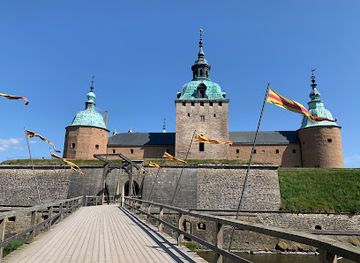
Castle
Kalmar Castle
A compact Renaissance palace and medieval fortress on an islet — eight centuries of Nordic history, gardens and museum displays in the heart of Kalmar.


Best landmarks in Götaland
Götaland, Sweden's southern gem, beckons visitors with its rich tapestry of historical and natural wonders. Wander through the medieval streets of Visby, a UNESCO World Heritage site, where ancient city walls and charming cobblestone lanes transport you back in time. Explore the awe-inspiring ruins of Borgholm Castle on the island of Öland, offering panoramic views of the surrounding landscapes. Delve into the Viking heritage at the Rök Runestone, the world's longest runic inscription, or marvel at the grandeur of the Göta Canal, an engineering marvel of the 19th century. Nature enthusiasts can lose themselves in the lush beauty of the Småland forests or the serene archipelagos scattered along the coastline. The bustling city of Gothenburg, with its vibrant cultural scene and historic Haga district, promises an eclectic mix of modernity and tradition. Each landmark in Götaland tells a story, inviting visitors to uncover the layers of history, culture, and breathtaking scenery that define this captivating region.
-
 Castle
The Royal Palace
One of Europe’s largest working palaces — ceremonial rooms, crown jewels and medieval vaults at the heart of Stockholm’s old town.
-
Castle
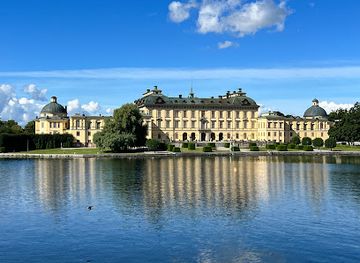
Drottningholm Palace
Sweden's Versailles: A living royal palace with Baroque gardens, Chinese Pavilion, and historic theater on a serene island estate.
-
Castle
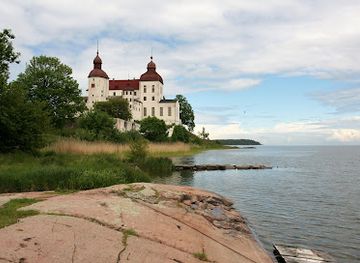
Läckö Castle
Sweden's Baroque jewel on Vänern's edge: 700 years of noble legacy, lavish salons, and archipelago allure await at this turreted icon.
-
Historical landmark
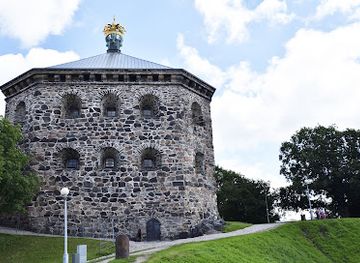
Skansen Kronan
17th-century star fortress atop Skansberget, delivering Gothenburg's grandest panoramas amid historic greens and seasonal café vibes.
Explore Götaland on the map
Plan your trip on one map. See where the top cities, national parks and sights are, and book hotels and experiences in a few clicks.
Best hotels in Götaland
Best restaurants in Götaland
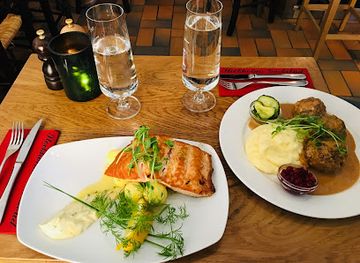
Götaland's dining scene is a tantalizing journey through the culinary heritage and innovative spirit of Sweden. Visitors can expect to savor traditional Swedish delicacies like smörgåsbord, gravlax, and husmanskost in charming, rustic inns that dot the region, while also exploring contemporary Nordic cuisine in sleek, modern bistros and Michelin-starred restaurants. In cities like Gothenburg, the seafood is a must-try, with fresh catches from the North Sea transforming into delectable dishes like creamy fish soup and shrimp sandwiches. The local markets, such as Malmö's Saluhall, offer a vibrant mosaic of flavors, from artisanal cheeses and cured meats to exotic spices and organic produce, reflecting both the simplicity and sophistication of Götaland's culinary landscape.
-
Scandinavian
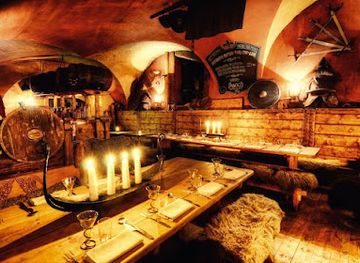
Aifur
A theatrical Viking tavern in Gamla Stan — hearty Scandinavian fare, meads and communal long‑house atmosphere in a vaulted historic cellar.
-
Swedish
Stockholms Gästabud
Authentic Swedish comfort food in Gamla Stan's historic embrace—meatballs, herring, and hearthside warmth on medieval Österlånggatan.
-
Fine Dining
Heaven 23
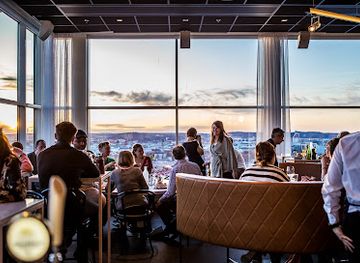
Ascend to Gothenburg's 23rd-floor haven for legendary shrimp sandwiches, craft cocktails, and unmatched skyline panoramas in a stylish sky bar and restaurant.
-
Crêperie
Crêperie & Logi
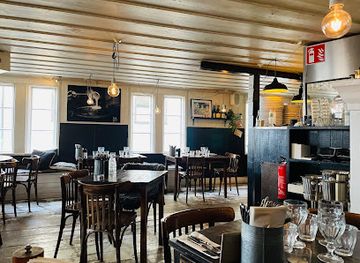
Squeeze into Visby's coziest crêperie for buckwheat galettes, sweet crêpes, crisp cider, and terrace bliss in a medieval wedge house—French heart, Gotland soul.
Best bars in Götaland
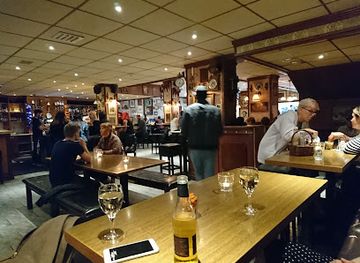
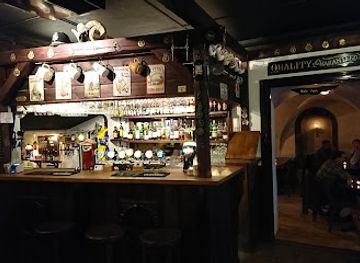
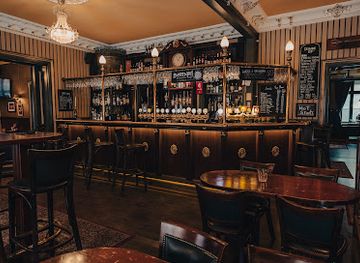
Götaland's nightlife is a vibrant mix of historic charm and modern entertainment, offering everything from intimate tavern-style bars hidden in medieval buildings to bustling nightclubs with cutting-edge design and music. In cities like Gothenburg, you can explore the trendy Avenyn boulevard, lined with chic bars and rooftop lounges that provide stunning views of the cityscape, while in Malmö, the revitalized docklands area is buzzing with lively pubs, dance clubs, and live music venues. For a more laid-back experience, the picturesque coastal towns along the archipelago offer cozy waterfront bars where you can sip on craft beers and enjoy the serene sea views. Whether you're seeking a high-energy night out or a relaxed evening with friends, Götaland's diverse nightlife scene promises an unforgettable experience.
-
Bar
Steampunk Bar
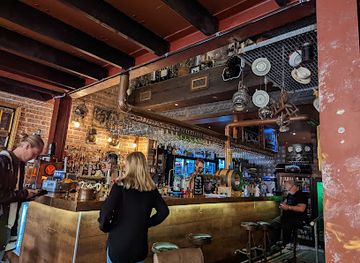
A theatrical Victorian‑industrial bar in central Gothenburg serving steaming cocktails, broad gin and beer lists, and hearty shared plates.
-
Bar
King's Head
Budget-friendly pub in Gothenburg's bohemian Långgatorna, serving cheap drinks and good vibes from afternoon into the night.
-
Bar
Black Sheep Arms
Traditional British pub inside Visby’s medieval walls — hearty fish & chips, local‑beef burgers, craft beers and live music in a cosy, wood‑lined setting.
-
Pub
The Flying Barrel Pub
Warm, unpretentious gastropub on Kristinelundsgatan — generous pub food, rotating craft beers and a cosy basement bar ideal for games and late nights.
Best nightclubs in Götaland
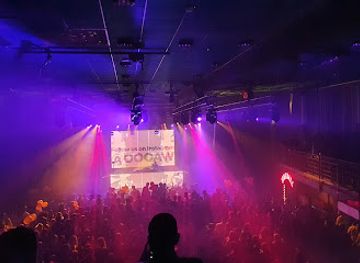
Götaland's nightlife is a vibrant mix of historic charm and modern entertainment, offering everything from intimate tavern-style bars hidden in medieval buildings to bustling nightclubs with cutting-edge design and music. In cities like Gothenburg, you can explore the trendy Avenyn boulevard, lined with chic bars and rooftop lounges that provide stunning views of the cityscape, while in Malmö, the revitalized docklands area is buzzing with lively pubs, dance clubs, and live music venues. For a more laid-back experience, the picturesque coastal towns along the archipelago offer cozy waterfront bars where you can sip on craft beers and enjoy the serene sea views. Whether you're seeking a high-energy night out or a relaxed evening with friends, Götaland's diverse nightlife scene promises an unforgettable experience.
-
Night club
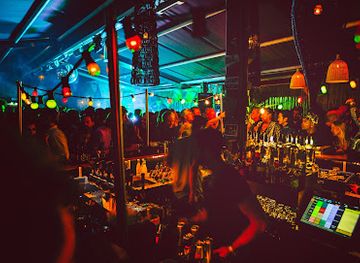
Trädgår'n
Göteborg's electrifying entertainment nexus: concerts, clubs, and craft brews amid stylish surrounds and park vistas.
-
Night club
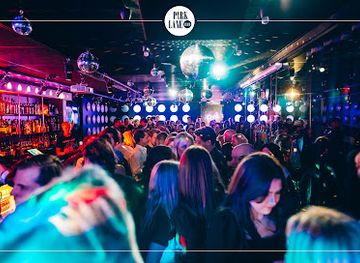
Park Lane
Theatre-style dinner shows and a full-throttle nightclub on Gothenburg’s main boulevard — performance by night, party after midnight.
-
Gay night club
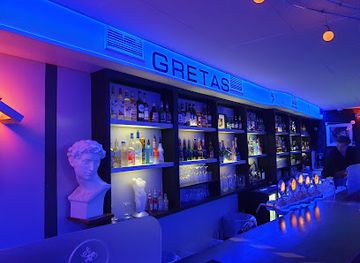
Gretas
Two floors of late-night queer-friendly dance, schlager singalongs and house music in the heart of Gothenburg’s city centre.
-
Night club
Lounge(s)
Three-story nightlife haven on Avenyn: bars, DJ beats, dance floors, and rooftop terrace fueling Göteborg's electric evenings until dawn.
Best shops in Götaland
Götaland's shopping scene is a vibrant blend of traditional Swedish culture and modern trends, offering visitors a unique retail experience. Stroll through the cobblestone streets of charming towns like Gothenburg and Malmö, where you'll find an array of boutiques showcasing Scandinavian design, from minimalist furniture to chic fashion. Don't miss the bustling markets, such as Feskekôrka in Gothenburg, where fresh seafood and local delicacies tempt your taste buds. For a touch of history, explore the quaint shops in historic districts, selling handcrafted goods and souvenirs that tell the story of Götaland's rich heritage. Whether you're hunting for high-end brands, artisanal crafts, or unique antiques, Götaland's diverse shopping options promise to delight every visitor.
-
Shopping mall
Nordstan
Scandinavia's premier shopping haven: 200 stores across eight blocks, blending fashion, food, and festivities in Gothenburg's vibrant core.
-
Shopping mall
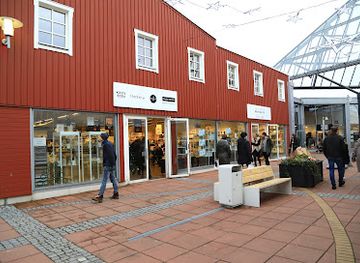
Hede Fashion Outlet
Sweden's top outlet for 150+ brands with up to 70% off—fashion, sport, home goods in a traffic-free outdoor haven near Gothenburg.
-
Souvenir store
Swedish Souvenir Haga
An intimate Haga boutique for classic Swedish keepsakes and West Coast crafts amid the neighbourhood’s cobbled charm.
-
Souvenir store
Haga of gothenburg
An artisan souvenir shop on Haga Nygata offering curated Swedish ceramics, textiles and folk‑art finds in Gothenburg’s historic wooden‑house quarter.


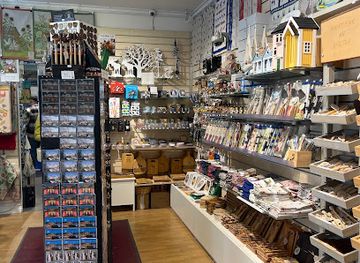
Get your free copy of our complete guide to Götaland, delivered straight to you.
Everything on this page, from attractions and restaurants to essentials and local phrases, in one PDF you can read offline, print or share.
Already have an account? Sign in
Your Götaland guide is ready.
We'll send it to · Not you? Sign out

Getting your guide ready…
We are putting together a fresh copy of the Götaland guide. This can take up to a minute.
This can take a few moments. If your browser asks, choose Allow so the download can start. You'll find the guide in your Downloads folder.
Nothing happened? Download it again
Sorry, the guide is taking longer than usual. Please try again in a minute, or get it by email instead.
Götaland essentials
Currency and Payment
Safety
Emergency Situations
Do's and Don'ts
Local Tips
From Eve
Local phrases worth knowing
You don't need to get them perfect. A few words go a long way, and locals appreciate the effort.
Basics
| English | Local | Say it |
|---|---|---|
| Hello | Hej | [hay] |
| Goodbye | Hej då | [hay daw] |
| Yes | Ja | [yah] |
| No | Nej | [nay] |
| Please/You're welcome | Snälla/Tack så mycket | [snel-la/tahk so myek] |
| Thank you | Tack | [tahk] |
| Excuse me/Sorry | Ursäkta mig/Förlåt | [ur-sek-ta may/Fur-loht] |
| How are you? | Hur mår du? | [hur more doo] |
| Fine. And you? | Bra. Och du? | [bra. ok doo] |
| Do you speak English? | Talar du engelska? | [tah-lar doo eng-el-ska] |
| I don't understand | Jag förstår inte | [yahg fur-store in-te] |
Eating & Drinking
| English | Local | Say it |
|---|---|---|
| I'd like to see the menu, please | Jag skulle vilja se menyn, tack | [yahg skool-le vil-ya say men-yun, tahk] |
| I don't eat meat | Jag äter inte kött | [yahg eh-ter in-te yurt] |
| Cheers! | Skål! | [skawl] |
| I would like to pay, please | Jag skulle vilja betala, tack | [yahg skool-le vil-ya be-tah-la, tahk] |
Emergencies
| English | Local | Say it |
|---|---|---|
| Help! | Hjälp! | [yelp] |
| Go away! | Gå bort! | [gaw bort] |
| Call the Police! | Ring polisen! | [ring po-lee-sen] |
| Call a doctor! | Ring en läkare! | [ring en leh-kare] |
| I'm lost | Jag är vilse | [yahg air veal-se] |
| I'm ill | Jag är sjuk | [yahg air shook] |
Shopping
| English | Local | Say it |
|---|---|---|
| I'd like to buy... | Jag skulle vilja köpa... | [yahg skool-le vil-ya shur-pa] |
| I'm just looking | Jag tittar bara | [yahg tit-tar bar-a] |
| How much is it? | Hur mycket kostar det? | [hur myek-ket koster deh] |
| That's too expensive | Det är för dyrt | [deh air fur deert] |
| Can you lower the price? | Kan du sänka priset? | [kan doo sen-ka pree-set] |
Time & Numbers
| English | Local | Say it |
|---|---|---|
| What time is it? | Vad är klockan? | [vahd air klok-an] |
| It's one o'clock | Klockan är ett | [klok-an air et] |
| Half past (10) | Halv (10) | [halv (10)] |
| Morning | Morgon | [mor-gon] |
| Afternoon | Eftermiddag | [ef-ter-mid-dahg] |
| Evening | Kväll | [kvel] |
| Yesterday | Igår | [ee-gor] |
| Today | Idag | [ee-dahg] |
| Tomorrow | Imorgon | [ee-mor-gon] |
| 1 | 1 | [1] |
| 2 | 2 | [2] |
| 3 | 3 | [3] |
| 4 | 4 | [4] |
| 5 | 5 | [5] |
| 6 | 6 | [6] |
| 7 | 7 | [7] |
| 8 | 8 | [8] |
| 9 | 9 | [9] |
| 10 | 10 | [10] |
Transport & Directions
| English | Local | Say it |
|---|---|---|
| Where's a/the...? | Var är en...? | [var air en...?] |
| What's the address? | Vad är adressen? | [vahd air ah-dress-en] |
| Can you show me (on the map)? | Kan du visa mig (på kartan)? | [kan doo vee-sa may (poh kar-tan)?] |
| When's the next (bus)? | När går nästa (buss)? | [nair gor nes-ta (boos)?] |
| A ticket (to ....) | En biljett (till ....) | [en bee-yet (til ....)] |
History of Götaland
The Viking Age in Götaland
Götaland was a significant region during the Viking Age, which spanned from the late 8th century to the early 11th century. This era was marked by the seafaring Norsemen, who traveled, traded, and raided across Europe. The Göta River, which flows through Götaland, was a crucial waterway for the Vikings, facilitating trade and travel between the inland and the coast.
The Battle of Fýrisvellir
Around the year 980, the pivotal Battle of Fýrisvellir took place near modern-day Uppsala in Götaland. It was fought between the forces of King Eric the Victorious and those of an invading force led by Styrbjörn the Strong. The battle ended in a decisive victory for King Eric, solidifying his rule and influence over the region.
The Formation of the Kingdom of Sweden
In the early medieval period, Götaland played a crucial role in the formation of the Kingdom of Sweden. The region was home to several powerful clans and chieftains who eventually unified under a single monarchy. By the 12th century, Götaland and Svealand were united, laying the foundation for the modern Swedish state.
The Hanseatic League and Götaland
During the 13th and 14th centuries, Götaland became an important hub for the Hanseatic League, a powerful commercial and defensive confederation of merchant guilds and market towns in Northwestern and Central Europe. Cities like Visby on the island of Gotland were central to trade routes, fostering economic growth and cultural exchange in the region.
Kalmar Union
In 1397, the Kalmar Union was established, uniting the kingdoms of Denmark, Norway, and Sweden under a single monarch. Götaland, as a part of Sweden, was significantly impacted by this political union. The union lasted until the early 16th century, influencing the region's political landscape and its relationships with neighboring countries.
The Dacke Rebellion
The Dacke Rebellion was a significant peasant uprising in Götaland during the 1540s, led by Nils Dacke. The rebellion was in response to King Gustav Vasa's centralizing policies and heavy taxation. Although the rebellion was eventually quelled, it highlighted the tensions between the peasantry and the ruling class, shaping future governance in Sweden.
Industrial Revolution and Urbanization
The 19th century brought the Industrial Revolution to Götaland, transforming the region's economy and society. Cities like Gothenburg grew rapidly as industrial centers, while the expansion of railways and infrastructure facilitated urbanization and economic development. This period marked a significant shift from agrarian lifestyles to a more industrialized society.
Modern Götaland
Today, Götaland is a vibrant region that blends historical heritage with modern innovation. It is home to bustling cities, cultural landmarks, and natural beauty. The region's rich history is preserved in its ancient ruins, medieval churches, and museums, offering a glimpse into its storied past while embracing contemporary Swedish culture.
Götaland in Photos
Browse through our photo collection highlighting the charm and character of the destination.
Neighbouring regions of Götaland
The closest regions to Götaland, if you have time for more than one.
-

-

-

-

-


Swipe for more regions
Explore more
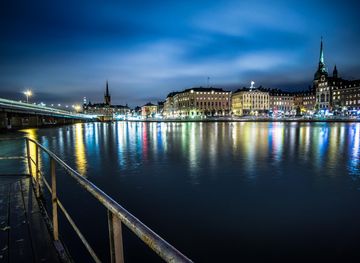
Explore more of Sweden
Discover Sweden's breathtaking landscapes, vibrant cities, and rich cultural heritage. From the Northern Lights to historic castles, experience the essence of Scandinavia.
Explore Sweden